What does it mean to be baptized in the Catholic Church?
Baptism is the foundational sacrament in the Catholic Church. It marks a person’s entry into the life of faith, welcomes them into the Body of Christ, and bestows a permanent spiritual mark that cannot be erased. In Catholic understanding, baptism is a grace-filled action that cleanses from original sin, initiates a lifelong journey with the Church, and opens the way to the other sacraments.
In practical terms, being baptized means receiving the grace to know, love, and serve God; it unites the person with Christ and with the faith community. For infants, children, adolescents, and adults, the path to baptism follows a structured process designed to deepen a person’s relationship with God and to prepare them to participate fully in Catholic life.
Who can be baptized in the Catholic Church?
The Catholic Church has a broad and inclusive understanding of baptism. In general:
Infants can be baptized once their parents commit to raising them in the faith, with the support of the parish community.
Children and adolescents may be baptized after a period of catechesis appropriate to their age.
Adults enroll through the Rite of Christian Initiation for Adults (RCIA), a structured process of formation leading to full communion with the Church.
For those who are already baptized in another Christian denomination, the Catholic Church recognizes baptism if the baptism was done with water and in the name of the Father, and of the Son, and of the Holy Spirit. If there is any question about the validity of a baptism received elsewhere, a parish will typically review the situation with a priest or catechetical director.
Where to begin: finding a parish and meeting a priest
The journey toward baptism typically begins with a personal meeting. To start the process:
Locate your local parish or church community and contact the office.
Speak with a pastor or a designated catechetical leader about your interest in baptism.
Ask about the specific path for your situation—whether you are pursuing infant baptism, baptism for a child, or adult baptism through RCIA.
Request a calendar of classes, meetings, and the possible baptism date.
Every parish has its own practical steps, but the core elements are similar: preparation, reflection on faith, and a welcoming rite that culminates in the baptism itself.
Preparing to become Catholic: the path for different ages
There are two main pathways to baptism in the Catholic tradition: the RCIA pathway for adults and the RBC/RCIC pathway for children. Both share the goal of forming a mature, enduring faith.
Adult baptism through RCIA
If you are an adult seeking baptism, you will typically enter the RCIA program. This process usually includes:
Faith formation sessions covering Christian beliefs, scripture, moral life, and the liturgy.
Participation in the parish community through prayer, service, and liturgical experiences.
Final election or reception into the Church at a specific rite, followed by the actual baptism, confirmation, and Eucharist (Holy Communion) at the appropriate time.
Baptism for children and youth
For families with children or teens, the process is often called the Rite of Baptism for Children (RBC) or a preparation program within the parish. Typical components include:
Parents attend a preparation session to understand their role in raising the child in the Catholic faith.
There is often a sponsor meeting to discuss the responsibilities of a godparent or sponsor.
The actual baptism ceremony occurs during a weekend Mass or a designated liturgy, following a period of catechesis and formation.
The role of sponsors and godparents
A key aspect of Catholic baptism is the involvement of one or two sponsors, commonly known as godparents. They commit to supporting the person being baptized and to assisting the parents in guiding the child in the faith.
Choosing godparents
A sponsor must be a baptized and confirmed Catholic who has received the Eucharist and who leads a life in harmony with the faith and the Church.
Generally, there should be one sponsor, but it is common to have two—one male and one female—or a couple who both meet the requirements.
One sponsor may be a non-Catholic Christian if there is a practical or pastoral reason, but the other sponsor must be a Catholic who meets the canonical requirements.
Responsibilities of sponsors
To accompany the baptized person in their faith journey, offering guidance, encouragement, and prayer.
To serve as a witness to the baptism and to support the catechetical formation that accompanies the rite.
The preparation process: what to expect before baptism
The period leading up to the sacrament is not merely administrative; it is a time of spiritual preparation that deepens faith and helps the person or family live out their baptismal commitments. Key elements often include:
Catechesis or instruction on Catholic beliefs, sacraments, and liturgy.
Reflection on conversion and the meaning of turning toward Christ.
Engagement in prayer, scripture study, and participation in parish life.
Assurance that the household, school, or community environment supports a faith-filled life after baptism.
The Rite of Baptism: what happens during the ceremony
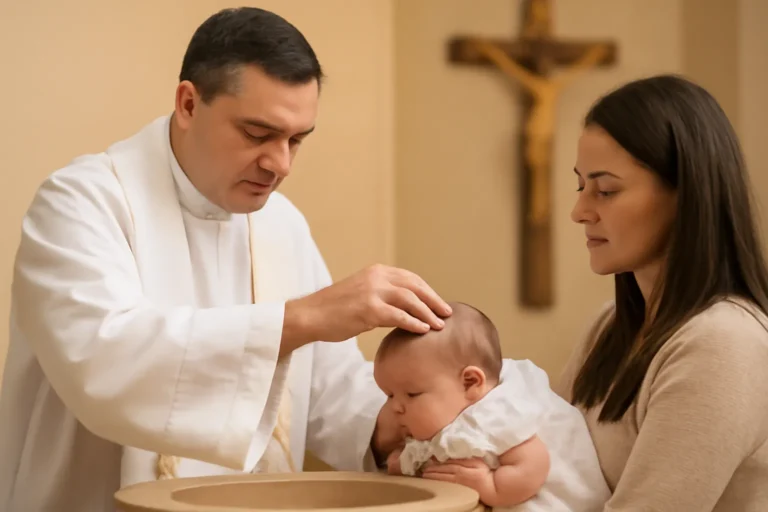
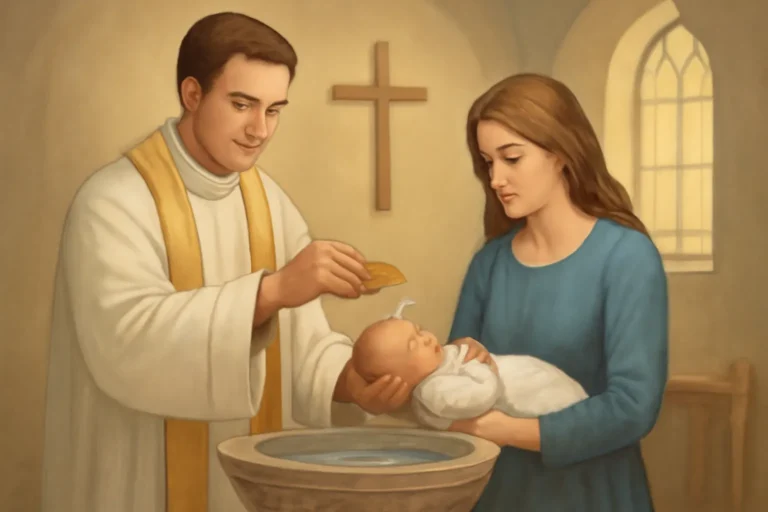
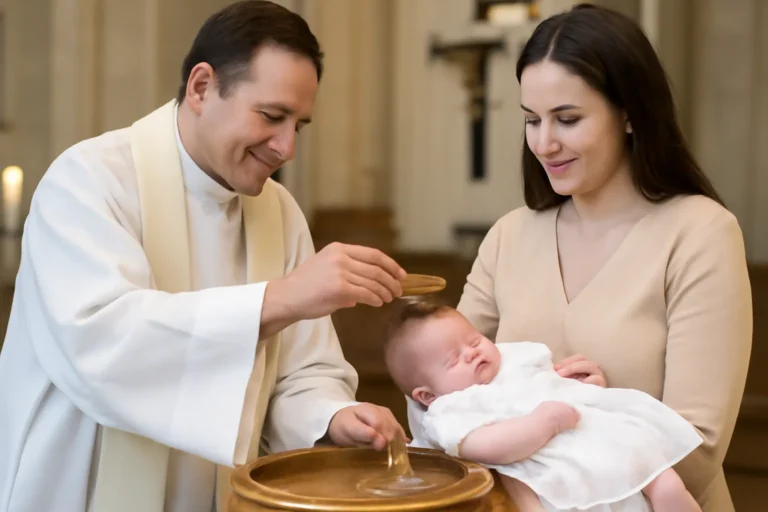
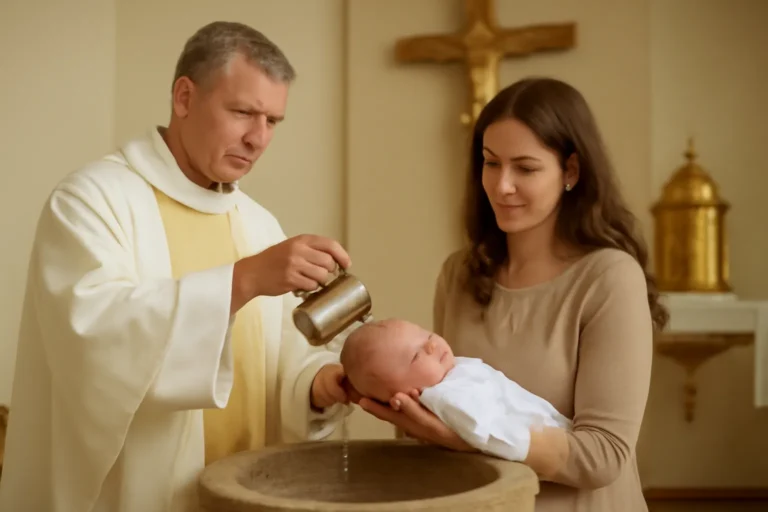
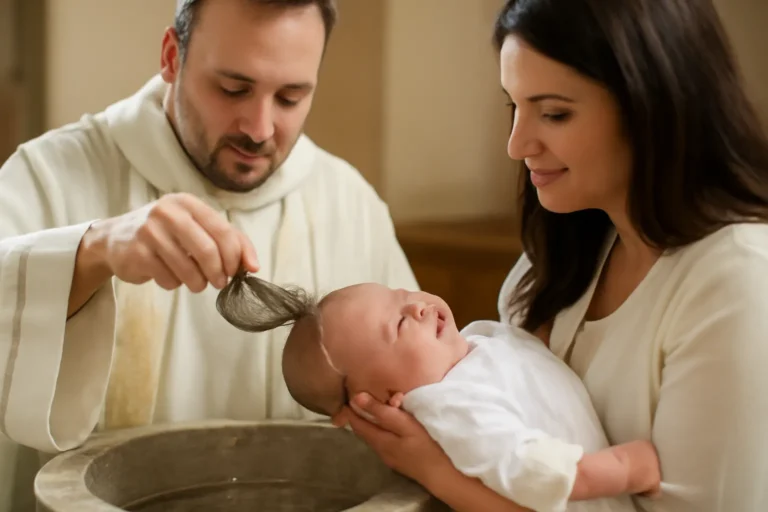
The actual baptism is a sacred and public declaration of faith, typically celebrated within a Sunday Mass or a designated liturgical service. The rite emphasizes God’s initiative, the meaning of water, and the recipient’s entry into the life of Christ and the Church.
The main elements of the rite
Sign of the cross on the forehead, signifying belonging to Christ.
Renunciation of sin and profession of faith by the parents and the godparents on behalf of the child, or by the adult candidate themselves.
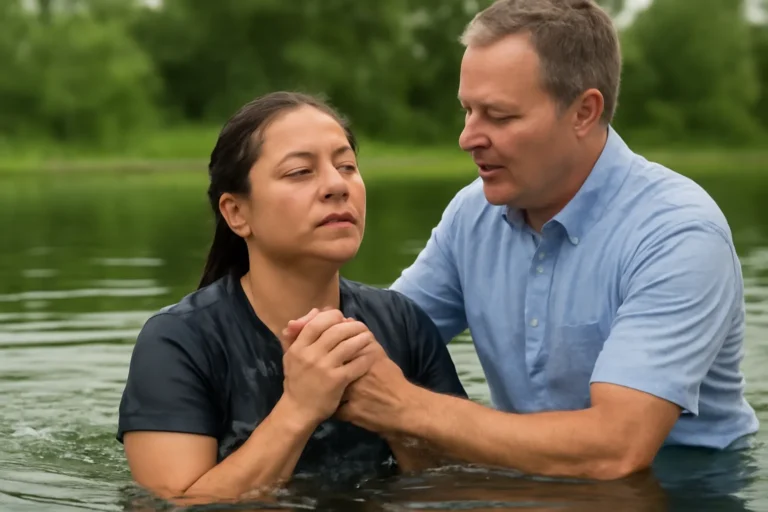
Water baptism: either immersion or pouring, done with the words, I baptize you in the name of the Father, and of the Son, and of the Holy Spirit.
Anointing with chrism (sacred oil) to seal the recipient with the gift of the Holy Spirit.
Clothing with a white garment to symbolize new life in Christ.
Lighting an Easter candle or baptismal candle to symbolize the light of Christ now present in the baptized person.
In many parishes, because baptism is a communal event, the community’s prayer and presence are considered essential expressions of faith.
What happens after baptism?
Baptism is the gateway to full participation in the Church’s life. After receiving the sacrament, baptized Catholics typically continue with:
The sacrament of Eucharist (First Communion) when appropriate, especially for children who are growing in faith.
The sacrament of Confirmation, which completes baptismal grace and strengthens the individual with the Holy Spirit.
Continued religious education, participation in parish life, and ongoing formation in moral and spiritual growth.
Special considerations: baptism in extraordinary situations
The Catholic Church recognizes that people may come to baptism under unique circumstances, including:
Emergency baptisms in danger of death, which are performed with the desired form and intention even if the person administering the baptism is not a priest, provided the person has the intent of performing a baptism.
Cases where a parent or guardian desires to baptize a child but cannot immediately coordinate with the parish. In such situations, the parish typically offers guidance and resources for making the baptism possible as soon as feasible.
If you or your family are facing unusual circumstances, do not hesitate to speak with a parish priest. The Church often shows pastoral flexibility while preserving the integrity of the sacrament.
Practical guidelines and tips for prospective converts and families
This section covers practical steps and tips to help you navigate the process smoothly and respectfully within the parish community.
Begin with a clear inquiry to the parish office about baptism preparation for your situation.
Ask for a calendar of classes and rites, including dates for the baptism itself and any subsequent celebrations (First Communion, Confirmation).
Confirm the documents you may need, such as a birth certificate, proof of baptism for prior sacraments, and sponsor letters if applicable.
Engage in the family catechesis or RCIA sessions with an open heart, so the experience integrates into daily life.
Discuss practical arrangements for the day of baptism—photography permissions, seating for family, and any special needs.
Common questions and clear answers
Here are some typical concerns people have when they are exploring how to pursue baptism in the Catholic tradition.
Is baptism necessary for salvation? The Catholic Church teaches that baptism is the ordinary means by which one is incorporated into Christ and the Church, though we also acknowledge that God’s mercy can reach those who, through no fault of their own, do not know Christ or his Church. In such cases, the Church speaks of baptism by desire or by implicit faith as a way God can grant grace.
Can I baptize my child as a single parent? Yes. The Church welcomes and supports families of many structures, and the baptism can be celebrated with both parents involved in the preparation and decision-making process.
What role do godparents have after baptism? Godparents commit to supporting the child’s faith journey, participating in liturgical life, and guiding the child toward ongoing conversion and service to others.
What if I am already baptized in another faith? The Catholic Church recognizes many baptisms, provided they were done with water and using the Trinitarian formula. If your baptism is valid, you may join the Catholic Church through the rite of reception into full communion, followed by confirmation and the Eucharist as appropriate.
A final look at the journey: from inquiry to immersion in faith
The path toward baptism in the Catholic Church is a journey of conversion, learning, and communal belonging. It is not merely a ceremony but a spiritual transition that invites a person to embrace a lifestyle of faith, prayer, and service within the Church.
Whether you are discovering how to get baptized as an adult, seeking baptism for your child, or accompanying a family in this sacred process, the parish community offers guidance, support, and a clear structure designed to form faithful Christians. The baptismal rite, with its symbols of water, oil, white garment, and candle, is a joyful proclamation that a new life in Christ has begun.
Glossary of key terms to know on your journey
Understanding these terms can help you communicate clearly with parish staff and catechists as you prepare for baptism.
Baptism: The sacrament by which a person is freed from sin, reborn as a child of God, and incorporated into the Church.
RBC: The Rite of Baptism for Children, the preparation and celebration for infant or child baptism.
RCIA: The Rite of Christian Initiation for Adults, the formation program for adults seeking full communion with the Catholic Church.
Godparent: A sponsor who helps the baptized person grow in the faith and supports the parents in raising the child in Catholic life.
Chrism: Sacred oil used in the anointing during baptism (and used in other sacraments).
Eucharist: The sacrament of Holy Communion, the reception of the Body and Blood of Christ.
Confirmation: The sacrament that strengthens the grace received at baptism with the gifts of the Holy Spirit.
A note on variations among parishes
While the core catechesis and rites are rooted in universal Church practice, individual parishes may have slightly different schedules, formats, or emphasis. It is common for a parish to tailor the sequence of classes, the timing of the baptism, and the rhythm of RCIA or RBC programs to fit local life, school calendars, and the needs of the community.
When you initiate the process, you will be guided by a parish mentor or catechetical director who can adapt recommendations to your family’s schedule and spiritual goals—without compromising the essential requirements of the Catholic faith.
To help you organize your journey, here is a practical checklist you can use, whether you are preparing for infant baptism, child baptism, or adult initiation.
Contact your local parish and schedule an initial meeting.
Identify and discuss with a priest or catechetical leader the appropriate path (RCIA or RBC).
Select sponsors or godparents who meet the canonical requirements and can support your faith journey.
If you are asking yourself how to get baptized catholic or how to become Catholic, remember that the Church welcomes sincere seekers. The process is designed to be compassionate, clear, and transformative. The community around you—priests, catechists, sponsors, and fellow faithful—will walk with you every step of the way as you take part in the life of Christ through the gift of baptism.