Wedding in Cana of Galilee: A Complete Guide to the Historic Site, Traditions, and Travel Tips
Wedding in Cana of Galilee: A Complete Guide to the Historic Site, Traditions, and Travel Tips is a journey through one of the most storied locales in the Holy Land. This article explores the historic site where the wedding miracle is said to have occurred, the enduring traditions associated with Cana, and practical travel guidance for modern visitors. Whether you come as a pilgrim, a history enthusiast, or a curious traveler, the Cana of Galilee region offers a rich blend of archaeology, faith, and culture that can enrich any itinerary. Throughout this guide you will encounter variations on the phrase wedding in Cana of Galilee to reflect different angles of the experience, including Cana wedding, the Cana of Galilee wedding, and wedding at Cana.
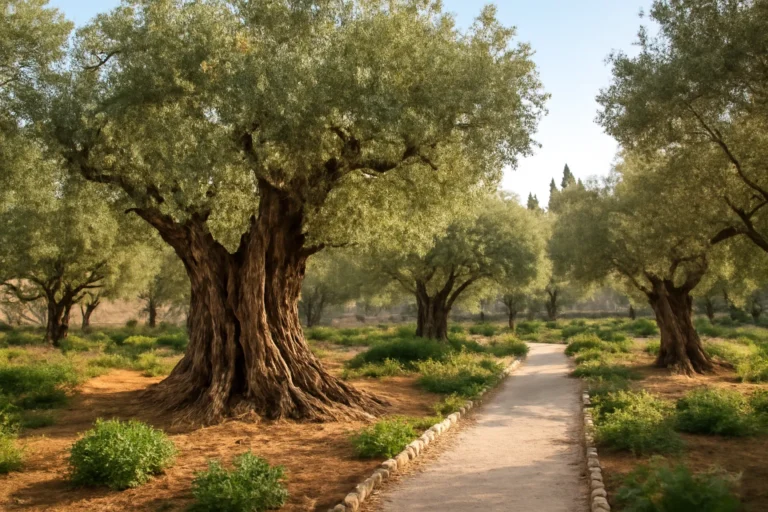
The site commonly known as Cana of Galilee sits in the Lower Galilee, in close proximity to Nazareth and the Sea of Galilee. For many visitors, the primary appeal is not only the biblical resonance but also the physical landscape: olive groves, stone churches, and a sense of stepping into a place where ancient roads once connected towns and markets. The concept of a wedding in Cana invites contemplation of the social customs of ancient Judea and the way a simple village wedding could become a story that travels across centuries.
Geographic context
The region is characterized by rolling hills, fertile plains, and small villages that have preserved local customs for generations.
From Cana you can reach nearby pilgrimage centers, including Nazareth and the Sea of Galilee, within a short drive.
The climate varies by season, with hot, dry summers and cooler, wetter winters that influence travel planning.
Identity and modern geography
In contemporary maps, the biblical Cana is associated with several possible locations, with Kefar Kana (Kafr Kanna) near Nazareth commonly highlighted as a leading candidate.
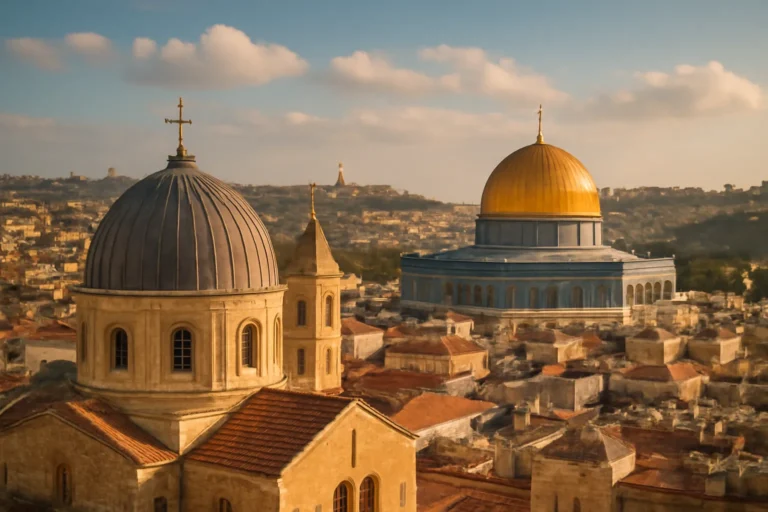
Visitors may encounter churches and sanctuaries that commemorate the wedding at Cana, as well as archaeological remains that hint at long-standing settlement.
The narrative of the miracle at Cana remains central to Christian tradition, shaping how many travelers experience the site today.
Historical and Biblical Significance
The story of the Wedding at Cana appears in the Gospel of John and is a cornerstone of Christian tradition. While the precise historical details of the wedding are not documented outside of the biblical text, the site in Cana of Galilee has become a locus of devotion, reflection, and scholarship. For visitors, the wedding in Cana of Galilee is experienced not only as a historical marker but also as a lens through which to explore conceptions of hospitality, social status, and communal celebration in ancient times.
The Miracle at Cana
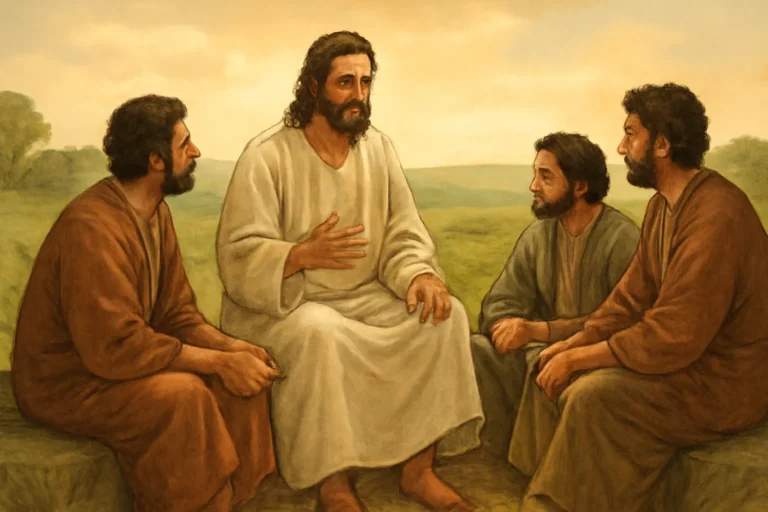
The Gospel narrative describes Jesus attending a wedding where wine runs short, prompting the miracle of turning water into wine.
The event is read as a sign-catalyzing moment that reveals Jesus’ power and his concern for communal well-being.
Iconography and art in the Church of the Wedding at Cana often depict jars, baptismal symbolism, and festive gatherings that echo the biblical scene.
Role in Christian tradition
For many Christian denominations, the Cana miracle signals themes of transformation, hospitality, and providence.
Pilgrims visiting the wedding at Cana sites may reflect on the social responsibilities of hosts and guests in ancient communities.
Scholars examine how the Cana episode influenced liturgy, worship, and the depiction of Jesus’ miracles in early Christian art.
Over the centuries, archaeologists have uncovered layers of settlement in the Cana region, including Byzantine-era churches and domestic houses. While no single artifact can conclusively prove the exact site of the original wedding, the aggregate remains illuminate life in a bustling Galilean village. For researchers and curious travelers alike, the Cana archaeological footprint offers a tangible link to the day-to-day world in which biblical narratives took shape.
What to See at the Cana of Galilee Site
When you arrive in Cana, you will find a mix of sacred architecture, panoramic viewpoints, and historical markers. The Church of the Wedding at Cana stands as a focal point for visitors who want to reflect on the miracle and its implications for communal life. Beyond the church, you can explore the surrounding landscape, local museums, and small chapels that pay homage to the life of Christ, Mary, and the traditions of hospitality that link the region to the broader Christian story.
The Church of the Wedding at Cana
A place of pilgrimage and prayer, the church often hosts visitors who wish to spend quiet moments in memory of the miracle.
Interior spaces may include altar areas, mosaics, and inscriptions that evoke the wedding narrative and its symbolism.
Granite and stonework reflect the centuries of worship and the ongoing practice of sacred hospitality in the region.
Ancient streets and water imagery
Wander along narrow lanes and remnants of ancient pathways that would have connected households and markets in biblical Cana.
Water imagery remains a recurring motif in inscriptions and church art, recalling the transformation from water to wine.
Some sites preserve cisterns, wells, or springs that contributed to the water supply for local communities.
Local museums and interpretive displays
Nearby museums offer dioramas, artifacts, and multimedia presentations that help frame the wedding in Cana within the larger tapestry of Galilean life. These exhibits may cover daily life, crafts, and religious practices that shaped the cultural backdrop of the biblical narrative.
Traditions and Faith Context
The Cana story has inspired a multitude of traditions that cross religious and cultural lines. The wedding in Cana of Galilee is often reflected in Christian wedding vows, liturgical readings, and devotional practices that highlight hospitality, generosity, and the transformation of scarcity into abundance. In modern times, visitors may encounter seasonal processions, interfaith dialogues, and community events that celebrate shared values rooted in Cana’s historical memory.
Link to marriage customs
In many communities, the Cana miracle is invoked as a symbol of blessing for marriages, especially in Christian wedding ceremonies or pilgrim visits that culminate in a blessing service.
Hospitality and communal celebration, central to the Cana narrative, are celebrated through shared meals, song, and worship during tours of the site.
Some wedding programs in the region feature local musicians, traditional dances, and regional cuisine as expressions of welcome and festivity.
Symbolism in water and wine
Water-to-wine is interpreted as a sign of transformation, abundance, and divine approval of social gatherings.
Rituals and artwork often emphasize cups, jars, and vessels that echo the biblical motif and invite contemplation about generosity and hospitality.
In sermons and devotional guides, the miracle at Cana is used to reflect on abundance that can emerge from meaningful communal hospitality.
In churches around Cana, you may encounter iconography and liturgical art that depicts the bridal feast, the figures of Jesus, Mary, and the wedding guests, and vessels associated with the miracle. These images can serve as aid for prayer and reflection, offering a visual language for the themes of hospitality, faith, and communal joy.
Whether you are coming for a day trip or a longer pilgrimage, practical travel tips help ensure a smooth and meaningful experience. The Cana of Galilee region is accessible to travelers with diverse interests, from archaeology buffs to spiritual seekers. Here are practical considerations to guide your planning for a wedding in Cana experience.
Most travelers reach Cana via routes that connect Nazareth, the Sea of Galilee, and the wider Galilee region. Renting a car gives flexibility to explore along with guided options.
Public transport options exist but can be limited in rural areas, so a guided day tour from Nazareth or a nearby city is a convenient alternative.
For international visitors, plan to coordinate with local guides who can provide context, translations, and access to on-site religious spaces.
Best time to visit
Spring and autumn offer comfortable temperatures for walking and outdoor exploration.
Holiday periods and feast days can be rich in religious and cultural programming, but may also bring larger crowds.
Consider sunset visits for atmospheric light over the Galilean hills and a more contemplative atmosphere in sacred spaces.
Guided tours and self-guided experiences
Guided tours often provide historical context, biblical references, and access to restricted areas or chapels that are not open to casual visitors.
Self-guided itineraries allow you to pace your day, conduct personal reflections, and photograph key moments along the way.
Ask about combination tours that include nearby Nazareth, the Sea of Galilee, and other biblical sites for a fuller sense of the region’s past and present.
Practical safety and accessibility
Wear comfortable footwear suitable for uneven stone paths and gentle hikes around the site.
Hydration is important in hot months; carry water, especially during midday visits.
Accessibility may vary by site; check ahead with local tourism offices or guides about ramp access and seating availability in churches.
Nearby Attractions and Day Trips
A visit to Cana can be enhanced by pairing it with nearby experiences that illuminate the wider biblical and cultural landscape of the region. The proximity to Nazareth, the Sea of Galilee, and other Galilean sites makes Cana part of a larger pilgrimage itinerary or historical exploration.
Nazareth and the Basilica of the Annunciation
Nazareth is a short drive away and offers a hub of religious art, markets, and cafes. The Basilica of the Annunciation stands as a major Christian shrine and a complement to the Cana experience, inviting visitors to reflect on the broader biblical narrative.
Sea of Galilee towns and boat rides
Beyond Cana, towns along the Sea of Galilee offer boat rides, historic synagogues, and shoreline landscapes that evoke ancient trade routes and agricultural life.
Archaeological parks and open-air museums
Some sites combine outdoor archaeology with interpretive displays that bring to life domestic architecture, pottery, and craft techniques from biblical times.
The combination of indoor galleries and outdoor ruins enriches the learning experience for families and scholars alike.
Itinerary Ideas for a Day or Longer Visit
If you are planning a wedding in Cana of Galilee focused itinerary, consider balancing sacred spaces with historical context and scenic breaks. Here are practical ideas to craft a satisfying experience.
Morning: Start with a quiet moment at the Church of the Wedding at Cana, followed by a short walk through the village lanes to imagine daily life in antiquity.
Midday: Lunch at a local eatery offering regional specialties, such as olive oil-based dishes and fresh produce from Galilean farms.
Afternoon: Visit Nazareth for the Basilica and a stroll through the old market, then finish with a sunset view from a hilltop overlook near Cana.
Extended trip: Combine Cana with a boat ride on the Sea of Galilee, a visit to Capernaum, and a stop at Mount Precipice for panoramic views.
Travelers to Cana of Galilee should observe local customs and show sensitivity to sacred spaces and the reverence of worshippers. Respectful behavior enhances the experience for everyone and supports the preservation of the site for future generations.
Dress modestly when visiting churches and sanctuaries.
Ask before taking photographs inside worship spaces, especially during services or ceremonies.
Keep voice levels appropriate for quiet contemplation and prayer areas.
Be mindful of religious calendars and holidays that may affect opening hours or access to certain spaces.
Accommodation Options and Local Cuisine
While Cana itself is more of a pilgrimage site than a large town, there are nearby towns offering a range of accommodations, from guesthouses to boutique hotels. Dining in the Galilee region emphasizes fresh produce, olive oil, herbs, and regional flavors that complement the spiritual and historical experience of the day.
Near Nazareth or the Sea of Galilee you can find a spectrum of options from budget inns to mid-range hotels.
For a more intimate experience, consider family-run guesthouses that provide local hospitality and guidance for day trips.
Check for places that offer early breakfast and arranged transport to Cana for convenient morning visits.
Local specialties to try
Olive oil-cured olives, fresh flatbreads, and dairy products from local farms.
Herb-based dishes featuring thyme, rosemary, and regional greens.
Traditional Levantine pastries and seasonal fruit desserts after meals.
Preservation, Access, and Community Involvement
As a site of immense cultural and religious value, the Cana region is subject to ongoing preservation efforts. Community organizations, religious groups, and government bodies collaborate to maintain the sanctuaries, protect archaeological layers, and facilitate respectful tourism. Visitors can contribute by following guidelines, supporting responsible tours, and engaging with interpretive materials that emphasize accuracy and sensitivity.
Conservation practices
Preservation of ancient stonework, mosaics, and frescoes through careful restoration and protective measures.
Controlled access to sensitive areas to prevent wear and degradation while still allowing public engagement.
Educational programs that explain the historical context and explain how travelers can minimize impact.
Engagement with local communities
Tour operators and guides often collaborate with local families, craftspeople, and farmers, providing income streams that support cultural preservation.
Visitors can participate in community-led events or workshops that showcase traditional crafts, cooking, or storytelling.
Planning Your Visit: Practical Checklists
Use this practical checklist to ensure you cover key aspects of a journey centered on the wedding in Cana narrative and its modern-day setting.
Passport, visa, and travel documents if you are crossing international borders to reach Israel.
Layered clothing for varying temperatures and religious spaces that may require coverage or modest dress.
Appropriate footwear for walking on ancient stone and uneven paths.
Camera or sketchbook for capturing the landscape, architecture, and art without disturbing worship spaces.
Water, sun protection, and a small snack for daylong exploration.
Final Thoughts on a Sacred and Historic Experience
A journey centered on the wedding in Cana of Galilee invites exploration of biblical memory, architectural heritage, and human hospitality. The site’s significance extends beyond a single miracle; it engages travelers with questions about community, generosity, and transformation. Whether you approach Cana as a scholarly interest, a devotional pilgrimage, or a cultural adventure, you will discover a landscape where history and faith continue to interact in meaningful ways. The combination of ancient stones, sacred spaces, and regional life makes a visit to Cana a compelling chapter in any travel narrative focused on the Holy Land and its enduring stories.