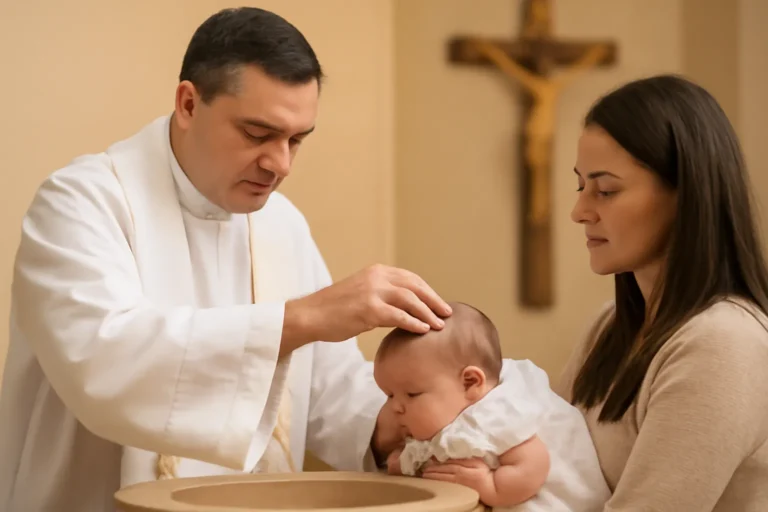
The Transformative Power of Baptism and the Holy Spirit: A Journey of Faith and Renewal
The Christian faith is rich with profound rituals and transformative experiences, and central among them are the sacraments of baptism and the indwelling presence of the Holy Spirit. These are not mere symbolic gestures but are considered divine encounters that initiate believers into a deeper relationship with God, offering spiritual cleansing, new life, and empowerment for their earthly journey. Understanding the interwoven nature of baptism and the Holy Spirit unlocks a wealth of meaning for those seeking faith, growth, and a more vibrant spiritual existence.
Many find themselves drawn to these concepts with a mixture of curiosity and reverence. Perhaps you’ve witnessed a baptism, seen the dove descending on depictions of Jesus, or heard phrases like “born of water and the Spirit.” These powerful images point to a transformative process that goes beyond the outward act, touching the very core of a person’s being. This article aims to demystify these foundational elements of Christianity, making them accessible, relatable, and deeply informative for anyone on a spiritual path.
The act of baptism is a cornerstone of Christian practice, a visible declaration of an inward reality. It’s a symbolic immersion or cleansing with water, representing a death to the old self and a resurrection to a new life in Christ. This isn’t a superficial act; scripture itself highlights its significance, with Jesus commanding his followers to “go and make disciples of all nations, baptizing them in the name of the Father and of the Son and of the Holy Spirit” (Matthew 28:19). This command underscores its centrality to the Christian mission.
The imagery associated with baptism is rich and varied. Think of a seed being buried in the earth, dying to its former state, only to sprout and grow into a new plant. Similarly, baptism signifies an obliteration of past sins and a dedication to a life lived for God. Whether through full immersion, representing a complete burial and resurrection with Christ, or through the application of water, symbolizing purification, the essence remains the same: a public profession of faith and a spiritual cleansing that washes away sin and ushers believers into God’s family.
The Significance of Immersion and Cleansing
The practice of immersion in particular carries profound theological weight. When a person is fully submerged in water, it visually mirrors the death and burial of Jesus Christ. Emerging from the water represents the resurrection, a new creation alive in Christ. This act of dying and rising is not just a symbolic retelling of Christ’s sacrifice but a personal participation in it. It signifies a complete surrender of the old life, with its imperfections and sins, and an embrace of a redeemed existence.
Conversely, the act of cleansing with water points to the purification that occurs through faith. Just as water washes away physical dirt, baptism symbolizes the forgiveness of sins and the washing away of spiritual impurities. This is a crucial aspect for many who feel burdened by past mistakes; baptism offers a tangible sign of God’s grace and mercy, a fresh start where the past is no longer a defining factor. This spiritual renewal is a core promise offered through this sacred rite.
The Role of the Holy Spirit: God’s Active Presence
The Holy Spirit is the third person of the Trinity, and His role in the life of a believer is indispensable. Often described as God’s presence on earth, the Holy Spirit is the divine agent who empowers, guides, comforts, and sanctifies believers. Jesus himself promised His disciples that after His ascension, He would send the Helper, the Comforter, who would be with them forever (John 14:16). This promise highlights the active and constant nature of the Spirit’s involvement in our lives.
The Holy Spirit is not a distant force but an intimate companion. He indwells believers, transforming them from the inside out. This indwelling is a key aspect of the Christian experience, offering supernatural strength and divine wisdom for navigating life’s challenges. The Spirit is the source of our spiritual gifts, the catalyst for our growth in Christlikeness, and the assurance of our salvation. Without the Holy Spirit, the Christian life would be an impossible endeavor.
The Indwelling and Empowerment of the Spirit
The concept of the Holy Spirit indwelling believers is central to understanding the Christian walk. This isn’t a temporary visitation but a permanent inhabitation. Imagine having a constant source of wisdom and strength available to you at all times. This is the reality of the Holy Spirit within those who believe. He illuminates Scripture, convicts us of sin, and guides us towards righteousness. This intimate connection empowers us to live a life that honors God, even when faced with difficult choices or temptations.
Furthermore, the Holy Spirit is the source of spiritual empowerment. This empowerment manifests in various ways, from the ability to speak in tongues and perform miracles (as seen in the early church) to the quiet strength to persevere through suffering and the boldness to share one’s faith. This divine enablement allows believers to overcome limitations and accomplish God’s purposes in the world. It is through the Holy Spirit’s power that we are equipped to be effective witnesses and agents of God’s love.
Baptism and the Holy Spirit: An Intimate Connection
The relationship between baptism and the Holy Spirit is deeply intertwined, often described as two sides of the same divine coin. While baptism is the outward sign and seal of God’s covenant promises, the Holy Spirit is the divine power that brings those promises to life within the believer. Scripture frequently links these two realities. For instance, Peter declared on the day of Pentecost, “Repent and be baptized, every one of you, in the name of Jesus Christ for the forgiveness of your sins. And you will receive the gift of the Holy Spirit” (Acts 2:38).
This verse clearly demonstrates that baptism is not just a ritual but a gateway to receiving the gift of the Holy Spirit. It’s the moment where the outward commitment is met with God’s inward impartation. Consider it like receiving a key (baptism) that unlocks a door to a treasure room filled with God’s presence and power (the Holy Spirit). This sacramental union signifies a complete transformation, encompassing both the declaration of faith and the infusion of divine life.
The Promise of New Birth: Water and Spirit
Jesus himself spoke plainly about this essential connection when He told Nicodemus, “Very truly I tell you, no one can enter the kingdom of God unless they are born of water and the Spirit” (John 3:5). This profound statement highlights that genuine spiritual transformation, the new birth that ushers one into God’s kingdom, involves both the visible rite of baptism and the invisible, life-giving work of the Holy Spirit. One without the other, in this context, signifies an incomplete encounter.
This dual action of water and Spirit works together to accomplish a holistic transformation. The water of baptism signifies the cleansing and new life offered, while the Spirit is the power that makes this new life a tangible reality within us. It’s an experience that marks a definitive turning point, a spiritual rebirth that reorients our entire being towards God and His purposes. This is the promise of salvation and eternal life made accessible through faith and these sacred means.
A Relatable Journey: My Own Experience with Baptism and the Spirit
I remember the day of my baptism vividly. I was a teenager, grappling with a sense of emptiness and searching for something more. I had heard countless sermons about baptism and the Holy Spirit, but the true depth of their meaning eluded me until that moment. Standing by the water, I felt a mixture of nerves and profound anticipation. As I was immersed, it felt like a weight I hadn’t even realized I was carrying was lifted. It was a physical sensation of being cleansed, a tangible sign that my past was being washed away.
What happened next was even more remarkable. In the days and weeks following my baptism, I began to experience a new awareness of God’s presence. It wasn’t a dramatic, thunderous revelation, but a quiet, persistent whisper of peace and direction. I started to understand scripture in a way I never had before, and I found a newfound motivation to live a life that pleased God. I realized that the Holy Spirit had indeed been given to me, not as a fleeting feeling, but as a constant companion and guide. This journey of baptism and the Holy Spirit has been a continuous process of growth and discovery, an ongoing assurance of God’s love and faithfulness.
Embracing the Gift: Living in the Spirit’s Power
Since that pivotal moment, my walk with God has been characterized by a conscious effort to lean into the power of the Holy Spirit. This isn’t always easy. There are days when doubt creeps in, or when the world’s challenges feel overwhelming. However, I’ve learned that the Holy Spirit is always there, ready to empower and guide. It’s like having a spiritual GPS system, constantly offering the right direction, even when the path is unclear.
The Holy Spirit helps me to:
Understand God’s Word: He illuminates the Scriptures, making them relevant and applicable to my life.
Resist Temptation: His presence strengthens me to make righteous choices, even when it’s difficult.
Love Others: He cultivates within me a deeper capacity for compassion, patience, and forgiveness.
Share My Faith: He gives me boldness and wisdom to speak about God’s love with others.
Embracing the gift of the Holy Spirit is not a passive experience; it requires an active engagement, a willingness to listen and obey. My baptism was the initiating act, but my ongoing relationship with the Spirit is what fuels my faith and transforms my life daily.
Conclusion: A Continual Journey of Faith and Transformation
In essence, baptism and the Holy Spirit represent the initiation and ongoing sustenance of the Christian life. Baptism is the profound declaration of faith, the symbolic death and resurrection that marks our entry into God’s covenant. The Holy Spirit is the divine indwelling, the active presence of God that empowers, guides, and transforms us from within, enabling us to live out our faith with authenticity and purpose.
This is not a one-time event but a continual journey. The promise of the Holy Spirit is for all who believe, and the transformative power of this divine partnership is available throughout our lives. Whether you are contemplating baptism, seeking a deeper connection with the Holy Spirit, or simply curious about the foundations of Christian faith, know that God offers a rich and abundant life to those who embrace Him. The sacraments of baptism and the indwelling of the Holy Spirit are powerful invitations to experience God’s transformative love and to live a life filled with His unfailing presence.
Frequently Asked Questions: Baptism and the Holy Spirit
What is baptism?
Baptism is a Christian sacrament of initiation, a symbolic act of cleansing and spiritual rebirth. It typically involves the use of water, either by immersion, pouring, or sprinkling, and is often accompanied by the invocation of God’s name. It signifies a person’s entry into the Christian faith, their identification with Jesus Christ’s death and resurrection, and their reception of the Holy Spirit.
What is the significance of baptism?
The significance of baptism varies among Christian denominations, but generally includes:
* Forgiveness of sins: A cleansing from past sins and a new start.
* Union with Christ: A symbolic death to the old self and resurrection to a new life in Christ.
* Entry into the Church: Becoming a member of the community of believers.
* Reception of the Holy Spirit: A divine impartation that empowers believers for Christian living.
* Obedience to Christ’s command: Following Jesus’ instruction to be baptized.
Who should be baptized?
Believers who have made a personal profession of faith in Jesus Christ are typically candidates for baptism. Some traditions practice infant baptism, believing it to be a sign of God’s covenant with His people and a commitment by parents to raise the child in the faith.
What is the Holy Spirit?
The Holy Spirit is understood as the third person of the Trinity, co-equal and co-eternal with God the Father and God the Son (Jesus Christ). The Holy Spirit is divine, actively involved in the world, and intimately connected with believers.
What does the Holy Spirit do?
The Holy Spirit has many roles in the life of a believer and in the world:
* Convicts of sin: Reveals sin and the need for a savior.
* Regenerates: Brings about spiritual rebirth and new life.
* Indwells believers: Lives within those who follow Christ, providing guidance and strength.
* Empowers for witness: Gives believers boldness and ability to share their faith.
* Sanctifies: Works to make believers more like Christ over time.
* Gives spiritual gifts: Distributes abilities for service within the church.
* Guides and teaches: Leads believers into truth and understanding of God’s Word.
How does one receive the Holy Spirit?
According to Christian teaching, all who genuinely believe in Jesus Christ and repent of their sins receive the Holy Spirit at the time of their conversion. Baptism, in many traditions, is seen as a public declaration and often an accompanying outward sign of this inward reception.
Can a person have the Holy Spirit without being baptized?
While baptism is a significant sacrament and a command from Christ, the act of receiving the Holy Spirit is primarily linked to faith in Jesus Christ. Many believe that the Holy Spirit is given at the moment of salvation, even before formal baptism. However, baptism is often seen as an essential step of obedience and a public testimony of that faith, through which the Holy Spirit is further affirmed and manifested.
What are spiritual gifts?
Spiritual gifts are divine abilities or endowments given by the Holy Spirit to believers to equip them for service and to build up the church. These gifts are diverse and can include speaking in tongues, prophecy, teaching, healing, wisdom, knowledge, and faith, among others.