What Are the Jewish Holidays? A Comprehensive Guide
What are the Jewish holidays? A comprehensive guide to the year’s core observances, their meanings, and how communities around the world mark time and history through ritual, song, and shared meals. This article offers an in-depth look at the Jewish festival calendar, explains how different holidays relate to one another, and provides practical notes on customs, blessings, and traditional foods. By exploring both biblical foundations and later rabbinic additions, we can better understand why these holy days remain central to Jewish life, learning, and identity.
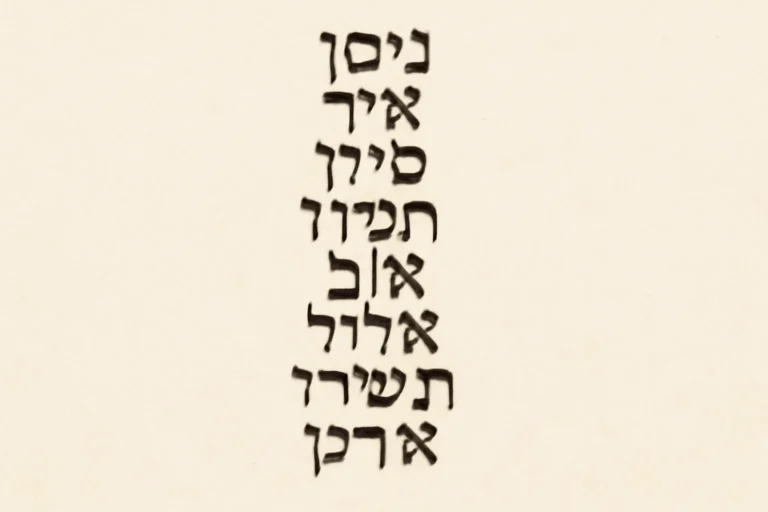
To grasp what the Jewish holidays are, it helps to know how the calendar itself is built. The Jewish year is based on a lunisolar system: months are tied to the cycles of the moon, while the years are aligned with the solar cycle to keep seasons relatively stable. Because the lunar months are shorter than the solar year, a complex arithmetic system inserts leap months about every three years. This means that the dates of holidays drift in relation to the Gregorian calendar, but always retain their distinctive seasons and, for many holidays, their order within the year.
Several categories commonly organize the Jewish festival cycle:
Shabbat and weekly observances that anchor the rhythm of the week.
Seasonal and agricultural festivals that celebrate harvests, gratitude, and the land of Israel.
Historic and biblical commemorations that recall pivotal moments in Jewish history and covenantal memory.
Fast days and days of national mourning that mark collective reflection and repentance.
Other rabbinic or modern commemorations that highlight moral memory and social responsibility.
One important structural note: in the diaspora (outside Israel), some holidays are observed for two days at the start of their festival, a practice historically intended to ensure the date. In Israel, many holidays are observed for a single day. When two days are noted, you will often see the phrase “two days of Yom Tov” in discussions of the calendar. The overall arc, however, remains consistent: weekly Shabbat, followed by a sequence of seasonal and historical festivals, then fasts and memorial days, then additional celebrations.
The Weekly Rhythm: Shabbat and the Sabbath Table
While many readers ask, what is Shabbat? it is best understood as the weekly anchor of Jewish time. Shabbat begins at sundown on Friday and ends at nightfall on Saturday. It is both a day of rest and a day of spiritual renewal.
What makes Shabbat distinctive?
Lighting candles to usher in the holy day, traditionally lit by the woman of the house or the person lighting for the household.
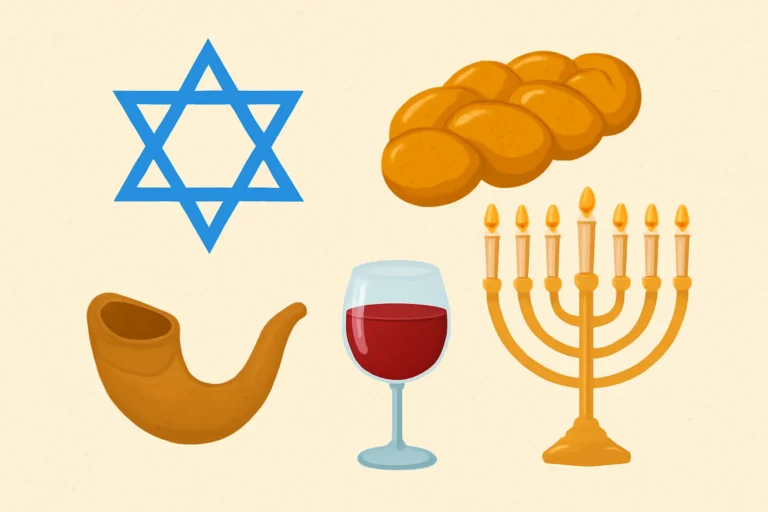
Kiddush over wine or grape juice to sanctify the meal, followed by a blessing over bread (the challah or hafrashat lechem ritual).
Special meals with family and friends, typically featuring two Shabbat lunches and one Friday night dinner in many households.
Prayer services in the synagogue with distinctive liturgy, in both Ashkenazi and Sephardi traditions.
ספר התורה (the Torah) reading portions in some communities, and a season of singing and study rather than routine weekday work.
Beyond the familiar customs, Shabbat is often described as a day to rest from ordinary labor, to focus on family, learning, gratitude, and peace. It is a communal moment when the ordinary week is paused to emphasize timeless themes of freedom, creation, and renewal.
The High Holidays in the Fall: Rosh Hashanah, Yom Kippur, and the Weeks of Sukkot
Rosh Hashanah — The Jewish New Year
Rosh Hashanah marks the beginning of the year with reflection, intention, and sweet hopeful sounds. In many communities, it is observed for two days in the diaspora and one day in Israel. The central imagery includes the blowing of the shofar, a ram’s horn whose blasts summon introspection and a call to renewal. The liturgy and themes emphasize judgment and mercy, as well as the possibility of t’shuvah (repentance) and renewal.
Worship services emphasize prayerful confession and mindful reflection on personal and communal paths forward.
Customs include dipping apples in honey and saying prayers for a sweet year ahead, a reminder of hope and new beginnings.
Honor and memory are expressed through the sounding of the shofar, the shofar blasts that punctuate the day.
Yom Kippur is the holiest day in the Jewish calendar. It is a solemn fast day that focuses on atonement, repentance, and reconciliation with others and with God. The fast typically lasts about 25 hours, from sundown to nightfall the next day, and many attend extended, intensive prayer services in the synagogue.
Fasting is intended to embody restraint and humility and to redirect energy toward spiritual pursuits.
Prohibited activities commonly include eating and drinking, wearing leather shoes for some, bathing, and anointing with oils.
Special prayers, like Kol Nidre (the evening service) and NNilah (the closing service), structure the observance.
Sukkot — The Festival of Booths
Sukkot is a joyous harvest festival that celebrates gratitude for the land and for communal protection. It begins five days after Yom Kippur and lasts seven days, followed by Shemini Atzeret and Simchat Torah. The defining symbol is the sukkah, a temporary dwelling in which families eat their meals and, in some communities, sleep during the festival. Pilgrimage or “Three Harvests” in ancient times is remembered through the agricultural imagery of the season.
The Four Species — etrog (a citrus fruit) and lulav (a palm branch), hadasim (myrtle branches), and aravot (willow branches) — are held together and waved in processions during readings and services.
Special meals in the sukkah emphasize hospitality and openness to guests.
Shemini Atzeret and Simchat Torah conclude the festival cycle with distinct rituals.
Shemini Atzeret and Simchat Torah — Celebration of the Torah
Shemini Atzeret is observed immediately after Sukkot in much of the diaspora, sometimes as a two-day holiday alongside Simchat Torah. Simchat Torah is the festive culmination of the yearly Torah reading cycle, characterized by dancing with Torah scrolls and the completion and restart of the Torah reading cycle. Communities mark this season with hakafot, or processions around the synagogue with Torah scrolls in joyous circles.
Autumn to Winter: Hanukkah, Tu B’Shevat, Purim
Hanukkah — The Festival of Lights
Hanukkah is a rabbinic festival commemorating the rededication of the Second Temple and the miracle of the oil that burned longer than expected. It lasts eight days and nights and centers on lighting candles in a menorah, one candle for each night, plus a helper candle called the shamash. The holiday emphasizes themes of courage, religious freedom, and the power of small acts of devotion.
Each night features blessing, lighting, and typically the playing of dreidles and the sharing of foods fried in oil, such as latkes and sufganiyot.
Gifts or gelt (money) are often exchanged, especially for children, and songs celebrate the miracle and resilience of Jewish life.
Tu B’Shvat — The New Year for Trees
Tu B’Shvat is observed in late winter as a celebration of trees and the land’s renewal. Modern observances often center on environmental stewardship and planting trees, along with festive meals featuring fruit—particularly the seven species associated with the Land of Israel. Some people mark the day with a symbolic Seder, tasting fruits and nuts as a way of connecting to nature and to creation.
Purim — The Feast of Lots
Purim commemorates the events described in the biblical Book of Esther, in which Esther and Mordechai save the Jews in Persia from destruction. It is a day of feasting, reading the Megillah (the Book of Esther), giving gifts of food to friends (mishloach manot), and giving charity to the poor (matnot la’evyonim). Festive costumes and lightheartedness are characteristic, and many communities also perform or attend plays and songs that recount Esther’s courage.
Passover, Shavuot, and the Festival Cycle of Spring
Passover (Pesach) — Freedom and the Seder
Passover is one of the most widely observed Jewish holidays and it centers on the themes of liberation from oppression and the birth of the people’s covenantal identity. The festival can last eight days in the Diaspora and seven days in Israel, with the first two (or first) days typically observed as full Yom Tov days with no work allowed in many communities.
The central ritual is the Passover Seder, a structured meal featuring the reading of the Haggadah, telling the story of the Exodus, and performing symbolic foods and actions that teach about slavery, redemption, and faith.
Avoidance of chametz (leavened bread or products) is a defining practical rule. Homes undergo a thorough search and removal of chametz prior to Passover.
Traditional foods include matzah (unleavened bread), maror (bitter herbs), charoset, and karpas. The order and meaning of these elements are explained during the Seder.
Shavuot occurs seven weeks after the second night of Passover and marks the anniversary of the giving of the Torah at Mount Sinai. The festival emphasizes study, revelation, and gratitude. It is customary to eat dairy foods and to study Jewish texts late into the night, reflecting the “tasting of the Torah.”
In many communities, the Ten Commandments are read, and students and scholars may participate in all-night learning sessions called Tikkun Leil Shavuot.
Special synagogue readings and festive meals characterize the day.
Hanukkah and Purim Revisited in Seasonal Context
While Hanukkah and Purim are described above, they also sit within the broader spring-festival timeline that culminates in Shavuot. They illustrate how Jewish life weaves memory, resilience, and joy into the annual cycle, complementing Passover and Shavuot with themes of courage, redemption, and gratitude.
Other Observances Throughout the Year
Tisha B’Av — A Day of Lamentation
Tisha B’Av is a day of mourning on the ninth of Av, commemorating the destruction of the First and Second Temples and other historical tragedies. It is observed with fasting, the reading of megillot (books of the Bible), and a somber atmosphere. It stands in contrast to the celebratory tone of other holidays and serves as a reminder of human frailty, repentance, and hope for restoration.
In many communities, the day includes the reading of Lamentations and special prayers of repentance.
Some aspects of normal life are restricted, such as food and drink during the day, and the normal enjoyment of music and lavish meals is avoided.
Other Fast Days and Signals of Reflection
Besides Tisha B’Av, there are several fast days and somber days integrated into the calendar. These include fasts such as 11th of Tevet and 17th of Tamuz, as well as the minor fast on Shabbat Nachamu in some communities. Each fast has its own historical or liturgical focus, providing spaces for introspection, communal solidarity, and prayer.
Memorial and Observance Days in the Modern Era
Some days have become central to Jewish memory in the modern era, especially in Israel and in many Jewish communities worldwide. Yom HaShoah (Holocaust Remembrance Day) and Yom HaZikaron (Israeli Memorial Day) are observed with ceremonies, moments of silence, and education aimed at preserving memory and promoting peace. These days are not biblical festival days, but they function as meaningful annual markers that connect past trauma to present responsibility and hope.
One key feature that shapes how you experience Jewish holidays is the addition of a leap month, Adar I and Adar II, in leap years. In a leap year, Purim is observed in Adar II, and the ordering of holidays shifts accordingly. This keeps the agricultural and seasonal associations aligned with the solar year, while preserving the lunar rhythm of months.
Two-Day Observances Versus One Day
Historically, many holidays began with two-day observances to ensure witnesses and calendar calculations were accurate. Today, Israelis observe many holidays for one day, while others around the world still observe two days in certain communities. The practical effect is that the festival will begin and end in a way that reflects the local custom, with the liturgy and meals adapted to the day’s length.
Seasonal Flow of the Year
Although the dates shift on the Gregorian calendar from year to year, the seasonal arc remains consistent: a fall cluster of holidays rooted in the Jewish new year and atonement; a late fall to early winter period of harvest festivals; a winter-to-spring sequence of late winter and spring festivals, culminating in freedom, revelation, and gratitude.
Practical Observances and Everyday Observance Etiquette
Blessings, Candles, and Blessings Before and After
Across the holidays, many blessings accompany acts of holy remembrance and gratitude. Learning to recite brachot (blessings) before eating special foods, lighting candles, or performing a ritual is an important part of Jewish practice. In many homes, the blessing before bread (ha’motzi) and the special blessing over wine or grape juice (Kiddush) are central to Friday night and holiday meals.
Food, Fasting, and Festive Feasts
Most Jewish holidays feature distinctive foods that carry symbolic meanings. For example, matzah during Passover, latkes during Hanukkah, and dairy foods during Shavuot. Some holidays are marked by fasting, while others emphasize feast and generosity. Meals are often times of storytelling, teaching, and communal bonding.
Communal Prayer, Study, and Hospitality
Many holidays encourage increased prayer, Torah study, and hospitality. Shabbat and festivals often involve synagogue services with special liturgy, Torah readings, and songs. The practice of inviting guests, sharing meals with family and friends, and giving to those in need are common across multiple holidays.
Home preparation often includes thorough cleaning to remove chametz before Passover or clean spaces for a festive Shabbat table.
Decorating the home with symbols of the season, such as the menorah for Hanukkah or the sukkah for Sukkot, helps create a sense of seasonal rhythm and sacred space.
Charitable acts, such as giving tz’dakah (almsgiving) during fasts and holidays, reflect the social ethic central to Jewish life.
Variations and Family Practices Across Communities
Across Ashkenazi, Sephardi, Mizrahi, and other Jewish communities, holiday practice can differ in customs, melodies, and liturgical emphases. Still, the core meanings—memory, renewal, gratitude, and ethics—remain remarkably consistent. Some families emphasize particular rituals or add local customs that connect to their broader cultural heritage. For students new to Jewish holidays, attending services in a local synagogue or studying with a Jewish educator can illuminate how different communities interpret common themes.
Glossary of Frequently Used Terms
Shabbat — the weekly day of rest and spiritual renewal from Friday sunset to Saturday night.
Rosh Hashanah — the Jewish New Year, a time of introspection and judgment.
Yom Kippur — the Day of Atonement, the holiest day of the year, marked by fasting and prayer.
Sukkot — the Festival of Booths, celebrating harvest and sheltering under a sukkah.
Shemini Atzeret and Simchat Torah — festivals concluding and restarting the Torah reading cycle.
Pesach (Passover) — liberation from slavery, with a Seder and removal of chametz.
Shavuot — the festival of the giving of the Torah, often celebrated with study and dairy foods.
Hanukkah — the Festival of Lights, commemorating rededication and miraculous oil, celebrated with candles and foods fried in oil.
Purim — the Feast of Lots, celebrating Esther’s salvation of the Jewish people.
Tu B’Shvat — the New Year for Trees, linked to Israel’s flora and environmental reflection.
Tisha B’Av — a day of mourning for historic tragedies, observed with fasting and lamentation.
Frequently Asked Questions About Jewish Holidays
Why do Jewish holidays drift on the calendar? The lunisolar calendar aligns lunar months with solar years to keep seasons in the proper place, which is why holiday dates shift in the Gregorian calendar while preserving their seasonal significance.
What is the difference between biblical and rabbinic holidays? Biblical holidays derive from the Hebrew Bible and describe ancient rituals, while rabbinic holidays were added by later Jewish authorities to commemorate events and themes not specified in the Bible, such as Hanukkah and Tu B’Shvat.
How do communities decide about two-day versus one-day observance? This stems from historical calendar precision and local customs. Diaspora communities often observe two days; Israel typically observes one day.
What roles do families play in holiday observance? Family life is central—shared meals, learning, storytelling, and hospitality reinforce values and identity across generations.
Are there secular aspects to Jewish holidays? Many holidays carry cultural and communal significance beyond religious ritual, influencing music, food, language, and social values in Jewish life.
In summary, the array of Jewish holidays offers a rich panorama of time-bound rituals that connect memory, law, community, and aspiration. From the weekly cadence of Shabbat to the dramatic retellings and harvest celebrations of the fall and spring cycles, these days invite Jews around the world to pause, reflect, and recommit to shared values. While the precise observances vary by community, the underlying purposes remain deeply resonant: to sanctify time, to honor history, to cultivate compassion, and to renew the covenant between people, land, and creator.