What Are the Requirements for Baptism? A Comprehensive Guide to Baptism Eligibility
Baptism is a foundational ritual in many Christian traditions, signaling a person’s entry into the faith community and symbolizing cleansing, new life, and commitment to follow Jesus. Because different churches teach and practice baptism in distinct ways, there isn’t a single universal set of requirements that applies everywhere. This guide offers an extensive overview of common criteria, practical steps, and considerations that help explain baptism eligibility across many communities. It aims to illuminate what people typically need to know before beginning the journey toward baptism, while recognizing that specific churches or denominations may have additional or slightly different expectations.
At its core, baptism is an outward, public sign of inward faith. In most traditions, it represents identification with the life, death, and resurrection of Jesus Christ, a cleansing from sin, and entrance into the fellowship of believers. Baptism is frequently described as a sacramental act or a ceremonial rite that communicates divine grace. While the theological emphasis can vary—some traditions stress the act as a covenantal pledge, others see it as a means through which grace is conferred—most agree that baptism is not merely a personal decision but a communal event witnessed and supported by a church family.
Who Is Eligible for Baptism? Understanding Baptism Eligibility
“Who can be baptized?” is a question asked in many faith communities. The short answer is that eligibility depends on the church’s teaching and practice, but several common threads run through most traditions. The following points describe what is typically considered when evaluating baptism eligibility.
Core Requirements Shared by Many Traditions
Profession of faith or credible belief in Jesus Christ as Lord and Savior, recognizing his life, death, and resurrection.
Repentance and turning toward God—a sincere desire to reorder one’s life in accordance with the Gospel.
A desire to be baptized as a meaningful, voluntary commitment, not merely to please someone else or fulfill tradition.
A readiness to participate in the life of the church, including the practice of prayer, worship, and fellow believers, at least to some degree.
Agreement to live according to the church’s teaching about Christian ethics and community standards.
In practice, most churches distinguish between infant baptism and believer’s baptism (adult or older-child baptism). The ethical and theological emphasis differs slightly between these two paths, but both commonly center on the same underlying convictions: faith, commitment, and membership in a worshiping community.
Infant Baptism: A Special Case
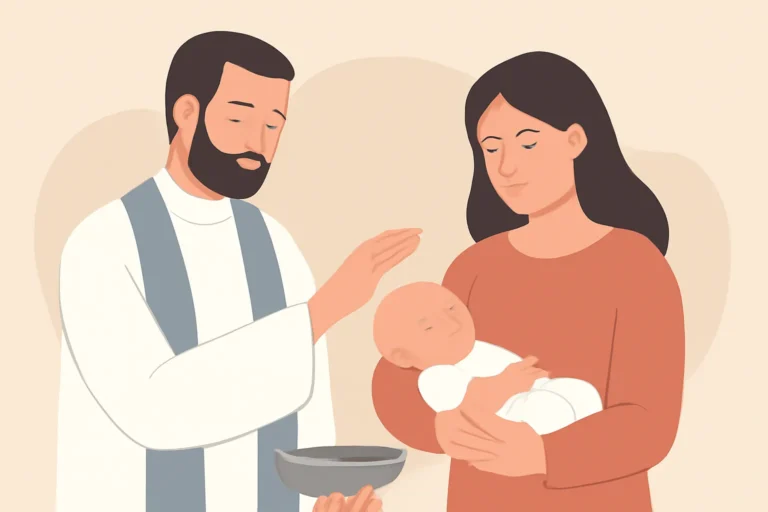
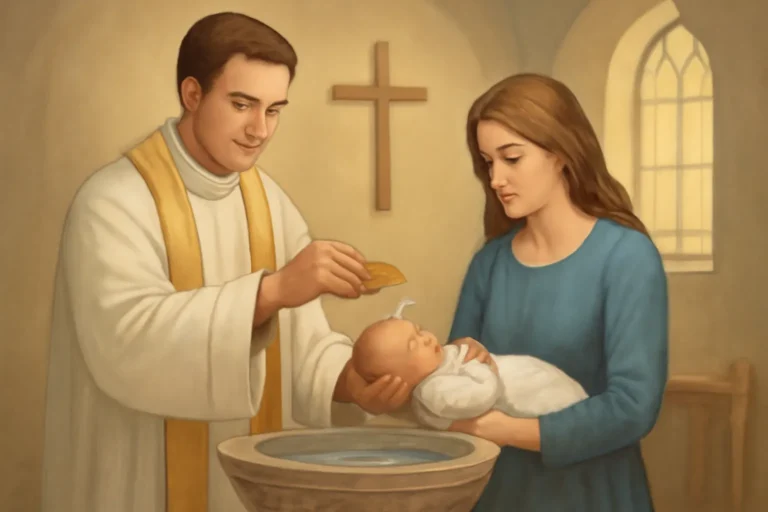
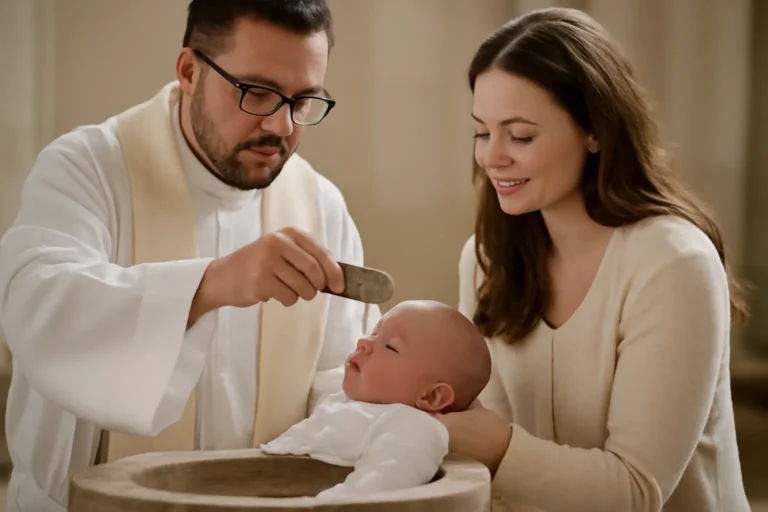
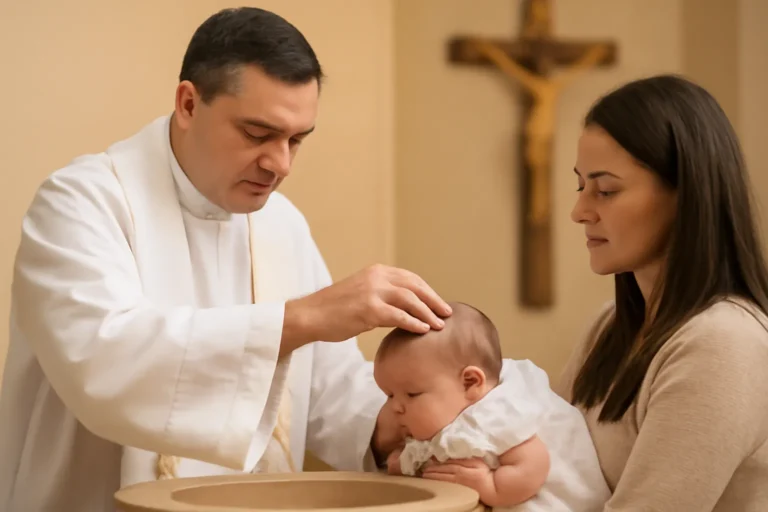
Many Christian traditions that practice infant baptism teach that the child’s baptism initiates them into the covenant community, with the expectation that parents and sponsors will raise the child in the faith. For infant baptism, the eligibility criteria typically include parental consent and a sponsor’s endorsement, along with a plan for catechesis (instruction) and ongoing religious formation for the child. In these contexts, the child’s own personal profession of faith is encouraged at a later age, often through a rite of confirmation or a personal confession at an age when they can articulate their belief.
Believer’s Baptism: Emphasizing Personal Faith
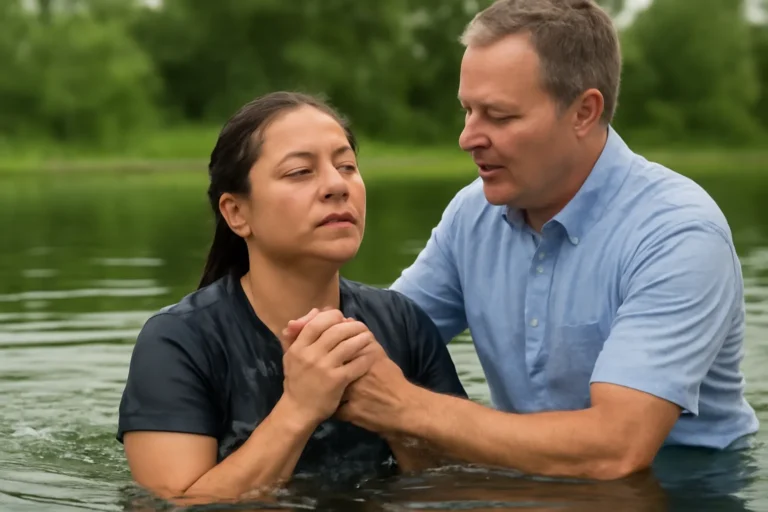
In traditions that emphasize believer’s baptism, eligibility centers more directly on the individual’s personal faith and readiness to publicly declare that faith. Adults and older children who request baptism are usually asked to demonstrate a credible profession of faith, understanding of the Baptismal vows, and a commitment to live as a disciple within the church. Preparation classes or catechesis are frequently required to ensure a sound understanding of the meaning of baptism and the responsibilities it entails.
Age, Maturity, and Readiness for Baptism
Age considerations for baptism vary by denomination, local church policy, and cultural context. The guiding principle across most communities is readiness rather than a strict numerical age. Here are some considerations that often shape decisions about when a person is prepared for baptism.
Infants and Young Children
In communities that practice infant baptism, parents and guardians assume responsibility for naming, instruction, and spiritual formation until the child can participate more directly in the faith life. The pivotal question is whether the child’s life will be shaped by the rhythms of faith through family worship, the parish’s programs, and the example of sponsors. While the child’s own explicit belief may not be required at the time of baptism, many churches expect to see a meaningful, ongoing catechesis plan so the child can grow in understanding over time.
For those who are older than infancy and cannot yet articulate a mature personal faith, churches often require a period of instruction and discernment to help them understand the meaning of baptism and to ensure an informed decision. This preparation can include classes on the teachings of Jesus, the meaning of baptism, and the expectations of being part of a church community. The aim is to help the candidate move toward a confident, voluntary choice rather than a ceremonial gesture.
Adult Confirmations and Re-baptisms
Some individuals who were baptized as infants may later choose to reaffirm their faith through a confirmation rite or, in certain traditions, a reaffirmation of baptism. In these cases, candidates are usually asked to demonstrate continuing faith, ongoing participation in the church, and an understanding of the responsibilities associated with church membership.
Faith, Belief, and Repentance
At the heart of baptism is a personal or familial declaration about one’s relationship with God. While the exact language used to describe beliefs may differ, several themes recur across denominations: belief in the Triune God, trust in Jesus Christ, repentance for sin, and commitment to live according to the Gospel. This section outlines key elements often considered when evaluating faith and readiness for baptism.
Belief in Jesus Christ as the Son of God and Savior.
Acknowledgment of sin and desire for spiritual renewal.
Understanding that baptism is an outward sign of an inward transformation, not a magical act by itself.
Willingness to participate in the church community, including worship, service, and fellowship.
Because belief and commitment are deeply personal, churches typically provide space for inquiry, questions, and dialogue before proceeding with baptism. Some traditions include a formal catechism or creed-focused instruction to ensure that the candidate can articulate what they believe and why baptism matters in their life.
Most churches require some form of preparation before baptism to ensure that candidates understand the significance and obligations of the sacrament. The exact content and format vary, but the following elements appear frequently across traditions.
Introductory classes or catechesis covering the life of Jesus, the Gospel message, and the meaning of the baptismal vows.
Study of basic beliefs, such as the creeds commonly used in the tradition (for example, the Apostles’ Creed or the Nicene Creed).
Exploration of the church’s mission, worship, and community life, including how baptism relates to ongoing discipleship.
Discussion of the meaning of baptismal vows, promises by parents and sponsors in infant baptism, and the responsibilities of the baptized person as a member of the church.
Preparation for the public profession of faith, if applicable, and guidance on what to expect during the baptism ceremony itself.
Preparation often includes prayer, reflection, and opportunities to ask questions. In many congregations, the process fosters a sense of belonging and accountability, helping the candidate to anticipate the lifelong journey that baptism invites them into.
Godparents and Sponsors
In traditions that practice infant baptism or reaffirmation, godparents or sponsors play a critical role. They are people chosen to support the child or believer in their spiritual growth and to stand with the family during the baptism ceremony. The role of a sponsor is both symbolic and practical, involving moral encouragement, religious education, and ongoing participation in the child’s or believer’s faith formation.
Typical Requirements for Sponsors
Be a baptized and usually confirmed member of the church, living consistently in the faith that is being professed.
Be of a suitable age and have the ability to fulfill the responsibilities associated with sponsorship.
Agree to support the candidate’s growth in faith, attend important religious milestones, and model Christian living.
Not be under ecclesial discipline or excommunication in most traditions.
Some churches require sponsors to undergo their own brief preparation or to complete background checks or letters of recommendation, particularly for younger candidates or in contexts with safety considerations. The exact expectations vary by denomination and local policy, so families should consult with their pastor or priest to confirm requirements.
To ensure proper administration and to uphold the integrity of the rite, many churches have a formal process that includes documentation, interviews, and scheduling. While the specifics differ, the general flow remains consistent across most communities.
Contact the church where baptism will occur and express interest. The pastor or baptism coordinator will outline the plan and next steps.
Submit required documentation such as birth certificates for infants, proof of parental consent, and any letters or forms required by sponsors.
Attend pre-baptism classes or sessions as prescribed by the congregation.
Participate in an interview or discernment conversation with clergy to discuss faith, understanding of baptism, and commitments involved.
Confirm readiness through the church’s assessment process, which may include questions, reflection, or demonstration of faith.
Schedule the baptism during a worship service or a special ceremony, as dictated by the tradition and parish calendar.
Some denominations require a baptismal certificate, a sponsor declaration, or a declaration of intent from parents in infant baptisms. Having all the paperwork in order helps prevent delays and ensures that the rite can proceed smoothly on the scheduled date.
Timing, Scheduling, and the Baptism Rite
The timing of baptism often reflects the liturgical calendar and the congregation’s customs. Some churches prefer to baptize on special days such as Easter or the Day of Pentecost, while others offer baptism during regular Sunday services or dedicated ceremonies. Understanding the timing helps families plan for travel, child care, and participation in the surrounding worship life.
Infant baptisms are frequently arranged in coordination with the family’s schedule and often during a Sunday service or a dedicated baptism day.
Believer’s baptisms are commonly scheduled after a period of instruction, reflection, and a public confirmation of faith.
Some churches also arrange private baptisms for special circumstances, such as acute illness or emergency needs, followed by a public acknowledgment when possible.
During the baptism rite itself, certain elements are commonly included: the profession of faith by the candidate (or the parents and sponsors’ statements on the child’s behalf), the adoption or renunciation of sin, the invocation of the Trinity, immersion or sprinkler/effusion of water (depending on tradition), and the pronouncement of the baptized person as a member of the church. The exact form and symbolism vary, but the underlying meaning remains consistent: a new life in Christ and a formal entrance into the faith community.
Differences Among Denominations
Baptism is practiced in many Christian traditions, and the theological emphasis, method, and conditions can differ. Understanding these distinctions helps people navigate questions about eligibility and practice across communities.
Infant Baptism vs Believer’s Baptism
Infant baptism emphasizes the community’s commitment to raise the child in the faith and to nurture spiritual growth through parents and church involvement.
Believer’s baptism emphasizes personal faith and a conscious, voluntary decision to follow Christ, often accompanied by a public profession of faith and a personal statement.
Mode of Baptism: Immersion, Sprinkling, or Pouring
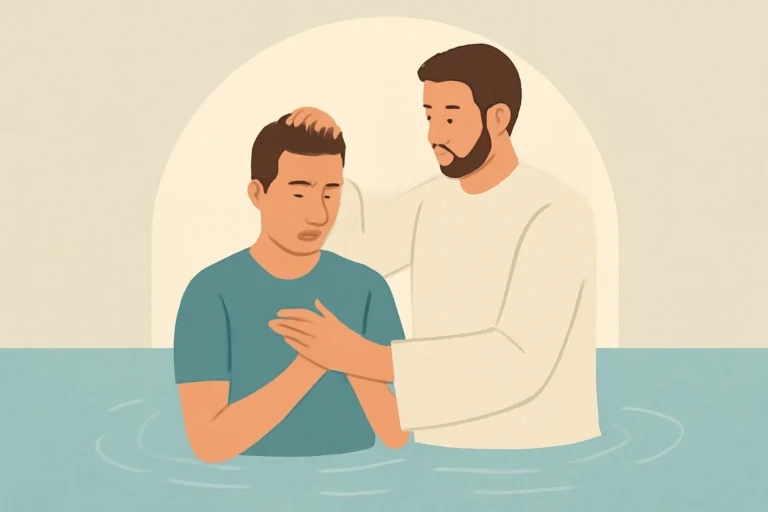
Immersion involves fully submerging the person in water and is common in many evangelical and some Orthodox contexts.
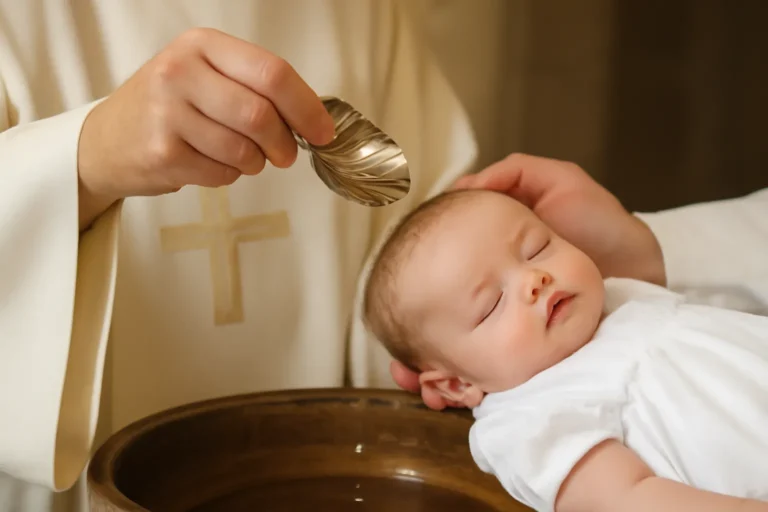
Sprinkling or pouring of water is typical in Catholic, Anglican, Lutheran, and several other traditions, symbolizing cleansing and new life without full immersion.
Requirements for Sponsors and Confirmation
Some traditions require sponsors to be actively practicing members; others may require confirmation as part of eligibility for sponsorship.
In certain denominations, children or youth who are under a certain age may not be eligible to serve as sponsors until they have completed specific classes or rites.
Because these variations influence eligibility and the process of baptism, candidates should consult directly with their local church leadership to understand the precise requirements for their context.
To help people navigate practical concerns, here are answers to common questions about baptism eligibility and preparation. If your church has additional policies, always defer to local guidance.
Is baptism necessary for salvation? Opinions differ among traditions. While many affirm that baptism is a vital sign of faith and a means of grace within a church’s life, others emphasize personal faith in Christ as the essential criterion, with baptism as a subsequent step in discipleship.
Do I need to be a member of a church before baptism? In infant baptism, membership is often tied to baptism itself and parental commitments. For believer’s baptism, churches typically require some period of catechesis and integration into the faith community before or at the time of baptism.
What if I have a health issue or emergency? Some churches perform emergency baptisms if there is imminent danger of death, recognizing baptism as a powerful sign of new life in such moments.
Can someone be baptized if they have not been baptized before? Most traditions view baptism as a once-for-a lifetime rite and do not repeat baptism, unless a form of re-baptism is recognized in exceptional circumstances and by the church’s authority.
Are there prerequisites for sponsors? Yes. Sponsors generally must be baptized (and often confirmed), must be in good standing with the church, and must demonstrate a clear commitment to supporting the candidate’s spiritual growth.
If you are considering baptism, the following practical steps can help you move forward with clarity and confidence. They are designed to guide you through preparation and ensure you enter the rite with understanding and intention.
Contact a local church whose beliefs align with yours and inquire about baptism dates, requirements, and next steps.
Attend introductory conversations or classes that explain the meaning of baptism, church beliefs, and the commitments involved.
Identify sponsors or godparents if infant baptism is involved, and discuss the role and expectations with them well in advance.
Obtain any required documentation such as birth certificates (for infants) or letters of eligibility for sponsors.
Participate in catechesis or preparation sessions to build a solid understanding of the faith and the baptismal covenant.
Pray and reflect on your personal faith journey, repentance, and desire to begin or renew a life in Christ.
Schedule the ceremony in coordination with the church calendar, ensuring you and your family can participate fully in the service.
Prepare for the ceremony day by reviewing the vows, the liturgy, and the responsibilities that come with baptism within your tradition.
Beyond the ceremony itself, consider how baptism will shape ongoing life in the church. Plan to engage in regular worship, Scripture study, baptismal formation programs, and opportunities to serve others as a way of living out the new life you are professing.
Practical Considerations and Best Practices
To ensure that baptism is experienced as a meaningful and supported milestone, here are some practical tips and best practices commonly encouraged by churches.
Clarify denomination-specific details early in the process to avoid confusion about requirements, vows, or the meaning of the rite.
Involve family and community by inviting members who will participate in the ceremony, pray for you, and support your faith journey afterward.
Review pastoral guidance on how to live out the baptismal commitments in daily life, including worship, service, and ethical conduct.
Respect the liturgical rhythm of the church calendar and the service structure to help the congregation welcome the new member in a way that honors the shared faith.
Honor sponsor responsibilities by maintaining ongoing communication with the church about the candidate’s growth and milestones.
Conclusion: Embracing the Path Ahead
While the specifics of baptism requirements may vary from one church to another, the central purpose remains consistent: baptism is a meaningful entry into the life of a faith community, rooted in faith, repentance, and a deliberate commitment to live as a disciple of Christ. By understanding the typical criteria, preparing carefully, and engaging with qualified church leadership, individuals and families can approach the rite with clarity, reverence, and joy. Whether your path to baptism begins with infant dedication or a conscious decision in adulthood, the journey is ultimately about aligning your life with the love and grace that the tradition proclaims and celebrates.
If you would like, I can tailor this overview to a specific denomination or local church policy you have in mind, adding the exact steps, forms, and timelines that apply in your context. The key idea remains the same: baptism is the church’s invitation to participate in a lifelong journey of faith, community, and transformation.