Garden of Gethsemane Location: Map, History, and How to Visit
The Garden of Gethsemane is one of the most storied sites in Jerusalem, a place steeped in religious
memory and cultural significance. Sitting at the foot of the Mount of Olives and facing the Old City of Jerusalem, this grove of ancient olive trees is closely linked with the events
of the Passion narratives. This article explores the garden location in its modern context, traces
its historical timeline, and offers practical guidance for visitors who want to experience the site
responsibly and meaningfully.
The Garden of Gethsemane is located on the southwestern slope of the Mount of Olives, just
outside the walls of the Old City of Jerusalem. Its position directly faces the Kidron Valley and is easily
reachable from the historical core of the city. The emphasis here is on the grove itself, a protected area that sits
within a larger church complex.
You will often see references to this site as “Gethsemane” or as the Gethsemane garden when people
discuss the olive trees and the surrounding church buildings. To visitors, the most practical description is that the
grove lies at the base of the Mount of Olives, opposite the Old City walls, with the main ceremonial and liturgical
spaces located within a nearby church complex.
For those who like to see things on a map or want to plan a route, an online map can guide you to the Garden of Gethsemane
by searching for “Garden of Gethsemane, Jerusalem”. The map view shows the grove as well as
the surrounding streets and landmarks such as the Church of All Nations (also called the Basilica of the Agony).
Interactive Map
Use the map below to get a sense of the spatial relationship between the Garden of Gethsemane, the Old City walls, and nearby landmarks. The map also helps you plan transit routes from central Jerusalem or from the airport.
Historical Background: From Ancient Grove to Modern Place of Pilgrimage
The Gethsemane garden has roots in antiquity, and its name itself offers a clue to its early purpose. The term “Gethsemane” derives from a Semitic root that is commonly interpreted as “oil press,” referring to the
grove’s long association with olive trees and the production of olive oil. Over centuries, the site became a natural
sanctuary and a place of reflection, especially in the context of Jerusalem’s diverse religious communities.
In the Christian tradition, Gethsemane is famous as the place where Jesus and his closest disciples prayed
on the eve of the crucifixion. The drama and emotional intensity of that moment have made the garden a focal point for
pilgrims, scholars, and travelers who seek to understand the events of Holy Week and the broader narrative of the
Passion. While the precise dating of the olive trees is difficult, the grove has been tended and maintained across
centuries by different religious authorities and local communities, helping to preserve a living link between the ancient
landscape and contemporary worship.
The site’s architecture reflects a layered history. The small church and the surrounding structures we see today sit near a
larger religious complex that has evolved through Crusader, Ottoman, and modern periods. The most recognizable modern building
in the immediate vicinity is the Church of All Nations—also known as the Basilica of the Agony—which
was completed in the early 20th century at the location of the historic sacred precinct.
Ancient Olive Trees and the Grove
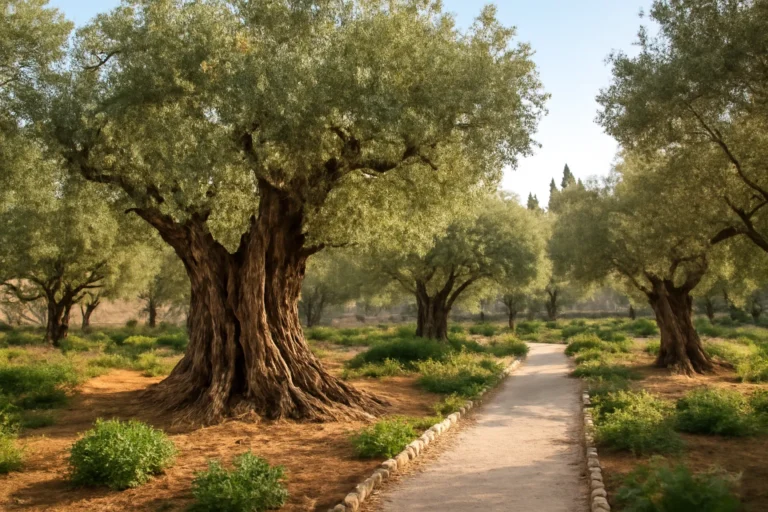
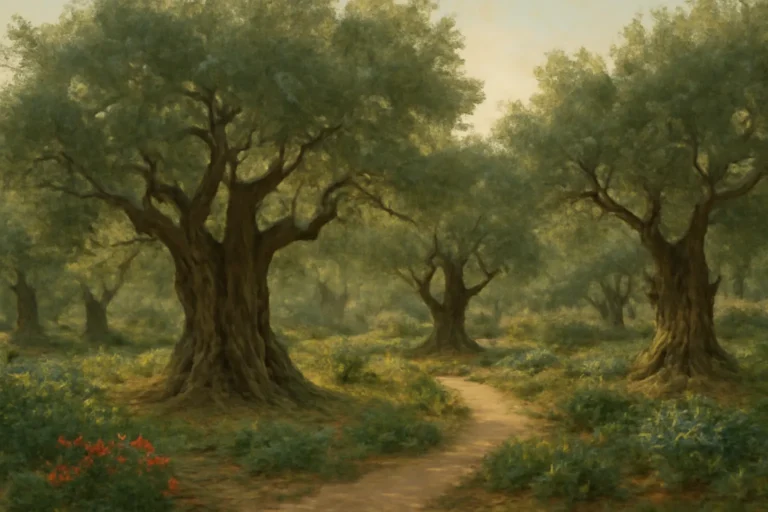
A central element of the Gethsemane grove is its collection of olive trees. Some trees are believed
to be very old, though dating the individual trunks precisely is challenging. The grove is often described as having trees
that are several centuries old, with legends that attach even larger ages to a few surviving specimens. Conservation concerns
and the natural life cycle of olive trees mean that the grove is a living, changing landscape, where new growth and careful
pruning coexist with historical reverence.
The Church Complex and the Gethsemane Ensemble
The modern Church of All Nations anchors the garden complex and creates a physical bridge between the sacred
heritage of the site and the everyday life of visitors. The church’s architectural design emphasizes unity, dignity, and a
contemplative atmosphere suitable for prayer and quiet reflection.
Within the same precinct, you will often encounter other chapels, courtyards, and viewing areas that allow visitors to pause
and contemplate the theological and historical significance of Gethsemane. The interplay of sacred space,
natural beauty, and archaeological remnants makes the Garden of Gethsemane an especially evocative place to study
religious history in the modern era.
The Basilica of the Agony: Architecture and Purpose
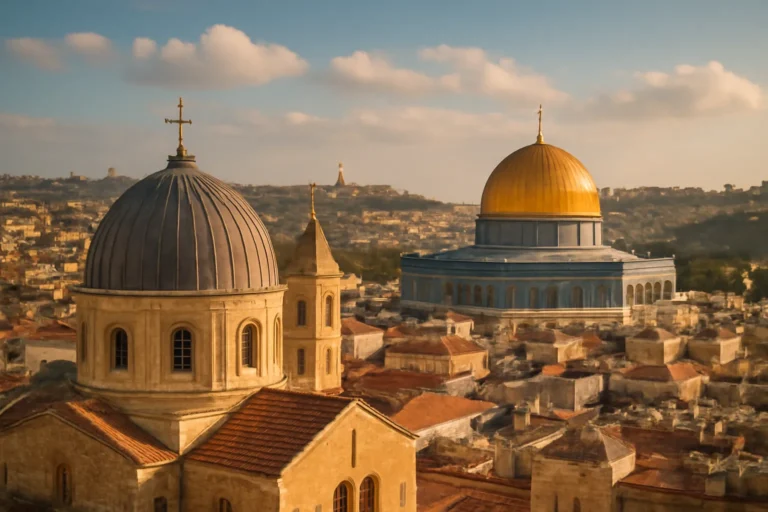
The Basilica of the Agony, commonly referred to as the Church of All Nations, is intended to be
a universal place of prayer. It is built into the hillside and features a domed structure with a striking set of windows
and mosaics. Although the church is separate from the grove itself, its proximity means that visitors often experience a
seamless transition between liturgical spaces, the contemplative garden, and the surrounding cityscape.
How to Visit: Practical Guidance for Exploring the Garden and its Surroundings
For travelers and pilgrims, planning a visit to the Garden of Gethsemane means balancing spiritual interests with practical
considerations. The site is commonly accessible during daylight hours, and many travelers combine a stroll in the olive grove
with a visit to the adjacent church complex. Below are practical tips to maximize your experience while respecting a place
that holds deep significance for many.
Hours, Access, and Tickets
Hours: The garden and church complex are typically open during daylight hours. Exact times vary by season and
local events, so it is wise to check current schedules before you go.
Admission: There is usually no separate fee to walk through the public areas of the garden. Some parts of
the church compound may require a small donation or a guided tour to access, especially if liturgical services are in progress.
Guided tours: If you prefer context-rich exploration, consider a guided tour that includes the garden, the
Church of All Nations, and nearby sites on the Mount of Olives. Guides can provide historical, biblical, and architectural
perspectives that enrich the visit.
Accessibility: Accessibility varies by pathway and level. Some older paths near the trees are uneven,
so plan ahead if you require mobility accommodations. The church spaces generally provide accessible routes where available.
Early morning or late afternoon light is ideal for photography and for a more serene experience before crowds rise.
During spring when wildflowers and olive foliage are vibrant, or in autumn when the light is soft and golden.
Consider pairing the garden visit with a stroll around the Mount of Olives and a stop at other nearby sites like Dominus Flevit and
the Chapel of the Ascension for a fuller sense of the landscape that frames the city.
What to Expect Inside the Church Complex
Quiet spaces for personal prayer and reflection, with a focus on the Passion narrative.
Chapel spaces and artworks that reflect biblical themes associated with Gethsemane and the events leading up to the crucifixion.
Interpretive plaques and signage that explain the historical layers of the site and the significance of the olive grove.
Respectful Visiting Tips
Dress modestly; shoulders and knees should be covered when entering church buildings.
Maintain a reverent conduct in sacred spaces; keep voices low and avoid loud photography during prayers or services.
Do not touch or remove olive leaves or bark from the trees; adhere to official paths and signage to preserve the grove.
Photography is usually permitted in outdoor areas, but may be restricted inside certain chapels or during liturgical celebrations.
Why the Garden of Gethsemane Matters: Cultural and Theological Perspectives
Beyond its biblical associations, the Garden of Gethsemane is a living cultural site that has inspired artists, writers,
and researchers for generations. The interplay of natural history and human memory here
invites visitors to consider questions about faith, history, and the way places are stewarded through time.
For some, the grove represents the tension between fear and resolve that is described in sacred texts. For others, it is a place
where ancient landscapes meet modern urban life, offering a moment of quiet among the walls of an old city that has seen
millennia of change. The multifaceted significance of the site—religious, historical, environmental—makes it a compelling
destination for readers who want to understand not just where the Garden of Gethsemane is located, but why it continues to resonate.
Terminology and Variants: Different Ways to Refer to the Same Site
When researching or describing the area, you may encounter several interchangeable phrases that point to the same
physical place. These semantic variants help capture different facets of the site:
Garden of Gethsemane (most common)
Gethsemane olive grove (emphasizes the grove and its trees)
Gethsemane Garden (alternative order of terms)
Gethsemane at the Mount of Olives (geographic emphasis)
Basilica of the Agony or Church of All Nations (the adjacent church complex)
Olive grove at the foot of the Mount of Olives (descriptive phrase for visitors)
Using these variants interchangeably in writing can improve semantic breadth and help readers locate related information
about the site. Each name emphasizes a different aspect—geography, botany, liturgy, or history—while pointing to the same
sacred landscape that has drawn people for centuries.
Nearby Attractions and a Full Day Plan
A visit to the Garden of Gethsemane pairs well with a broader itinerary that explores the Mount of Olives and the
surrounding districts. Here are ideas for enriching your day beyond the grove:
Dominus Flevit Church on the Mount of Olives offers a distinctive architectural setting and a beautiful view over the Old City.
Saint Mary Magdalene’s Monastery and its striking modern bell tower provide a contrasting spiritual mood nearby.
The Church of the Pater Noster (the Lord’s Prayer Church) is another place connected to contemplative prayer and the hillside area.
The Chapel of the Ascension near the Old City walls presents a complementary layer to the Gospel narrative tied to this landscape.
Old City exploration—consider a walk through the Jezreel or Kidron valley corridors to gain geographic orientation around historic Jerusalem.
As you plan a day that includes the Garden of Gethsemane, you can structure your visit to maximize both educational value and
personal reflection. A practical approach is to begin with a morning visit to the grove and the Church of All Nations, then
allocate time for lunch in a nearby neighborhood and a stroll on the Mount of Olives ridge to observe the city from above.
Conservation, Stewardship, and the Living Landscape
The Garden of Gethsemane is not only a historical site; it is a living ecosystem that requires ongoing care. The grove’s olive trees and the surrounding flora rely on careful horticultural practices, seasonal pruning, and
sustainable water management. The responsibility for the site’s upkeep is shared among religious institutions and civic
authorities, with a focus on preserving the grove’s character while ensuring that visitors can experience the space with
reverence and safety.
Conservation efforts also consider the integrity of the adjacent architecture. The Basilica of the Agony
and other historic structures benefit from maintenance programs that protect both architectural features and the sacred atmosphere
that draws millions of visitors each year. In many respects, the Garden of Gethsemane represents a model of how
historical landscapes are cared for in a way that honors both memory and contemporary use.
Practicalities for the Modern Visitor
If you are planning a trip that centers on the Garden of Gethsemane, keep these practical notes in mind to ensure a smooth
and respectful experience:
Check current hours and any special events on the official pages or at information desks in Jerusalem.
Wear comfortable shoes; some paths around the grove can be uneven and involve gentle stairs or slopes.
Carry water, especially in warmer months, and bring sun protection for midday exploration on outdoor soil and stone paths.
Respect the sanctity of worship spaces; observe signage and follow local guidance when entering chapels or liturgical spaces.
Bring a camera or smartphone for photography, but avoid intrusive flash in interior spaces during services.
Expanding Your Understanding: Reading Suggestions and Contextual Resources
For readers who want a deeper dive into the Garden of Gethsemane and its setting, several resources blend biblical scholarship
with historical geography. Consider consulting a mix of sources that cover:
Biblical studies on the Gospel accounts of Jesus in Gethsemane to understand the narrative layers.
Historical geography of Jerusalem, the Kidron Valley, and the Mount of Olives to situate the site in its broader landscape.
Architectural histories of the Church of All Nations and related religious buildings that form the surrounding precinct.
Religious traditions surrounding pilgrimage sites in Jerusalem, including how different communities relate to the same sacred spaces.
In sum, the Garden of Gethsemane location offers more than a historical footnote; it invites visitors to linger
where landscape and memory intersect. Whether you come driven by spiritual curiosity, academic interest, or a desire to walk in the
footsteps of countless pilgrims, the grove and its adjacent sanctuaries provide a powerful, tangible link to a pivotal moment in
world history. By approaching the site with care and curiosity, you can gain a richer understanding of both the geography and the
significance of this remarkable place at the edge of the Old City and the Mount of Olives.