Jewish Sabbath Rules: A Comprehensive Guide to Shabbat Observance and Practices
The Shabbat is more than a day off; it is a structured rhythm of time that invites rest, reflection, family, and spiritual renewal. Across generations and communities, people have developed practices that sanctify the day while adapting to changing circumstances. This guide offers a thorough overview of the core rules, common customs, and practical distinctions that shape Shabbat observance in traditional and contemporary Jewish life. It also highlights how different communities approach the same principles, from candle lighting on Friday evening to the blessing of Havdalah marking the end of Shabbat.
What Shabbat Represents: Core Principles and Purpose
Shabbat is anchored in the biblical commandment to cease from labor and to sanctify time. The central ideas include rest, holiness of time, family and community, and an emphasis on study, prayer, and acts of kindness. While the details vary among communities, there is a shared aim: to set aside ordinary weekday concerns and to dedicate hours to spiritual nourishment, gratitude, and peaceful cadence. Observers speak of creating a weekly gathering of sacred space within the everyday home, synagogue, and street, where ordinary actions become opportunities for meaning.
In practice, this means balancing strict rules with practical flexibility. On one hand, the traditional framework outlines explicit prohibitions and performable tasks confined to the melachot—the categories of work forbidden on Shabbat. On the other hand, the experience of Shabbat is shaped by intention, community norms, and halachic (Jewish legal) decision-making that has evolved over centuries. The result is a day that can feel both timeless and deeply personal, a shared structure that accommodates diverse voices and circumstances.
Timing and Boundaries: When Shabbat Begins and Ends
Timing is a defining feature of Shabbat, marking a clear transition from weekday routines to a sanctified Sabbath. In most Jewish communities, Shabbat begins on Friday at sunset or a fixed candle-lighting time determined by local practice, and ends on Saturday night after three stars appear in the sky, a time called tzeit hakeh or tzeis in many communities. The period between Friday evening and Saturday night is the frame in which all Shabbat rules apply.
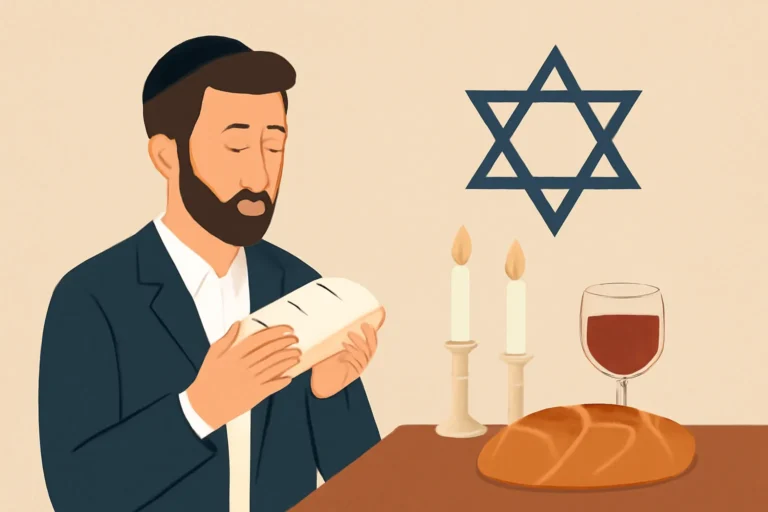
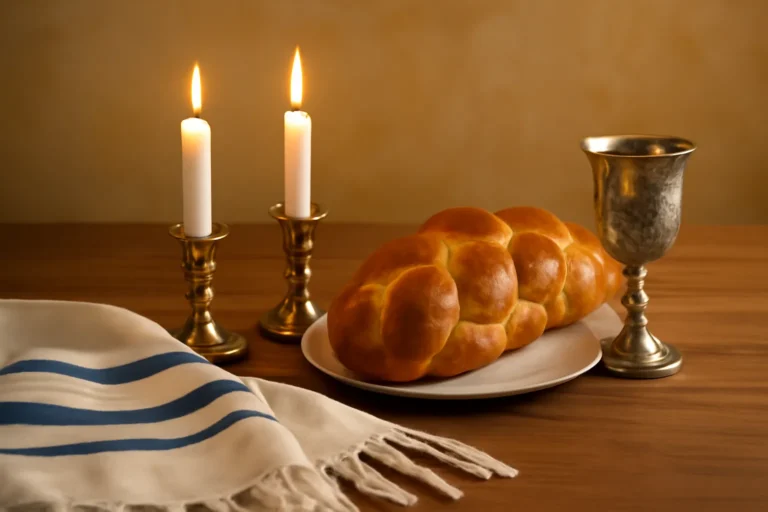
Candle lighting signals the arrival of Shabbat. Traditionally, women light two candles (sometimes more, depending on family custom) about 18 minutes before sunset, though many communities tailor this time to fit their local schedule. The lighting is often accompanied by a blessing blessing the sanctification of the day.
Beginning and end times can vary according to locale and tradition. Some communities begin the day at sunset on Friday, while others wait until stars are visible on the horizon. Similarly, Havdalah, the service that separates Shabbat from the weekday week, is recited after nightfall on Saturday, when the first appearance of stars marks the end of Shabbat for many traditions.
Two distinct atmospheres characterize the day: Friday evening with a focus on welcoming Shabbat through song, prayer, and a festive meal, and Saturday with communal services, Torah study, rest, and Seudah Shabbat, the festive meals that punctuate the day.
In addition to these fixed times, many families and communities observe additional boundaries to preserve the sanctity of the day. These include restrictions on travel, use of electronic devices, and engaging in work-like activities, all calibrated to the norms of their particular tradition. The result is a rhythm of light and quiet, punctuated by prayer, meals, and learning.
The 39 Melachot: Prohibited Work on Shabbat (Overview and Practical Implications)
Traditionally, Jewish law identifies a framework of prohibited types of work known as the melachot, often described as the 39 categories of labor restricted on Shabbat. The exact list originates in the Mishnah and has been interpreted and expanded by later legal authorities. Rather than attempting to memorize every item, many readers benefit from understanding the major classes and the kinds of activities they cover. The categories emphasize actions that change the nature, form, or function of things, or that demonstrate mastery of a craft in a way that resembles labor.
Among the core ideas are prohibitions against activities that would create or modify something in a way akin to the work of the week. Important practical implications include the following:
Fire and heat: kindling, lighting, and extinguishing—Many communities prohibit lighting a flame or turning on a heat source on Shabbat. Extinguishing a flame is also restricted in a way that varies by tradition. These sensitivities influence cooking and food preparation on Shabbat and shape the use of pre-cooked meals or purpose-built equipment.
Cooking and food preparation—Activities like cooking, baking, or reheating food are generally avoided unless prepared before Shabbat or permitted through specific allowances (e.g., certain types of warming devices or emergency needs). The concept of bishul (cooking) and bishul akum (cooking by a non-Jew) is encountered in many communities and affects practical decisions about meals.
Writing, erasing, and creativity with ink or graphite—Writing or erasing is typically forbidden, which has implications for activities such as journaling, typing on certain devices, or making marks on materials.
Carrying in public domain (hotza’ah)—Carrying objects outside a private domain is usually prohibited unless an eruv is in place, or the object is classified as muktzeh (set aside and not to be moved) in a way that permits movement for essential needs.
Domestic and craft work—Building, demolishing, weaving, tearing, and similar crafts are traditionally restricted, shaping how households prepare and renovate spaces during Shabbat.
Harvesting and harvesting-related activities—Planting, reaping, threshing, and related agricultural acts are forbidden, underlining the distinction between Shabbat rest and weekday labor.
Transferring between forms and channels—Changing the state or form of objects, including transferring items between vessels or spaces in ways that are associated with weekday tasks.
Measuring and filtering—Certain actions that involve counting, measuring, or altering a product’s form are restricted.
In practice, most households operate with a combination of strict adherence and practical adjustments. For example, families often use pre-cooked meals, warmers and timers to maintain heat without cooking, and specific schedules that minimize the need to perform disallowed actions during Shabbat. Communities differ in their approach to electricity and appliances; some allow limited use through certain configurations or rabbinic leniencies, while others prohibit certain uses entirely. The goal is not merely to observe rules but to cultivate a day that feels set apart and serene.
Practical Observances: Rituals, Meals, and Daily Patterns
Shabbat is known for a sequence of rituals that help frame the day and create a cohesive experience of holiness. While individual customs vary, the following elements are commonly observed across many Jewish communities:
Candle lighting and welcoming Shabbat — The Friday evening ritual sets a welcoming atmosphere and signals the transition from ordinary time to sacred time.
Kiddush over wine or grape juice — A blessing recited to sanctify Shabbat on Friday night and again at the Shabbat daytime meal, linking the physical act of drinking with gratitude for creation and redemption.
Two Shabbat meals (Kiddush and Seudah): a festive Friday night meal and a midday Shabbat meal on Saturday, typically featuring multi-course courses, songs, and discussion.
Birkat HaMazon — Grace after meals, with some families including additional songs or psalms during Shabbat meals.
Torah reading and prayer services — Shabbat morning services often include Torah readings, aliyot, and Musaf, a special additional service for Shabbat.
Rest and study — Shabbat provides time for study, personal reflection, and rest, balancing communal obligations with private contemplation.
Havdalah — The ceremony that marks the end of Shabbat, typically including the blessing over wine, spices, and a braided candle, followed by a transition back to the weekday week.
Lighting Candles and Welcoming Shabbat
The candle-lighting ritual is a central opening gesture for many households. It creates a physical and symbolic barrier between the ordinary weekday realm and the sanctified Shabbat. Some families recite special blessings, sing songs, or invite children to participate in the lighting to involve the entire household in the moment of entering Shabbat.
Kiddush and the Meals
The Kiddush blessing is recited over a cup of wine or grape juice to acknowledge the sanctity of Shabbat. It typically occurs at the start of the Friday night meal and again at the Shabbat daytime meal. The meals themselves are festive and often feature traditional dishes, songs, and discussion about the week’s meaning. The day’s meals strengthen family bonds and provide a space for hospitality to guests.
Many communities observe a third meal on Shabbat afternoon, known as Seudah Shelishit. While this meal is lighter than the first two, it remains a cherished opportunity for lingering meals, study, and singing, often punctuating the day’s slower tempo with warmth and conversation before the onset of evening.
Havdalah: Closing Shabbat
Havdalah is the concluding ceremony that separates Shabbat from the comings and goings of the weekday week. It involves blessings over wine, spices to recall the sweetness of Shabbat, and a braided candle whose flame is used to symbolically distinguish the secular from the sacred. The benedictions acknowledge the creation of the world and the command to distinguish between holy and common time.
Prayer, Torah, and Study on Shabbat
Worship and study form a central axis of Shabbat practice. The mornings are often structured around synagogue services, Torah reading, and the Musaf service, which commemorates the additional sacrifices that were offered in the Temple on Shabbat. In modern practice, the Musaf service is a liturgical expansion that fits the peaceful, contemplative mood of the day. Families and individuals may also engage in personal study, conversation about the week’s events, or communal lectures following the morning readings.
Torah portions are read in weekly cycles during Shabbat. The public reading is typically followed by a sermon or commentary, which can be a moment of communal learning and discussion.
Prayers and melodies vary by tradition, with some communities emphasizing the musical cadence of Shabbat prayers and others prioritizing more measured, contemplative recitation. The overall tone aims to elevate the heart and mind, aligning spiritual intention with daily life.
Living with Modern Life: Technology, Eruv, and Practical Adaptations
In today’s world, many households navigate Shabbat rules while maintaining communication, safety, and convenience. Several practical adaptations help balance reverence for the day with contemporary needs:
Electricity and devices—There is wide variation in how communities handle electricity on Shabbat. Strictly Orthodox communities often limit or prohibit turning lights, adjusting thermostats, using phones, or operating appliances. More liberal communities may permit certain uses through rabbinic interpretations, or rely on pre-programmed devices, timers, or unplugging items to avoid direct action on Shabbat.
Eruv—An eruv is a symbolic boundary that allows carrying within a defined area, converting private and public domains into a larger shared domain for the purposes of Shabbat. When an eruv is in place, activities that would otherwise be restricted become permissible within its perimeter, facilitating family life, walking, and social connection on Shabbat.
Planning and preparation—Families often plan meals, heating, and lighting in advance to reduce the need for work-like actions during Shabbat. Pre-cooked foods, warmed dishes, and minimal food handling during Shabbat are common strategies across communities.
Technology use with nuance—Some communities permit certain electronic activities using grantings from halachic authorities, while others avoid any use that would compromise the sense of Shabbat as distinct from the rest of the week. The approach is often shaped by rabbinic guidance and community norms.
Regional and Denominational Variations: Orthodox, Conservative, Reform, and Beyond
Shabbat practices are not a single uniform set of rules. They reflect centuries of interpretation and the diversity of Jewish life. Three broad families illustrate how communities approach Shabbat:
Orthodox communities tend to adhere to the strict boundaries described in traditional sources. They emphasize the 39 melachot, prefer candle-lighting obligations as a primary signal of Shabbat, and often restrict the use of electricity and modern devices. Shabbat services are methodical, with careful attention to the entire ritual order and to the sanctity of time.
Conservative communities balance traditional rules with a willingness to adapt certain practices in light of modern life. They may permit some use of electricity under rabbinic guidance and emphasize communal participation and study as central components of Shabbat.
Reform and Reconstructionist communities frequently reinterpret or relax certain restrictions, focusing on the ethical and spiritual values of Shabbat—rest, family, and contemplation—rather than strict adherence to the 39 categories. They often incorporate creative liturgy, inclusive language, and varied approaches to ritual observances.
Across all streams, the core intention remains: to sanctify time, nurture relationships, and elevate daily life through deliberate acts of rest, gratitude, and learning. Individuals and families often craft personal practices that reflect their beliefs, levels of observance, and community expectations, creating a rich tapestry of Shabbat life that is both rooted in tradition and responsive to contemporary needs.
Common Questions and Clarifications: Practical FAQs
Can I drive on Shabbat? Depends on community norms. Many Orthodox communities discourage driving on Shabbat, reserving it for essential needs within a halachic framework. Some individuals in diverse communities may drive to synagogue or family gatherings with rabbinic guidance.
Is electricity allowed? The answer varies. Some communities avoid turning on lights, TVs, or devices, while others permit certain uses with restrictions or through the use of timers and pre-set devices.
What about cooking on Shabbat? Cooking is typically avoided unless the food was prepared before Shabbat and kept warm with permissible methods, such as insulated pots or warming devices that were arranged prior to Shabbat.
May I handle money or write on Shabbat? In many traditions, both money handling and writing are restricted activities, though some communities implement sensible allowances for life-sustaining needs or programs with rabbinic authorization.
What makes Havdalah special? Havdalah marks the end of Shabbat with blessings over wine, spices, and a candle, creating a sensory transition from holiness to weekday life.
Glossary of Key Terms
Below is a concise glossary of terms frequently encountered in discussions about Shabbat. Bold terms indicate concepts you are likely to encounter in texts, classes, or conversations.
Shabbat — The weekly day of rest and holiness, observed from Friday evening to Saturday night in most Jewish communities.
Melachot — The 39 categories of labor traditionally forbidden on Shabbat.
Candle lighting — The ritual act that signals the beginning of Shabbat, typically performed on Friday evening.
Kiddush — The blessing over wine or grape juice that sanctifies Shabbat at meals.
Seudah — A festive Shabbat meal; there can be multiple meals throughout the day (e.g., Seudah Rishona and Seudah Shlishit).
Birkat HaMazon — Grace after meals; recited after Shabbat meals.
Musaf — The additional Shabbat service in the morning, reflecting the special nature of Shabbat.
Havdalah — The ceremony at the end of Shabbat separating the sacred from the secular week.
Eruv — A ritual boundary that permits carrying in a public domain within a defined area.
Muktzeh — Objects designated as unmovable or set aside for Shabbat, not to be handled.
Bishul and Bishul Akum — Rules related to cooking (and cooking by a non-Jew).
Practical Tips for Families and Learners
If you are new to Shabbat practice or exploring how to bring it into family life, consider these practical steps:
Plan ahead—Prepare meals, setting, and clothing before Shabbat begins to minimize weekday-style work after sunset on Friday.
Create a welcoming atmosphere—Involve children in candle lighting, blessing, and singing. A shared family ritual can deepen the sense of sanctity.
Use pre-set devices—If your tradition allows, use timers and pre-programmed settings for lights or appliances to maintain Shabbat ambiance without direct weekday actions.
Study and reflection—Include time for study or discussion about the weekly Torah portion or ethical themes, turning Shabbat into an educational experience as well as a spiritual one.
Hospitality—Invite guests or neighbors to share meals and conversations, fulfilling the Shabbat ideals of hospitality and community.
Each community and family has its own rhythm, and personal practice can adapt to life stages—whether students, families with young children, or elders. The most important thread is intention: intent to honor the day as distinct from the rest of the week, to nourish relationships, and to cultivate gratitude, kindness, and spiritual growth. If you are seeking guidance, consult with a local rabbi or trusted teacher who can tailor guidance to your community’s norms and your personal circumstances.
Resources for Deeper Learning
For readers who wish to study Shabbat laws and practices in greater depth, the following avenues offer reliable guidance and varied perspectives:
Rabbinic responsa and halachic texts—These sources provide formal analyses of specific questions about Shabbat, including modern circumstances.
Community siddurim and machzorim—Prayer books often include sections that explain Shabbat rituals and their meanings, supportive for personal or group study.
Educational programs—Synagogues, schools, and community centers frequently host classes on Shabbat planning, prayers, and rituals.
Family practice guides—Books and online resources tailored for families can help translate traditional rules into practical weekend routines.
Whether you are approaching Shabbat for the first time or refining a long-standing practice, the journey is about cultivating a sacred cadence that harmonizes daily life with timeless values. The rules, rituals, and customs described in this guide are tools for creating space—space for gratitude, learning, family, and rest.