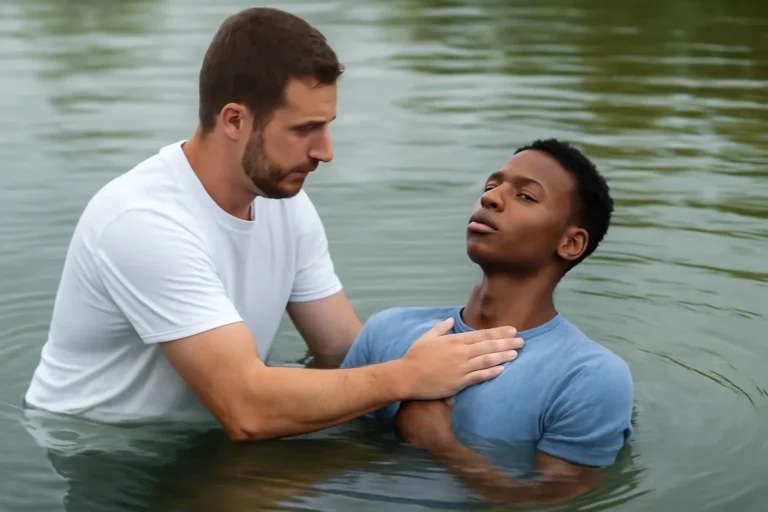
Immersion Baptism: A Practical Guide to Beliefs and Practices
Immersion baptism, also known as baptism by immersion, is a ritual act in which a person is fully submerged in water or placed in water with the head level, symbolizing spiritual cleansing, death to self, and new life in faith. Across Christian traditions, this form of baptism is described and practiced in diverse ways. The aim of this guide is to present a practical, accessible overview of the beliefs surrounding immersion baptism and the common practices that accompany it. It is written for individuals exploring the meaning of baptism, families preparing for a baptism ceremony, and church leaders designing or evaluating baptismal programs.
What is immersion baptism and how is it distinct?
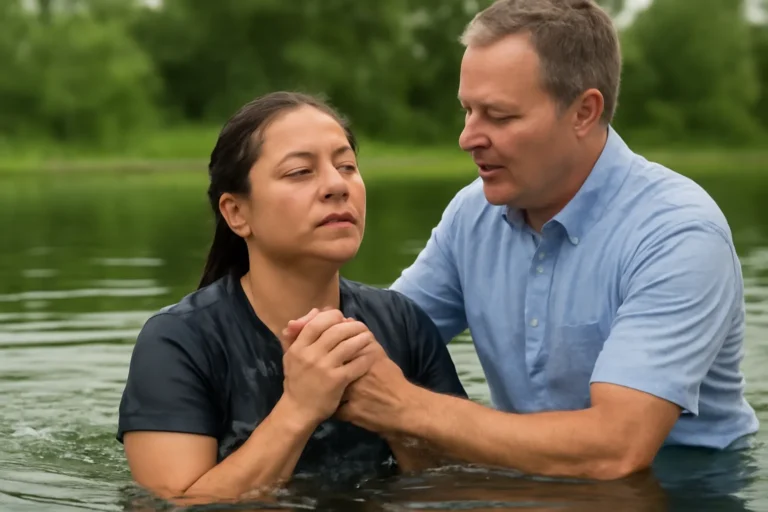
Immersion baptism refers to a mode of baptism in which the person being baptized is fully or nearly fully submerged in water, typically in a baptismal font, river, lake, baptistry, or other safe water source. This method is often contrasted with other modes such as pouring (infusion of water over the head) or sprinkling (lightly watering the forehead). The essential idea behind immersion is that water represents burial with Christ and, rising from the water, a new life in the Christian faith.
Believer’s baptism in immersion emphasizes personal confession of faith. In many traditions, the candidate must consciously profess belief before being baptized.
Total immersion or full submersion suggests a complete burial in water, though practical practice may use partial submersion when water depth or safety considerations require adaptation.
Baptism by immersion is sometimes described as a symbolic funeral and a resurrection to new life in Christ, underscoring transformation and commitment.
Across denominations, the meaning attached to immersion baptism is often expressed in a few core motifs:
Death to sin and union with Christ in his death, followed by
Rising to new life in him, symbolizing spiritual rebirth
Public declaration of faith and entry into the community of believers
Despite shared symbolism, the theological emphasis can differ. Some traditions insist that baptism by immersion is the only valid mode for believers’ baptism, while others allow immersion as one legitimate mode among others. Still others practice baptism by immersion for all believers regardless of age, while some traditions practice infant baptism by immersion or mix immersion with other modes. This diversity reflects different theological frameworks, ecclesial histories, and cultural contexts.
Historical and theological background
Baptism by immersion has deep roots in early Christian practice and is echoed in many biblical descriptions of baptism. The Gospels recount accounts of individuals being baptized in rivers, and the Apostle Paul’s language in Romans and Colossians has often been read as pointing toward immersion imagery. Over centuries, church practice varied by geography, culture, and ecclesial authority. In some periods and places, pouring or sprinkling became more common due to climate, availability of water, or liturgical preference. In other communities, submerged baptism persisted as a central norm.
In the modern era, debates about mode and method have sharpened, particularly among Protestant groups. Proponents of immersion often appeal to biblical descriptions, theological symbolism, and the practice of the early church. Critics of immersion may emphasize logistical realities, safety, or doctrinal concerns about infant baptism and covenantal theology. Regardless of the stance, immersion baptism remains a meaningful sacramental act for many Christians who view it as central to the believers’ confession and discipleship.
Practical practices around immersion baptism
The practical aspects of immersion baptism involve a combination of theology, logistics, safety, and pastoral care. Below is a practical framework that churches and individuals can use as a baseline, while recognizing that local customs and denominational rules may shape the details.
Preparing for the sacrament
Discernment and consent: In many traditions, a candidate affirms faith, understands the meaning of the rite, and consents to baptism. Parents and guardians may play a role in child baptisms within a church’s baptismal catechism.
Instruction and catechesis: Candidates commonly participate in a preparation class or mentoring session to explore the symbolism of immersion baptism, repentance, faith, and inclusion in the church community.
Eligibility and age considerations: Some groups baptize infants or young children with the belief that baptism is a sign of God’s grace; others practice believers’ baptism at an age where personal profession of faith is possible. Immersion is often associated with the latter, though practices vary widely.
Choosing a name and witness: In some traditions, the baptismal rite includes a naming or a short public testimony about faith and life in Christ.
Locations: Immersion can occur in a church baptistry, a portable pool, a river, a lake, or a controlled outdoor setting. The choice depends on climate, space, safety, and tradition.
Water considerations: The water should be clean, safe, and at a comfortable temperature. Many churches use warm, comfortable water for immersion to respect the candidate’s dignity and safety.
Facilities: Shower or changing spaces, towels, non-slip surfaces, and privacy measures are important. Accessibility features may be added to support participants with mobility needs.
Safety equipment: Non-slip mats, lifeguards or trained helpers when appropriate, and a plan for emergency situations are essential for outdoor or deep-water settings.
Steps in the ritual
Confession of faith: The candidate articulates belief in core Christian truths, often including faith in Jesus Christ, repentance, and commitment to discipleship.
Expression of grace: The officiant or pastor emphasizes grace as the gift of salvation and the meaning of baptism within the church’s covenant relationship.
Immersion act: The candidate is fully or partially immersed in water. In some traditions, immersion occurs multiple times, or the person is submerged in the name of the Father, the Son, and the Holy Spirit. In others, one immersion suffices.
Emergence and blessing: As the candidate rises from the water, the officiant offers blessings, candles are given (in some traditions), or other symbolic moments occur that signify new life and inclusion in the body of Christ.
Public welcome: The community greets the new member with welcome, sharing of liturgical words or songs, and a reaffirmation of belonging in the local church family.
Post-baptism life and ongoing commitments
Discipleship and baptismal vows: Many communities link baptism with ongoing commitments, such as participation in worship, the study of Scripture, prayer, service, and stewardship.
Membership and baptismal certificates: Some churches issue a baptismal certificate or integrate the event into official church membership records.
Continued growth: Families and individuals often pursue ongoing spiritual formation to cultivate a lifestyle consistent with the baptismal symbolism of death to sin and new life in Christ.
Doctrinal perspectives across traditions
Different Christian bodies emphasize different theological bases when it comes to immersion baptism. The following outlines present a high-level view of several broad perspectives, noting that practices may vary within each tradition.
Baptist and many evangelical perspectives
In Baptist churches and many evangelical communities, baptism by immersion is typically restricted to those who profess personal faith in Christ. Baptism is frequently understood as an outward, public confession of an inner conversion. The mode of baptism—immersion—functions as a signal of repentance, faith, and identification with the death, burial, and resurrection of Jesus. Because of this interpretive framework, infant baptism is less common in these traditions, and adult or adolescent believers’ baptism by immersion is prioritized.
Mode emphasis: Immersion is seen as the most faithful representation of the scriptural imagery of death and resurrection.
Affirmation of faith: The rite is often preceded by a profession of faith and personal testimony.
Church membership: Baptism often leads to formal membership in the local church community.
Catholic, Orthodox, and some Anglican perspectives
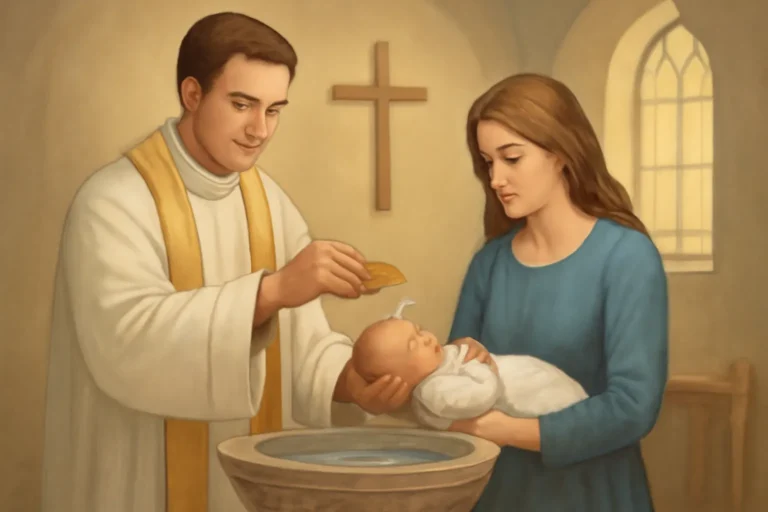
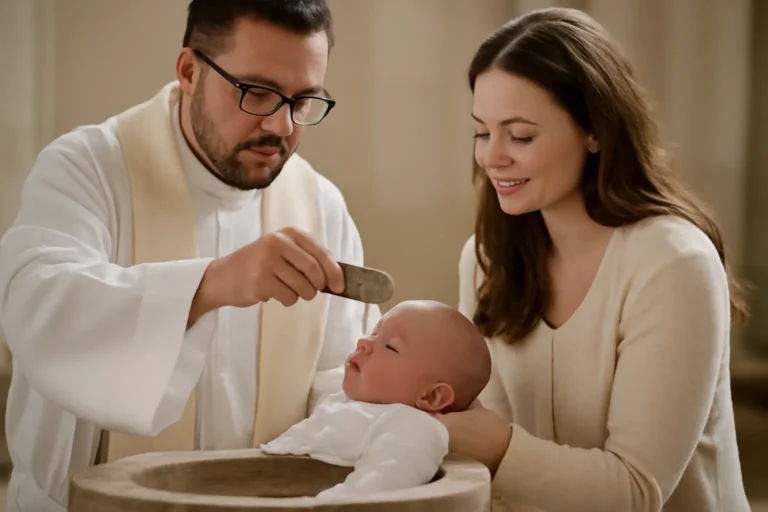
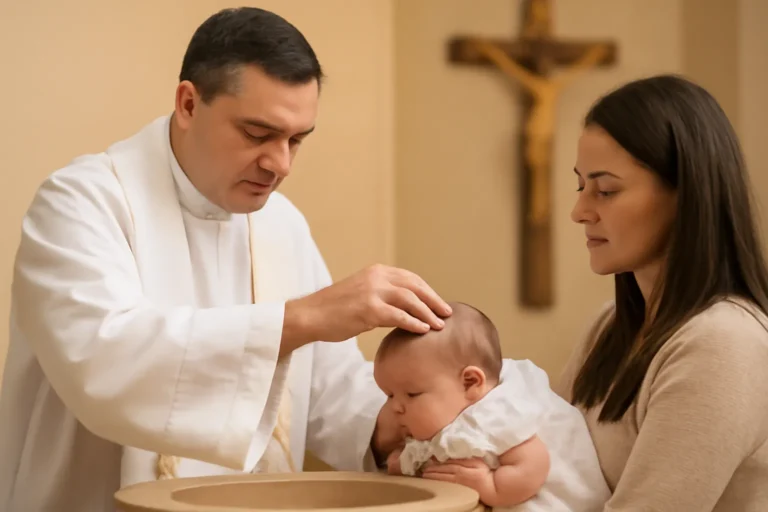
Within the Catholic and Orthodox churches, baptism is a sacrament that typically uses infant baptism, with pouring or immersion depending on tradition, local practice, and climate. In many Catholic and Orthodox contexts, immersion may be used but is not the sole method; the emphasis is on the grace conferred in baptism rather than on the mode. Anglicans and some Lutherans/Methodists may vary their practice, allowing immersion, pouring, or sprinkling depending on the situation and the parish’s tradition.
Infant baptism: In many of these churches, infants receive baptism; immersion is less common for infants due to practical considerations, though it can be used in certain contexts or during adult confirmations.
Grace and sacrament: Baptism remains a sacramental sign of God’s covenant, not merely a personal declaration.
Mode flexibility: Some communities permit immersion when feasible, especially in outdoor or large baptistries, while also allowing other modes when necessary.
Pentecostal and charismatic traditions
In Pentecostal and many non-denominational churches, immersion commonly appears as the preferred mode, echoing the emphasis on personal faith, spiritual renewal, and a visible public testimony. The rite is frequently linked to a baptismal experience that is thought to accompany or follow a spiritual conversion or an empowering encounter with the Holy Spirit.
Decision-first approach: Many participants first respond to a personal call to faith, then participate in immersion baptism as a public declaration.
Public witness: The event is often a community-centered celebration, with music, testimony, and exhortation.
Lutheran and Anglican–or Methodist-influenced perspectives
These traditions typically hold that baptism is a means of grace, accessible through various modes depending on the parish’s liturgical heritage. Immersion may be used in some congregations, while sprinkling or pouring remains common in others. The symbolic emphasis is on God’s action in baptism and the incorporation of the baptized person into the body of Christ, with ongoing catechesis and formation following the rite.
Grace-oriented understanding: Baptism is a means of grace rather than a mere human performance.
Liturgical resonance: The rite often follows established prayers and confessions and is integrated into the broader sequence of sacraments or church rites:
Connection with other rites of initiation and confirmation where applicable.
Common misconceptions and clarifications
As with any sacred practice, immersion baptism is surrounded by questions and sometimes myths. Here are some common misconceptions and clarifications to help readers form a clear understanding.
Misconception: Immersion baptism is universally required for salvation. Clarification: Most traditions teach that salvation is by grace through faith in Christ, and baptism is an outward sign of that faith. It is not universally presented as a salvific prerequisite beyond faith in Christ, though for many traditions baptism is closely tied to the believer’s confession and public identification with Christ.
Misconception: Immersion always means full submersion. Clarification: Many churches practice immersion with full submersion when water depth allows, while others may use partial submersion or even pouring over the head when necessary for safety or practical reasons.
Misconception: Infant immersion is common in all traditions. Clarification: Infant baptism is common in many historic churches, but immersion specifically for infants is less common or context-dependent; other modalities are used according to tradition.
Misconception: Immersion baptism is a purely personal act with no communal dimension. Clarification: For many communities, baptism is both a personal profession of faith and a public entry into the church community, with ongoing participation in the life of the church.
Practical considerations for churches and individuals
Choosing a mode and approach to immersion baptism involves practical, pastoral, and ethical considerations. Below are some key areas to address when planning or evaluating a baptism program.
Safety first: Water depth, temperature, hygiene, supervision, and emergency preparedness are essential. Outdoor baptisms introduce additional safety protocols such as lifeguards, non-slip surfaces, and weather contingency plans.
Accessibility and inclusion: Ensure that participants with disabilities or mobility challenges can access the water and participate in a dignified and safe manner. Provide alternative arrangements when necessary.
Consent and guardianship: For minors or individuals unable to consent for themselves, ensure appropriate parental or guardian consent in line with church policy and local laws.
Educational integration: Integrate baptism with catechesis, mentorship, and ongoing discipleship to help participants understand the meaning of the rite beyond the ceremony itself.
Documentation and record-keeping: Maintain clear records of the date, location, officiant, and participants, as well as any baptismal certificates or membership implications.
In contemporary practice, immersion baptism is widely represented across a spectrum of church settings and geographic regions. Some communities emphasize intimate indoor baptistries with controlled lighting and acoustics, while others prefer outdoor environments that connect the rite to natural bodies of water. The choice of setting often reflects:
Ecclesial tradition: The doctrinal commitments of the church shape the emphasis on immersion and the surrounding rites.
Community identity: Baptism can be a celebration that reinforces a community’s shared beliefs and mission.
Mission and outreach: Some churches use baptism as a welcoming rite for new members who join as part of outreach or evangelism efforts.
Public symbolism: Outdoor baptisms may symbolize the beauty of creation and public witness, while indoor baptistries emphasize reverence and privacy.
Below are common questions and concise answers that readers frequently seek on immersion baptism. These can help a reader prepare for conversations with clergy or participate in a class.
Is immersion baptism required for all Christians? No. The necessity and mode of baptism vary by tradition. Many traditions view baptism as a meaningful ordinance or sacrament, with the mode and timing guided by doctrinal beliefs and pastoral discernment.
Who can be baptized by immersion? In most traditions, baptism by immersion is available to those who profess faith in Christ and meet the church’s criteria for baptism. Some communities baptize infants under a covenantal understanding.
Can immersion baptism occur in a swimming pool? Yes. A baptistry, pool, river, or lake can all be appropriate, provided safety and reverence are maintained.
What if a person cannot enter deep water? Many churches use immersion in shallow water or partial submersion. In some cases, a symbolic immersion or a similar rite can be adapted with care for the participant’s dignity and safety.
What comes after baptism? Most communities provide post-baptism instruction, integration into a community, ongoing discipleship, and opportunities for service and worship.
Resources and further reading
For readers seeking deeper study, the following kinds of sources can be helpful:
Scriptural studies: Passages about baptism in the Gospels and the Epistles, with attention to imagery of death and new life.
Historical summaries: Works on early church practice and the evolution of baptismal modes through history.
Systematic theology: Theological discussions about grace, sacramentality, and the Church’s rites.
Pastoral guides: Manuals for church leaders on planning baptisms, safety, and catechesis.
If you are part of a local congregation, consult your church’s baptismal policy, catechism materials, and the leadership team to understand the expectations and procedures specific to your setting. If you are investigating immersion baptism as a candidate or as a curious reader, consider visiting congregations, observing services, and asking questions about how they teach and practice the rite, as well as how they integrate baptism with ongoing spiritual formation.
In summary, Immersion Baptism or baptism by immersion is more than a single moment of water and words. It is deeply connected to the identity of a believer, their relationship with God, and their place within a faith community. The practice combines symbolic meaning with practical considerations, spanning catechesis, ritual form, safety, and pastoral care. By understanding the various emphases—scriptural symbolism, historic practice, and contemporary pastoral application—readers and practitioners can approach this sacred rite with clarity, reverence, and compassion.
Whether described as full submersion, dunking, or baptism in water, immersion baptism remains a powerful and formative act for many Christians around the world. It invites participants into a story of transformation, belonging, and ongoing discipleship, in which the old life is laid to rest and a new life in Christ is celebrated within the life of the church.