What Is Baptism in the Catholic Church: A Complete Guide
In Catholic teaching, baptism is more than a ceremony. It is the foundational sacrament of initiation through which a person is incorporated into the Body of Christ and begins the lifelong journey of faith. For many families, parishes, and catechumenates, the question “what is baptism in the Catholic Church?” invites a rich answer about grace, community, and transformation. This guide explains the meaning, the rites, the conditions, and the life that follows from the Catholic understanding of baptism.
Sacramental Significance: Why Baptism Matters
The Catholic Church teaches that baptism is the first of the three sacraments of initiation, accompanying the believer into a life of faith, worship, and service. It marks a turning point in the spiritual journey, because it communicates divine grace and makes a person a child of God, a member of the Church, and a temple of the Holy Spirit. The effects of the sacrament include cleansing from sin, new life in Christ, and the ability to participate fully in the Church’s life, including the reception of the other sacraments.
In Catholic doctrine, baptism is closely tied to the mystery of the Trinity—the Father, the Son, and the Holy Spirit. The celebration takes its shape from the fundamental confession of faith that the baptized person is entering a relationship with the Triune God. Because of this, baptism is rightly described as the gateway to the entire Christian life.
The Immediate Effects: Grace and Adoption
Forgiveness of sins, including baptism’s healing of original sin and any personal sins for those already baptized as believers in Christ.
Rebirth in Christ, a new life in the Holy Spirit.
Adoption as a child of God, with rights and responsibilities within the Church.
Inclusion in the Church, becoming a member of the Body of Christ and a participant in its mission.
Access to the other sacraments, beginning with the Eucharist and Confirmation as the person grows in faith.
The Rite as a Public Profession of Faith
The sacramental rite provides a public declaration: the Church welcomes a new member and the baptized pledge to live as a follower of Christ. The rite is both personal and communal—personal in the sense that the candidate’s faith is professed, and communal in that the local parish and assembly witness and support the new member’s journey.
Biblical Foundations and Ecclesial Teaching
Scriptural Roots and Theological Grounding
The scriptural basis for baptism is broad and foundational. The Gospel accounts describe Jesus commanding the apostles to baptize all nations in the name of the Father, the Son, and the Holy Spirit, which establishes a pattern for Christian initiation. The Catholic understanding reads these passages as the call to discipleship, conversion, and incorporation into a community that embodies the Gospel.
Alongside Scripture, the living tradition of the Church—guided by the sacramental discipline and the teaching authority of the Church (the Magisterium)—preserves and explains the meaning of baptism. The Catechism of the Catholic Church (CCC) outlines the necessity, the form, the matter (water), and the effects of the sacrament, grounding it in centuries of liturgy and pastoral practice.
Who Should Be Baptized?
In Catholic life, baptism is offered to infants, children, and adults who have not yet received the sacrament. The Church teaches that all people are called to this entry point of Christian life, though the path to baptism may differ: infants are brought to baptism by parents and godparents, while adults may enter through the process of formation known as the Rite of Christian Initiation of Adults (RCIA).
The Rite of Baptism in the Catholic Church
Essential Elements: Matter, Form, and Minister
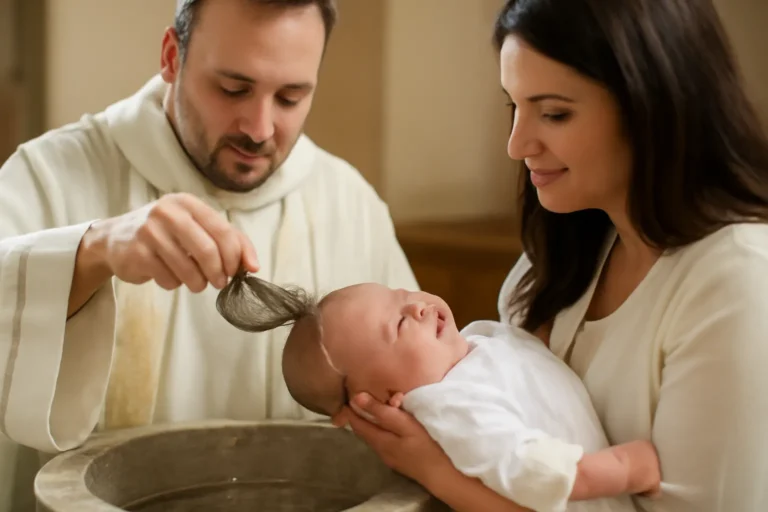
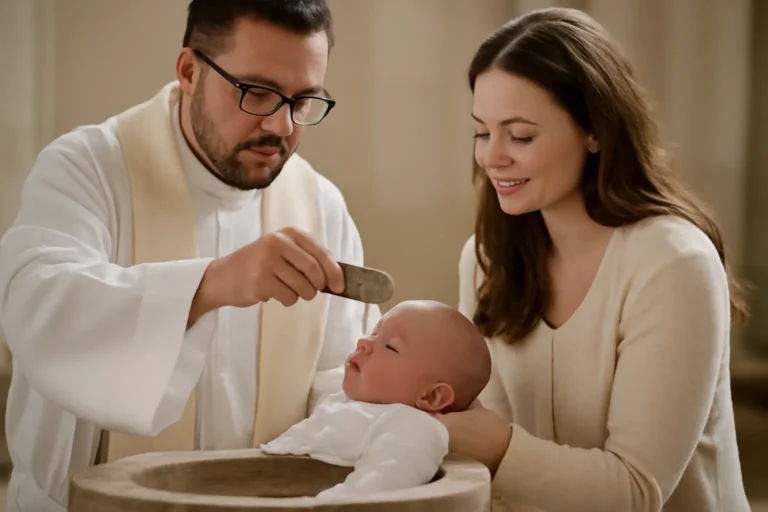
In Catholic practice, the sacramental form is I baptize you in the name of the Father, and of the Son, and of the Holy Spirit, spoken by the minister as water is applied. The matter is water, which may be poured over the head or, in some circumstances, used for immersion. The ordinary minister of baptism is a bishop or priest, with a deacon able to administer in many circumstances; in a true emergency, any person with the correct intention can baptize.
The Preceding Elements: Exorcism and the Oil of Catechumens
Before the immersion or pouring of water, the celebrant may celebrate a brief exorcism and make use of the oil of catechumens. This oil signifies strength to resist sin and to begin the journey toward faith. The catechumen or parent/godparent may also renew the confession of faith in preparation for the baptismal act.
The Baptismal Rite: Step by Step
Reception into the Church or the profession of faith by the parent(s) and godparents or the adult candidate.
Renunciation of sin and profession of faith by the sponsor(s) or candidate, usually in the form of a creed or vows.
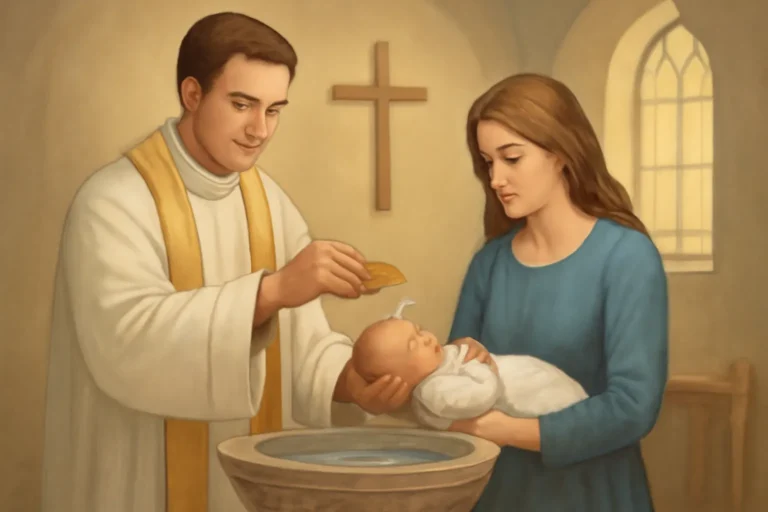
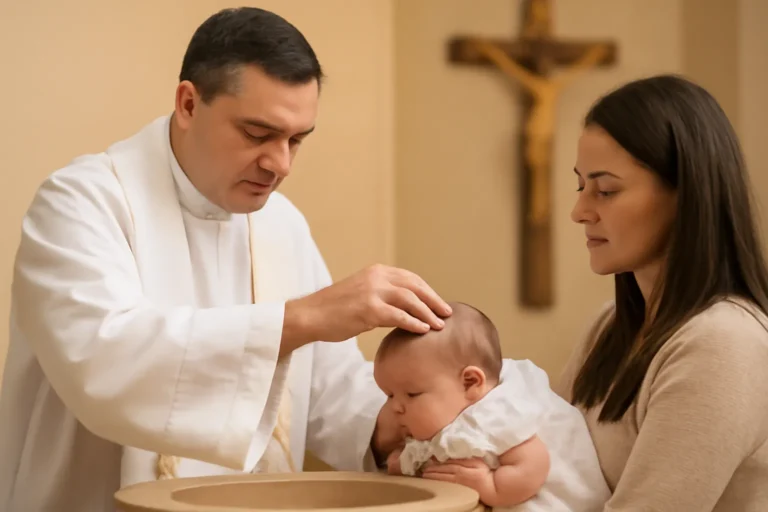
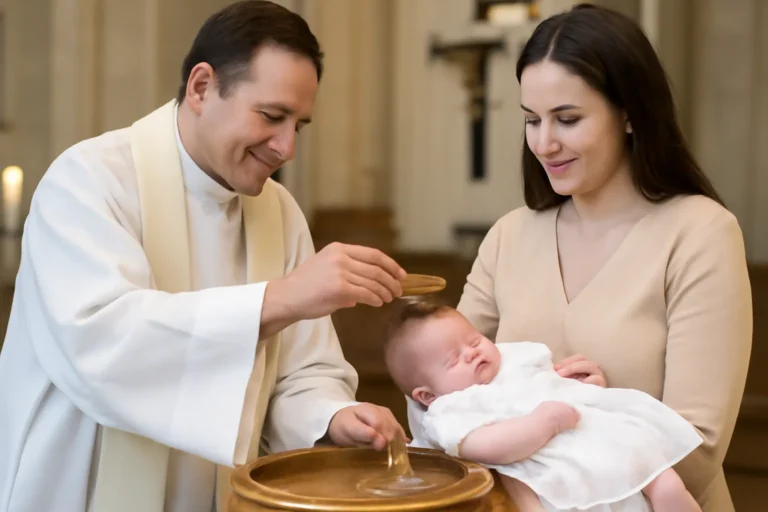
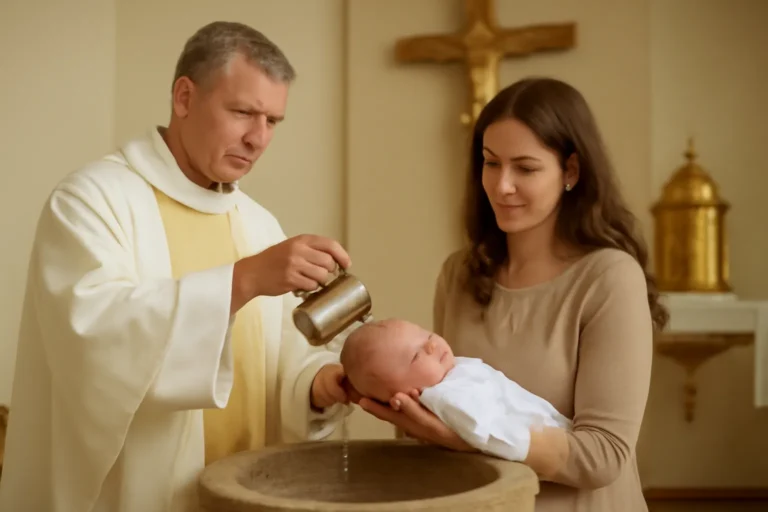
The blessing and pouring of water, with the trinitarian formula spoken by the minister.
Anointing with the Sacred Chrism and the bestowal of grace through the anointing on the crown of the head.
The white garment and the lighted candle, symbols of new life and enlightenment in Christ.
Prayers of thanksgiving and the dismissal into the Church’s mission to live as a disciple.
Outcomes for the Newly Baptized
After the rite, the newly baptized person is prepared to receive the remaining Sacraments in due course—most notably the Eucharist and, for those confirmed later in life, Confirmation. The community prays for the baptized person, recognizing the ongoing responsibility to nurture faith within the local parish.
Who Can Be Baptized? Infant, Child, and Adult Clarifications
Infant Baptism: Welcome into the Family of God
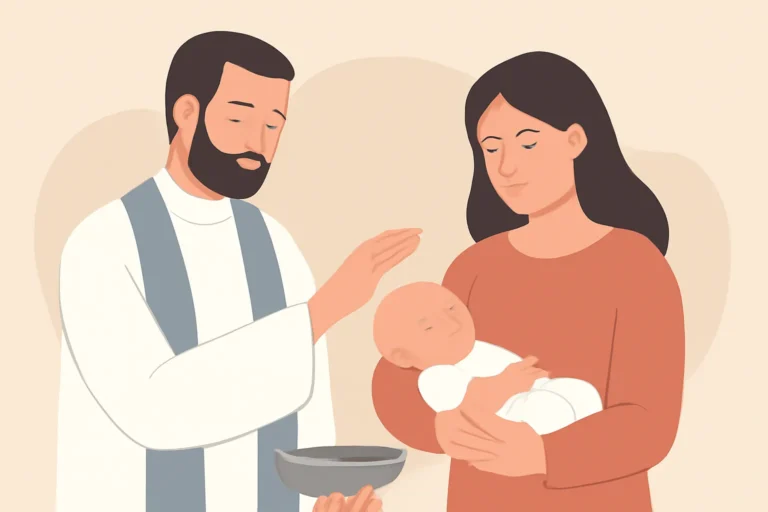
In the Catholic Church, baptism of infants is common and encouraged, reflecting the understanding that grace begins at the earliest possible moment. Parents commit to raising their child in the Catholic faith, and godparents pledge to support that faith formation. The decision to baptize an infant is not a delay of faith but a declaration that the child already participates in the life of the Church through the community of believers surrounding the family.
Adult Baptism and the RCIA Path
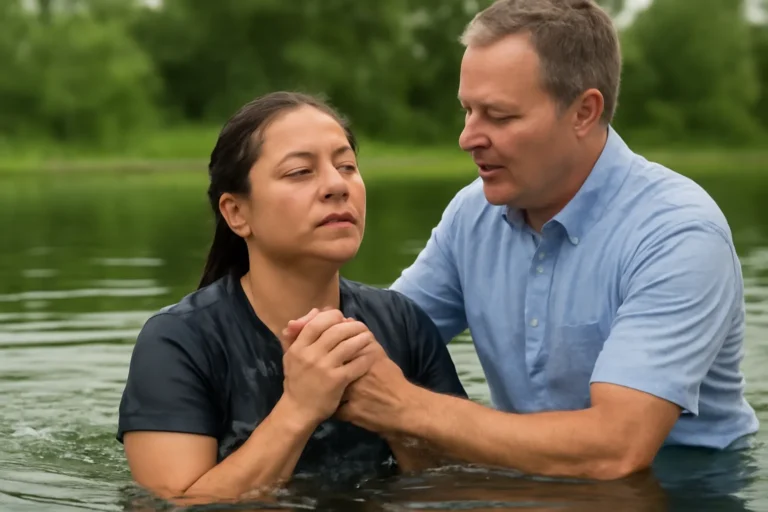
For adults, baptism is typically preceded by a period of formation through the RCIA process. This journey includes inquiry, catechesis, the elect, and the final baptism, followed by the sacraments of Confirmation and the Eucharist at the appropriate time. This pathway emphasizes deliberate, lifelong conversion rather than a one-time moment.
Infant vs. Adult Baptism: Distinct Paths, Shared Reality
Common Ground Across Ages
Although the circumstances differ—infants needing sponsors to voice faith, adults making a personal decision—the underlying reality is the same: baptism is the essential entry into the life of Christ. Both paths emphasize a personal commitment to live as a disciple, the reception of grace, and entry into the Church.
Practices That Distinguish Them
Infant baptism relies on parents and godparents to profess faith and to commit to guiding the child in the faith.
Adult baptism is typically preceded by instruction and is part of a more extended rite that includes the Confirmation and First Communion at a later stage.
The liturgical rubrics for infants and adults reflect different pastoral needs, but both are oriented toward welcoming the candidate into the life of the Church.
Rites, Symbols, and Promises: What Happens During and After?
Symbols of Baptism: Water, Oil, Garment, and Candle
The water conveys cleansing and new life. The oil of catechumens and the Sacred Chrism signify strength and the seal of the Holy Spirit. A white garment is a sign of the baptized’s new life in Christ, and the Paschal candle (in some rites) or the lit candle at the baptismal font symbolizes enlightenment by Christ.
Promises Made and the Community’s Role
The baptized person, or the parents and godparents on their behalf, make a public profession of faith. The Church, in turn, promises ongoing catechesis, support, and a welcoming community that will help nurture the faith. The role of the parish and the sponsor is not merely ceremonial; it is a concrete commitment to accompany the new member in the walk of faith.
Baptismal Desires and Exceptional Circumstances
The Catholic Church recognizes that there are circumstances where a person may have a desire for baptism but cannot receive it immediately. Concepts such as baptism by desire (explicit or implicit) and baptism by blood acknowledge the breadth of God’s mercy. In ordinary practice, the Church continues to prepare and welcome those who seek baptism according to the Church’s timetable.
Connection to the Eucharist and the Other Sacraments
Baptism lays the foundation for a life in which the person is capable of receiving the Eucharist and continuing through the other sacraments. The next steps—Confirmation and the Eucharist—are linked in the Catholic Church’s model of initiation. Catholic parishes often schedule these steps in a manner that respects the person’s age, readiness, and the liturgical calendar.
The Communal Aspect of Catholic Baptism
The baptismal rite is embedded in the life of the faith community. The faithful who witness the ceremony—parents, sponsors, godparents, and other parishioners—are called to support the baptized individual as they grow in grace and live out the Gospel in daily life. The parish becomes a school of faith, where catechesis, prayer, and service help the baptized mature in a Christian witness.
The Catholic Church teaches that baptism is necessary for salvation in the ordinary way, based on Christ’s words and the Church’s teaching. However, the Church also recognizes the possibility of baptism of desire or baptism by blood for those who, through no fault of their own, do not know Christ or His Church but strive to live a good and faithful life.
Can a non-Catholic be baptized in a Catholic church?
Yes. The Catholic Church welcomes baptisms conducted by other Christian denominations if they have the proper form and intend to do what the Church does in baptism and the candidate willingly seeks the sacrament. The local bishop or priest may provide guidance on how to proceed in such cases.
Who can serve as a godparent?
A godparent should be a baptized Catholic who has received the sacraments of initiation and leads a life in harmony with the faith. In many parishes, there may be additional requirements regarding age, confirmation status, and regular participation in the sacramental life of the Church. At least one sponsor is typically required, and the faith commitment is what matters most.
In danger of death, baptism can be administered with the proper formula by anyone who has the intention to do what the Church does, using the correct form and intention. This assurance emphasizes the Church’s trust that God’s mercy is always available to those facing mortality.