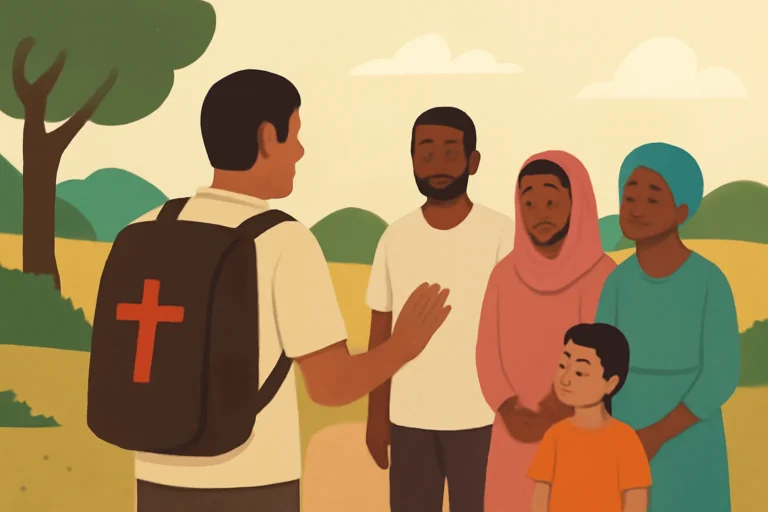
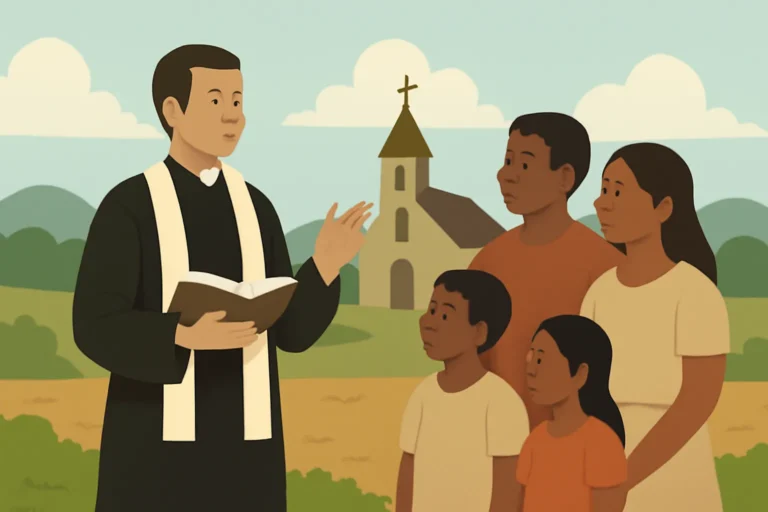
Christian missions describe organized efforts by followers of Jesus Christ to share the message of the gospel, encourage transformation in communities, and demonstrate Christian living through acts of service. At their best, missions combine proclamation with practical care, weaving together evangelism, discipleship, and social engagement. They often involve cross-cultural movement—sending or hosting workers, partnering with local churches, and collaborating with communities to address needs while honoring local values and traditions. This overview surveys the key ideas, historical roots, motivations, methods, and contemporary debates that shape what it means to engage in Christian mission today.
Foundations: Historical Roots and Theological Grounds
The history of Christian missions stretches from the earliest followers of Jesus to modern-day church networks spanning every region of the world. While the motives and forms have evolved, several core elements recur across eras.
Biblical Foundations
Many scholars and practitioners locate the root of missionary impulse in the Bible, particularly in passages that call believers to proclaim the good news. The most-cited foundation is the Great Commission in Matthew 28:19–20, where Jesus commands his disciples to “go and make disciples of all nations.” Similar incentives appear in other New Testament texts, such as the book of Acts, which details the spread of the gospel from Jerusalem to Judea, Samaria, and the ends of the earth. These scriptural anchors are often cited to emphasize two simultaneous convictions: proclamation of the message and formation of a new community of followers. In practice, this dual emphasis shows up as preaching and teaching alongside baptism, mentorship, and church planting.
Historical Trajectories
Across the centuries, mission systems have taken different shapes. Early church figures, such as the apostolic teams described in Acts, laid groundwork through local churches and cross-cultural communication. The Middle Ages saw religious orders and itinerant preachers expanding reach, while the post-Reformation era introduced organized missionary societies and church‑sponsored expeditions to the Americas, Africa, Asia, and the Pacific. The 19th and 20th centuries brought formal mission agencies, publish-and-propagate networks, and university-linked training programs that sought to professionalize and standardize mission work. In many contexts, this history includes difficult chapters—colonialism, cultural dislocation, and power imbalances—that later generations have sought to address through more participatory, respectful approaches.
Motivations Behind Mission Work
Motivations for Christian missions are varied and often overlapping. They can be described as theological, pastoral, and social realities that together shape how mission is understood and practiced.
Obedience to the Great Commission: For many Christians, embarking on mission is a response to a divine call to share the message and make disciples.
Compassion and mercy: A desire to alleviate suffering, promote health, relieve poverty, and protect the vulnerable undergirds much mission work.
Discipleship and spiritual formation: Mentoring new believers, equipping local leaders, and fostering communities of faith are central to long-term impact.
Transformation and justice: Some missions emphasize social transformation—education, economic development, human rights, and community empowerment—as part of the gospel witness.
Cross-cultural engagement: Mission work often involves learning from others, sharing experiences, and building mutual trust across cultures.
In practice, the motivations are frequently intertwined. A healthy mission program tends to articulate a clear theological rationale while prioritizing the dignity and participation of local communities, avoiding approaches that reduce people to recipients of aid or to audience members for a message.
Forms and Modalities of Mission Work
Mission activity unfolds through diverse formats. While some forms are explicit evangelism, others focus on service, education, or development. The modern landscape typically includes a blend of several modalities designed to be complementary rather than exclusive.
Evangelism and discipleship: Proclaiming beliefs about Jesus, inviting response, and nurturing new believers through mentoring, small groups, and church planting.
Church planting and leadership development: Initiating new faith communities and training local leaders to sustain the church’s life and mission.
Education and literacy: Establishing schools, libraries, and curriculum programs that improve literacy and critical thinking.
Health care and medical missions: Providing medical care, preventive outreach, and health education to improve well-being and trust within communities.
Community development and humanitarian aid: Building wells, housing, food security programs, microfinance, and vocational training to promote long-term resilience.
Translation and language work: Translating scriptures and educational materials into local languages to enable broader access and understanding.
Disaster relief and emergency response: Responding quickly to crises with material aid, shelter, and psychosocial support, often in partnership with relief agencies.
Social justice and advocacy: Addressing systemic issues such as poverty, oppression, and inequity through advocacy, policy engagement, and community organizing.
Digital and media outreach: Using online platforms, podcasts, video, and social networks to share messages and mobilize supporters.
This modality emphasizes the proclamation of the gospel and the spiritual formation of individuals and communities. It may occur through personal evangelism, public preaching, media campaigns, or community-based Bible study groups. Its effectiveness often hinges on relational credibility, cultural sensitivity, and respect for freedom of belief.
Service as Mission: Health, Education, and Relief
Many mission initiatives emphasize tangible services—healing ministries, schooling, agricultural training, clean water projects, and shelter after disasters. Proponents argue that such service opens doors for relationships, builds trust, and demonstrates love in action, creating openings for deeper conversations about faith when people are ready.
Regions, Contexts, and Cultural Sensitivity
The geographical spread of Christian missions is vast and varies by era and organization. Mission work today occurs in urban centers, rural villages, refugee settings, and diaspora communities across all continents. The contexts range from remote, linguistically diverse regions to rapidly urbanizing megacities. Across these settings, cultural sensitivity and contextualization—adapting methods to honor local norms, languages, and religious landscapes—are widely recognized as essential to respectful engagement.
Global South prominence: In recent decades, mission activity has shifted toward Africa, Asia, and Latin America, with strong local leadership emerging in many contexts.
Diaspora partnerships: Immigrant and refugee communities often become hubs for cross-cultural mission, linking home regions with new social networks.
Indigenous leadership: A growing emphasis on empowering local pastors, lay leaders, and community organizers to guide initiatives from within their own cultures.
Interfaith engagement: In some contexts, mission work involves dialogue with other faith traditions, mutual learning, and collaborative social projects.
People, Roles, and Organizations
Christian missions involve a constellation of actors, each contributing in different ways to shared aims. Understanding who does what helps clarify how mission operates in practice.
Missionaries: Individuals or families who relocate temporarily or long-term to a field where they focus on evangelism, discipleship, teaching, or service.
Local church partners: National or regional churches that host mission teams, provide local context, and lead aftercare and sustainability efforts.
Mission agencies and NGOs: Organizations that recruit, train, fund, and deploy workers, often coordinating with churches and communities.
Educators and healthcare workers: Professionals who combine professional expertise with their faith commitments to meet needs beyond preaching.
Volunteers and short-term teams: Individuals who contribute time and skills to projects, often in collaboration with host communities and organizations.
Support networks: Families, prayer ministries, donors, and advocates who sustain mission activities financially and spiritually.
Effective mission practice tends toward partnership models that emphasize mutual accountability, transparent finances, and the stewardship of resources. This includes listening to local leaders, sharing decision-making, and prioritizing sustainability so initiatives outlast the presence of outside workers.
Ethical Considerations, Critiques, and Challenges
Mission work intersects with complex ethical questions. History has included both constructive engagement and problematic patterns, which contemporary practitioners strive to address.
Historical critique: Some mission programs are scrutinized for colonial legacies or cultural imposition, where Western frameworks overshadow local voices and needs.
Consent and autonomy: Respect for local sovereignty and freedom of belief is essential, as are transparent conversations about goals and methods.
Contextualization: The challenge of translating beliefs into culturally meaningful terms without diluting core convictions.
Power dynamics: Avoiding paternalism and ensuring that collaborations empower local leaders rather than creating dependency.
Accountability and transparency: Clear reporting on finances, outcomes, and potential harms is increasingly expected from mission organizations.
Interfaith and pluralism: Navigating relationships with other religions respectfully, particularly in regions with strong religious identities.
Many contemporary mission initiatives adopt a conscientious approach that centers on dignity, local leadership, and sustainable impact. They emphasize listening before acting, aligning goals with community needs, and prioritizing processes that can be owned by local partners even after foreign workers leave.
Modern Trends and Digital Mission
Technology and globalization have reshaped how missions operate. The digital era enables new channels for outreach, education, and collaboration, while also raising questions about authenticity and depth of engagement.
Online evangelism and discipleship: Websites, social media, streaming services, and mobile apps offer new ways to share stories, teach, and disciple across borders.
Digital literacy and media production: Training in media literacy and worshipful content creation helps local communities communicate their faith and culture.
Data-informed approaches: Monitoring and evaluation, impact assessment, and learning loops help teams adapt strategies to real-world results.
Partnership-based digital networks: Global collaboration platforms connect churches and organizations for joint projects, funding, and knowledge exchange.
Ethical technology use: Careful attention to privacy, consent, and the potential for cultural disruption when deploying digital tools.
In many contexts, digital mission work complements in-person ministry. It can broaden reach, reduce costs, and sustain relationships with far-reaching communities while requiring careful attention to cultural and spiritual sensitivities.
Measuring Impact and Sustainability
Assessing the outcomes of mission initiatives is essential for accountability and continuous improvement. Yet impact is multifaceted and sometimes difficult to quantify. The most constructive approaches combine quantitative indicators with qualitative feedback and long-term indicators of community resilience.
Church planting and leadership development: Numbers of new churches, trained leaders, and sustainable governance structures.
Education metrics: Graduation rates, literacy improvements, and school retention in partner communities.
Health outcomes: Access to care, vaccination coverage, disease prevention, and health education impact.
Economic and social indicators: Income growth, job training completion, and improvements in housing and water access.
Community engagement: Levels of trust, participation in local decision-making, and empowerment of marginalized groups.
Ethical performance: Transparency, accountability, and alignment with local expectations and laws.
Ethical stewardship also means evaluating unintended consequences, ensuring projects respect local autonomy, and avoiding dependency that can undermine local initiative. A strong metric system is often built on participatory evaluation that includes community voices and leadership perspectives.
Case Studies and Illustrative Examples
To ground the conversation, consider a few representative models that highlight the range of Christian mission activity, from evangelism-centric efforts to holistic development partnerships.
Case Study: Church Planting as Incubation of Community Life
In many regions, the emergence of a new church is accompanied by the creation of local schools, simple clinics, and social networks that support families. A church-planting initiative may begin with small groups, translation of essential materials, and leadership training for local residents. Over time, these churches become hubs for ongoing service projects, health campaigns, and community organizing that extend beyond spiritual aims. The emphasis on local leadership ensures that the church grows in a way that reflects its community’s needs and culture.
Case Study: Health Care and Education Partnerships
Another common model links medical missions with schools, offering preventive care, vaccination drives, and health literacy training while integrating literacy and basic education programs. This approach recognizes that health and education are foundational to a community’s flourishing. It also creates opportunities to discuss broader values and beliefs in a respectful setting, often facilitated by trained local staff who understand the cultural context and language dynamics.
Case Study: Bible Translation and Linguistic Empowerment
In some regions, translation work becomes a bridge to literacy and cultural preservation. Translators work with communities to render scriptures and educational materials in local languages, supporting not only faith-based goals but also educational outcomes. Respect for linguistic diversity and careful collaboration with native speakers help ensure accuracy, relevance, and ownership by the community itself.
The Relationship Between Mission and Inculturation
Inculturation refers to presenting Christian faith in ways that are intelligible and meaningful within a given cultural setting. Far from diluting doctrine, inculturation seeks to articulate timeless truths in a contextually resonant form. This involves thoughtful choices about language, symbols, storytelling, and worship styles that honor local traditions while maintaining doctrinal coherence. Effective missions strive to build trust through ongoing dialogue, mutual learning, and reciprocal generosity rather than a one-sided transfer of beliefs.
The Role of the Church and Mission Agencies
The institutional landscape of Christian missions includes churches, denominations, and mission-focused organizations. Each plays a distinct role in shaping strategy, providing training, and mobilizing resources.
Local churches: The primary carriers of mission life; they anchor long-term relationships with communities and provide continuity after external teams depart.
Denominations and networks: They offer theological alignment, accountability, and shared resources for fieldwork.
Mission agencies: These organizations recruit, train, deploy, and support workers, often coordinating with partners and ensuring compliance with ethical standards.
Nonprofit and humanitarian partners: Collaboration with NGOs and humanitarian groups can expand capabilities in disaster response, infrastructure, and health programs.
Partnerships between outside workers and local leadership are increasingly seen as essential for sustainable mission impact. The aim is to foster mutual respect, shared decision-making, and a long-term vision that remains true to the community’s priorities.
Getting Involved: Ways to Learn More and Engage
For readers who want to understand Christian missions more deeply or consider involvement, there are several constructive avenues. It is important to approach participation with humility, learning, and a long-term commitment to partnering with local communities.
Educate yourself: Read broadly about mission history, different models of engagement, and ethical considerations. Attend lectures or courses offered by churches, seminaries, or missional scholars.
Engage with local churches: If your community has a mission-focused church or chapter, participate in their learning circles, volunteer opportunities, and fundraising efforts.
Partner with established organizations: Seek organizations that prioritize transparency, local leadership, and accountable practices. Review their impact reports and governance structures.
Volunteer thoughtfully: Short-term service can be valuable when it respects local needs, offers skills that are genuinely useful, and includes preparation and reflection components.
Support sustainable initiatives: Consider long-term commitments to education, health, or economic development that empower local communities to lead.
Practice cultural humility: Approach communities with curiosity, suspend assumptions, and listen carefully before proposing plans or solutions.
Anyone considering involvement should also reflect on questions such as: What are the local partners asking for? How will the project be maintained after external teams depart? How will the work respect local languages, beliefs, and customs? Is there a path toward ownership by the community? These considerations help ensure that mission work remains collaborative, ethical, and transformative.
Key Terms and Concepts to Remember
As you navigate conversations about Christian missions, a few terms frequently surface. Keeping them in mind can help you understand discussions more clearly.
Great Commission: The biblical mandate to make disciples of all nations, often cited as the twin motive of evangelism and church planting.
Inculturation: The process of expressing faith within a culture in a way that preserves core beliefs while honoring local expressions.
Contextualization: Adapting methods and language to be meaningful in a specific cultural setting without compromising essential truths.
Partnership: A working relationship between sending communities and local partners that emphasizes shared leadership and mutual accountability.
Sustainability: The capacity for a project or initiative to continue thriving after the departure of external workers.
Ethical stewardship: Responsible use of resources, transparent governance, and respect for the dignity and autonomy of those served.
A Balanced Perspective: What Mission Work Tries to Achieve
While no single account can capture every nuance, a balanced view of Christian missions recognizes both spiritual and social dimensions. For many, mission work aims to:
Share the gospel in a way that respects freedom of belief and conscience.
Demonstrate care through tangible acts of service that reflect compassion and mercy.
Build local leadership so communities can own their spiritual and social development.
Promote reconciliation and dignity by honoring diverse cultures and avoiding coercive approaches.
Foster mutual learning where Christians learn from the wisdom and experience of the communities they serve.
In contemporary practice, many organizations emphasize synergy between evangelistic witness and social transformation, presenting a holistic vision of the gospel that attends to both the soul and the common good. This integrated approach seeks to avoid fragmentation, recognizing that spiritual vitality and material well-being can reinforce each other in meaningful ways.
Final Reflections: The Evolving Story of Christian Missions
The story of Christian missions continues to evolve as churches, scholars, and practitioners grapple with new challenges and opportunities. The field remains diverse, ranging from classic itinerant preaching to sophisticated, locally led development projects. The central question often reduces to how to honor both the message and the people, how to respond to real needs without exploiting vulnerabilities, and how to sustain hope that grows into lasting flourishing. As the church lives into these questions, mission practice increasingly becomes less about a fixed formula and more about a shared journey of faith, service, and learning across cultures and generations.