What Is the History of Baptism? A Comprehensive Overview
Baptism is widely recognized today as a foundational rite in many Christian communities, but its history stretches far beyond a single tradition or era. To understand what baptism is today, it helps to explore how water, purification, conversion, and community have intertwined across cultures and centuries. In this overview, we will trace the journey of baptism from antiquity through the Middle Ages, into the Reformation and into contemporary practice, highlighting how different churches have understood its meaning, mode, and eligibility. The story is one of continuity and change, of continuity in the symbol of water and change in the way a community defines who belongs and how faith is professed.
Origins and pre-Christian context: purification, initiation, and ritual cleansing
The word baptism derives from the Greek baptizein, meaning to plunge or immerse. In the ancient world, immersion was a common mode for ritual cleansing and initiation in various religious and social contexts. Before the arrival of Christianity, cleansing with water was often connected to moral and ceremonial purification, as well as a transition from one status to another. In many cultures, water symbolism signified renewal, purification from defilement, and the possibility of new life. The Christians would inherit and reinterpret these motifs in light of their own experiences of Jesus and his message.
Two pre-Christian strands especially shaped later Christian baptism: the Jewish ritual immersion (the mikveh) and Greco-Roman water rites that accompanied initiation or purification. In Judaism, immersion in ritual baths was part of religious life, including purification before entering the temple or resuming certain religious duties. Early Christians would come to describe baptism in terms that connected with these familiar purification practices, yet they reinterpreted the rite as something that implicated faith in Jesus and membership in a new community.
Mikveh and ritual purity: Jewish practice around cleansing provided a cultural and religious backdrop for Christian water rites.
Immersion as a symbol of decision: Across the eastern Mediterranean, immersion could stand for turning toward a new allegiance or a new way of life.
Cleansing as moral and spiritual transformation: Water was a visible sign of the inner work of repentance and faith.
In addition to the symbolism of cleansing, water as a life-giving force, and the dramatic act of immersion, some ancient groups used water rites to mark entry into a community. This broad matrix helps to explain why baptism in the earliest Christian circles was not merely a private act but a public rite that declared allegiance to Jesus and to the community of his followers.
The baptism of Jesus and the emergence of a distinct Christian practice
The Baptist precursor and the Johannine context
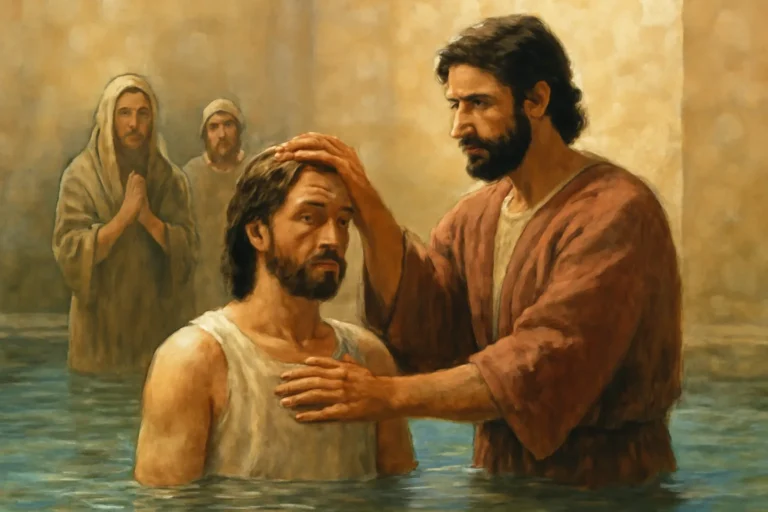
Central to Christian understanding of baptism is the figure of John the Baptist, who preached a baptism of repentance for the forgiveness of sins. John’s baptism was not identical with Christian baptism, but it provided a critical bridge between Judaism and the new movement that would call itself the church. John’s immersion symbolized a readiness to meet the coming one who would bring God’s kingdom, and Jesus’ own baptism by John has long been interpreted as an event that affirmed Jesus’ identity and mission, while also inaugurating a pattern that the early church would develop in light of his death and resurrection.
The earliest Christian baptism and the Great Commission
After Jesus’ resurrection, the earliest Christians understood baptism as closely linked to faith in Jesus Christ and to his lordship. The Gospel tradition and the early apostolic preaching framed baptism as a response to the good news about Jesus—his death, burial, and resurrection—and as entry into a life organized around the risen Christ. The Great Commission record (Matthew 28:19–20) becomes a formative reference point for how the church would practice baptism: in the name of the Father, and of the Son, and of the Holy Spirit. While textual variations exist in early sources, the core idea was clear: baptism was integrally tied to the identity of Jesus as divine Lord and to the mission of forming a community that bears witness to the gospel.
From the outset, baptism was inseparable from faith and repentance. Early Christians did not separate baptism from belief or from a public commitment to follow Jesus. The act of immersion or washing, expressed in a liturgical setting, functioned as a visible symbol of inward transformation.
Early Christian communities: practice, catechesis, and the role of baptism
Didache, apostolic Fathers, and the shaping of baptismal practice
In the Didache (an early teaching document dating to the late first or early second century), baptism is described in connection with a specific mode—immersion in running water when possible, with alternative methods (such as pouring) if water was scarce. The name-of-the-Trinity formula also appears in many early Christian texts, signaling a move toward a standardized liturgical practice. The Didache also outlines a catechetical process: instructions for new converts, a period of instruction before baptism, and the importance of a moral life before baptism. This demonstrates that baptism was not a mere family rite but connected to ongoing formation within the church.
Early church writers, such as the Apostolic Fathers (for example, Ignatius of Antioch and Justin Martyr), described baptism as a rite that joined a person to the community, entrusted to the ministry of the church, and oriented toward transformation through the Holy Spirit. In these decades, baptism was often connected with a period of instruction, fasting, and prayer, highlighting the seriousness with which early Christians regarded entry into the church.
From catechumenate to infant baptism: shifting theories of baptism and membership
Gradual shift toward infant baptism
During the later centuries of the ancient world, baptism increasingly moved from a primarily adult, catechized rite to include infants. Several factors contributed to this transition. Theological reflections on original sin and baptismal regeneration—most prominently developed by Augustine in the 4th and 5th centuries—argued that baptism conveyed grace and cleansing from sin, even for those who could not yet articulate a profession of faith. The practice of baptizing infants began to appear more widely, and over time it became standard in many parts of the Christian world. The emergence of infant baptism did not erase the significance of personal faith; rather, it expanded the framework for inclusion within the church, tying spiritual birth to the sacramental act itself.
Theological rationale: doctrines about original sin and the necessity of grace made baptism a powerful entry point for salvation for all ages.
Practical considerations: with the growth of Christian communities and urban life, baptizing households—infants included—became more common as a way to welcome new generations into the faith.
Catechetical instruction: many communities still emphasized a period of instruction for converts, but infants began to be included as part of family faith life.
As infant baptism spread, the church also refined rites that accompanied baptism, such as the laying on of hands, exorcism (in some contexts), and exorcisms of evil spirits, all intended to signify spiritual cleansing and the reception of the Holy Spirit. The development of a baptismal catechism, prayers, and a dedicated baptismal rite further embedded baptism in the liturgical life of the church.
Medieval Christian practice: sacramental theology, church authority, and rite
Orthodox and Western Western practices diverge and deepen
In the medieval world, the practice and understanding of baptism became more theologically explicit in both East and West. In the East, baptism was commonly associated with immersion (often a triple immersion) followed by chrismation (anointing with oil) and then the reception of the Eucharist in a single, continuous rite. In the West, baptism retained its central place in the catechetical and sacramental life of the church, but the rites evolved with doctrinal emphasis on original sin and salvation through grace. The sacramental character of baptism—the belief that it imparted an indelible spiritual mark—became a widely accepted understanding in medieval theology.
During this period, the church also linked baptism to membership in the church and to the forgiveness of sins, but the specifics of how a person joined the church varied by region. The rite often occurred within the context of a church service led by a bishop or priest, and the catechetical instruction for adults continued to be a feature in many places, even as infants were baptized widely. The infant baptism practice in the West, for example, was reinforced by pastoral and doctrinal concerns about the effect of original sin and the necessity of grace for salvation.
Liturgy and rite: baptism became a central liturgical event with a standardized structure in many places, including prayers, anointing, renewal of baptismal vows, and return to the church community for further rites.
Church authority: the rite served to reaffirm the church’s authority to admit members and to provide spiritual formation under the guidance of bishops and local clergy.
Connection to other sacraments: baptism was part of a larger sacramental economy that included reconciliation, confirmation, Eucharist, and in some traditions, anointing with oil as a sign of the Holy Spirit.
Reformation and diversification: competing interpretations of baptism’s meaning and method
Protestant debates and the turn toward believer’s baptism
The sixteenth century brought dramatic shifts. Reformers wrestled with questions about salvation, faith, and the proper mode of baptism. Martin Luther kept infant baptism as a central practice but reinterpreted baptism as the means of grace through faith, while insisting on the primacy of the Gospel. John Calvin extended the logic, emphasizing covenantal faith and baptism as a sign of inclusion in the people of God. These reformers varied in their emphasis on the necessity of personal profession of faith, but they largely preserved baptism as a foundational rite for the church.
In stark contrast, several radical reformers argued for a return to believer’s baptism—credobaptism—as the correct pattern. The Anabaptists (which emerged in the early 16th century) rejected infant baptism, insisting that baptism should follow a personal confession of faith. Their stance led to persecution and a redefinition of baptism as a public testimony of conversion. This debate forged lasting differences between many Protestant groups and had a long-lasting impact on how baptism is practiced and understood in various traditions today.
Baptism as a sign of faith: many reformers argued that baptism should follow an explicit profession of faith by the individual.
Mode debates: debates about immersion vs. affusion (pouring) persisted, with some traditions insisting on immersion as the primitive mode and others accepting pouring as legitimate in circumstances where immersion was not feasible.
Covenantal theology: baptism took on a codified place within broader soteriological frameworks, including the concept of baptism as a sign of inclusion in God’s covenant community.
Rites, tradition, and the diversity of baptism in the modern era
Catholic, Orthodox, and Protestant lines of the modern age
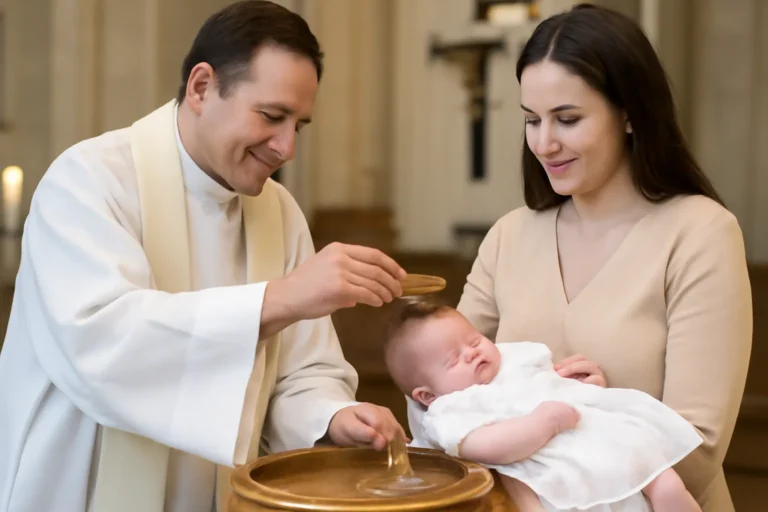
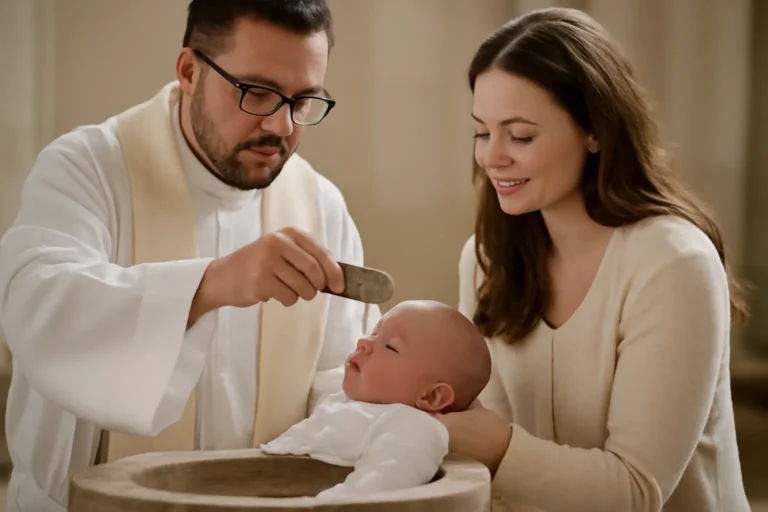
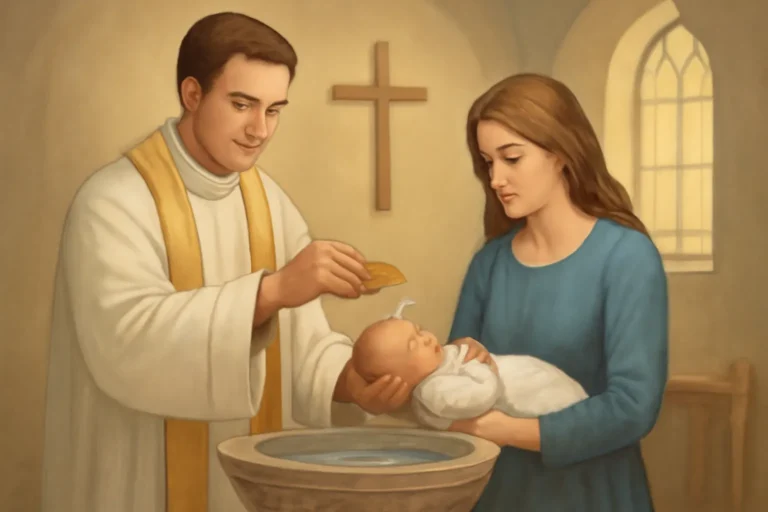
Today’s Christian landscape exhibits a remarkable range of baptismal practice and theology, reflecting centuries of development and diversity. In the Roman Catholic Church, baptism remains a sacrament administered with water and the trinitarian formula, often focused on infant baptism while preserving the option of adult baptism for converts. The Catholic tradition emphasizes the baptismal regeneration of the individual, the cleansing from original sin, and entry into the church, along with the expectation of ongoing catechesis and participation in the life of the Church—Eucharist and confirmation at a later stage.
In the Eastern Orthodox churches, baptism generally occurs by triple immersion and is immediately followed by chrismation (anointing with holy oil) and the reception of the Eucharist, often within the same service. The Orthodox view baptism as a holistic initiation into the Church, a transformation by the Holy Spirit, and a breaking with the former life of sin. The rites emphasize mystery, participation by the entire parish, and continuity with the ancient church’s liturgical calendar.
Protestant approaches diverge widely. Some denominations maintain infant baptism and see it as a seal of the covenant, while others emphasize adult confession of faith and believer’s baptism as a decisive step of discipleship. Within Lutheran, Anglican, Methodist, and Reformed churches, baptism is often understood as a means of grace administered in faith, with infant baptism seen as legitimate and meaningful when accompanied by upbringing in the faith. In many Baptist and Anabaptist communities, baptism is explicitly linked to personal faith and repentance, with immersion commonly being the preferred mode and baptism practiced as a public profession of faith.
A spectrum of modes: immersion, pouring, and, less commonly, sprinkling are practiced depending on tradition, local circumstance, and theological emphasis.
Liturgical emphases: some traditions place baptism within the broader liturgical life of the church, while others emphasize it as a personal or communal declaration of faith.
Ecumenical considerations: modern ecumenical movements encourage mutual recognition of baptism across many denominations, while still allowing for doctrinal differences about the full meaning of the rite.
Across history, water in baptism has borne multiple layers of meaning. It is a symbol of cleansing from sin, a sign of new life, an instrument of spiritual rebirth, and a public identity marker within the Christian community. The imagery of dying to the old self and rising to new life in Christ is common to many baptismal traditions, reinforced by the narrative of Jesus’ own baptism and by apostolic teaching about baptism as participation in the death and resurrection of Christ. The act of immersion itself is often read as a dramatic enactment of purification and transformation, while pouring water can symbolize the outpouring of the Holy Spirit and the reception of grace in contexts where immersion is impractical.
In medieval and later theology, the concept of baptismal regeneration—how and when grace is conferred—became central to many church teachings. While some groups have reinterpreted this in more symbolic terms, others have retained a strong sense that baptism is the primary means by which God’s promise of salvation enters a person’s life, often in conjunction with faith and repentance.
In the contemporary world, baptism continues to function as a public confession of faith, a rite of welcome into the church, and a symbol of spiritual renewal. It is often a family and community event, with a catechetical and spiritual dimension that may include baptismal preparation, teaching, and ongoing discipleship. In many places, baptism also intersects with issues of civil law, education, and culture, as communities navigate questions about religious freedom, parental involvement, and the rights of children and adults within religious communities.
Civic and cultural contexts: baptism can be a significant cultural marker, especially in societies with strong religious identities.
Ecumenical dialogue: modern conversations about baptism increasingly focus on shared understandings and mutual recognition across denominations.
Missional emphasis: many churches link baptism to missionary work, social witness, and community service as part of discipleship.
Because historical development, theology, and local culture all shape baptism, readers may encounter a wide range of practices. Here’s a practical overview of how different traditions approach baptism in contemporary times:
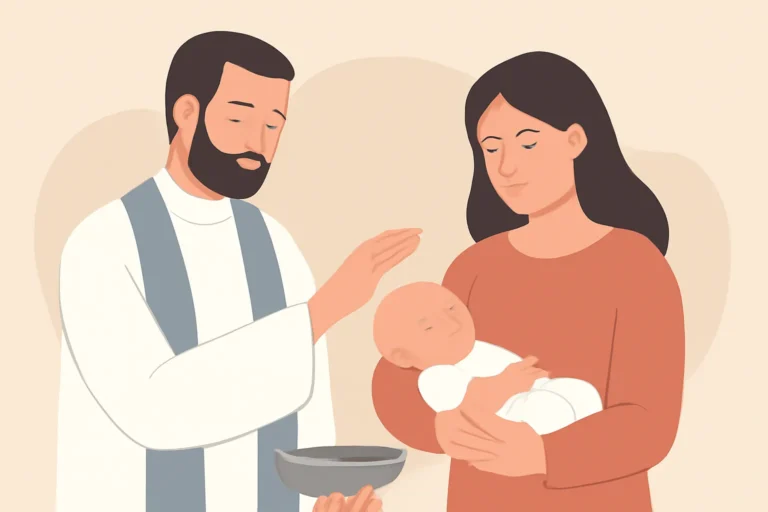
Infant baptism: commonly practiced in Catholic, Orthodox, Lutheran, Anglican, and some Reformed churches. It symbolizes incorporation into the body of Christ and the faith community, often followed by catechesis and first reception of the Eucharist when appropriate.
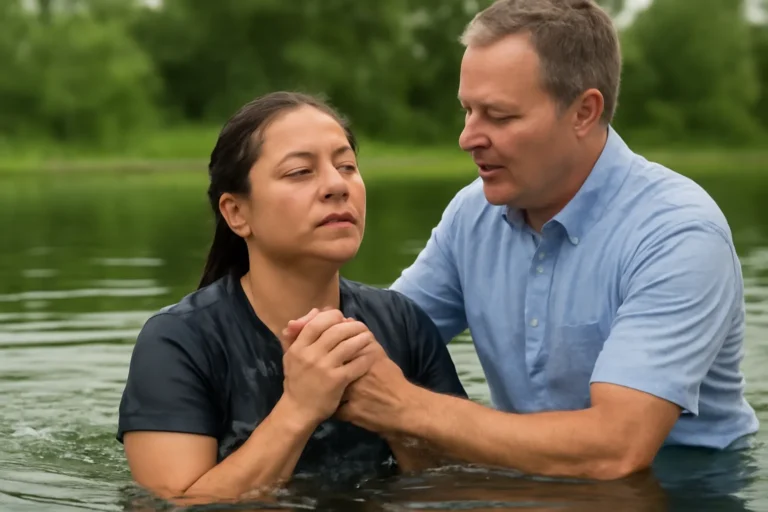
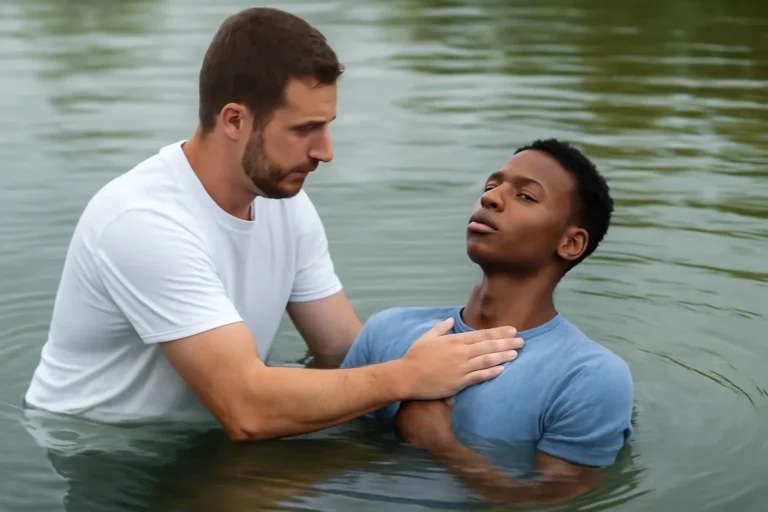
Believer’s baptism: usually practiced by Baptist, Anabaptist, Pentecostal, and some evangelical churches. Baptism is by confession of faith and is typically performed by immersion, emphasizing personal commitment and discipleship.
Mode: immersion is favored in many traditional Protestant circles and in many Baptist and Pentecostal communities; affusion (pouring water over the head) is common in Catholic, Orthodox, and some Protestant churches, especially when immersion is impractical.
Location and setting: baptism may occur in a church font, a river, a pool, or anywhere with a safe, practical water source, reflecting the symbolic reach of the rite beyond a single building.
Eligibility and preparation: catechesis, testimony, and a period of instruction are common to many traditions, though the length and depth of preparation vary widely.
The history of baptism reveals a rich tapestry of belief, practice, and community life. From ancient purification rites to the modern diversity of Christian practice, baptism has continually served as a visible acknowledgment of faith, an entry into a people of God, and a symbol of transformation by grace. While the theological emphases and liturgical details differ across traditions, baptism remains a powerful testament to the way Christians understand the intersection of faith, water, and community. Its enduring appeal lies in its capacity to speak in a concrete, public way about an inward trust in God and a commitment to live out that trust within a faith family that is called to bear witness to the gospel in the world.
As you explore the history of baptism, you may notice a common thread: baptism has always been more than a single rite. It is a living conversation among generations, shaped by historical moments, theological insights, and the lived experience of communities seeking to follow Christ. Whether practiced by immersion in tranquil rivers, a solemn pouring over the head, or a solemn immersion in a church font, baptism remains a sacramental sign that the old life has passed away and a new life has begun—an invitation to participate in the ongoing story of a people gathered by grace and sent into the world to share that grace with others.