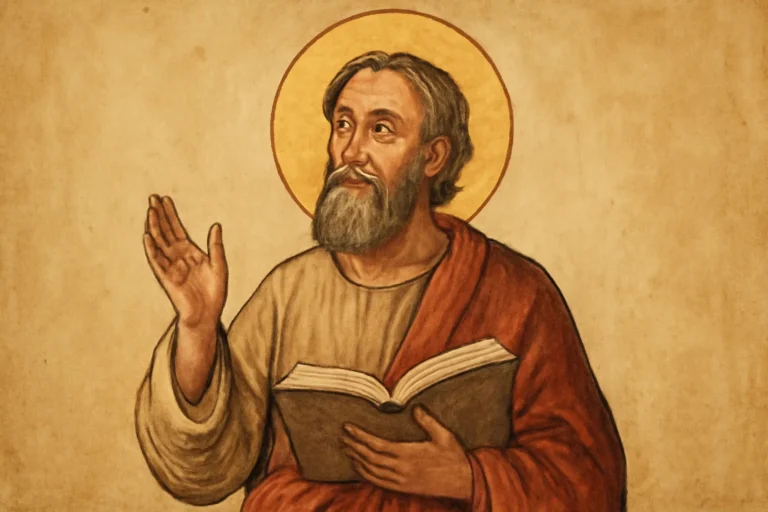
What Is an Evangelist in the Bible? Meaning and Role
The Bible uses the term evangelist to describe a person whose primary task is to proclaim the gospel—the good news about Jesus Christ—to people who have not yet believed. The word comes from the Greek euangelistes, itself derived from euangelion, the noun for “good news.” In the New Testament, this designation is connected to a calling, a gift, or an office that centers on communicating salvation in Christ, inviting response, and seeing others come to faith. While many Christians participate in evangelism as a practice, the biblical term also carries a sense of structure within the church’s leadership and mission. In short, an evangelist is evaluated by whether their life and message consistently center on the person and work of Jesus and the invitation to trust Him for salvation.
This article surveys what the Bible means by an evangelist, how the term is used in different New Testament passages, and how this role relates to the broader pattern of Christian ministry. We’ll explore biblical examples, the distinction between a divine calling and a church office, and what modern readers can learn from the ancient practice of evangelism. Along the way, you will encounter key ideas such as gospel proclamation, the Great Commission, and the way the early church organized the spread of the gospel.
Origins and Meaning: What the Word Signifies
The root idea behind evangelist is not merely telling stories; it is delivering news that has eternal significance—the news about Jesus’ life, death, and resurrection and the invitation to respond in faith. In the Greek New Testament, euangelistes is used to describe someone who proclaims the good news about Jesus Christ. This is not merely a secular courier of information; it is a spiritual calling tied to the salvation narrative of the Bible.
The gospel itself centers on the person of Christ and the work He accomplished for humanity. The phrase “the gospel” appears repeatedly in the Gospels and the Acts of the Apostles as the news about Jesus—who He is, what He did, and what it means for sinners to believe. An evangelist prioritizes that message, aims to awaken faith, and leads hearers toward repentance, faith, baptism, and discipleship.
It is common to see the terms evangelist, evangelism, and gospel proclamation used together, but each has its own emphasis. An evangelist is the messenger; evangelism is the practice of spreading the gospel; the gospel is the content of the message that must be proclaimed.
Office, Gift, or Calling? How the Bible Categories Evangelists
A central question in biblical interpretation is whether evangelist denotes a formal church office (like other fivefold roles) or a special gifting within the broader calling of all believers. The New Testament provides three relevant references:
Ephesians 4:11-12 describes Christ giving gifts to the church: “And He gave some apostles, and some prophets, and some evangelists, and some pastors and teachers; for the equipping of the saints for the work of service, to the building up of the body of Christ.” Here the term is presented as part of a fivefold ministry intended to equip Christians for ministry.
2 Timothy 4:5 contains the apostle Paul’s instruction to his young disciple: “But you, keep your head in all situations, endure hardship, do the work of an evangelist, discharge all the duties of your ministry.” This verse is often cited to indicate that Timothy had a particular responsibility to engage in evangelism, even if he did not hold the same office as Paul.
In Acts 8 (and surrounding chapters), the figure known as Philip the Evangelist is described performing a distinct mission in Samaria, preaching the gospel, performing miracles, and guiding new believers. This is one of the clearest biblical portraits of a person explicitly called an evangelist in the narrative.
Taken together, these passages suggest two related ideas. First, the church recognizes that some individuals have a particular capacity and authority to lead others to Christ through evangelistic preaching, teaching, and ministry. Second, the work of evangelism is not limited to one office; all believers are called to participate in sharing the gospel, though some are especially gifted or commissioned for evangelistic leadership within the church.
Different Christian traditions emphasize different nuances. Some treat the evangelist as a distinct apostolic office—a role that helps train and mobilize the church’s outreach. Others emphasize a broader sense in which every disciple is called to “be ready to give an answer” for the faith (1 Peter 3:15) and to engage neighbors, friends, and strangers with the message of Jesus. The biblical portrait remains with a tension: a unique, recognized role within organized ministry, alongside a universal calling to share the gospel.
Biblical Examples: Philip the Evangelist and the Scriptural Pattern
Philip the Evangelist (Acts 8; Acts 21:8)
One of the clearest biblical examples of an evangelist is Philip, described explicitly as “Philip the evangelist” in Acts 21:8. The narrative in Acts 8 recounts how Philip preached the good news in Samaria, with signs and wonders accompanying the message, resulting in many conversions. The account emphasizes several practical features of his ministry:
He started where people were, addressing their burdens and questions with the gospel.
He demonstrated the power of the gospel through visible signs that confirmed the message (miracles, deliverance, etc.).
The ministry extended beyond preaching; it included baptisms, instruction in the Scriptures, and integration into the local church community.
His work culminated in a strategic transition as the Spirit led him to another context—an example of how evangelists may work in different regions and among diverse audiences.
In Acts 21:8, the reference to Philip as an evangelist preserves a personal identity within the broader church. He is not merely a traveling speaker; he is a church leader whose primary function centers on announcing and applying the gospel in real-life settings.
Timothy’s Calling: The Instruction to Do the Work of an Evangelist (2 Timothy 4:5)
Although Timothy is not called an evangelist in the fivefold list, the apostle Paul explicitly charges him to “do the work of an evangelist.” This imperative demonstrates a few important dynamics:
Evangelism is a formative duty for faithful ministry, not a temporary seasonal activity.
Even leaders who primarily shepherd and teach must maintain an evangelistic emphasis—sharing the gospel in word and deed.
The call to evangelize is tied to endurance, perseverance, and a sense of urgency in presenting the message of Christ.
For modern readers, this passage highlights the compatibility of evangelistic activity with leadership roles in the church. It invites every minister to cultivate practical skills—clear proclamation, compassionate listening, and the ability to articulate the gospel in culturally relevant ways.
Other biblical notes on evangelism in the early church
While Philip is the centerpiece of a named evangelist, the broader biblical pattern shows that the early church prioritized evangelism as a life-sustaining practice. The church in Jerusalem, then in Judea and Samaria, and eventually to the ends of the earth, shows that evangelistic preaching was a core component of the apostolic mission. Great Commission language (Matthew 28:19-20; Mark 16:15) undergirds this pattern, reinforcing that the gospel is for all tribes, nations, and languages and that the church is called to multiply disciples through evangelism and teaching.
The Purpose and Methods of an Evangelist
Beyond the identity of a person, a biblical evangelist has a defined purpose: to warn, persuade, and invite people to respond to Jesus Christ. This involves both proclamation and invitation, as well as instruction and formation in the faith.
Proclaiming the Gospel: The central task is to declare who Jesus is, what He did, and why it matters for salvation.
Calling to Repentance: The message invites a response—turning away from sin and turning toward God through faith in Christ.
Disciple-Making: Evangelism often leads into discipleship—teaching new believers to grow in faith, understand Scripture, and live as followers of Jesus.
Cross-Cultural Reach: The gospel is universal, and evangelists frequently adapt methods to reach different people groups and contexts without compromising the core message.
Practical methods emphasized in the New Testament include preaching, teaching, personal conversation, acts of service, and signs that validate the message in some contexts. The Holy Spirit’s role is to empower the witness (Acts 1:8; 2:4), approve the message with conviction in the hearers, and knit new believers into a community of faith.
Characteristics of an effective biblical evangelist
The Bible emphasizes certain traits that accompany effective evangelistic ministry. These include:
Boldness in presenting the gospel with love and truth.
Clarity about the core Christian message—sin, the cross, repentance, faith, baptism, and discipleship.
Compassion for people who are spiritually blind or hostile to the gospel.
Wisdom in adapting the message to different audiences without compromising essential truths.
Humility and dependence on the Holy Spirit rather than on cleverness or human sophistication.
The Great Commission and Evangelism
The ministry of any biblical evangelist exists within the larger framework of the Great Commission. Jesus commanded His followers to go and make disciples of all nations, baptizing them and teaching them to obey His commands (Matthew 28:19-20). The connection to evangelism is clear: sharing the gospel is the first critical step in the process of making disciples. An evangelist’s work is often most visible in the initial exposure of people to the message of Christ, after which discipleship continues in local churches through teaching, fellowship, and spiritual formation.
The Great Commission also expands the horizon beyond personal evangelism to mission-oriented church growth. In many biblical texts, evangelism is not merely individual conversations but the formation of communities where the gospel is taught, practiced, and defended. This is why the role of an evangelist in the New Testament is frequently linked to the broader objective of equipping the saints so they can also participate in outreach (Ephesians 4:11-12).
Practical Applications for Today
For readers seeking to understand what is an evangelist in the Bible in a practical sense, several takeaways help bridge ancient practice with contemporary ministry:
Equip the entire church for outreach: The fivefold ministry (apostles, prophets, evangelists, pastors, teachers) is designed to equip believers for service. Churches can foster a culture of evangelism by training members in how to share their faith gracefully, understand the gospel clearly, and answer common questions.
Value personal evangelism as a core practice:** Every believer can participate in doing the work of the gospel; even if someone isn’t called to the office of evangelist, they can witness, invite, and engage in conversations about Jesus.
Balance proclamation with discipleship: Evangelistic effort should lead to nurture and instruction—new believers need grounding in Scripture, community, and spiritual disciplines to mature.
Adapt to culture without compromise: The gospel remains unchanging, but the method of communication should be context-sensitive, respectful, and clear.
Practical planning for churches might include evangelism training, open-air preaching in certain contexts, outreach events, digital outreach, and simple, relational conversations that invite people to respond to Christ. The biblical model emphasizes both courage and wisdom—sharing the gospel with clarity while listening deeply to those who hear it.
Personal conversations in homes, workplaces, schools, and social networks.
Public preaching in synagogues, plazas, parks, or church gatherings.
Community service and acts of love that demonstrate the gospel in tangible ways.
Bible study and teaching environments where the gospel is explained and questions are answered.
Common Misconceptions About Evangelists
As with many biblical terms, there are several misunderstandings about what an evangelist is and does. Here are a few clarifications:
Not every believer is an evangelist, but every believer is called to testify to the gospel in some form (Matthew 28:19-20; Acts 1:8).
Businesslike or overly sensational methods are not requirements for biblical evangelism; the core is faithful proclamation of the gospel in love, truth, and integrity.
Evangelists are not solely itinerant preachers; they can be laypeople within a local church, teachers who equip, or leaders who catalyze outreach in a given community.
The Bible presents evangelism as both a personal calling and a communal enterprise. The goal is not to win arguments but to invite faith, lead to transformation, and establish communities where Jesus is worshiped and obeyed.
Evangelist means “one who proclaims the gospel” and comes from the Greek for “good news.”
The term appears explicitly in Acts 21:8 with Philip the evangelist and in Ephesians 4:11 as part of the fivefold ministry.
2 Timothy 4:5 shows the imperative to “do the work of an evangelist,” highlighting evangelism as an ongoing duty in ministry.
There is a biblically supported distinction between the office/gift of an evangelist and the universal calling of all believers to share the gospel.
Whether viewed as a specialized role within the early church or as a broad, ongoing responsibility for all Christians, the evangelist is central to God’s plan to spread the message of Jesus Christ. The Bible presents evangelism as both a message and a way of life—one that seeks to bring people into saving faith and into the fellowship of Christ’s body, the church.