The Garden of Gethsemane is more than a geographic location in the biblical narrative; it is a symbolic and
theological stage where one of history’s most pivotal moments unfolds. The name itself is deeply informative.
The word Gethsemane is commonly understood to derive from an Aramaic or Hebrew root that scholars connect with
an olive press. In many translations and traditions, the phrase is rendered as the Garden of the Olive Press.
This etymology points to a landscape where olives were cultivated and processed, a setting that carries layers of meaning about
pressure, transformation, and quiet endurance. In the cultural imagination of ancient Judea, an olive press was a place
where oil — a precious treasured product used for light, healing, and ceremonial purposes — was extracted under physical strain.
The title can also be understood in broader terms as a garden among olives or, simply, a garden near the Mount of Olives.
In either reading, the imagery invites reflection on cultivation, growth, and the interplay between nature and a moment that
defined Christian witness for generations. Across biblical and post-biblical literature, the Gethsemane garden becomes
a locus where human fear and divine purpose intersect, inviting readers to contemplate what it means to choose obedience in the face of
suffering.
Geography, Location, and Historical Context
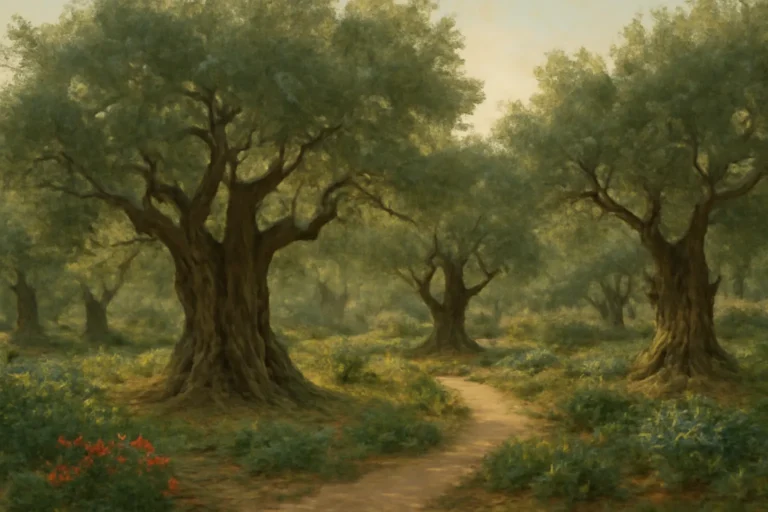
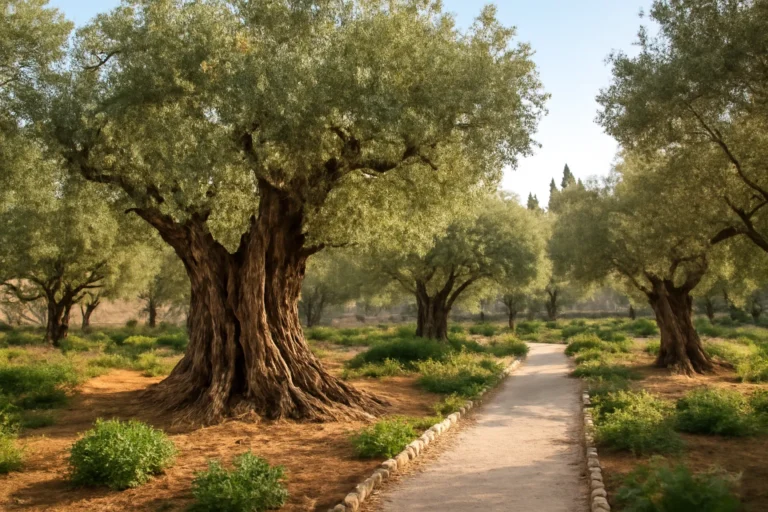
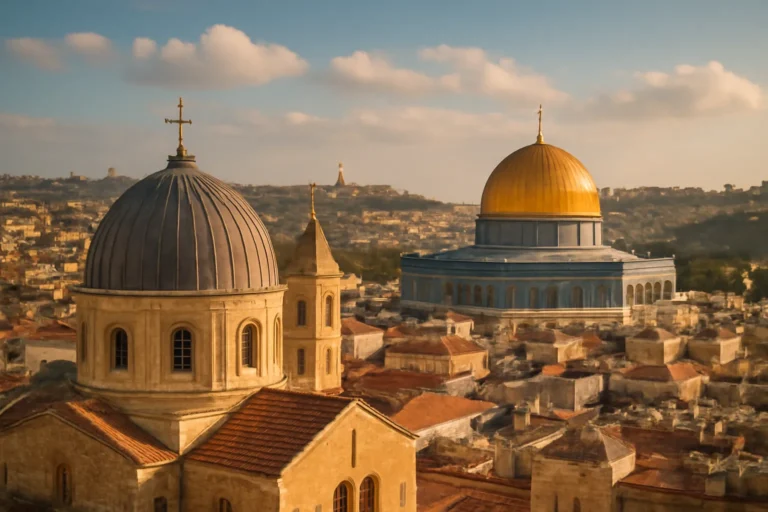
The Garden of Gethsemane sits at the edge of the old city of Jerusalem, at the foot of the Mount of Olives, along the
path that descends toward the Kidron Valley. This hillside district was known for its olive trees and for gatherings
that connected agricultural life with religious and political rhythms of ancient Jerusalem.
Geographical setting: a hillside garden near Jerusalem’s southeastern border, adjacent to the Kidron Valley.
Ecological symbol: an olive grove representing both fertility and endurance.
Historical context: a place where ordinary labor and extraordinary events converge in the biblical narrative.
The olive trees and the surrounding landscape of the Mount of Olives in biblical times would have provided shelter, shade, and a
space for quiet reflection. In the Gospels, the garden becomes a sanctuary where Jesus prays during a time of acute distress,
yet remains resolute in his mission. The physical setting helps readers understand the gravity of the moment as well as the
emotional and spiritual dimensions of the events that lead to the crucifixion.
Gospels, Accounts, and a Narrative Overview
The story of the Garden of Gethsemane is presented in multiple New Testament accounts. While each gospel writer
emphasizes different aspects, together they form a comprehensive portrayal of Jesus’ emotional struggle, his prayerful appeal to
the Father, and the looming crisis of betrayal and arrest.
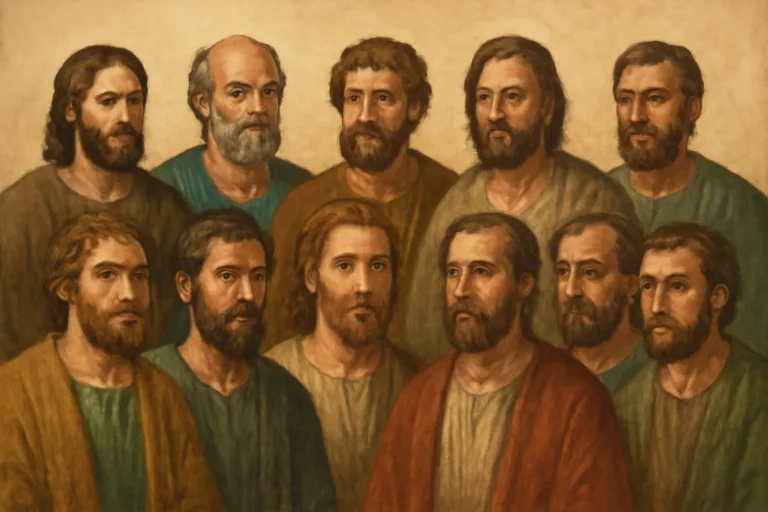
In the Gospel of Matthew, the garden scene begins with Jesus taking his disciples to a place he names and tells them to
stay awake and keep watch. The narrative highlights Jesus’ distress, his prayer for God’s will to be done, and his
ultimate submission: “Not what I will, but what you will.” The moment is framed as a model of obedience under pressure,
where the human fear meets a divine calling.
Mark’s emphasis on companionship and trial
Mark’s version presents a parallel scene with a similar cadence: Jesus prays while the disciples struggle to stay awake.
The word cup appears as a symbolic burden to be faced, and there is an unmistakable sense of impending crisis.
The olive garden setting underscores a place where secrecy and revelation sit close together—where Jesus’
resolve becomes clear amid the sensory realities of fear, sweat, and fatigue.
Luke’s account: divine intervention and human vulnerability
Luke adds a crucial note: an angel from heaven appears to strengthen Jesus in his moment of anguish. This divine
intervention frames the event not only as a personal trial but as a moment in which the divine sustenance fosters faithful
endurance. Luke also emphasizes Jesus’ reverent submission to the Father’s plan, echoing themes of prayer, petitions, and quiet
trust in the face of mortal hazard.
John’s portrayal: the garden and the path toward the arrest
John’s Gospel adds a different texture by drawing attention to the arrangement of the garden’s setting and the episodes that
follow. While John does not dwell on every sensory detail, his account keeps the focus on Jesus’ sovereign course toward the
confrontation that follows, underscoring the intentionality of his mission even as fear and sorrow press in.
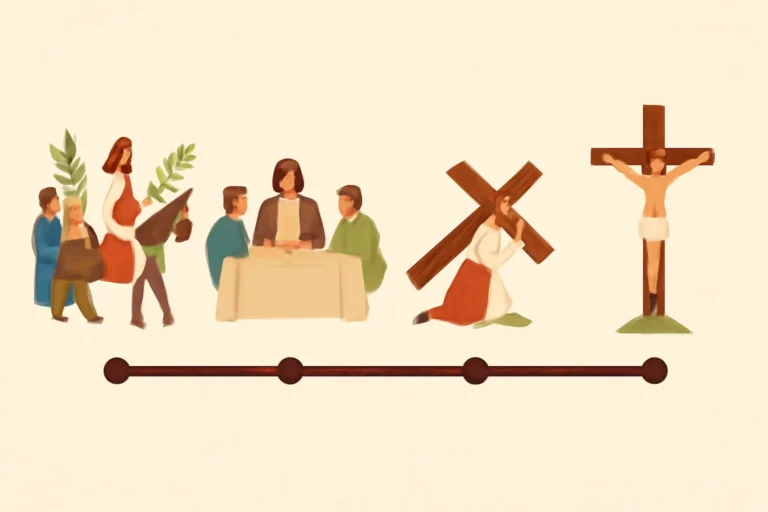
Across these accounts, the Garden of Gethsemane emerges as a hinge between the ministry of Jesus and the events of
his Passion. The narrative arc—from prayer to betrayal—frames what many readers consider the pivot point in the Gospel story
about obedience, suffering, and redemptive purpose.
Theological Significance and Central Themes
The Gethsemane garden scene is a rich resource for theological reflection. It gives shape to several enduring
themes that recur in Christian thought, liturgy, and devotion. By focusing on the interplay of human vulnerability and divine
sovereignty, the accounts illuminate what it means to trust God amid fear, to submit one’s will to a higher purpose, and to
stand in solidarity with suffering humanity.
Obedience to the Father: The core decision in the garden is submission to the divine will, even when the path is painful.
Human fragility and divine support: Jesus’ agony reveals the depth of human struggle and the tenderness of heavenly intervention.
Prayer as a form of resistance and resilience: The repeated call to prayer underscores its role in shaping character under pressure.
The symbolic meaning of the “cup”: The cup represents suffering, destiny, and the weight of responsibility borne for others.
Watchfulness and discernment: The disciples’ failure to stay awake contrasts with Jesus’ vigilance, offering a meditation on faithfulness.
Angelic strengthening: The appearance of an angel in Luke’s account signals divine accompaniment in the darkest moments.
The olive press imagery in the name Gethsemane echoes the theme of presses and pressures — not merely physical, but
moral and spiritual. The garden becomes a symbol of how gritty reality and divine purpose can coexist in a single moment, inviting
readers to consider how they respond to moments of crucible in their own lives.
Historical and Doctrinal Interpretations
Throughout church history, the Gethsemane narrative has been a touchstone for discussions about obedience,
suffering, and the mystery of divine will. Different traditions have emphasized various facets of the scene, from the theologically
precise language of the early church to the pastoral concerns of modern exegesis.
Patristic and medieval insights
Early Christian writers often used the garden scene to illustrate the supremacy of Christ’s obedience over fear and to highlight the
solidarity of the Son with the human condition. The image of prayer under pressure has been invoked to remind believers that
faithfulness sometimes requires costly endurance. In medieval contemplation, the garden is a locus for meditation on the humility
of Christ and the gravity of the path to the Cross.
Renaissance and Reformation perspectives
During the Reformation and subsequent theological developments, scholars and pastors explored the garden episode as a test case
for the nature of Christ’s humanity and the sufficiency of his obedience. The scene is often cited in sermons as a model for
courageous surrender to God’s plan, even when personal comfort or safety is at stake.
Contemporary exegetical approaches
In contemporary biblical scholarship, the Garden of Gethsemane is discussed with attention to historical context,
social setting, and literary structure. Critics examine the interplay of voice (Jesus’ dialogue with the Father), audience
(the disciples who sleep), and symbol (the olive grove, the cup, the passion that follows). The goal is to trace how these
elements function together to convey a coherent message about purpose, power, and the ethics of witness.
Practical and Spiritual Implications for Modern Faith
Readers today can draw several practical lessons from the Garden of Gethsemane that resonate across
cultures and eras. The garden’s message speaks not only to theologians but to anyone navigating times of difficulty, moral
testing, or uncertainty about the road ahead.
Prayer as resilience: In moments of pressure, sustained prayer can anchor one’s heart and align desires with God’s will.
Honesty before God: Jesus’ openness about fear demonstrates that authentic feelings do not disqualify faith; they refine it.
Submission and discernment: The call to discern and submit to a larger purpose invites readers to examine the shape of their own decisions.
Solidarity with the suffering: The scene invites believers to stand with those who endure pain, knowing that suffering does not erase dignity.
Hope amid darkness: The garden culminates in steadfast trust, offering a model for holding onto hope when outcomes are uncertain.
The garden setting emphasizes that faith formation often takes place where personal fear and communal responsibility meet. By studying
the Gethsemane scene, readers can cultivate a more resilient, compassionate, and obedient approach to life’s trials.
The Garden of Gethsemane has inspired a vast spectrum of artistic, literary, and musical expressions. From
classical paintings and illuminated manuscripts to contemporary poetry and film, creators have sought to render the emotional
intensity and doctrinal weight of this moment.
Visual art: Depictions often show Jesus praying in a moonlit garden, with anxious disciples nearby, a stark reminder of
vigilance and divine intent.
Literary reflection: Writers frequently explore the tension between fear and obedience, offering interpretive meditations
on how faith negotiates fear in real-life settings.
Liturgy and worship: The garden motif appears in prayers, meditations, and Passion plays, inviting congregations to
pause, reflect, and recommit to compassionate action.
The symbolic association with olive trees and the oil press continues to inform spiritual practice. In some
traditions, meditation on the garden is paired with contemplative practices that invite participants to surrender their own desires
to a greater good, mirroring the Scriptural call to align personal will with divine intention.
The Garden of Gethsemane remains a potent symbol in Christian memory because it embodies the tension between
human vulnerability and divine purpose. It presents a narrative where fear, devotion, and fidelity converge, offering a model for
living with integrity under pressure. The olive grove at the foot of the Mount of Olives—whether read as a literal place or as a
rich symbolic landscape—continues to invite believers to reflect on courage, prayer, and obedience as they navigate the moral
complexities of life today.
In studying this story, readers are encouraged to consider how the motifs of prayer, obedience, and trust in God can inform personal decisions and communal witness. The olive press metaphor invites
us to see hardship not as a meaningless burden but as a context in which character is shaped, faith is tested, and grace is
revealed. As the gospel narrative continues to be heard and studied, the Garden of Gethsemane endures as a place of encounter—
a place where heaven touches earth, inviting transformation for those who listen, reflect, and respond with courage.
May the Garden of Gethsemane remind us that fidelity to the divine call often begins in ordinary places and quiet
moments, and that even in deep distress, a deeper purpose can emerge when one remains open to truth, prayer, and compassionate action.