Understanding the Calling and Identity of a Baptist Pastor
The path to becoming a Baptist pastor begins with a deep sense of calling and a commitment to the gospel and to shepherding a local church. In Baptist life, the pastor is not merely a lecturer or a organizational manager; the pastor is a spiritual servant who preaches the Scriptures, loves the congregation, and facilitates growth in faith. Because Baptist churches emphasize congregational governance and the autonomy of the local church, the pastor’s leadership is often shaped by the church’s own spiritual disciplines, doctrinal commitments, and practical needs.
When many people think about becoming a Baptist pastor, they imagine a one-size-fits-all path. In reality, there is variation across Baptist traditions—from Independent Baptists to Southern Baptists to American Baptists—and even within a single church, the process may reflect the church’s unique history and polity. Regardless of tradition, several core elements unite most trajectories: a sincere spiritual calling, a life marked by moral integrity, a capacity to teach and shepherd, and a commitment to a student’s lifelong learning in theology and pastoral practice.
Educational Pathways for Baptist Pastors
Education plays a central role in shaping a pastor’s understanding of Scripture, theology, and pastoral practice. Two common tracks exist, but many travelers blend elements from both. It is important to recognize that education in ministry can be pursued in multiple settings, and Baptist communities frequently value both formal credentials and practical ministry experience.
Formal degree routes
Bible college or undergraduate theology programs: An undergraduate degree in Biblical studies, theology, ministry, or a related field often provides a solid foundation for future study. This stage helps a student build competence in Bible study methods, hermeneutics, church history, and preaching.
Master of Divinity (M.Div) or equivalent graduate training: The M.Div is a common credential for Baptist pastors, offering thorough coursework in exegesis, preaching, pastoral care, church leadership, and missions. Some students pursue a Master of Theological Studies (MTS) or a Master of Theology (Th.M) for advanced study, which can deepen specialization or prepare for teaching roles in seminaries.
Additional master’s degrees may include Master of Arts in Biblical Languages, Master of Sacred Theology, or other pastoral-focused programs. These degrees can complement the M.Div or stand alongside it for particular career paths within higher education, missions, or specialized ministries.
Biblical training at a local church or Bible college with an emphasis on practical ministry, preaching, and ministry leadership rather than a formal seminary degree.
Seminary residency or pastoral apprenticeship: Some denominations or churches offer a structured residency that combines classroom instruction with hands-on ministry under experienced pastors.
On-the-job learning while serving in youth ministry, worship leadership, or preaching for smaller congregations, often supplemented by distance education or modular courses.
Choosing the right educational setting
When evaluating schools and programs, consider factors such as denominational alignment, doctrinal clarity, faculty expertise, and practical training in preaching, pastoral care, and leadership. Some Baptist entities require or strongly encourage seminary education for ordained ministry, while others emphasize the local church’s discernment and practical testing of gifts. It is wise to consult with a trusted pastor or mentor in your network to understand what is valued within your intended denomination and local church.
Education alone does not prepare a person to lead a congregation. Real-world ministry experience, guided by seasoned mentors, is indispensable. The most fruitful paths intertwine classroom learning with ongoing service in the local church.
Types of ministry experiences that build readiness
Preaching and teaching opportunities—opening sermons, Bible studies, Sunday school, and small groups.
Pastoral care and counseling—visiting families, crisis ministry, weddings, funerals, and visitation.
Worship leadership and music ministry—planning services, leading congregational singing, and coordinating with worship teams.
Student and youth ministry—mentoring young believers, organizing retreats, and teaching discipleship curricula.
Church administration—participating in church committees, budgets, communications, and program development.
Mentorship and spiritual formation
A core component of preparation is mentorship. A prospective pastor should seek a pastor or veteran church leader who can provide accountability, feedback on sermons, guidance on theological questions, and counsel about character formation. Regular accountability relationships help ensure that a candidate’s character, integrity, and doctrine align with the responsibilities of shepherding a flock.
The Ordination Process in Baptist Traditions
Ordination in Baptist settings is a significant milestone that confirms a person’s calling and recognizes their readiness to serve as a pastor or elder in a local church. It is often a distinctly local ceremony rather than a centralized rite administered by a national denomination. The exact steps can vary, but some common patterns appear across many Baptist contexts.
Core elements commonly involved in ordination
Declaration of the call on the part of the candidate, often documented in a personal testimony or sermon noting the sense of God’s direction for ministry.
Doctrinal and personal examination before an ordination council or a similar body, which reviews the candidate’s beliefs, personal character, and readiness to shepherd a congregation.
Recommendation by the local church or an ordained ministry committee, demonstrating support from the faith community and leadership for ordination.
Presentation of doctrinal statements and a summary of the candidate’s educational and practical preparation, sometimes accompanied by a statement of faith, baptism history, and life testimony.
Ordination service (often including laying on of hands and prayers), conducted by the congregation’s leaders or by representatives from the church’s associations or councils.
It is essential to understand that ordination requirements can differ by church and association. Some Baptist groups place strong emphasis on a formal licensure before ordination, while others focus primarily on the local church’s assessment of gifts and calling. Some associations expect a candidate to complete seminary training specifically, while others prioritize pastoral experience and doctrinal alignment above academic credentials. Prospective pastors should consult with their local church leadership and the relevant Baptist association to understand the exact process and criteria in their context.
Licensing, Credentialing, and Credentialing Practices
In the journey toward pastoral leadership, several credentialing steps may appear before or alongside ordination. These steps help ensure accountability and provide the church with assurance about the candidate’s readiness to lead.
Licenses and credentials often seen in Baptist ministry pathways
Licensing to preach or licensure—an initial credential indicating that the church recognizes a person’s call and allows them to preach and teach under supervision while continuing to prepare for ordination.
Ordination credentials—the formal recognition by a local church or association that a person is authorized to serve as a pastor or elder with full responsibilities.
Credentials from associations or conventions—some Baptists seek endorsement or standing from a regional association or convention, which may involve doctrinal alignment checks and periodic reaffirmation.
The exact forms of credentialing often depend on the denomination or association and the local church’s polity. The Baptist model tends to emphasize local church autonomy and accountability to the congregation, with credentials administered by the church itself or by the churches’ coordinating bodies, such as an association or state convention. This distinctive arrangement reflects the Baptist conviction that each congregation has the right and responsibility to determine the qualifications and leadership for its own ministry.
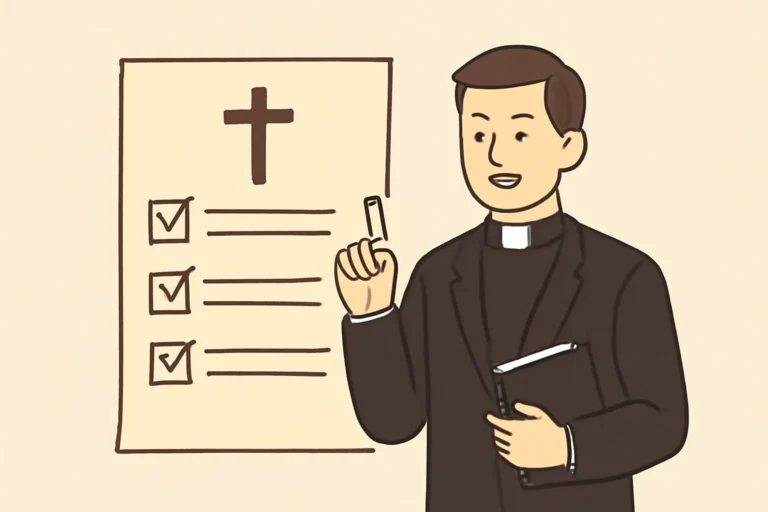
Putting It All Together: A Step-by-Step Roadmap
While every journey is unique, the following steps offer a practical roadmap to becoming a Baptist pastor. They blend the educational, experiential, and ecclesial dimensions described above into an actionable sequence.
Discern the calling and establish a solid spiritual foundation through steady church involvement, personal devotion, and accountability with mature believers.
Engage with your local church—start serving in visible roles such as teaching a Bible study, leading a youth group, or assisting in preaching, under the guidance of a senior pastor.
Clarify doctrinal alignment—examine your beliefs in light of Baptist distinctives: believer’s baptism by immersion, the priesthood of all believers, the autonomy of the local church, and congregational governance.
Choose an educational path—decide whether to pursue a Bible college track, a seminary-based track, or a combination that fits your context and resources.
Gain practical ministry experience—take on internships, residencies, or apprenticeships, build a track record of preaching, pastoral care, and leadership.
Develop a doctrinal statement and personal portfolio—write a clear confession of faith, summary of preaching philosophy, and a record of ministry experiences.
Seek mentorship—connect with a pastor or church leader who can provide accountability, feedback, and guidance on your call and preparation.
Prepare for credentialing—if your tradition requires, begin the process toward licensure or ordination, including any examinations, questionnaires, or interviews.
Prepare for ordination— work toward the approval of an ordination council or board, present your mission and doctrine, and demonstrate character and competency in pastoral leadership.
Seek a pastorate or lead pastoral role—network, apply, and interview for opportunities where your gifts and calling align with a church’s needs and culture.
Continued education and growth—engage in ongoing learning, mentoring, and development in preaching, counseling, leadership, and theology.
Maintain spiritual health—prioritize accountability, family life, personal devotion, and ongoing spiritual disciplines as you shepherd others.
Common Variations Across Baptist Denominations
The Baptist family is diverse, with variations in polity, theology, and practice. Some broad differences to consider as you plan your path include:
Independent Baptists often emphasize local church autonomy, strong emphasis on congregational decision-making, and a cautious approach to denominational oversight. Training may be flexible, with many pastors coming through Bible colleges or seminary while maintaining a local-church-centric ministry formation.
Southern Baptists may expect or encourage seminary-level training (usually at a denominationally affiliated seminary) and often operate within a formal associational network that supports pastoral credentials, continuing education, and cooperative mission efforts.
American Baptists value collaborative structures and may emphasize broader denominational resources for education and credentialing, while still honoring the autonomy of local churches in calling pastors and approving ordination.
Other Baptist groups may blend church-based discernment with regional or national bodies that provide doctrinal standards, credentialing norms, and accountability mechanisms.
Regardless of the specific tradition, the core purpose remains: to proclaim the gospel, teach the Bible, shepherd the flock, and lead the congregation in mission. Aspiring pastors should research the particular expectations of the denomination or association they feel drawn to, talk with current pastors in that tradition, and seek guidance from mentors who know the local church context well.
Sustaining a Ministry: Pastoral Wellness, Leadership, and Legacy
The long arc of pastoral ministry requires more than vocation and knowledge; it requires sustainable leadership and robust spiritual health. Some ongoing areas to cultivate include:
Pastoral care with emotional intelligence—being present with people in crisis, grief, and transition while maintaining healthy boundaries.
Sound doctrine and careful preaching—preparing sermons that are biblically faithful, culturally sensitive, and practically applicable.
Healthy leadership teams—working with deacons, ministry teams, and lay leaders to implement vision and manage church life.
Ethical integrity and accountability—welcoming accountability relationships, financial integrity, and transparent governance.
Continued education—participating in conferences, reading, and formal study to stay sharp in theology and ministry practice.
A pastor’s lifelong education is complemented by spiritual disciplines such as prayer, Bible study, worship, and family devotion. Building a ministry that flourishes over decades depends on a durable sense of purpose, a healthy personal life, and a supportive church community that prays, serves, and grows together.
Resources and Next Steps for Aspiring Baptist Pastors
If you are exploring this path, here are practical next steps and trusted resources to consult:
Speak with your current pastor about your sense of calling, receiving feedback on gifts, and guidance for next steps.
Visit nearby Baptist churches to observe preaching, leadership style, and congregational life; ask about their credentialing expectations for internal candidates.
Research denominational or associational websites for credentialing policies, ordination requirements, and recommended educational programs.
Contact seminaries and Bible colleges about programs, residency opportunities, and context-specific pathways in Baptist ministry.
Seek mentorship from experienced pastors who can coach you through sermon preparation, pastoral care, and leadership challenges.
The journey to becoming a Baptist pastor is a meaningful and demanding commitment. It blends theological study, practical ministry, spiritual formation, and ecclesial discernment. By pursuing a balanced path—combining deep study with hands-on ministry, and supporting that effort with mentorship and accountability—you can prepare to serve a church effectively and faithfully.
Final Thoughts on Practicing What You Preach
A pastor’s life is a stewardship of both the gospel and the trust placed in them by a local congregation. The calling to ministry is sustained by a habit of lifelong learning, a life of moral integrity, and a commitment to serve others with the humility and courage Christ modeled. Whether your route takes you through a seminary, a Bible college, or a church-based apprenticeship, the destination remains the same: to love God, to love people, and to lead a church toward faithful, fruitful ministry in a complex world.