Good Friday Timeline of Events: Chronology of the Passion Week
Good Friday stands as a pivotal moment in the Christian narrative, a day that centers the narrative of sacrifice, forgiveness, and reconciliation. This article offers a comprehensive timeline of events for Good Friday, presenting a careful chronology that aligns with the Gospel accounts while acknowledging the variations in emphasis across traditions. Readers will encounter a walkthrough of the events in the Passion Week, from the night of arrest through the crucifixion and burial, with careful attention to the sequence, the people involved, and the theological significance embedded in the timeline. Throughout, you will find multiple phrases that describe the same idea—the timeline of events on Good Friday, the Good Friday chronology, and the chronology of the Passion on Good Friday—so that the broader semantic web around this topic becomes clearer and more accessible.
Foundational context for the Good Friday chronology
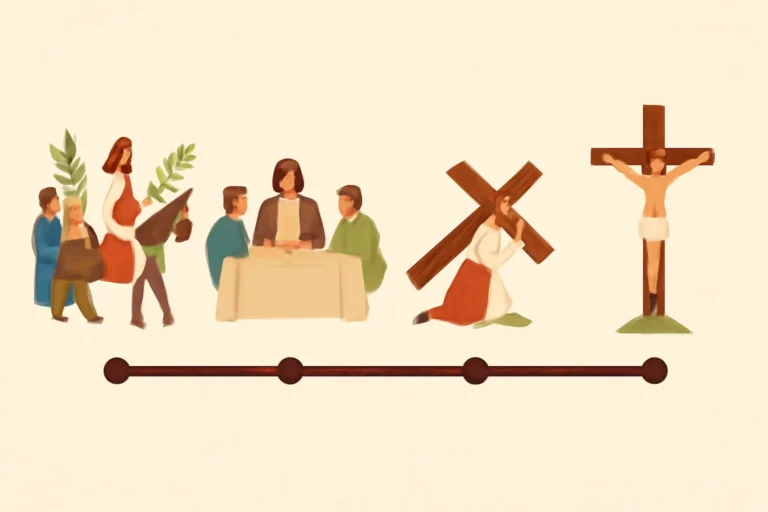
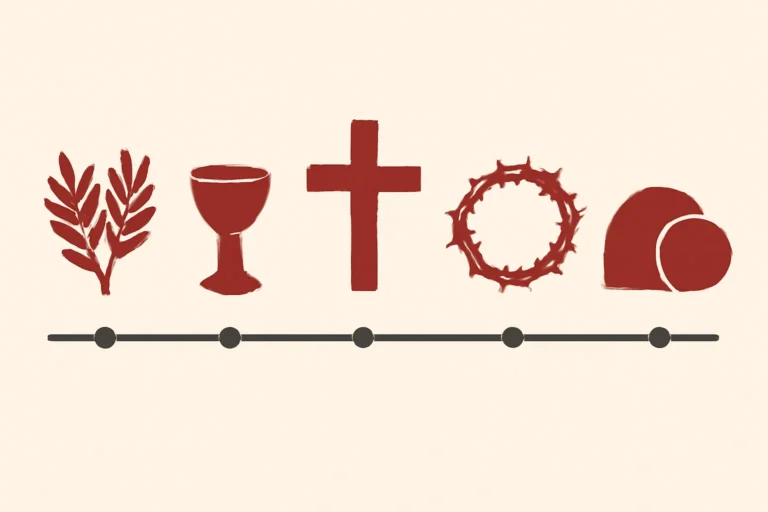
To understand the timeline of events on Good Friday, it helps to situate it within the larger arc of the Passion Week. The events recounted in the Gospels begin with the events of Palm Sunday, continue through the Last Supper, move into the Garden of Gethsemane, and then culminate in the crucifixion on a hill outside Jerusalem. While the core elements of this sequence are consistent across the canonical accounts, each Gospel writer emphasizes different facets of the story, highlighting theological themes that were central to their communities. The Good Friday timeline therefore presents a composite picture that respects these differences while tracing a shared path from arrest to burial.
Key themes recur across the chronology of the Passion: the betrayal by a close follower, the trials before religious and civil authorities, the constrained motion of judgment, the pain and humility of crucifixion, and the reverent care given to a body after death. The parts of this day are often described using the language of urgency and sequence: arrest, trial, condemnation, execution, and burial. In many readings, these steps also reflect deeper theological meanings—atonement for sin, fulfillment of prophecy, and the invitation to reconciliation with God.
Chronology of events on Good Friday: a detailed day-by-day view
The following outline follows the classic timeline of events associated with Good Friday within the Passion narrative. It blends details from the Synoptic Gospels (Matthew, Mark, Luke) and the Gospel of John, offering an integrated view while noting notable variances where appropriate.
Early morning to dawn: The arrest in Gethsemane
According to the Gospel accounts, the events begin in the Garden of Gethsemane, where Jesus withdraws with his closest disciples after the Last Supper. This phase of the Good Friday timeline centers on intense prayer, human vulnerability, and the looming obedience to the Father’s will. The arrest follows, as a crowd led by Judas Iscariot arrives to seize Jesus. The kingpin moment of this phase is the betrayal by a close associate, which precipitates the sequence of trials and condemnations that define the day.
Environment: The garden setting, shaded by olive trees, with the hush of night giving way to the dawn horizon.
Transitional hours: Trials before religious authorities
Following the arrest, the Good Friday chronology moves into a sequence of trials that occur in rapid succession. The accounts diverge in timing and tone across the Gospels, but the essential facts are consistent: Jesus is brought before the Sanhedrin or a council, questioned about his identity and his teachings, and found to be in violation of religious norms according to the authorities’ legal framework. Depending on the Gospel, the trial may be described as nocturnal or early-morning, but the result is a finding of religious grounds to condemn Jesus, which sets the stage for the subsequent political trial before Pilate.
Sanhedrin proceedings: A council hearing that centers on charges of blasphemy and claims about his messianic status, framed within the Jewish religious law of the time.
Outcome: A verdict that necessitates external sanction, even if the religious authorities do not hold full civil power in the region.
Emotional and moral tone: Tension between religious authority and prophetic vocation, highlighting themes of fidelity and false accusations.
Morning to early afternoon: The Pilate phase — civil judgment and condemnation
The next segment of the timeline of events on Good Friday moves from the religious authorities to the civil authorities represented by Pontius Pilate. In the chronology of the Passion, Pilate’s court becomes the setting for a political exchange about authority, law, and Rome’s rule over Judea. Jesus is brought before Pilate, and though Pilate finds himself constrained by political considerations, he ultimately sanctions the act that leads to crucifixion. The exchange touches on the tension between truth and expediency, between moral character and public spectacle, and between the demands of a higher allegiance and the pressures of imperial power.
Initial inquiry: Pilate questions Jesus about his claims and the nature of his kingship, seeking to ascertain whether Jesus poses a threat to Roman authority.
The crowd’s demand: The crowd, stirred by religious leaders, presses for condemnation, illustrating how public opinion can influence political decisions within the architecture of empire.
Sentence: Despite attempts to release Jesus, Pilate yields to pressure and orders the crucifixion, a sentence recorded as the culmination of the Friday sequence in many traditions.
The crucifixion: Timing, signs, and the language of sacrifice
The crucifixion itself is the central event in the Good Friday timeline. Most traditions place the execution on the morning of Friday, with a number of Gospel passages and early church commentators dating the act to around the ninth hour of the day (approximately 3:00 p.m.). Some readings refer to the “sixth hour” (noon) as a moment when darkness fell over the land, signaling cosmic significance and deep mystery surrounding Jesus’ suffering. The physical act of crucifixion is paired with several sayings attributed to Jesus, some reported in all four Gospels and others in a more limited form, all of which contribute to a portrait of endurance, forgiveness, and fulfillment of prophecy.
Place: The hill called Golgotha or Calvary, a known site outside the walls of Jerusalem.
Methods and protocol: The cross, the nails, the sign on the cross, and the crowd’s mixed reactions of reverence, mockery, and sorrow.
Fulfilled prophecies: The sufferings and death are interpreted by Christians as part of a divine plan fulfilled in the Passion narrative.
Death, the moment of surrender: Crucifixion’s outcome
The death of Jesus marks the culmination of the physical ordeal described in the timeline of events on Good Friday. In many Gospel accounts, Jesus’ final words and the moment of death evoke profound theological responses—openings to forgiveness, the tearing of the temple veil, and the sense of cosmic significance. The precise phrasing of Jesus’ final utterances varies by Gospel writer, but the core message conveyed is one of surrender, trust, and the accomplishment of atonement in the moment of grave suffering.
Significance of the moment: The death is presented as the climactic act of sacrifice within the Passion story, often tied to themes of redemption and divine love.
Immediate aftermath: The body is lowered from the cross, prepared with spices and coverings, and placed in a tomb soon after death, aligning with burial customs of the period.
Historical and theological reception: Early Christian communities interpreted the crucifixion as a decisive event for salvation, influencing later liturgical practices and devotional traditions surrounding Good Friday.
Burial and the approach to Sabbath: The transition to Holy Saturday
After the death, the body of Jesus is prepared for burial in accordance with Jewish customs. A member of the Sanhedrin, often named Joseph of Arimathea in the Gospel portraits, requests the body and places it in a new tomb. This act transitions the narrative toward the Sabbath, a day of rest in Jewish law, which shapes how the right and appropriate handling of the body would be carried out. The narrative emphasizes reverence, compassion, and the careful preservation of Jesus’ body as a sign of respect and honor, even as the political and religious authorities complete their immediate tasks for the day.
Location: A tomb carved in rock, near the place of crucifixion, providing a closed space for burial and a guarded entry that becomes symbolically significant in later Christian reflection.
Sabbath observance: The timeline respects the Sabbath limits, ensuring burial occurs before the onset of the day of rest on Friday evening or, in some accounts, before Friday’s sunset.
Guarded tomb: Some traditions recount guards being posted to prevent tomb desecration, indicating how authorities sought to manage public perception and the narrative around the burial.
As the Good Friday chronology closes the daylight portion of the day, Christian reflections often turn to the disruption of expectations, the sense of mystery, and the call to contemplation and awe. The sequence—from arrest to burial—offers a compact narrative arc that invites believers to engage with questions about suffering, justice, forgiveness, and the possibility of new life. The emphasis on sacrifice and mercy in the Good Friday timeline of events has inspired centuries of worship, art, and devotional practice, shaping how communities mark the day and reflect on its enduring meaning.
For many readers, the Good Friday chronology serves as a map for personal meditation. Readers may trace the sequence as a way to encounter the depth of the Gospel story, recognizing that the timeline of the Passion grows from the nightly agony in the garden to the public execution and the quiet, reverent burial. In this way, the events of Good Friday become a bridge to the joyous announcement of Easter, which follows the next day in the liturgical calendar.
Variations across traditions: how the timeline shifts between communities
While the broad strokes of the Good Friday timeline are shared by most Christian communities, there are nuanced differences that reflect historical, theological, and liturgical emphases. Some churches emphasize the chronological details of the last hours with an expanded focus on the sayings of Jesus on the cross, while others center on the stages of trial and condemnation as a narrative about justice and authority. The Eastern Orthodox, Roman Catholic, and Protestant traditions may use different liturgical calendars, different Gospel harmonies, and distinct devotional practices to mark the day, yet all converge on the central act of crucifixion and the call to reverent remembrance.
Within this set of variations, certain phrases recur in discussions of the timeline. Phrases such as Good Friday chronology, timeline of events on Good Friday, and Passion Week timeline on Good Friday appear in manuals, sermons, and study guides to describe the same sequence from different angles. Some traditions also emphasize prophetic fulfillment themes, noting how particular Old Testament passages are interpreted as prefiguring events that unfold on this day. Other communities highlight the human drama of the day—the fear, the courage, the loyalty, and the fear—and how these human elements intersect with divine purpose in the narrative of crucifixion.
How to study the Good Friday timeline: practical approaches and questions
Approaching the timeline of Good Friday thoughtfully can deepen understanding and foster meaningful reflection. Below are several practical strategies to study the events as a cohesive narrative while appreciating the details that each Gospel author contributes.
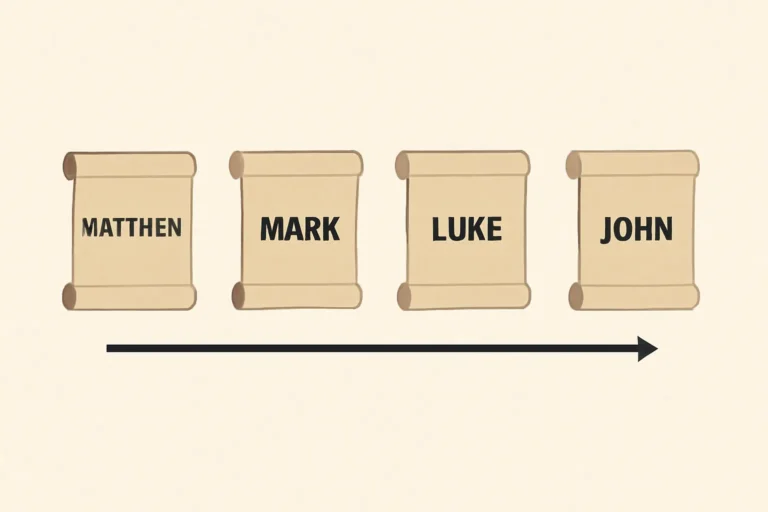
Cross-reference the Gospels: Read parallel passages from Matthew, Mark, Luke, and John to see how each writer develops the same events and where their emphases differ.
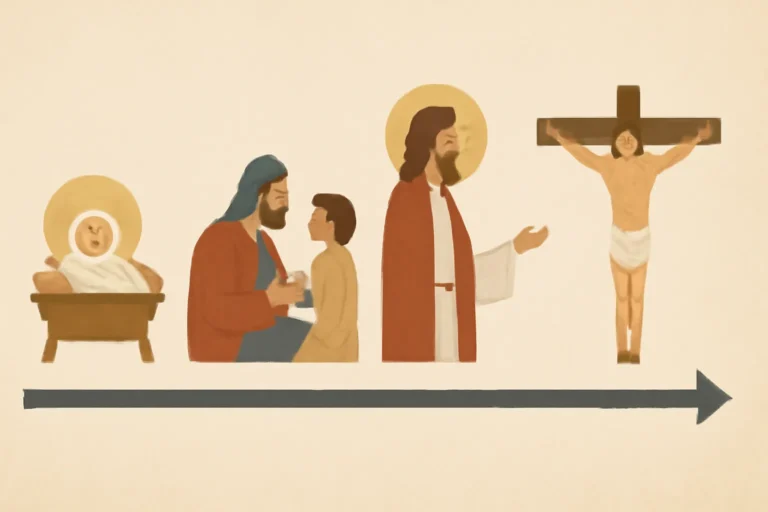
Map the sequence in a timeline: Create a simple chart that marks approximate times (early morning, around noon, around 3:00 p.m.) and the location of each event to visualize the day’s progression.
Note theological themes: Attendance at the trials, the nature of the sentence, the meaning of crucifixion, and the burial practices can illuminate core Christian beliefs about atonement, forgiveness, and divine love.
Consider liturgical and devotional contexts: How different Christian communities commemorate Good Friday with services, readings, prayers, and hymns can enrich understanding of the timeline’s significance.
Reflect on the human dimensions: The fears, hopes, and loyalties of the people involved provide a human lens through which to engage with the events as more than a historical narrative.
Frequently asked questions about the Good Friday timeline
Here are common questions readers ask when exploring the timeline of events surrounding Good Friday, along with succinct explanations that align with the canonical narratives.
Was Jesus crucified on Friday? Most Christian traditions affirm the crucifixion on what is observed as Good Friday, though some scholars debate the precise day of the week due to calendar differences and gospel harmonizations. The prevailing liturgical and devotional understanding is that the crucifixion occurred on a Friday and that the day is remembered with solemn reflection.
What time did the crucifixion begin? The Gospels describe Jesus being crucified in the morning after legal proceedings, with some traditions dating the crucifixion’s start around the third hour (nine o’clock) or shortly thereafter, and others focusing on the middle part of the day as the moment of execution. The exact times vary by account, but the sequence remains consistent: condemnation, crucifixion, and death in the daylight hours.
Why is Good Friday called “good”? The term “Good” reflects a judgment of blessed or holy significance, not a mere moment of happiness. The day is considered good because it marks God’s action of mercy through Jesus’ sacrifice, providing forgiveness and reconciliation for humanity. The name embodies a paradox: suffering that leads to salvation.
What about the Sabbath and burial? In Jewish law, burial in a tomb was required before the Sabbath, and the Gospel accounts emphasize the care given to Jesus’ body and the deliberate nature of the burial as part of the day’s narrative arc. The burial is often presented as a quiet, respectful act that completes Friday’s part of the story and prepares for the solemnity of Holy Saturday.
Are there differences between the Gospel accounts? Yes, there are variations in detail, order, and emphasis among Matthew, Mark, Luke, and John. The core events—arrest, trials, condemnation, crucifixion, death, and burial—are shared, but the focus on certain dialogues, prophetic quotations, or miracles can differ. Reading the accounts together provides a fuller sense of the multidimensional nature of the story.
Final reflections: what the Good Friday timeline invites us to consider
The Good Friday timeline invites readers to reflect on the interplay between human agency and divine purpose. It foregrounds themes of courage, mercy, and justice as it moves through moments of fear and steadfast witness. It also frames suffering within a larger narrative of hope—an invitation to explore how a day of tremendous pain becomes a doorway to spiritual transformation for individuals and communities alike. When we engage with the chronology of these events, we are not merely recounting a sequence of historical moments; we are also opening a space for contemplation about forgiveness, reconciliation, and the possibility of new life that is proclaimed in the days that follow.
In sum, the timeline of events on Good Friday provides a structured lens through which to study the Passion narrative. It helps believers and curious readers alike trace the arc from betrayal and judgment to crucifixion, death, and burial, while recognizing the broader theological significance that has shaped Christian faith and practice for two millennia. By exploring the variations across traditions and the common ground shared by the Gospel writers, readers can gain a richer, more nuanced understanding of what the day represents, both historically and spiritually.