Passion Week Timeline: A Day-by-Day Holy Week Guide
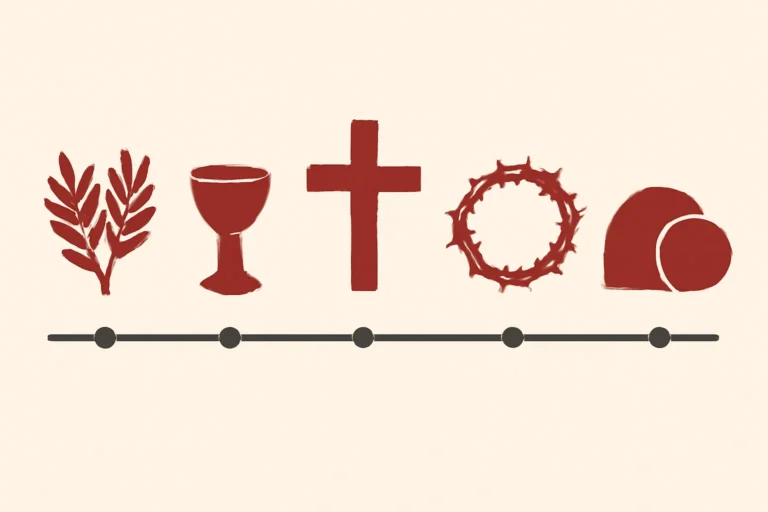
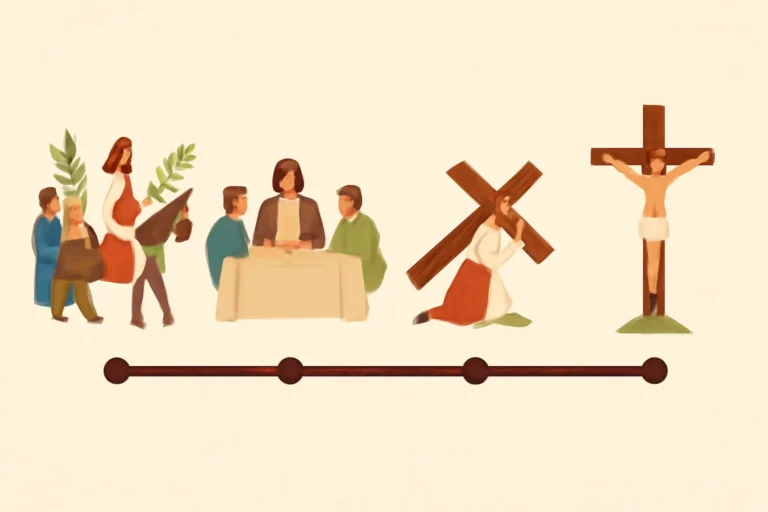
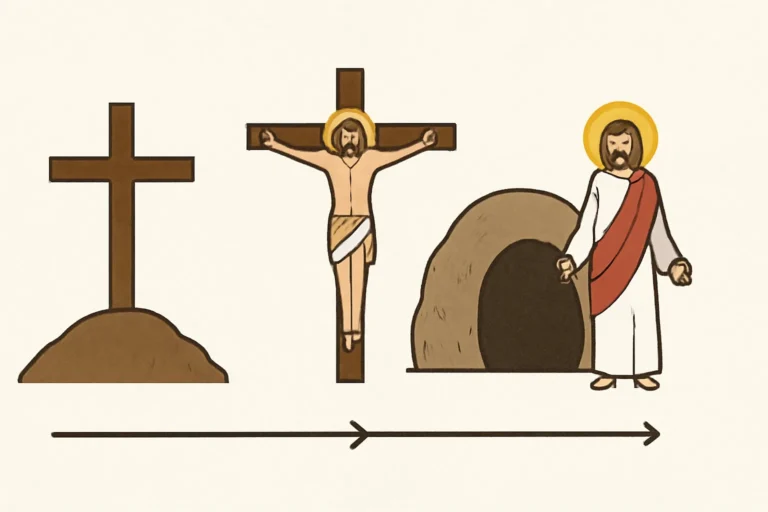
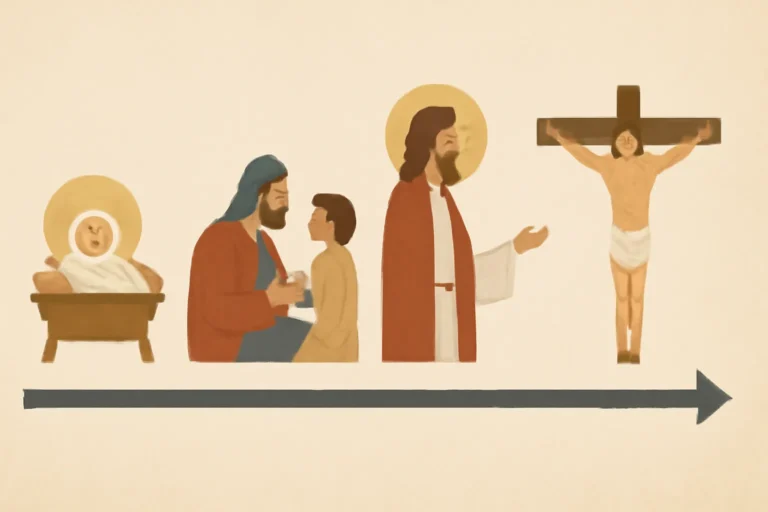
Passion Week Timeline offers a day-by-day look at the events surrounding the last week of Jesus’ earthly ministry. This guide blends historical tradition with devotional reflection, presenting a clear sequence that readers can follow as part of a broader Holy Week timeline. The term Passion Week is often used interchangeably with Passion Week Timeline, the week of Christ’s suffering and triumph, and the week of Easter preparation. Across Christian denominations, the core events are the same, even as liturgical practices and musical or visual traditions may differ. The goal of this detailed guide is to illuminate each day’s focus, provide concise summaries, and offer study prompts that help readers engage more deeply with the narrative, theology, and practical meaning of the week.
Palm Sunday: The Triumphal Entry and the Temple Cleansing
Palm Sunday marks the opening act of the Passion Week Timeline. It begins with a public demonstration of recognition and hope, followed by a confrontation with the religious authorities that foreshadows the conflict to come. This day sets the tone for a week of teaching, challenge, and revelation. The events associated with Palm Sunday appear in all four canonical Gospels, though the emphasis and order vary slightly.
The Triumphal Entry
On this day, the narrative centers on Jesus riding into Jerusalem on a donkey, a gesture that carries rich symbolism. The crowd spread branches and garments in the road and proclaimed words of welcome that echoed the prophetic expectations of a Messiah-king. For readers, this moment invites meditation on humble kingship and the paradox of honor chosen through servanthood. In a devotional sense, Palm Sunday invites you to consider how you respond to divine invitation when it arrives in surprising forms.
Donkey’s colt symbol: Jesus’ choice signals peace and accessibility rather than conquest.
Shouts of “Hosanna” and declarations of blessed is he who comes in the name of the Lord.
Connection to Messianic prophecy (Zechariah 9:9) framed as a pastoral, peaceful mission.
The Temple Cleansing and Teachings
Following the entry, the narrative shifts to the temple, where Jesus confronts money changers and sellers, accusing them of turning sacred space into a marketplace. This action signals a challenge to religious hypocrisy and a call to genuine worship. The response of the authorities foreshadows the mounting tension that leads to the climactic events later in the week. The temple episode is often read as a critique of values that prioritize ritual detail over compassionate justice and fidelity to God’s will.
News of the Master’s arrival stirs crowds and creates a tense political atmosphere.
The cleansing scene invites reflection on how faith communities today guard against commercialism that obscures spiritual purpose.
Scriptural tie-ins emphasize the continuity between Old Testament expectations and the new covenant Jesus frames.
Holy Week Day by Day: Monday through Tuesday Highlights
Holy Monday: Cleansing, Teaching, and Contested Authority
The Monday portion of the Passion Week Timeline continues to reveal the tension between Jesus and religious leaders. It is traditionally associated with teaching in the temple and addressing questions about authority, faith, and true righteousness. This day invites readers to explore how authority is exercised—whether through service or coercion—and how public teaching shapes the conscience of a community.
Cleansing of opposition to corrupt practices intensifies the conflict with authorities.
Jesus offers parables and maxims that challenge listeners to examine their own hearts and assumptions.
Reflection on humility and servant leadership as a model for daily life.
Holy Tuesday: Parables, Controversies, and Preparation for Passover
Tuesday within this sacred chronology centers on wisdom, debate, and spiritual discernment. The Gospel accounts emphasize questions about the nature of the Kingdom, loyalty to God, and the persuasive power of Jesus’ teachings in the face of growing opposition. The day serves as a bridge between the public ministry and the more intimate moments that will follow later in the week.
Public discourse in the temple includes parables that challenge listening hearts.
Controversies arise over questions of law, ritual purity, and the meaning of true obedience.
The theme of discernment resonates as believers consider their own readiness to follow in the path laid out during the Holy Week.
Spy Wednesday: Betrayal Plot and Preparations
Spy Wednesday is traditionally marked as the day when the plan to betray Jesus gains momentum. The name itself reflects the stealth and treachery surrounding the events that precede the Last Supper. For readers, this day invites examination of loyalty, temptation, and the moral weight of choices under pressure. The narrative tension is a reminder that even faithful witnesses can falter, and that grace remains at work within human frailty.
Judas Iscariot’s agreement with religious leaders to betray Jesus is a focal point.
Preparations for the Passover feast are noted, signaling the imminent shift from public ministry to private, intimate moments with the disciples.
Reflection on betrayal, repentance, and the possibility of transformation through mercy.
Holy Thursday: The Last Supper and the Agony in the Garden
Holy Thursday, sometimes called Maundy Thursday, anchors the central rituals and motifs of the Passion Week Timeline. The events of this day include the Last Supper, the washing of the disciples’ feet, the institution of the Eucharist, and the intimate setting of the Garden of Gethsemane. These moments are foundational for Christian liturgy, theology, and devotion, linking ritual practice with the ethical call to love one another as a form of worship.
The Last Supper: New Covenant and Foot Washing
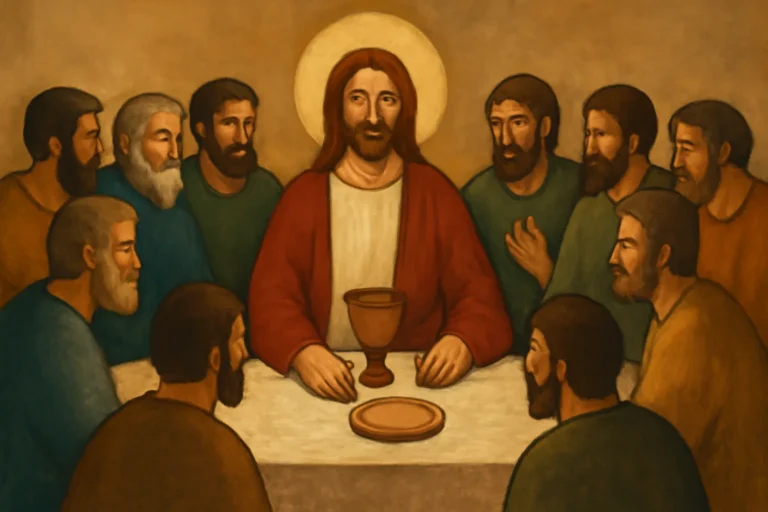
At the Last Supper, Jesus gathers with his closest followers to break bread and share a cup, inaugurating what many traditions call the New Covenant. The act of foot washing that accompanies the meal is a vivid symbol of humility and service. The disciples are taught to “love one another” in a concrete, practical way, which has inspired countless churches to adopt humble service as a core ministry.
Institution of the Eucharist as a memorial ritual centered on Jesus’ sacrifice and presence in the community.
Teachings on servanthood, unity, and the call to love one another beyond faction or status.
Washing of feet as a ritual that invites believers into a posture of humble leadership.
Gethsemane and Arrest: Agony in the Garden and the Fall of Fear
After the supper, Jesus withdraws with his closest companions to the Garden of Gethsemane. Here he prays in deep distress, expressing a willingness to submit to the Father’s will even in the face of suffering. The scene is often described as the agony in the garden, a moment that highlights the human fear and divine resolve intertwined in the Passion narrative. The subsequent arrest marks the transition from public ministry to the judicial processes that will lead to crucifixion.
Jesus’ prayerful distress, asking for “this cup” to pass if possible, followed by submission to God’s plan.
Apostolic sleepiness and later betrayal by Judas with a kiss.
The rapid move from garden to trial, setting the stage for the legal proceedings before religious and civil authorities.
Good Friday: Trials, Crucifixion, and Death
Good Friday conveys the most intense expression of suffering in the Passion narrative. The day encompasses both trials and the crucifixion, culminating in Jesus’ death on the cross. The gravity of these events has shaped liturgical worship and theological reflection across centuries, prompting believers to contemplate themes of salvation, atonement, sorrow, and hope. The Friday timeline invites careful reading of the gospel accounts and consideration of how sacrifice is understood within the broader story of redemption.
On Good Friday, Jesus faces a series of interrogations and verdicts, first before religious authorities and then before the Roman governor. The political and religious clash reveals the deep tensions of the day and underscores the vulnerability of a teacher who challenged powerful institutions. For students of the text, this section invites questions about justice, mercy, and the surprise of grace emerging from pain.
The Sanhedrin’s proceedings and the crowd’s involvement in demanding crucifixion.
Pilate’s attempts to navigate political pressures while declaring an appearance of justice.
Depiction of Jesus’ steadfast resolve and his words from the cross.
Crucifixion and Death
The crucifixion on a hillside becomes the symbolic center of the Good Friday narrative. The cross represents both suffering and love, a paradox that has been the subject of countless sermons, hymns, and artworks. Believers contemplate the meaning of sacrifice, the weight of sin, and the offer of forgiveness that is proclaimed through the event.
Crucifixion as a public act of restraint and ultimate self-giving.
The saying “It is finished” as a declaration of completion and purpose.
The burial in a nearby tomb and the securing of the site to honor the Sabbath rest.
Burial and the Sabbath Silence
After Jesus’ death, the body is laid in a tomb, and a protective seal is placed by the authorities. The Sabbath begins, and the narrative pauses in solemn reverence. This moment invites readers to reflect on the significance of rest, lament, and the expectation that God’s story continues beyond human despair.
The tomb is guarded to prevent disturbances, signaling the seriousness of the moment.
Families and communities engage in quiet mourning and contemplation of the mystery of the cross.
Anticipation builds for what the dawn of a new week will reveal about life and possibility.
Holy Saturday: The Vigil, Waiting, and Hope
Holy Saturday sits between the crucifixion and the resurrection, often described as a day of waiting, reflection, and quiet faith. In many Christian traditions, this day holds a special place for preparing hearts for the joy and proclamation of Easter. It is a time to ponder the depths of loss while clinging to the assurance that the story of life is not ended by death.
The Tomb and the Vigil
Although the central drama is already completed, the world holds its breath in vigil. The tomb’s sealing becomes a powerful image of finality, yet the narrative margin suggests that God’s plan remains at work beneath the surface. For readers, Holy Saturday invites a deliberate pause—an opportunity to examine grief, trust, and the longing for restoration.
Contemplation on the mystery of silence and the unseen movements of God.
Traditions of praying and keeping watch, even in the absence of visible signs.
A bridge to the rejoicing of the coming dawn when the stone is rolled away.
Even in its stillness, Holy Saturday holds promise. The anticipation of the resurrection is not merely a distant forecast but a living hope that shapes faith communities as they prepare for Easter. The shift from sorrow to celebration begins to appear in anticipatory readings, liturgical color changes, and the preparation of Easter symbols that will soon be unveiled.
Liturgical cues that signal the transition from dark to light, from death to life.
Guided reflections on the patience of God and the timing of divine mercy.
Practical suggestions for families and congregations to mark the day with reverent stillness.
Easter Sunday: The Resurrection and New Beginnings
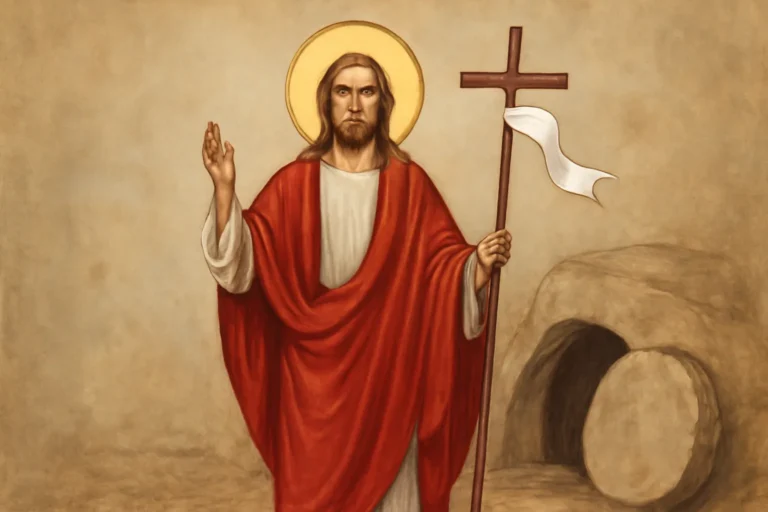
The climax of the Passion Week Timeline is Easter Sunday, the day when the tomb is found empty and a chorus of appearances affirms the fundamental claim that life defeats death. Many traditions celebrate this day with sunrise services, joyful music, and a renewed sense of purpose. The resurrection is not only a historical claim but also a present reality that shapes faith, courage, and daily living for communities around the world.
The discovery of the empty tomb stands as the tangible sign that the story of Jesus has moved beyond sorrow into triumph. Early witnesses encounter the risen Lord in various settings, and their testimonies anchor the central claim of the Christian faith: Christ is risen. The appearances that follow reinforce the message that God’s power can overcome what seems insurmountable.
Women at the tomb play a crucial role in bearing witness to the resurrection.
Jesus’ appearances to the disciples reinforce community and mission.
Theological implications include victory over sin, the offer of reconciliation, and the promise of new life for all who believe.
Transformation, Mission, and Hope
Easter Sunday invites a thoughtful transition from the mystery of the tomb to the mission of the church. The risen Christ commissions his followers, sending them to proclaim good news, to heal, to teach, and to embody peace. The celebration of the resurrection becomes a continuing invitation to live in light of victory, embodying hope in personal, familial, and societal spheres.
Commissioning of the disciples and the ongoing call to share the gospel.
Implications for worship, ethics, and social action grounded in the message of new life.
Enduring themes of light breaking through darkness, and life overcoming death.
How to Use the Passion Week Timeline: Practical Applications
Reading this Passion Week Timeline as a daily guide can deepen understanding and enrich personal devotion. Whether you are following a traditional liturgical calendar or a more flexible personal plan, the following practical approaches can help you engage more meaningfully with the events and their significance.
Assign a specific focus to each day: contemplation, prayer, service, or gratitude.
Use the day-by-day structure to guide family discussions, group study, or personal journaling.
Incorporate symbolic practices, such as palm branches on Palm Sunday or a quiet vigil on Holy Saturday, to embody the week’s themes.
Explore the recurring motifs of humility, sacrifice, fidelity, and hope that run through the entire narrative.
Consult multiple Gospel accounts to gain a fuller picture of how each event is portrayed and interpreted.
Across centuries, the Holy Week timeline has served as a framework for worship, education, and spiritual formation. While the exact dates and customs may vary, the core messages—God’s redemptive plan unfolding through suffering, obedience, and triumph—remain central. For readers who prefer a condensed version, a shorter Passion Week chronology can retain the essential milestones while leaving room for meditation and personal applications. For others who want depth, a longer, cross-referenced study can connect the events described here with biblical exegesis, historical context, and theological interpretation.
If you are sharing this guide with a community, consider pairing each day with:
A brief reflection or meditation on the day’s key event.
A suggested Bible passage or reading plan that aligns with the day’s focus.
A practical action—such as service, confession, or reconciliation—that embodies the themes of the day.
In summary, this article provides a comprehensive Passion Week Timeline spanning Palm Sunday through Easter Sunday, with attention to the major moments, their theological significance, and practical ways to engage with them. Variations of the term—Passion Week Timeline, Holy Week timeline, timeline of the Passion, and passion-week chronology—reflect the richness of language used in different communities, yet the core narrative bridges all perspectives. By walking through each day in sequence, readers gain a clearer understanding of how the events are connected, how they illuminate the life and teaching of Jesus, and how they can inspire faith, hope, and compassionate action in the present day.