Holy Week Explained Day by Day: Meaning, Dates, and Observances
Holy Week Explained Day by Day: Meaning, Dates, and Observances offers a careful map of the week that precedes Easter, tracing how each day unfolds with specific events, prayers, and rituals. This guide blends historical memory with spiritual meaning, showing how communities around the world observe these days in distinct ways while sharing a common thread: the path from palm-fringed triumph to tomb and beyond. Whether you come from a tradition that celebrates with solemn processions, intimate liturgies, or reflective quiet, the sequence of Palm Sunday through Easter Sunday provides a coherent narrative of confession, renewal, and hope.
Dates for Holy Week shift each year; they are anchored to Easter, which itself is determined by lunisolar calculations. In Western Christianity, Easter Sunday is the first Sunday after the Paschal full moon following the vernal equinox. In practice, this means that Palm Sunday occurs one week before Easter, Maundy Thursday occurs three days before Easter, Good Friday two days before Easter, Holy Saturday the day before Easter, and Easter Sunday itself. The following outline uses a hypothetical year to illustrate typical dates; for actual observances, consult a local church calendar or official church announcements for the current year. In 2025, for example, Easter Sunday falls on April 20, so Palm Sunday would be observed on April 13, Maundy Thursday on April 17, Good Friday on April 18, Holy Saturday on April 19, and Easter Sunday on April 20.
Palm Sunday: The Entry and the Beginning of Holy Week
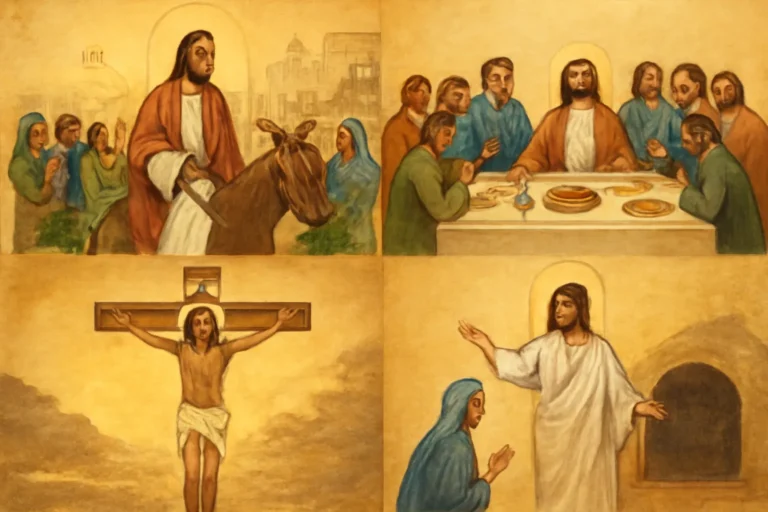
Palm Sunday marks the formal entrance into the sacred season, when the Church remembers Jesus’ triumphal entry into Jerusalem a few days before his arrest. The atmosphere blends celebration with anticipation, inviting believers to reflect on the paradox of a king who arrives in humility rather than power. The day often inaugurates a public dimension of Holy Week through processions, readings, and communal songs.
Meaning and themes
Central to this day is the contrast between recognition and anticipation. The crowds hail Jesus as a Messiah, waving palms and shouting words of homage, while the gospel narratives also foreshadow the suffering that lies ahead. This dual mood—jubilation tangled with foreboding—helps believers begin Holy Week with honesty about discipleship: following Christ means embracing both praise and costly commitment.
Dates and liturgy
In most traditions, Palm Sunday is observed on the Sunday before Easter. The liturgy commonly features a blessing of palms, a processional element, and readings from the Gospels about Jesus’ entry into Jerusalem. Some parishes distribute palms to participants, or arrange public processions outdoors, especially in countries with strong churchgoing traditions. The anthemic hymns and seasonal prayers focus on welcome, hope, and the call to follow Jesus on the road to the cross.
Observances by tradition
In many Catholic and Anglican communities, a solemn procession accompanies the blessing of palms, and the liturgy emphasizes the fulfillment of prophecies and the beginning of Holy Week.
In Orthodox traditions, a similar Palm Sunday emphasis is reconciled with eastern liturgies, often using olive branches or other local greenery and incorporating extended choir music.
In Protestant and evangelical churches, the emphasis may be on personal proclamation and mission, with a focus on accepting Jesus as Savior who enters one’s life in a vulnerable, approachable manner.
Holy Monday: Reflection on Cleansing and Teaching
Holy Monday continues the narrative with Jesus’ actions and teachings that probe places of hypocrisy, spiritual readiness, and rightful worship. The day’s events are less dramatic in some traditions than Palm Sunday, but they carry a weighty message about integrity in faith and fidelity to God’s purposes.
Meaning and themes
The themes for Holy Monday often center on discipleship under pressure, the authority of Jesus over the temple, and the danger of turning abundance into profit rather than worship. In some gospel accounts, Jesus responds to the corruption of the temple by teaching and correcting, signaling a reconsideration of what true worship looks like when confronted with social and economic systems that exploit others.
Dates and liturgy
Holy Monday falls on the Monday of Holy Week. Liturgy in many churches includes readings from the gospel that recount Jesus teaching in Jerusalem and occasionally a meditation on the fig tree narrative, which is seen as a sign of judgment and a call to spiritual fruitfulness. Some communities include a brief service of confession and penitence to underscore the moral dimension of the week.
In Catholic Masses, there may be readings about cleansing the temple, followed by prayers for repentance and renewal of courage to confront personal and communal injustices.
In Lutheran and Reformed churches, the focus often rests on Jesus’ teachings in the temple and how believers live with integrity in a world that often prioritizes appearance over truth.
Holy Tuesday: Parables, Teachings, and the Olivet Discourse
Holy Tuesday is a day that emphasizes Jesus’ wisdom in teaching and his solemn warnings about readiness, faithfulness, and the costs of discipleship. The gospel narratives present Jesus’ parables and pronouncements in the temple courts, as people listen, question, and sometimes plot against him.
Meaning and themes
The core idea is instruction for discipleship. Jesus uses parables to illustrate how the kingdom of God operates, who is invited, and how priorities should be oriented toward love, justice, and mercy. The Olivet Discourse—the extensive teaching about future events—appears in some traditions on this day or in the days immediately before Holy Week ends, highlighting judgment, watchfulness, and faithfulness in uncertain times.
Dates and liturgy
This day belongs to the mid part of Holy Week, often observed with biblical readings, reflections, and prayers that call the faithful to examine their own lives in light of Jesus’ words. The liturgy may include additional votive prayers or a renewed commitment to acts of mercy and service as outward expressions of inner repentance.
Observances by tradition
In Catholic churches, there is often a focus on the scriptural passages that foreground the authority of Jesus in the temple and his call to attend to justice and mercy.
In Anglican and Methodist communities, Holy Tuesday readings emphasize moral discernment and readiness for the coming events of Holy Week.
Spy Wednesday: Judas’ Betrayal and the Weight of Choice
Spy Wednesday is the day associated with the plot that leads to Jesus’ arrest. The name Spy Wednesday comes from ancient traditions that recall Judas Iscariot’s decision to betray Jesus for money, a moment that turns the week toward the crucifixion narrative. In some calendars, the day is called Holy Wednesday, and the focus may alternately be on the anointing at Bethany or other gospel details.
Meaning and themes
The central moral: the consequences of choices, especially choices made out of fear, greed, or self-protection. The narrative invites reflection on how even small decisions can have far-reaching effects, and how betrayal contrasts with the fidelity and obedience expected of Jesus’ followers.
Dates and liturgy
Spy Wednesday occurs on the Wednesday of Holy Week. Liturgy might include a meditation on the anointing of Jesus at Bethany, a contrast between Mary’s extravagant devotion and Judas’ calculation, and readings that lead toward the events of Maundy Thursday and Good Friday.
Observances by tradition
In Catholic and Orthodox services, there is often emphasis on the cost of discipleship and the human tendency toward sin and despair, followed by calls to repentance.
Some Protestant churches observe a somber mood with readings from the passion narratives, highlighting the human side of the betrayal and the divine plan unfolding through it.
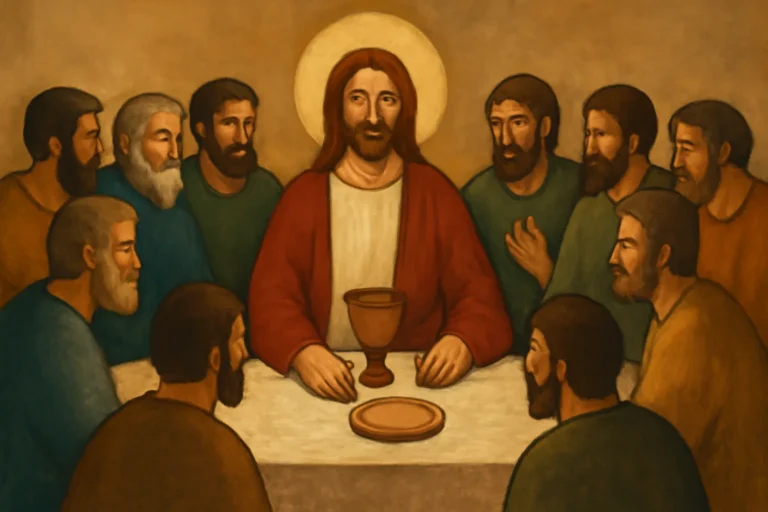
Holy Thursday: The Last Supper, Foot Washing, and the Institution of the Eucharist
Holy Thursday, also known as Maundy Thursday in many traditions, is one of the central pillars of Holy Week. The word Maundy derives from a Latin term meaning “commandment,” referring to Jesus’ command to love one another as he has loved us. The day commemorates the Last Supper, the washing of the disciples’ feet, and Jesus’ impending suffering in the Garden of Gethsemane. It is a day of reverent, focused liturgy and intimate remembrance of Jesus’ care for his followers.
Meaning and themes
The Day highlights the calling to serve and to remember. Foot washing figures as a ritual act of humility and solidarity, reminding believers that leadership in the Christian sense is service. The Last Supper inaugurates the Eucharist, a central ritual in many churches in which the faithful recall Jesus’ broken body and poured-out blood as a sign of covenant and community.
Dates and liturgy
Holy Thursday occurs on the Thursday before Easter. The liturgy commonly includes a Mass of the Lord’s Supper or a similar service, the ritual washing of feet, and a procession with the Blessed Sacrament or a solemn vigil in some parishes. In Catholic and many Orthodox churches, an all-night vigil or adoration in front of the tabernacle or Eucharistic device is common after the service, signaling watchfulness in the face of coming events.
Catholic: Solemn Mass of the Lord’s Supper, feet washing, and Eucharistic procession. Some communities keep a long night of adoration, emphasizing the garden agony and the need for faithful companionship in prayer.
Orthodox: A ceremonial evening service with emphasis on the institution of the Eucharist and sometimes a processional blessing of the new holy-day arrangements in the church calendar.
Protestant: Sometimes less emphasis on the Eucharist and more focus on the call to serve others, with foot washing observed in some congregations as a deliberate act of service.
Good Friday: The Passion, Crucifixion, and the Call to Redemptive Suffering
Good Friday is the somber centerpiece of Holy Week—an extended reflection on the suffering, rejection, and crucifixion of Jesus. This day does not celebrate but remembers, inviting believers to contemplate the price of salvation and the depths of divine love demonstrated on the cross. It is observed with solemn acts of devotion, fasting, and quiet reverence in many Christian communities.
The core message on Good Friday is the cross of Christ as the focal point of salvation, where sacrifice, mercy, and forgiveness meet human brokenness. Many churches emphasize the Paschal mystery—Christ’s passion, death, and redemptive work—as the heart of Christian hope, even as sorrow lingers for the world’s brokenness.
Dates and liturgy
Good Friday is observed on the Friday of Holy Week, two days before Easter Sunday. Liturgy may include the Way of the Cross (Stations of the Cross), a solemn worship service, and the veneration of the Cross. Fasting and abstinence may be observed as acts of penance and solidarity with the suffering of Christ and the vulnerable in society.
Observances by tradition
Catholic: The Passion narrative is read, the Veneration of the Cross occurs, and the Eucharist is not celebrated at this service to symbolize the absence of the Eucharist on the true day of the crucifixion.
Orthodox: The day is marked by a strict fast, reverent hymns, and a combination of processions and an extended service that culminates in the tomb imagery or a tomb iconostasis.
Protestant: Many congregations hold a Tenebrae service or a meditative service with readings and reflections on the crucifixion and its meaning for redemption and justice.
Holy Saturday: Silence, Vigil, and Expectant Waiting for the Resurrection
Holy Saturday is a day of quiet intermission, a pause between sorrow and joy. It is often described as a day of waiting, reflection, and preparation for the great vigil that culminates in Easter. In many churches, the day centers on the anticipation of the resurrection and the dawn of renewed life.
Meaning and themes
The theme of Holy Saturday is watchfulness and expectation. The tomb holds Jesus, and believers wait with the apostles and Mary for the dawning of new life. This day invites a devotional rhythm of silence, prayer, and readiness for the transformative event that is about to unfold in the Easter Vigil.
Dates and liturgy
Holy Saturday occurs on the day before Easter Sunday. The most widely observed liturgical moment is the Easter Vigil on the night of Holy Saturday, when the church gathers for the lighting of the Paschal candle, readings from salvation history, baptisms or confirmations, and the first celebrations of the Eucharist since the crucifixion. In many traditions, this vigil is the most expansive and joyous service of the year, bridging sorrow to triumph.
Observances by tradition
Catholic: The Easter Vigil is the highlight of Holy Week, featuring the blessing of fire, the Paschal candle, multiple scripture readings, catechumenate, and the first Eucharist of Easter.
Orthodox: The Holy Saturday vigil includes a transition from the tomb to the Paschal joy, with a midnight service that proclaims Christ’s Resurrection with exuberant hymnody and processions.
Protestant: Some congregations hold a more subdued vigil or an service of anticipation that continues the themes of waiting and renewal until the Easter morning worship.
Easter Sunday: The Resurrection, Victory, and New Life
The high point of Holy Week and the central feast of Christian faith, Easter Sunday proclaims the victory of life over death, light over darkness, and hope over despair. The morning worship centers on the resurrection narratives, the proclamation of “He is risen,” and the joy of the Paschal mystery being proclaimed anew in the world.
Meaning and themes
The dominant motif on this day is new creation and joyous proclamation. The resurrection is not only a past event but a present reality for believers, offered as grace and invitation to live in hope and mission. Easter Sunday is a time when communities often share meals, give thanks, and reaffirm commitments to acts of mercy, justice, and service in light of the risen Christ.
Easter Sunday is observed on the Sunday after Holy Saturday. The liturgical color often shifts to white or gold, signaling purity, triumph, and celebration. The service features the proclamation of the Easter gospel, bells, the singing of Gloria, and often baptism or reaffirmation of faith. The liturgy emphasizes the Paschal Mystery in the life of the church—the mystery of Christ’s rising and the invitation to share in that risen life.
Observances by tradition
In Catholic churches, the Easter Vigil’s conclusion gives way to Easter Sunday Mass with renewed joy, and many communities emphasize the invitation to witness to the resurrection in daily life.
In Orthodox churches, Easter Sunday is preceded by the Holy Night service, and the long, luminous celebration culminates in the Divine Liturgy with the joyful proclamation of Christ’s Resurrection.
In Protestant churches, Easter Sunday often includes generous congregational singing, testimonies of faith, and outreach activities to invite others to consider the meaning of the Resurrection.
Dates, Observances, and the Global Tapestry
Across Christian traditions, Holy Week is a tapestry woven from shared scriptural narratives and distinct cultural expressions. While the core sequence remains Palm Sunday, Holy Monday, Holy Tuesday, Spy Wednesday, Holy Thursday, Good Friday, Holy Saturday, and Easter Sunday, the dates, liturgical practices, and communities’ customs vary. Some congregations emphasize contemplative silence; others emphasize processions, music, drama, or art installations that retell the passion narrative. The term Triduum refers to the three sacred days from Holy Thursday evening through Easter Sunday, emphasizing the unity of these moments in the church’s holy memory. In places where joy and sorrow are braided together in public life, Holy Week becomes a weekly calendar of personal conversion and communal witness.
For readers seeking practical guidance, here are a few cross-cutting notes that help make sense of the week regardless of tradition:
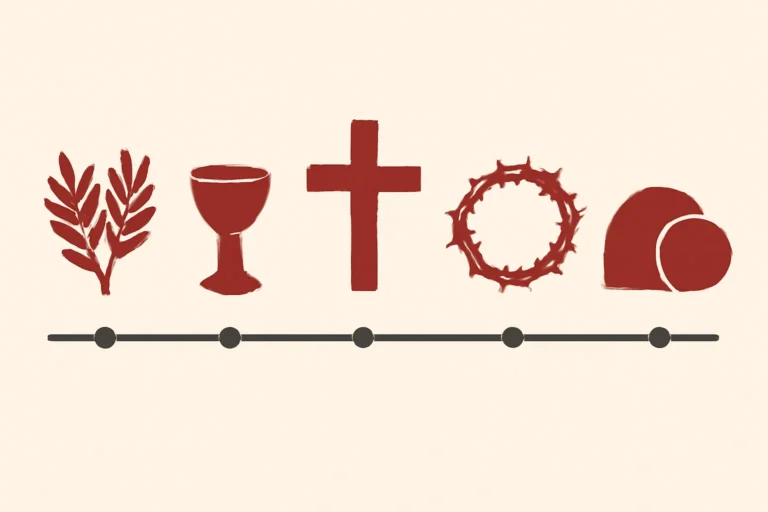
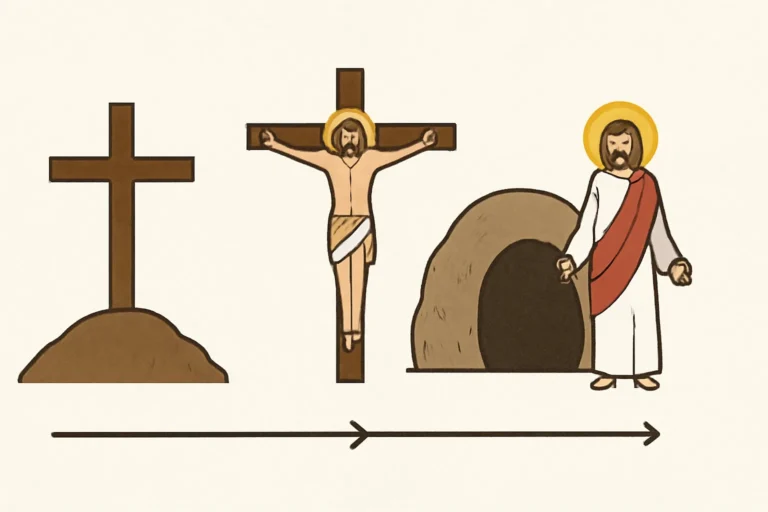
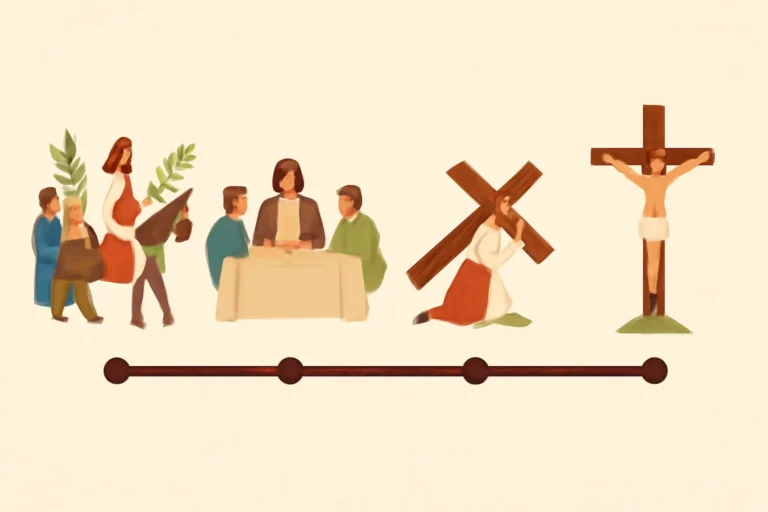
The sequence is intentionally forward-moving: from celebration to correction, from vigil to dying and rising with Christ.
Participation is often flexible: some will engage deeply in every day, others may join selectively due to work, family responsibilities, or health. Even small steps—reading a gospel passage, praying a short devotion, or attending a service—fit within the larger arc.
The words you hear in church services frequently emphasize grace, mercy, and renewal, inviting believers to reflect on how to live differently after encountering the Passion and Resurrection narratives.
How to Observe Holy Week in Personal and Family Life
For individuals or families who wish to engage with Holy Week beyond Sunday worship, here are simple, practical ideas that align with the day-by-day rhythm described above. These suggestions respect diverse traditions while offering a cohesive path to deeper reflection and communal life.
Daily reflection: Set aside 10–15 minutes to read a short gospel passage corresponding to the day’s theme and to journal a brief prayer or intention for the week.
Service participation: Attend at least one Holy Week service that you do not usually attend, if possible. If accessibility is limited, join a livestream and participate actively from home.
Acts of service: In memory of the themes of Holy Thursday and Good Friday, perform a small act of service or charity, such as volunteering, donating to a cause, or helping someone in need.
Silent hours: Create a few hours of quiet, unplugged time on Holy Saturday to anticipate the resurrection, using candles or a simple prayer routine to mark the wait.
Family ritual: Create a family “Paschal plan” for Easter—prayer, confession, or a shared meal that emphasizes gratitude, forgiveness, and renewal.
Whether you observe these days in grand cathedrals or quiet living rooms, the arc of Holy Week invites a conversion of heart. It invites believers to move from praise to penitence, from lament to hope, from death to life. The rhythm helps communities and individuals anchor their faith in a story that, for many, remains transformative across generations.
As you explore each day—Palm Sunday, Holy Monday, Holy Tuesday, Spy Wednesday, Holy Thursday, Good Friday, Holy Saturday, and Easter Sunday—you will notice a progression that mirrors the human experience: reception, challenge, decision, sacrifice, waiting, and ultimate renewal. This is the living tradition of Holy Week, a time when the ancient narratives speak into modern life with a voice that continues to feel personal and communal at the same time.