Holy Tuesday Events: Dates, Venues, and Activities
Holy Tuesday, also called Great Tuesday or, in some traditions, Maundy Tuesday, is the second day of Holy Week and a central moment for reflection on the life of Jesus during the final days leading to the Passion. On this day, many Christian communities focus on the readings and teachings that took place in the temple, the authority of Jesus, and the increasingly urgent conversations with religious leaders. Across different traditions and regions, holy Tuesday events vary in form—from quiet contemplative services in a parish church to vibrant ecumenical vigils and elaborate processions. This article surveys the essential elements of Holy Tuesday by looking at dates, venues, and activities, while highlighting regional customs and practical tips for participants and curious visitors alike.
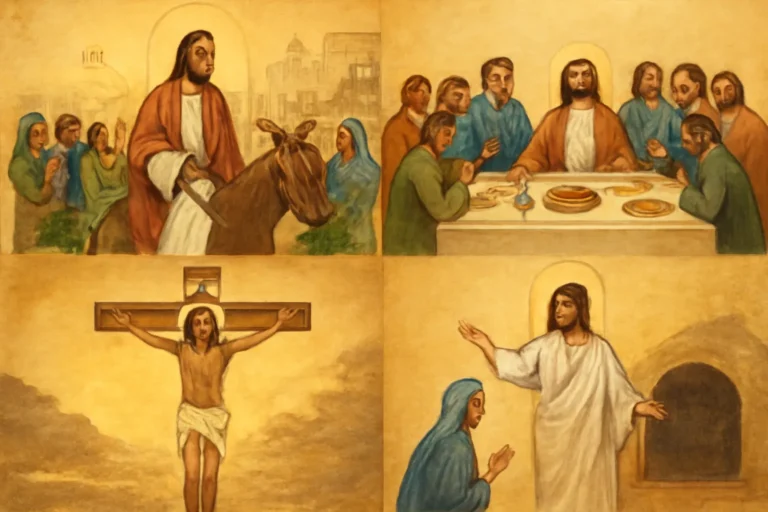
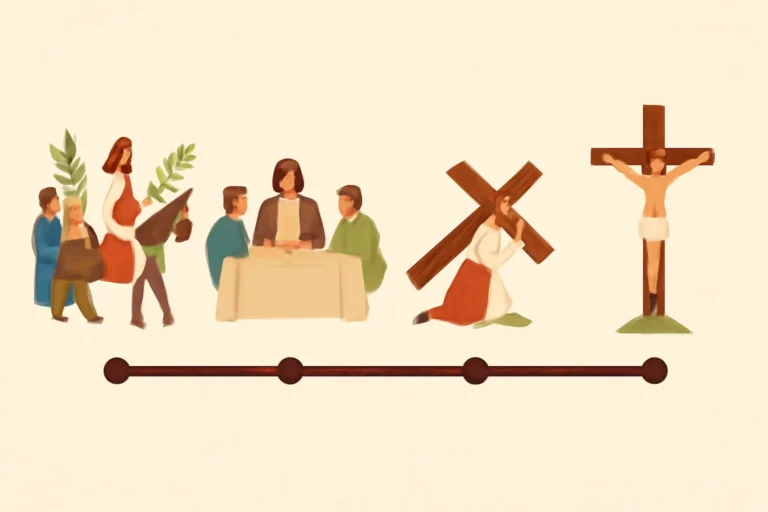
The dating of Holy Tuesday is inherently tied to the calculation of Easter, because Holy Week is the week immediately preceding Easter Sunday. In most Western Christian traditions (including the Roman Catholic Church, the Anglican communion, the Lutheran churches, and many Protestant communities), Holy Tuesday falls on the Tuesday of Holy Week, which is typically in late March or April, depending on the annual date of Easter. A practical way to understand this is that Holy Tuesday occurs two days after Palm Sunday, the Sunday that opens Holy Week, and four days before Maundy Thursday (the day of the Last Supper) and Good Friday.
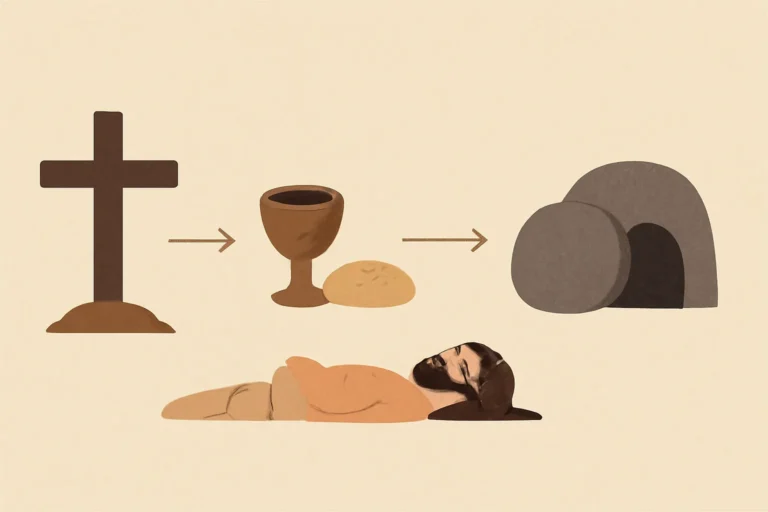
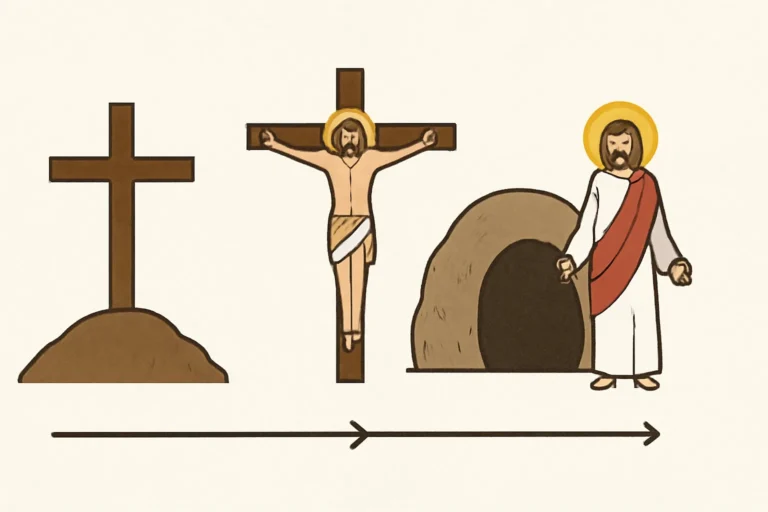
In this Western framework, the sequence is always: Palm Sunday → Holy Monday → Holy Tuesday → Holy Wednesday → Maundy Thursday → Good Friday → Holy Saturday → Easter Sunday.
Because Easter moves each year, the exact calendar date of Great Tuesday shifts as well. To illustrate the general behavior:
When Easter Sunday is early in the year, Holy Tuesday may fall in late March.
When Easter Sunday is later in spring, the date of Holy Tuesday can land in April.
In the Eastern Orthodox tradition, which uses a different calendar (the Julian calendar for liturgical dates that are synchronized with Pascha, or Easter), the corresponding Holy Tuesday may occur on a different date, often several weeks later than Western Easter.
Because liturgical dates are intimately connected to the ecclesial calendar, the most reliable way to know the exact date of holy Tuesday events is to consult the local church calendar or the official diocesan announcements for the corresponding year. For travelers and students of sacred history, it is helpful to remember that Great Tuesday is the second day of Holy Week in Western tradition and the mid-point of the sequence that leads to Easter. In Orthodox and some Eastern traditions, similar observances take place during Holy Week but are anchored to the date of Pascha calculated by the Julian calendar, which can lead to a different annual date from Western Easter.
For readers planning visits, seminars, or virtual attendance, consider these practical notes:
Check the official diocesan websites or parish calendars for the exact times and venues.
Look for any special lectures, gospel readings, or reflections scheduled on that day.
Be aware that some communities designate the day with a specific liturgical color (often purple or violet) to signify penance and preparation for Easter.
Venues for Holy Tuesday Observances
Across the globe, holy Tuesday events unfold in a range of spaces that reflect the local church life and the public character of Holy Week. The primary setting remains the churches and cathedrals where the liturgical word and sacraments are celebrated. However, many communities also host activities in monasteries, pilgrimage sites, and, in some regions, public plazas or outdoor stations that bring the sacred narrative into the streets. The variety of venues mirrors the diversity of Christian practice, from highly formal liturgies to intimate devotional gatherings.
In most Western dioceses, Holy Tuesday is observed with readings from Scripture, homilies, and possibly special chanted prayers conducted in the main worship space or a side chapel. Cathedrals—being the seats of bishops and the centers of diocesan liturgy—often host larger crowds, and the day may feature guest preachers, vesperal services, or extended catechetical sessions. In urban cathedrals, you might encounter:
Extended scripture readings centered on Jesus’s teachings in the temple and interactions with the Pharisees.
Integrated homilies that connect the temple dialogues to contemporary ideas about justice, hypocrisy, and spiritual authority.
Chanted psalms or motets that recall Holy Week’s somber mood.
Monasteries and Convents
Monastic communities sometimes observe Holy Week with a rhythm that emphasizes contemplative prayer, lectio divina, and community worship. On Holy Tuesday, a monastery might offer:
Quiet vigils or extended Matins services that include readings from the Gospels about the temple disputes and the authority of Christ.
Short (meditative) sermons or spiritual talks aimed at guiding lay guests through the themes of humility, discernment, and repentance.
Icon meditations and prayers that invite visitors to reflect on the image of God in human community.
Pilgrimage Sites and Ecumenical Centers
Certain locations become focal points for pilgrims during Holy Week, particularly in regions with strong historic church life. Pilgrimage routes may include a sequence of churches, chapels, or sanctuaries where visitors pause for devotional readings and prayers. In ecumenical settings, joint services or shared reflections may be organized to emphasize common themes of repentance, mercy, and renewal as Holy Week unfolds.
Public Squares, Outdoor Stations, and Processions
In some cultural contexts, the city itself is part of the observance. While processions are more commonly associated with the days leading up to Easter, you may find:
Outdoor readings and short sermons in plazas or town centers.
Public prayers for peace and social justice as a part of the reflection on Jesus’s ministry and critique of corruption.
Less formal singing, recited litanies, and quiet moments of personal prayer that welcome passersby.
In all cases, the chosen venue for Holy Tuesday activities helps shape the experience—whether the emphasis is scholarly and liturgical or devotional and communal. The shared thread is the intention to draw believers closer to the gospel story and to prepare their hearts for the events of Holy Week that culminate in Easter.
Activities and Practices on Holy Tuesday
The core of holy Tuesday events lies in liturgical readings, preaching, and communal prayer. Across traditions, several core activities recur, though the exact form may differ from place to place. The day invites both solemn contemplation and intellectual engagement with the Gospel narratives and the moral questions they raise. Below are representative activities you may encounter on this day.
Scripture Readings and Theological Reflections
Central to Holy Tuesday is the reading of Gospel passages that recount Jesus’s temple teaching and the responses of religious authorities. Typical themes include Jesus’s authority as teacher, the confrontation with hypocrisy, and the moment when Jesus speaks in ways that challenge social and religious structures. Expect:
Gospel passages drawn from Luke, Mark, or Matthew describing Jesus’s activities in the temple and his parables about faith and judgment.
Parallel Old Testament readings or Psalms that reflect themes of discernment, justice, and mercy.
A guided lectio divina session or a structured homily that helps attendees apply ancient lessons to modern life.
Liturgical and Musical Elements
Many congregations decorate Holy Tuesday with sacred music, hymns, and choral readings that emphasize penitence and hope. In larger churches, you may hear:
Chanted prayers, such as the Litany or other responsive readings.
Anthems or polyphony chosen to reflect the mood of Holy Week and the authority of Jesus in the temple.
Vespers or other evening services that mark the transition toward the more solemn days of Holy Week.
In some traditions, the Tuesday services include devotional practices with a long history. Examples can include:
Lectio divina sessions that encourage slow, contemplative reading of Scripture.
Short homilies or catechetical talks that connect the biblical narrative to contemporary social issues.
Ecumenical prayer vigils or intercessions that invite people of different Christian denominations to pray together for peace, justice, and reconciliation.
Educational and Family Activities
In parishes and Catholic schools, Holy Tuesday often features educational programs for families and youth, designed to engage children and teens with the themes of the day. Expect:
Age-appropriate discussions about the temple controversy and the ministry of Jesus.
Hands-on activities, such as creating prayer cards or learning simple chants related to Holy Week.
Guided tours of liturgical spaces that help participants understand how churches arrange spaces for Holy Week.
Whether you approach holy Tuesday events as a scholar of religion, a devout believer, or a curious visitor, the day offers a rich combination of teaching, prayer, and communal memory. The exact blend of elements—reading, preaching, music, and silence—will reflect local liturgical customs and the particular emphasis of a given community.
Regional Variations and Traditions
One of the most striking features of holy Tuesday observances is their regional variety. Different Christian traditions emphasize different aspects of the day, and regional cultures shape how the readings and prayers are presented. The following sections highlight some broad patterns you may encounter around the world.
Western Europe and North America
In many Western contexts, Holy Tuesday is framed by a strong tradition of biblical preaching and catechesis. In large urban cathedrals and prominent parish churches, you might find:
Structured scripture sessions and study groups that dive into the Gospel accounts of Jesus’s temple debates.
Devotional concerts or choral settings that pair ancient liturgical texts with modern musical expression.
Educational outreach programs that connect Holy Week themes to civic virtues such as justice, mercy, and mercy toward the vulnerable.
Latin America and Iberian Peninsula
In many countries of Latin America and the Iberian Peninsula, Holy Week is marked by an extended series of processions and devotional acts. While the most famous processions often occur on the days immediately preceding Easter, Holy Tuesday participates in the overall atmosphere of penitence and reflection. Typical observations include:
Visits to multiple churches in a single day in a practice sometimes called a visita iglesia (visiting churches) as part of the Holy Week devotion.
Special sermons and community prayers focused on the authority of Christ and the ethical call to repentance.
Family-friendly meditations and public readings in town squares, combining sacred text with local musical traditions.
Eastern Orthodox and Oriental Churches
For Orthodox communities, the cycle of Holy Week includes distinct services such as the Bridegroom Matins and longer liturgical sequences that emphasize repentance and anticipation of Pascha (Easter). On Holy Tuesday, churches may offer:
Extended Bridegroom Matins or other evening prayers with readings from the Gospels that recount Jesus’s authority and the religious authorities’ response.
Icon veneration and prayer services that guide the faithful through contemplation of betrayal, judgment, and mercy.
Fasting guidance and spiritual counsel structured around the themes of discernment and fidelity to God’s plan.
Asia, Africa, and Global Missions
In diverse contexts around the world, Holy Tuesday observances blend local cultures with universal Christian themes. Examples include:
Localized Bible studies that pair the Gospel texts with discussions on social justice, peacebuilding, and reconciliation.
Community prayers that invite non-Christians to participate in the spirit of reflection that Holy Week inspires.
School and college chaplaincy programs offering lectures and quiet reflection spaces for students during Holy Week.
Across all these contexts, the underlying aim of holy Tuesday activities is to deepen understanding of Jesus’s ministry and to call believers to repentance, faith, and renewed commitment to compassionate action. The exact expression—whether through quiet prayer, robust preaching, or public ritual—reflects the living character of the local church and its culture.
Practical Guidance for Attending Holy Tuesday Events
Whether you are a long-time participant in Holy Week or a first-time visitor, a few practical considerations can help you engage respectfully and meaningfully with holy Tuesday events.
Respect the worship space: dress modestly, speak softly, and follow the lead of the local congregation in terms of standing, kneeling, or sitting during prayers.
Plan to arrive early: services with special readings or processions can attract large crowds, and seating may be limited in major cathedrals or pilgrimage churches.
Be mindful of language: liturgies may be conducted in the local language or in liturgical languages; if you need interpretation, look for translated texts or guided readings that may be provided.
Participate humbly: non-members are often welcome, but some rites (such as communion) are restricted to communicants in certain denominations. When in doubt, observe and follow posted guidelines or ask a parish steward.
Capture with care: photography and recording policies vary by venue. In many sacred spaces, quiet reverence is appreciated, and flash photography may be restricted.
For travelers and students of sacred history, attending holy Tuesday services can be an instructive way to observe how different Christian communities interpret the life of Jesus during Holy Week. If you cannot attend in person, many churches offer live streams, recorded sermons, and study guides that provide access to readings and reflections from diverse traditions.
A Quick Glossary of Terms and Variants
To navigate discussions about holy Tuesday events, it helps to be familiar with related terms. The following glossary highlights the most common variants and their typical contexts.
Holy Tuesday — The Tuesday in Holy Week, observed in Western Christian liturgies with readings on Jesus’s temple teaching and authority.
Great Tuesday — A traditional synonym used in some denominations; emphasizes the significance of the day within Holy Week.
Maundy Tuesday — A widely used term in Western Christianity, highlighting the day’s connection to the “mandate” (maundy) of love and service, though most of the washing of feet occurs on Maundy Thursday.
Palm Sunday — The Sunday that begins Holy Week; two days later is Holy Tuesday, and then comes Holy Wednesday.
Pascha (Orthodox Easter) — In Orthodox and some Eastern churches, the date of Pascha determines the Holy Week schedule; the Tuesday that follows is observed in the rhythm of Paschal preparations and readings.
In sum, holy Tuesday events provide a bridge between the more triumphant mood of Palm Sunday and the intense solemnities of Maundy Thursday and Good Friday. They invite believers to study Jesus’s teaching in the temple, to examine the integrity of spiritual leadership, and to reflect on personal and communal repentance. Whether you encounter a formal liturgical service in a grand cathedral, a quiet prayer vigil at a monastery, or a bustling visitation of several churches in a historic town, the day holds a persistent invitation: to listen, to learn, and to respond with humility and renewed faith as Easter approaches.
If you are planning to participate in holy Tuesday events this year, consider sharing the experience with friends or family, exploring the Gospel readings in advance, and taking time after the service for personal reflection. The day’s teachings—centered on authority, truth, and repentance—remain deeply relevant to communities and individuals facing contemporary challenges. May your observance of Great Tuesday or Holy Tuesday bring clarity, compassion, and a keener sense of the sacred narrative that culminates in Easter joy.