Public Ministry of Jesus Chronology: A Comprehensive Timeline
The public ministry of Jesus is the core storyline of the Gospels, a multiyear sequence that unfolds from his baptism in the Jordan to his death, resurrection, and ascension. This article offers a thorough chronology of that ministry, presenting a harmonized timeline that draws on the four canonical accounts (the Gospels of Matthew, Mark, Luke, and John). While scholars debate exact dates and the precise order of some episodes, the sequence below reflects a widely accepted framework: a temporal arc beginning with the baptism by John, moving through a substantial Galilean phase, advancing toward Jerusalem, and culminating in the Passion narratives and post-resurrection appearances. The aim is a clear, educational outline you can compare with the original texts, highlighting how the timeline of Jesus’ work in the world reveals the meaning of his mission—the kingdom of God, prophetic fulfillment, and the invitation to faith across generations.
To appreciate the chronology, it is helpful to begin with the two foundational events that inaugurate the public phase of Jesus’ life: the baptism and the temptation. These episodes establish the divine approval and the human testing that frame the entire ministry.
Baptism by John the Baptist
According to the Gospel narratives, Jesus enters the Jordan River to be baptized by John, a moment that signals the official commencement of his public ministry. The moment is marked by a visible sign—the Spirit descending like a dove and a voice from heaven declaring Jesus as God’s beloved Son. This event situates Jesus within the Jewish prophetic tradition while inaugurating his unique mission to reveal and inaugurate the kingdom of God. The baptism also connects Jesus to the story of Israel, echoing themes of covenant fidelity, repentance, and divine initiative that anchor the rest of the ministry.
Temptation in the Wilderness
Immediately after the baptism, Jesus is led into the wilderness where he faces a threefold set of temptations. This episode, recorded in the Synoptic Gospels, frames the public ministry as a tested and intentional mission. The temptations center on sustenance (stones to bread), testing God (throwing himself from the temple), and allegiance (worship of Satan for earthly kingdoms). Jesus resists each enticement, affirming fidelity to the Father and the path of obedience that will characterize his teaching, miracles, and ultimate sacrifice. The wilderness testing reinforces the idea that the coming miracles and parables are not mere demonstrations of power but signs of a faith-filled vocation aimed at real human need and divine justice.
Galilean Phase: The Early Public Ministry
Most scholars place the bulk of Jesus’ activity in the Galilean region during the first phase of the public ministry. This period includes calling disciples, performing signs, proclaiming the nearness of the kingdom, and initiating core teachings that would become central in the later stages of the journey toward Jerusalem.
Call of the Disciples and Early Miracles
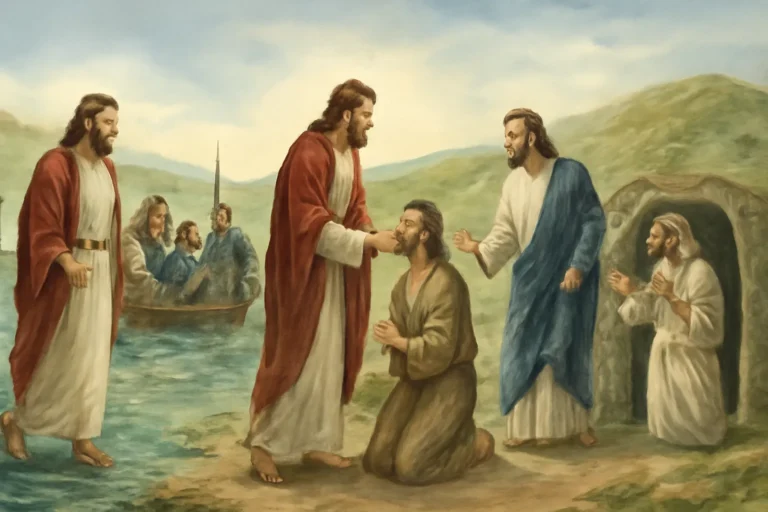
Early episodes in Galilee feature Jesus calling a group of fishermen and tax collectors to leave their nets and follow him. The immediate response of the first disciples—Peter, Andrew, James, and John—models the radical trust required to participate in Jesus’ mission. The sequence also includes the turning of water into wine at Cana, which, in John’s Gospel, appears as a sign revealing Jesus’ identity and power in a communal setting. The combination of calling and signs demonstrates that the public ministry is marked both by personal invitation and transformative interventions in human life.
Teachings and Parables in Galilee
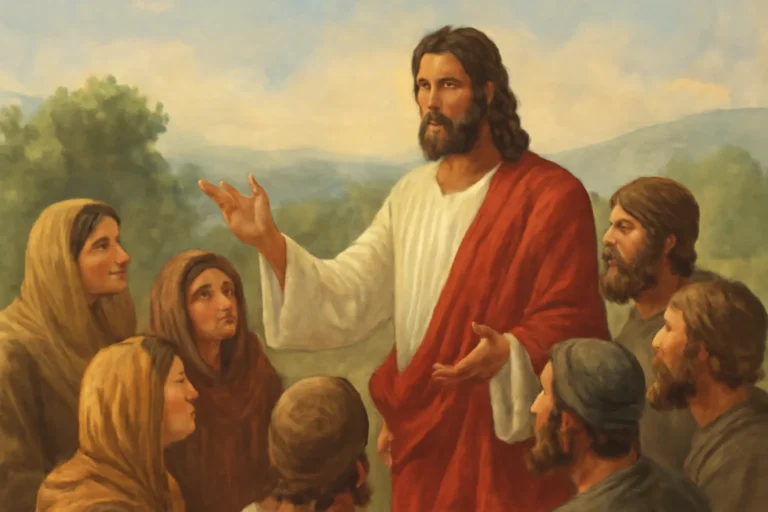
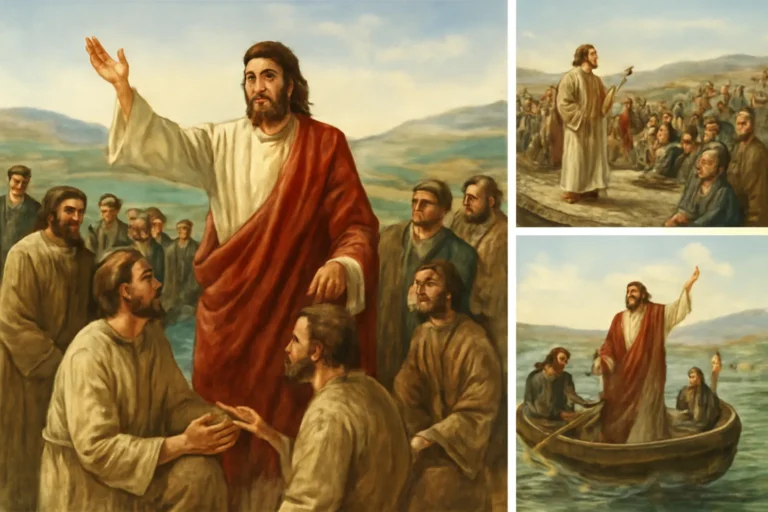
In the Galilean towns—Capernaum, Nazareth (to some extent), Cana, and surrounding villages—Jesus delivers central teachings and parables. The Sermon on the Mount (in Matthew) and the Sermon on the Plain (Luke) present the ethical and spiritual core of his message, including attitudes toward poverty, mercy, peacemaking, and righteousness. The message often centers on the kingdom of God, with exhortations about authentic worship, prayer, and the proper interpretation of the Law. The depth of the teaching contributes to growing opposition among religious leaders, setting the stage for confrontations that accelerate as Jesus travels toward Jerusalem.
Miracles and Authority in Servant-Leadership
Galilean miracles—from healings and exorcisms to control over nature—demonstrate divine authority and compassionate engagement with suffering. Each miracle serves as a public credential of Jesus’ identity and mission, while also inviting listeners to respond with faith. The miracles are not mere demonstrations of power; they are signs pointing to the kingdom of God, a realm where God’s reign interrupts human bondage and brings restoration. The combination of authoritative teaching and visible acts reinforces the narrative arc that culminates in a pivotal turning point as Jesus moves toward Jerusalem.
As the narrative progresses, Jesus increasingly frames his journey around the city of Jerusalem, where the center of Jewish religious life and political tension intersects with his mission. This forward movement toward the capital is documented across the Gospel narratives with a consistent sense of urgency, foreshadowing the climactic events of the Passion Week.
Predictions of Suffering and the Transfiguration
During the Galilean ministry, Jesus makes several predictions about his suffering, death, and resurrection. These “passion predictions” (found in multiple Gospels) help readers understand the purpose of his forthcoming death as a deliberate part of God’s plan for redemption. Alongside these solemn announcements, the Transfiguration on a high mountain offers a dramatic reveal of divine glory and the fulfillment of Old Testament expectation. The event strengthens Jesus’ closest disciples for the challenges ahead and underscores the distinctive revelation that accompanies the journey toward Jerusalem.
Two-Tiered Mission: Reaching Jews and Gentiles
While the core ministry remains in the land of Israel, Luke’s account in particular emphasizes a broader horizon, suggesting an expanding reach toward the Gentiles. The public ministry chronology includes moments where Jesus teaches in ways that resonate with Gentile audiences or that echo the universal scope of God’s salvation. This dual emphasis—deep Jewish context combined with a growing universal mission—helps explain some of the later inclusions in the narrative about who receives the message and how faith is demonstrated.
Jerusalem Bound: The Final Phase Begins
The climactic arc of Jesus’ public life centers on his movements toward Jerusalem, where the passion, crucifixion, and resurrection unfold. This phase is characterized by increasing winnowing of opposition, intense teaching in the temple precincts, and events surrounding the Last Supper and the betrayal. The Jerusalem journey marks the apex of the chronology of Jesus’ public life, transitioning from public signs in Galilee to the final confrontation with authorities in the holy city.
Triumphal Entry and Temple Cleansing
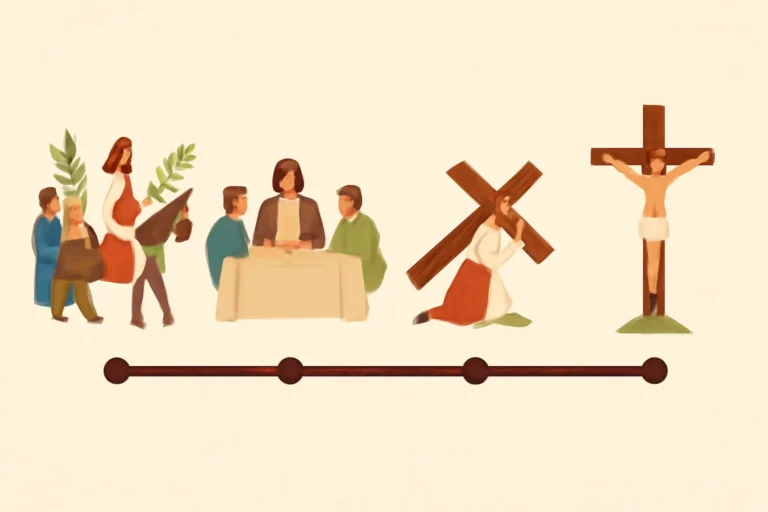
Entering Jerusalem in fulfillment of prophetic expectation, Jesus is greeted with acclaim as he rides a colt, while crowds declare, “Hosanna.” The subsequent temple cleansing functions as a provocative act against corrupt religious practice and a sign of prophetic judgment. These actions intensify debates with religious leaders and increase the immediacy of the coming confrontation surrounding his authority and identity.
Teachings, Parables, and Confrontations
In Jerusalem, Jesus engages in sharp debates with Pharisees and scribes, offers parables that reveal the hidden dimensions of the kingdom, and teaches on topics such as forgiveness, stewardship, and eschatology. The sequence in Jerusalem includes significant discourses that address end-times expectations and the future of the temple, while also answering immediate questions about authority, taxes, and loyalty to God. The chronology of the Jerusalem ministry shows a concentrated period of intense teaching, contested authority, and public confrontation that set the stage for the events of the Passion.
The Last Supper, Betrayal, and Arrest
Central to the Passion narrative is the Last Supper, where Jesus inaugurates the Eucharist as a memorial of his body and blood. Soon afterward, he prays in Gethsemane, is betrayed by one of his own disciples, and is arrested by the authorities. The betrayal and arrest highlight the human companionship of Jesus, the cost of his mission, and the looming sacrifice that fulfills prophetic expectations about the suffering servant.
Crucifixion, Burial, and Meaning
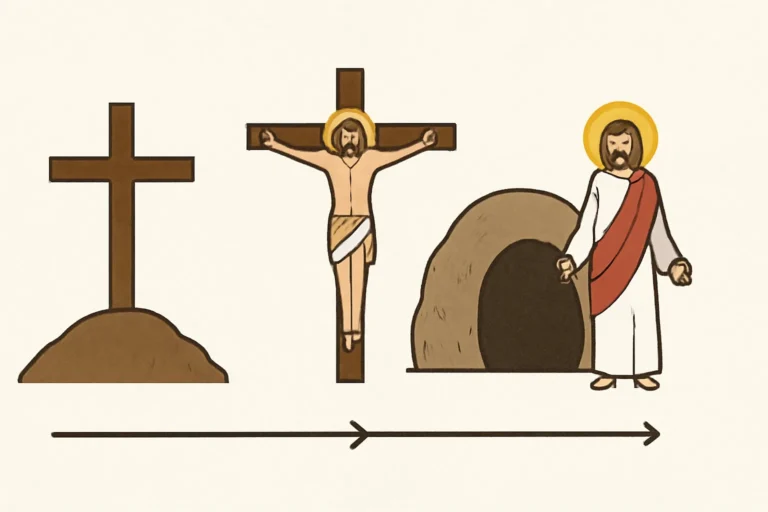
The crucifixion stands at the heart of the public ministry’s climactic act. Jesus endures crucifixion under Roman authority, and the event is interpreted in the narratives as the decisive atoning work of God for humanity. The burial follows, with expectations of death and loss turning to astonishment at the discovery of an empty tomb. The combination of these events—death, burial, and subsequent dawn of the resurrection—constitutes the decisive turning point in the public life of Jesus and in the salvation story the Gospels present.
Resurrection Appearances and Ascension
The resurrection appears as the ultimate vindication of Jesus’ mission and the confirmation of his divine identity. The post-resurrection appearances occur in several settings, each designed to empower the disciples for mission and to provide compelling witness to the truth of Jesus’ words and signs.
The earliest witnesses discover the empty tomb and are commissioned to spread the testimony of the resurrected Jesus. Mary Magdalene and other women play a foundational role in the early proclamation, signaling that the good news is first entrusted to those who remain faithful at the tomb. The announcement of the resurrection unfolds in a way that invites belief and invites the disciples to return to Galilee or to proceed to Jerusalem for further revelation.
Appearances to the Disciples and the Emmaus Narrative
Jesus appears to the disciples on multiple occasions, offering peace, forgiveness, and a commissioning to continue his work. Notable appearances include encounters in rooms with locked doors and the famous journey to Emmaus, where two travelers encounter the risen Jesus without recognizing him at first, then come to understand the scriptures in light of his suffering, death, and resurrection. These appearances reassure the community and provide a framework for the early church’s mission, teaching, and worship.
Ascension and Commissioning
The narrative culminates, in most accounts, with Jesus’ ascension to heaven, accompanied by final instructions and blessings. The Great Commission emerges as the culminating mandate: go and make disciples of all nations, baptizing and teaching them to observe all that he commanded. This commission secures the continuity of Jesus’ mission beyond his physical presence and anchors the ongoing life of the church in mission, teaching, and fellowship.
Harmonizing the Chronology Across the Gospels
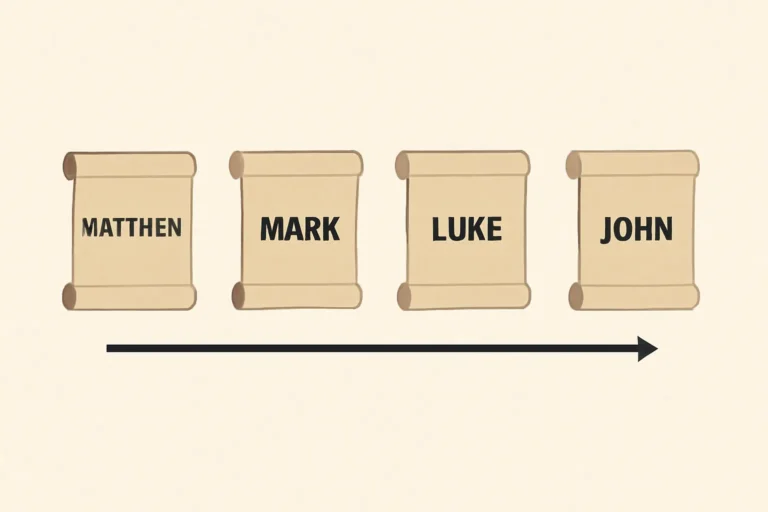
While the four canonical Gospels share a common framework, they preserve distinctive emphases, orderings, and temporal cues. To produce a coherent chronology of Jesus’ public ministry, scholars engage in harmonization: aligning events across Matthew, Mark, Luke, and John to present a unified sequence while acknowledging variations in placement and emphasis.
Synoptic scaffold: The core timeline is well represented by the three Synoptic gospels (Matthew, Mark, Luke). They present a shared sequence of Galilean ministry, journey toward Jerusalem, Passion Week, death, and resurrection, with significant overlaps in the order of major events such as calls of the disciples, miracles, and parables.
John’s distinctive chronology: John often arranges material thematically and temporally differently—for example, featuring certain miracles (signs) not always placed in the same sequence as the Synoptics, and sometimes recounting events earlier in Jesus’ ministry or in Jerusalem rather than Galilee. A reader may encounter the water-to-wine miracle in Cana early in John’s account, alongside temple-cleansing episodes that appear at different points in the other Gospels.
Key convergence points: Despite differences, convergence points—baptism, temptation, calling of the disciples, the Sermon on the Mount (or plain), the feeding miracles, the transfiguration, the last week in Jerusalem, and the resurrection—anchor the agreed-upon framework. The essential message of Jesus’ mission is preserved across the accounts, even as the sequence of individual episodes is nuanced.
Chronology in Sunday-to-Sunday terms: Some scholars structure the timeline in weekly blocks: the first ministry in Galilee (often occupying months to a year), a movement toward the festival cycle (Passover considerations), and culminating in Jerusalem. This approach highlights how the liturgical calendar of the early church shaped the way listeners remembered and interpreted the events.
Why the Chronology Matters: Meaning, Theme, and Implication
Understanding the public ministry chronology is more than a simple ordering exercise. It illuminates core theological themes and pastoral implications that have shaped Christian faith across the centuries. Here are several ways the timeline matters for readers and students today:
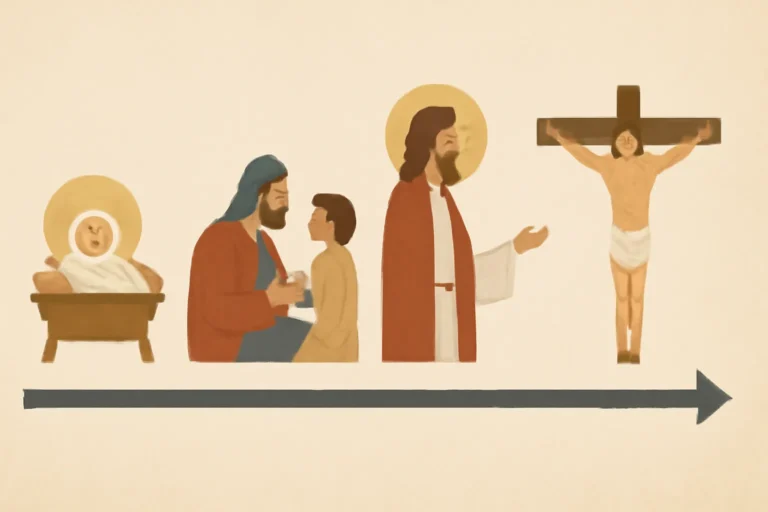
Identity and vocation: The sequence emphasizes Jesus’ consistent self-understanding as the Messiah and as the Son who obeys the Father. The pattern—baptism, temptation, calling, teaching, signs, sacrifice—offers a model for discipleship: respond to God, engage in service, endure hardship, and persevere in faith.
Prophetic fulfillment: The events align with Old Testament expectations about suffering, atonement, and the establishment of God’s reign. The chronology highlights how Jesus fulfills prophetic hope, often in surprising ways that reveal the character of God’s plan for redemption.
Mission and witness: From the sending of the Twelve to the Great Commission, the timeline demonstrates the transition from Jesus’ public acts to the church’s ongoing mission. The chronological flow helps readers see how early Christian communities understood their own calling to proclaim, teach, and baptize in Jesus’ name.
Ethical and eschatological teaching: The order of teachings—how Jesus moves from authoritative instruction to ethical exhortation and eschatological expectation—shows a comprehensive approach to life in the kingdom: faith, mercy, justice, humility, and hope in God’s ultimate plan.
For readers who wish to visualize the sequence, here is compact but comprehensive guidance to the major blocks of the chronology. The following lists summarize the key phases and episodes, with cross-references to Gospel themes and motifs. You can use these as a checklist while reading the Gospel accounts to observe how each piece fits into the larger narrative arc.
Baptism and Temptation — Inauguration of the public life, divine validation, and preparation for mission.
Galilean Calling and Early Ministry — The invitation to the disciples, the first signs, and the development of core teachings in familiar towns.
Teachings and Miracles in Galilee — The Sermon on the Mount, parables, exorcisms, healings, and the gathering of a broader following.
Transitional Moments — Passion predictions, mountaintop revelation, and preparation for the journey toward Jerusalem.
Journey Toward Jerusalem — Movement that culminates in the capital, with increasingly urgent instruction and confrontation.
Jerusalem Ministry — Temple debates, final discourses, and the authoritative proclamation of the kingdom in a city crucible.
Last Supper, Betrayal, and Trial — The climactic events that frame the Passion narrative and set the stage for the crucifixion.
Crucifixion and Burial — A culmination of the public ministry with a costly sacrifice and a final act of trust in God’s redemptive plan.
Resurrection Appearances — Proof of victory over death and commissioning of the disciples for mission.
Ascension and Commission — The sending of the church and the ongoing work of spreading the gospel to all nations.
Readers should recognize that while the chronology offers a helpful framework, it is not a single, exhaustive timetable exact to every detail. Historical and literary contexts in the Gospel accounts produce variations in the order and emphasis of certain events. Yet the overall sequence remains persuasive and the theological message remains consistent: God’s salvation is disclosed through Jesus’ life, teaching, signs, death, and resurrection. By comparing the Gospels side by side, one gains a fuller sense of how early Christians remembered and proclaimed Jesus’ work in history.
At its heart, the chronology of Jesus’ public ministry is a narrative about revelation, response, and renewal. It invites readers to consider questions such as: What does it mean to follow the Messiah when his path leads through sacrifice? How does Jesus reveal the nature of the kingdom of God in word and deed? In what ways do the gospel writers guide modern readers to respond with faith, repentance, and mission?
As you study the public ministry chronology, you may notice recurring motifs: the authority of Jesus over nature and illness, the inclusion of outsiders and the call to ethical living, the tension between hiddenness and revelation, and the ultimate invitation to participate in God’s redemptive work. The timeline is not just a ledger of events; it is a living map for Christian faith—one that has shaped worship, preaching, theology, and daily life for two millennia.
In closing, the timeline of Jesus’ public ministry demonstrates a purposeful arc: from a divine affirmation at baptism to a dramatic public confrontation in Jerusalem, to the decisive acts of the cross and an empty tomb that transforms fear into joy and doubt into faith. The chronology helps believers see that the events are not isolated episodes but a coherent narrative that reveals the heart of God’s plan to restore humanity and renew creation. Whether you approach it as a devotional guide, a historical reconstruction, or a scholarly study, the comprehensive timeline of Jesus’ public ministry offers a compelling gateway into the life, message, and ongoing witness of the Church throughout the ages.