Palm Sunday Meaning Christian: Understanding the Significance of Jesus’ Entry and Holy Week
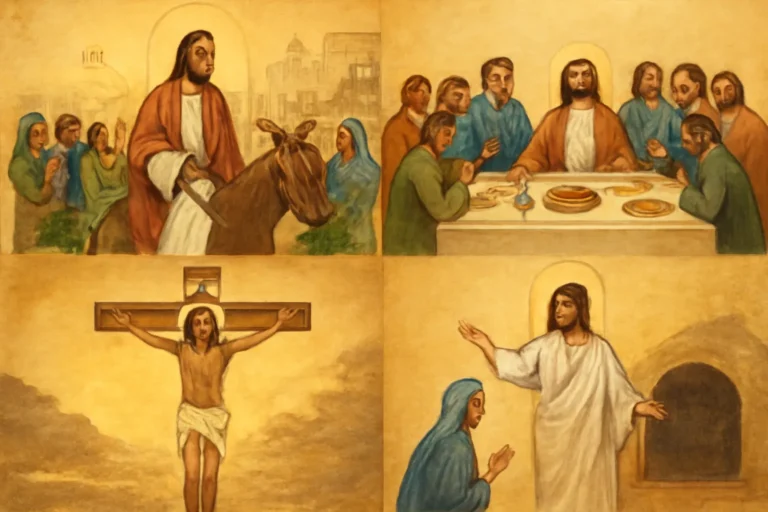
Every year, Christians around the world observe Palm Sunday as the opening act of what is commonly called the Holy Week. This day commemorates the moment when Jesus of Nazareth entered Jerusalem shortly before his crucifixion, greeted by crowds who spread their cloaks and palm branches in his path. For many believers, the Palm Sunday meaning for Christians reaches beyond a historical event into a living invitation: to recognize Jesus as both king and suffering servant, to reflect on the path toward the cross, and to anticipate the joy of Easter. The day is rich with symbolism and liturgical practice, and it offers a way to connect ancient narrative with contemporary faith and daily discipleship.
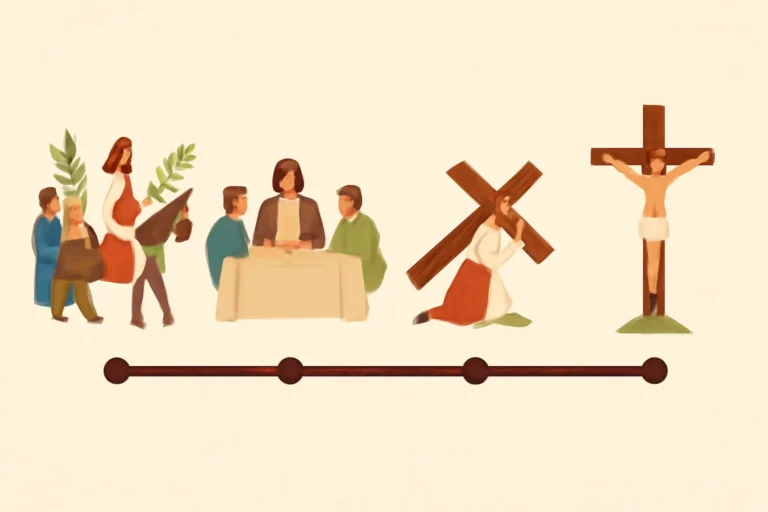
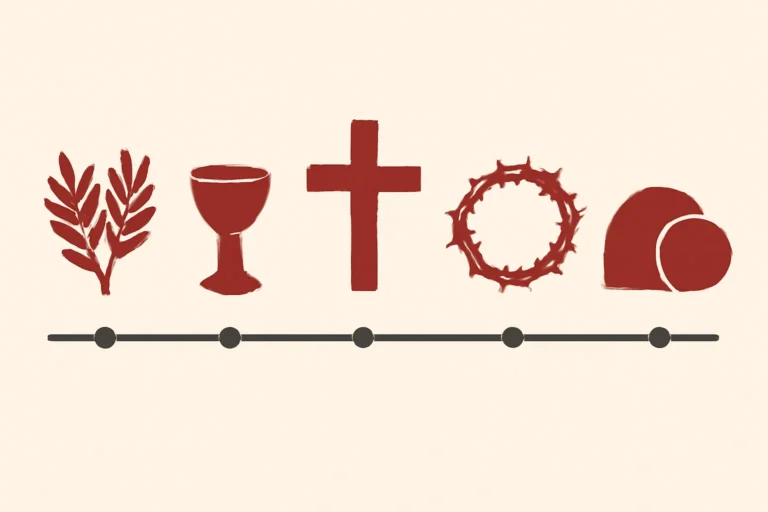
In discussing the palm sunday meaning christian, it helps to keep in view that the events of this day are not isolated. They are inseparably linked to the narrative of Holy Week, which invites believers to walk with Jesus from triumph to trial, from lament to resurrection. The word “palm” evokes victory and peace in the ancient world, while the act of spreading cloaks on the road shows the crowds’ respect and homage. Taken together, these gestures announce a paradox: the Messiah who comes in peace comes to suffer, and through that suffering, to bring new life to all who follow. This article surveys the Palm Sunday meaning in Christian faith from its biblical foundations to its enduring relevance in worship, teaching, and everyday faithfulness.
What is Palm Sunday? Understanding the Palm Sunday Meaning for Christians
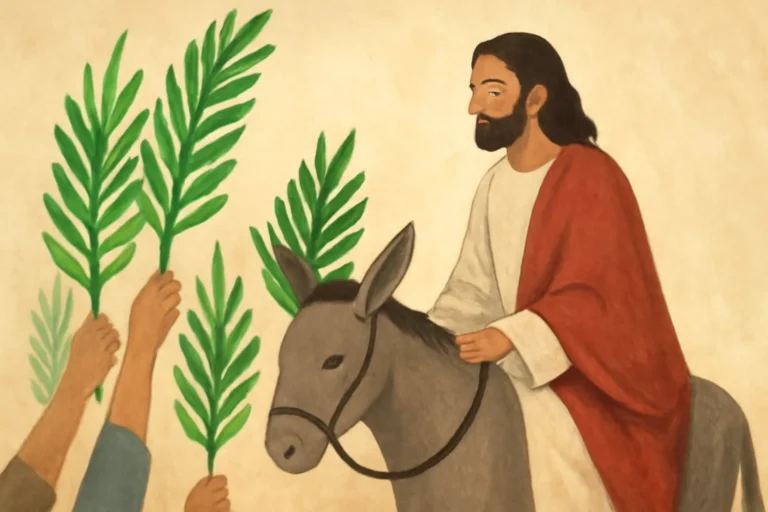
At its core, Palm Sunday marks the transition from ordinary Lent-focused reflection to the start of the most solemn and hopeful week in the Christian calendar. It is a day that invites both imagination and faith: imagination to picture the crowds lining the road into Jerusalem, voices shouting “Hosanna,” and a humble Teacher riding on a donkey; faith to accept the mystery of a king who conquers not by force but through self-giving love. The Palm Sunday meaning for Christians often centers on three intertwined themes: recognition of Jesus as the Messiah, a sober awareness of the looming passion, and readiness to participate in the ongoing work of redemption in the world today.
Biblical Foundations of Palm Sunday
The narrative of the entry into Jerusalem is present in multiple Gospel accounts, each contributing unique details that enhance the palm sunday meaning christian. The event is described in the Gospels as Jesus approaching Jerusalem, sending two disciples to fetch a donkey, and then riding into the city as crowds spread their garments and palm branches along the road. The word Hosanna, meaning “save now” or “save, please,” expresses both petition and recognition that Jesus is the one through whom salvation is breaking into the world. The key scriptural passages for this moment include:
Matthew 21:1-11 (the crowds greet Jesus as “the Son of David” and shout blessings on the coming kingdom)
Mark 11:1-11 (the Fifth Gospel’s account of Jesus entering the city with triumphal signaling and the crowd’s response)
Luke 19:28-44 (an emphasis on Jesus’ foreknowledge of what lies ahead and the sorrow that follows triumph)
John 12:12-19 (the passion of the moment as people flock to see Jesus and the authorities react)
Across these narratives, the Palm Sunday meaning Christian emerges as a window into Jesus’ identity as the promised Messiah while also foreshadowing the Passion that will reveal the depth of God’s love. The day proclaims not merely a political or national victory but a spiritual victory—God’s plan of salvation being enacted through humility and obedience.
To appreciate the full meaning of this event, it helps to consider the symbolism of the donkey and the palm branches themselves. The donkey signals peace and restraint, contrasting with the railed expectations of a conquering king who would ride a warhorse. The palms, common in ancient near eastern symbolism, stand for victory and righteousness, as well as for peace and life. The combination of these symbols presents a Royal Manifesto: a king who comes not to wage war but to redeem a broken world through self-giving love.
Symbols and Signs: What Do the Palm, the Donkey, and the Crowd Tell Us
The Palm Branch as a Sign of Victory and Peace
The palm branch in the Palm Sunday celebraion carries layered meaning. In antiquity, palms were associated with triumph, victory, and celebration. They were carried before victors in parades and used to adorn sacred spaces. For the church today, palm branches become tangible reminders of the victory that Jesus would accomplish not by force but through the defiant love of the cross. They also symbolize the peace that Jesus came to inaugurate, a peace that surpasses political calculation and enters the heart with grace and mercy.
The Simple Donkey: A Humble King’s Ride
In the palm sunday meaning christian discourse, the donkey stands as a deliberate counterpoint to the image of kingship that relies on might and dominance. Riding a donkey signals a king who chooses a path of service, vulnerability, and accessibility. This aligns with prophecy fulfilled in Zechariah 9:9, where a coming king is described as gentle and riding on a donkey. The choice of this animal teaches believers about the type of leadership God desires—one that embraces humility, welcomes all, and bears the burdens of the people with compassion.
The Cries of the Crowd: Hosanna and Its Double Edge
The crowd’s cries of Hosanna capture a moment of awakening: people recognize Jesus as a figure of salvation, even as they imagine a more immediate political deliverance. The Hosanna moment contains both faith and misunderstanding, inviting readers and listeners to examine their own expectations about how God acts in history. The scriptural accounts show that the same crowd who hailed Jesus later called for his crucifixion, reminding Christians that faithfulness often requires endurance in the face of shifting moods, pressures, and confusion. Thus, the palm sunday meaning christian includes not only praise but also the call to discernment and fidelity in difficult times.
Palm Sunday in the Christian Calendar: Why It Matters for Holy Week
The observance of Palm Sunday marks the official start of Holy Week, a sequence of sacred days in which the church retraces the events that lead to Easter. In many liturgical traditions, the day includes a processional entrance into the church or around the campus, with palms blessed and distributed to worshipers. This ritual action embodies the idea that believers are part of the biblical crowd—they join the chorus that recognizes Jesus as Savior while also acknowledging the way of the cross that follows.
For many Christians, the palm sunday meaning christian is inseparable from contemplation of the Passion and Resurrection. Holy Week invites communal worship, prayer, and service. It is a time when families read together the Gospel narratives, sing hymns that recount the events, and participate in acts of charity that reflect the love of Christ. The transition from the triumphal entry to the betrayal, trial, and crucifixion emphasizes a paradox: the path of salvation runs through surrender and sacrifice, yet it culminates in the defeat of death. This paradox lies at the heart of Palm Sunday significance in Christian life.
Traditions Across Christian Traditions: Diversity in Observing Palm Sunday
While the core meaning remains consistent, the way Palm Sunday is observed varies across Christian traditions. Some communities emphasize public processions and the blessing of palms, while others stress sermon content, scripture reading, or family devotion. Across denominations, the day serves as a bridge between the solemnity of Lent and the joy of Easter, offering a shared invitation to worship and witness.
Catholic and Anglican Traditions: Processions, Blessings, and Liturgy
In Catholic and many Anglican communities, Palm Sunday often features a public procession into the church, led by a crucifer and carried by clergy and lay participants. The blessed palm branches are distributed to the faithful, who may keep them as a symbol of blessing and grace. The liturgy typically includes a reading from one of the Gospel accounts, a hymn or psalm, and a blessing that connects the palms with the Crucifixion narrative. Some churches also bless a separate set of palms each year, which will be burned for Ash Wednesday of the following year, thereby linking the end of one season with the start of the next in the liturgical cycle. The Palm Sunday meaning christian in these contexts emphasizes both the public confession of faith and the personal appropriation of Christ’s lordship in daily life.
Eastern Orthodox Traditions: Branches of Victory and Praise
In many Eastern Orthodox communities, Palm Sunday is celebrated with the blessing of branches (often olive or palm, depending on climate and local practice) and a service that proceeds through Lent into the triumphant entry mood. The ritual of carrying branches through the nave or around the church is a vivid reminder that Christ’s entry into Jerusalem is a communal event, inviting worshipers to participate in the narrative. The Orthodox emphasis on the continuity of liturgical life means that the readings and hymns of Palm Sunday are closely tied to the full sequence of Holy Week, fostering a sense of sacred time that unfolds with intentional rhythm.
Protestant Traditions: Scriptural Focus and Mission Framing
Many Protestant churches honor Palm Sunday with a focus on biblical text, sermons, and congregational singing that highlight Jesus’ identity and mission. Some communities present the story in a dramatic reading, while others host children’s processions or family-oriented devotions that teach the symbolism of the palms and the donkey. The palm sunday meaning christian in Protestant churches often centers on the call to discipleship—following Jesus in humility, serving others, and embracing the path toward Easter joy through repentance, faith, and hope.
Theological Significance: Christ the Humble King and the Path Toward Easter
Across traditions, the Palm Sunday meaning invites believers to reflect on the paradox of Christ as both a humble servant and the sovereign Lord. The narrative invites a redefinition of what it means to “reign.” Jesus’ kingship is not exercised through domination but through self-giving love, courage, and obedience to the Father’s will. This reframing has enduring implications for Christian life:
Reimaging leadership: The entry into Jerusalem points to a leadership model grounded in service, mercy, and compassion, rather than domination or coercion.
Understanding the mission: The Palm Sunday event helps believers see that salvation includes both proclamation and sacrifice—praising God while preparing for the cross.
Facing suffering with hope: The day teaches that God’s purposes often unfold through difficulty, endurance, and faithfulness in hardship.
Practical obedience: The palm and the donkey invite Christians to imitate Jesus’ humility in daily life—caring for the vulnerable, seeking peace, and choosing reconciliation over retaliation.
For those considering the palm sunday meaning christian in the 21st century, the message remains startlingly relevant: the kind of power that saves is power committed to others, especially the poor, the marginalized, and the brokenhearted. The triumphal entry is not a triumphal parade for a distant king; it is an invitation to become participants in God’s ongoing work of restoration and renewal in the world.
Living the Meaning Today: Practical Ways to Engage with Palm Sunday
Understanding the significance of Palm Sunday can translate into concrete actions that shape families, churches, and communities. Here are some practical paths to embody the Palm Sunday meaning for Christians in everyday life:
Participate in a procession: If your church offers a Palm Sunday procession, join as a sign of solidarity with the biblical crowd and the Christian assembly gathered for Holy Week.
Bless and preserve palms: If your congregation blesses palms, consider how you might preserve them in your home as a reminder of faith, service, and peace. Some families burn last year’s palms for the Ash Wednesday rite as a reminder of continuity in the liturgical year.
Read the Passion narratives: Take time to read or listen to the Gospel accounts of Jesus’ entry and the events of Holy Week, and reflect on the tensions between expectation and God’s plan.
Practice acts of service: The Palm Sunday message invites practical mercy—reach out to neighbors in need, support charitable programs, or volunteer in your local church’s outreach efforts.
Offer family devotions: Create a Palm Sunday family devotion that explores questions like “What does it mean for Jesus to be king in my life?” or “How can I imitate Jesus’ humble service this week?”
Reflect on leadership and peace: Consider how your leadership at work, school, or home can reflect the peaceable authority modeled by Jesus’s entry into Jerusalem.
Prepare for Holy Week: Use Palm Sunday as a launching point to engage deeply with Holy Week—Maundy Thursday, Good Friday, Holy Saturday, and Easter Sunday—through worship, prayer, and fasting as appropriate in your tradition.
In communities around the world, people often have questions about the origins and practice of Palm Sunday. Here are some frequently asked questions and concise answers that illuminate the palm sunday meaning christian in everyday language:
Why do we use palm branches on Palm Sunday? The palm branches symbolize triumph and peace, recalling the ancient custom of welcoming a king with branches. They also visually link the crowd’s welcome to Jesus with the long arc of salvation history in which God’s people anticipate a deliverer who reconciles all things.
What does the donkey symbolize? The donkey represents humility and peace, signaling that Jesus, though claimed as king, comes not to force but to redeem through love and sacrifice.
How is Palm Sunday connected to Easter? Palm Sunday begins Holy Week, which leads to the events of the Passion (Jesus’ suffering and crucifixion) and culminates in the celebration of the Resurrection on Easter Sunday. The day frames the journey from triumph to triumph through the cross and beyond.
Is Palm Sunday celebrated the same way in all traditions? No. While the core symbolism remains, practices vary: some churches emphasize public processions, others focus on Scripture readings, sermons, or family devotions. The central aim—encountering Jesus as Messiah and Lord—remains shared across traditions.
What is the significance of Palm Sunday for modern believers? Beyond historical memory, Palm Sunday invites contemporary believers to contemplate the nature of leadership, the meaning of true victory, and the call to follow Jesus in humility, mercy, and mission.
Closing Reflections: Embracing the Palm Sunday Meaning Christian in Everyday Faith
As the church moves from the solemn quiet of Lent into the dynamism of Holy Week, the Palm Sunday meaning Christian invites a renewed commitment to witness, worship, and service. The story of Jesus entering Jerusalem on a day of crowds and palms remains a living invitation: to recognize the Christ who fulfils ancient hope, to submit to God’s plan even when it leads toward the cross, and to embody the peace and justice that God desires for the world. The day’s symbolism—palm branches, a humble donkey, and the cry of Hosanna—speaks across ages: true victory rests not in power but in love poured out for others. In this sense, the Palm Sunday meaning for Christians is not a memory alone but a call to formation—forming character, forming communities, and forming lives that testify to the good news proclaimed by Jesus Christ throughout Holy Week and into Easter day.
Whether you encounter Palm Sunday in a grand cathedral procession, a quiet family gathering, or a neighborhood church service, the heart of the day remains consistent: to honor Jesus as the one who leads with mercy, to acknowledge the path toward the cross, and to anticipate the triumph of Easter life. In the rhythm of blessing and praise, reflection and repentance, the palm sunday meaning christian continues to shape a faith that looks toward the cross with reverence and toward the empty tomb with hopeful expectation. May this Holy Week be a season of renewal, courage, and profound encounter with the grace that saves, heals, and invites all people to follow Jesus step by step into a transformed life.