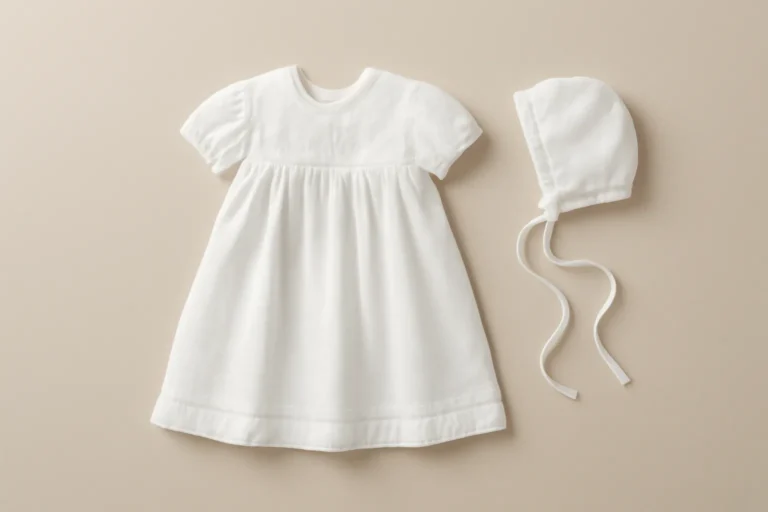
Baptism Robe Ideas: Top Picks for Style and Comfort
Choosing the right baptism robe sets the tone for the ceremony and creates cherished photos. This guide explores a wide range of robe ideas for baptism, from timeless white garments to contemporary styles, with practical tips on comfort, fabric, fit, and care. Whether you are shopping for a baby, toddler, or adult baptism, the following sections offer ideas, inspiration, and actionable recommendations to help you find a robe that feels appropriate, looks beautiful, and is comfortable to wear during the rite.
Baptism Robe Ideas: Top Picks for Style and Comfort
When selecting a baptism robe, you want something that conveys reverence while still reflecting the personality of the wearer. The best options balance style and comfort with practicality for the ceremony day. In this section, you’ll find a broad spectrum of ideas—from classic, ceremonial gowns to modern takes that preserve tradition while embracing contemporary aesthetics. Consider the setting (church, outdoor ceremony, or family gathering), the age of the participant, and the level of formality you’re aiming for. The top picks range from ultra-simple garments that emphasize modesty and purity to richly detailed pieces that honor family heritage and faith traditions.
Fabrics and Texture: The Foundation of Comfort
The fabric choice is the most important factor in how a baptism robe will feel and perform. Fabrics influence breathability, skin sensitivity, and how the robe drapes during the ceremony. Below are common options, with notes on when each shines best.
Cotton (especially organic or GOTS-certified): Breathable, soft, and easy to care for. A cotton robe is ideal for babies and toddlers, and it can be finished with delicate embroidery or a small amount of lace for a timeless look.
Mercerized cotton or combed cotton blends: Slightly more sheen and stronger fibers without sacrificing softness. Great for longer-lasting robes used by multiple children in a church program.
Linen: Cool in warmer climates, with a natural texture that adds a rustic elegance. Linen robes are excellent for outdoor ceremonies but may wrinkle more easily, so consider a lining or a softer overdress to reduce creasing.
Silk or silk blends: Luxurious and refined for formal rites or adult baptisms. Silks drape beautifully, but they require more careful care and sometimes professional cleaning, depending on the finish.
Bamboo viscose or other sustainable blends: Silky-soft against the skin and often naturally hypoallergenic. This fabric can be a good compromise between comfort and easy care.
Terry cloth or terry blends: Particularly suitable for baby robes that double as bath robes, providing warmth and comfort between the home and ceremony. Look for thin terry to avoid bulk under ceremonial gowns.
Polyester or poly-blends: Durable and easy to wash, and can be a smart option for family robes that will be worn often or passed along to others. Choose a brushed or satin-finish blend to keep the robe from appearing overly shiny.
Beyond fabric, consider the robe’s weight, lining, and how it moves when the wearer walks. For younger children, a robe with soft lining, no rough seams, and elastic or adjustable closures will maximize comfort and reduce fuss during the ceremony.
Classic White Robes: Timeless Appeal
White is the traditional color for baptism robes in many denominations, symbolizing purity and new beginnings. A classic white robe can be minimal in design or richly adorned with tasteful details. The goal is to achieve a dignified look that photographs well in church settings while remaining comfortable and easy to wear.
Plain white cotton gown with a simple neckline and long sleeves offers a clean, modest silhouette that works for most occasions.
Ivory or off-white options provide a softer alternative to stark white, especially for skin tones that may glow with a pure white shade under church lighting.
White with subtle trim (e.g., a narrow satin ribbon at the hem or cuffs): Keeps the look understated while adding a touch of refinement.
Embroidery accents such as small crosses, floral motifs, or biblical symbols positioned at the chest or sleeve cuffs can be meaningful without overpowering the garment.
Ruffled or pintucked detailing for a gentle, classic aesthetic that suits babies and young children without feeling overly ornate.
When styling classic white robes, consider complementary accessories that stay true to the ceremony’s tone. A delicate lace collar, a satin sash, or a matching white bonnet can enhance the overall look while keeping the ensemble cohesive and respectful. For adult baptisms, a white robe may be paired with a short cape or shawl in a complementary shade to add modesty and warmth, especially during cooler seasons.
Modern and Non-traditional Options
Not everyone opts for the traditional white robe, and many families appreciate modern designs that maintain solemnity while offering fresh style. Modern options may involve color accents, contemporary cuts, or gender-neutral silhouettes that enhance comfort and mobility during the ceremony.
Ivory, cream, or blush robes with minimalist lines create a soft, contemporary look that suits a wide range of skin tones and church lighting.
Unisex and gender-neutral designs featuring straight cuts, simple fastenings, and easy-wear closures to accommodate all ages.
Shorter lengths or tunic-style robes for toddlers and older children who may feel restricted by floor-length garments.
Closed-front tunics over lightweight gowns or pants for a more contemporary, modest budget-friendly option.
Colored sashes, belts, or waist ties in pale blues, greens, or golds can add personality while preserving a sense of ceremony.
Embossed or printed fabrics featuring subtle religious motifs, abstract crosses, or nature-inspired patterns for a distinctive yet respectful appearance.
When choosing non-traditional options, it’s important to align with the church’s dress code and with family preferences. Some congregations welcome color and modern silhouettes, while others emphasize more conservative attire. If you’re unsure, consult with the church coordinator or your priest or pastor before finalizing the robe choice. For many families, the robe is a keepsake; selecting durable fabrics and well-constructed garments helps ensure that the robe can be passed down to siblings or relatives in future ceremonies.
Embellishments and Customization
Customization allows you to add meaningful touches that reflect personal faith, family heritage, or the symbolism of the day. Embellishments should enhance rather than overpower the robe’s dignity. Here are popular customization ideas and practical considerations.
Embroidery and Monograms
Embroidery is a timeless way to personalize a baptism robe. Consider:
Initials or name with a date, placed on the chest or sleeve, to mark the occasion.
Religious symbols such as a cross, dove, or fish motif positioned along the hem or near the neckline.
Biblical verses or short blessings embroidered along the edge for a subtle, meaningful touch.
If you choose embroidery, think about thread color that complements the robe’s fabric. For white robes, a soft silver or light gold thread can provide a refined accent without competing with the garment’s purity. For ivory or cream robes, warm tones (champagne or taupe) can be particularly flattering. Ensure that the embroidery is done with durable, colorfast thread and that the stitches are smooth to minimize discomfort against the skin.
Lace, Trim, and Edging
Lace and edging add romance and punctuation to ceremony-ready robes. Consider these options:
Delicate lace at cuffs or hem for a classic, ceremonial vibe.
Satin or grosgrain piping along seams to define the robe’s silhouette subtly.
Ribbon trim or small bows placed sparingly to maintain formality while injecting charm.
When selecting lace, choose garments with soft, skin-friendly linings and avoid bulky lace that may irritate sensitive skin in babies and toddlers. If the robe will be worn during outdoor ceremonies, consider weather-appropriate trims that won’t snag on trees or outdoor decor.
Pockets and Practical Details
Though pockets are not always visible in ceremonial robes, they can provide practical value, especially for older children who might want a place to tuck a small keepsake or a tissue. Consider:
Hidden interior pockets that preserve the robe’s clean exterior.
Low-profile pockets sewn into the side seams without breaking the robe’s flow.
Detachable accents like a small belt or sash that can be removed for a simpler look during photographs.
Remember to ensure that any added features do not compromise safety or comfort. For very young wearers, avoid heavy embellishments that could scratch the skin or irritate the neck area.
Fit, Sizing, and Comfort Across Ages
Proper fit is essential for both aesthetics and ease of movement during the ceremony. A robe that is too tight or too loose can be uncomfortable and distract from the moment. Here are practical sizing considerations for different age groups and the adults who often participate in baptism ceremonies.
Infants and babies: Look for robes with wrap-front designs, soft snaps, or gentle Velcro closures rather than tight necklines or rigid collars. A wearable blanket-style robe may be ideal for very young children who need warmth between the home and church.
Toddlers and preschoolers: Choose robes with elastic waists or adjustable ties to allow room for growth. Shorter lengths that stop at the knee can make movement easier during the ceremony and photos.
School-age children: A knee-length robe with a clean silhouette and optional belt can provide a polished look while remaining comfortable for standing and processing.
Teens and adults: Adult robes may feature more structured cuts, including gentle A-line shapes, button fronts, or zip closures for a modern twist, while preserving the ceremonial mood.
When shopping, always check the size charts, look for adjustable elements, and consider fabric weight. In cases where a robe will be worn over other garments or by multiple family members, a slightly larger size with a comfortable belt or sash that can be tied to fit is a practical strategy. If you’re purchasing a robe for a family event with several participants, you can select a cohesive set with varying sizes but matching fabric and trim to maintain unity in photos and in person.
Budget, Value, and Do-It-Yourself Ideas
Robe budgets can vary widely based on fabric, brand, and level of customization. Whether you’re shopping for a single robe or assembling a small collection for a church program, there are ways to maximize value without compromising dignity or comfort.
Shop seasonal sales or church supply stores for straightforward white robes at reasonable prices. Basic white gowns are often available at religious supply outlets, which tend to stock sizes for infants through adults.
Consider secondhand or gently used robes, especially for older children who outgrow garments quickly. Ensure the fabric remains in good condition, with no stains or tears that could impact the ceremonial look.
Mix and match components—for example, pair a simple robe with a decorative sash or a modest lace collar—to achieve variety without a large price tag.
DIY options can be rewarding for families who enjoy sewing or crafts. A basic robe pattern, paired with a high-quality cotton or linen fabric, can yield a custom piece that fits perfectly. If you choose to DIY, plan for enough time to complete any embroidery or applique and to ensure seams are reinforced for durability.
When considering a DIY approach, think about care and maintenance. A handmade robe may require gentler washing or hand-washing, so be sure to include care instructions in the packaging or documentation that accompanies the garment. A well-executed DIY robe can become a family heirloom, especially if you document the materials and year of the baptism on a small tag sewn into the inside seam.
Care, Maintenance, and Longevity
Robes designed for baptism should endure multiple washings, frequent handling, and occasional travel. The way you care for a robe affects its color, texture, and longevity. Here are essential care tips to keep robes looking their best for years to come.
Follow fabric-specific washing instructions. Cotton robes are usually machine washable on a gentle cycle; linen robes may benefit from a delicate wash and air drying; silk should be hand-washed or dry-cleaned as recommended by the care label.
Avoid harsh detergents and bleach, which can degrade fibers and affect color or finish. Use a mild, baby-safe detergent and consider a gentle fabric conditioner if appropriate for the material.
Air dry whenever possible to prevent shrinking or ply separation. A low-heat tumble dry can be acceptable for some fabrics, but always verify the label.
Store properly in a breathable garment bag away from direct sunlight to prevent yellowing or discoloration over time.
Check embellishments regularly for loose threads or beads. Reinforce seams or trim before storage to avoid snags during future use.
For robes with embroidery or delicate lace, consider professional cleaning for long-term garment care. If you plan to retire a robe after a single ceremony, you may still preserve its condition by gently cleaning and storing it with care, allowing future generations to appreciate the craftsmanship.
Sustainability and Ethical Considerations
More families want eco-friendly options when selecting baptism robes. Focus on fabrics and production processes that minimize environmental impact and support fair labor practices. Here are key points to consider when prioritizing sustainability.
Natural fibers such as cotton, linen, and bamboo typically have a lower environmental footprint when produced responsibly (e.g., organic farming, reduced chemical use).
Certifications like GOTS (Global Organic Textile Standard) or OEKO-TEX help verify that textiles meet safety and ethical standards for dyes, dyes and processing.
Durable construction ensures robes last beyond one ceremony, reducing waste from frequent replacements.
Fair-trade considerations and reputable manufacturers support workers’ rights and safer working conditions.
Choosing sustainable options does not necessarily require a higher price. A thoughtfully selected robe made from a certified organic cotton or a responsibly sourced linen can offer both beauty and assurance, while a well-made robe that is cared for properly remains a responsible choice for generations to come.
Accessories and Complementary Pieces
Completing the baptism ensemble with the right accessories can elevate the look without overshadowing the robe’s significance. Consider these elements that harmonize with a wide range of robe styles.
Bonnet or cap in matching fabric for infants and young babies, designed to stay soft against the head and secure without tight elastics.
Soft shawl, cape, or wrap for cooler venues, providing warmth while preserving modesty when needed.
Bracelets, rings, or small symbolic pins that reflect faith traditions in a simple, respectful way.
Necklaces or pendants with subtle symbolism (e.g., a dove or cross charm) that can be worn during the ceremony when appropriate.
Matching socks or booties that coordinate with the robe color and trim, keeping little feet comfortable and warm.
When choosing accessories, keep the ceremony’s tone and venue in mind. For formal church settings, simpler accessories tend to photograph better and stay aligned with tradition. For more casual outdoor ceremonies, you can experiment with color accents and light textures to reflect the moment’s spirit while maintaining respect for the rite.
Cultural and Regional Variations
Baptism customs vary around the world, and garment choices sometimes reflect local traditions, liturgical calendars, or family heritage. Understanding these nuances can help you select a robe that honors the rite while remaining personal.
Catholic and Orthodox traditions often emphasize modest, ceremonial robes with simple embellishments and a strong sense of solemnity. White garments are common, but the exact style can vary by parish.
Protestant denominations may embrace a broader range of designs, including minimal, contemporary robes or elder robes that reflect the church’s identity.
Regional dress influences—for example, a robe might incorporate lace patterns or embroidery inspired by local church art, regional flora, or biblical scenes that hold special meaning for a family.
Family heritage pieces may be adapted into baptism robes through careful tailoring, ensuring the garment remains suitable for the ceremony while honoring lineage.
When drawing from cultural or regional influences, consult with the church leadership or a mentor within your faith community to ensure that your robe choice respects the denomination’s norms and the ceremony’s sacredness.
Practical Buying Guide: Quick Tips for Selecting the Best Robe
To streamline the decision-making process, here is a concise checklist you can use when shopping for a baptism robe:
Set a budget and determine whether you want a one-time purchase or a piece that can be kept as a family heirloom.
Identify age group and required length, then consult exact size charts to avoid sizing surprises.
Choose a fabric based on season—lighter fabrics for summer, warmer options for winter ceremonies.
Decide on level of embellishment that aligns with the ceremony’s formality and the wearer’s comfort.
Check care instructions to ensure you can maintain the robe with ease.
Assess durability—if the robe will be used multiple times, you’ll want reinforced seams and high-quality fastenings.
Look for customization options if you’d like a monogram, date, or symbol embroidered on the robe.
Read reviews from other families to gauge fit, comfort, and longevity before purchasing.
Ultimately, the best baptism robe for your family harmonizes spiritual significance with practical comfort and lasting quality. Whether you choose a classic white gown, a modern ivory design, or a richly embellished piece, the robe should honor the rite and reflect the family’s values. By considering fabric, fit, care, and customization, you can select a robe that feels appropriate for the ceremony, photographs beautifully, and remains a cherished keepsake for years to come.
As you make your choice, keep in mind that the robe is part of a meaningful moment—one that involves faith, family, and community. A thoughtful selection process helps ensure that the wearer can focus on the sacred proceedings rather than adjusting fabric or wrestling with a complicated fastener. With the ideas outlined above, you’ll be well-equipped to find a baptism robe that embodies grace, comfort, and reverence while offering the breadth of options to suit your tradition, climate, and personal style.