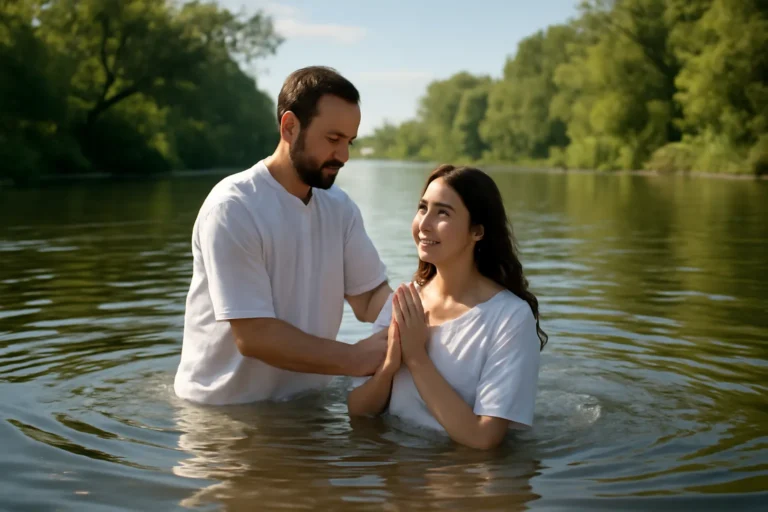
Beach Baptism Service: Planning a Meaningful Sea-Side Baptism
A beach baptism service is a vivid, public act of faith that blends sacred symbolism with the beauty of creation. Because a sea-side baptism is both deeply spiritual and publicly shared, thoughtful planning helps ensure it remains meaningful, safe, and respectful for all participants and guests. In this guide, you’ll find practical steps, checklists, and ideas to plan a beach immersion event that honors tradition while fitting your church or community’s context. Throughout this article, you will encounter variations of the phrase beach baptism service to reflect different emphases, such as coastal baptism, shoreline immersion, and ocean baptism, while keeping the core meaning intact.
What a beach baptism service communicates and why it matters
A shoreline baptism or ocean baptism is more than a ceremony; it is a public profession of faith that invites the wider community to witness grace in action. The symbolism is powerful: water represents cleansing, renewal, and new life; waves remind us of ongoing growth and the breaking of old patterns; and the shoreline marks a transition—from old life to new life in Christ. When planned with care, a sea-side baptism can be a formative moment for the faith community, inviting families, friends, and neighbors into shared worship and witness.
Key elements often emphasized in planning include clear theological framing, accessible participation, and practical safety. A well-formed beach baptism service balances reverence for the sacred act with joy and celebration, ensuring that every participant feels welcomed and cared for. In short, a thoughtfully designed beach immersion is a compelling combination of doctrine, devotion, and communal life.
Setting a clear vision and theme for the sea-side baptism
Before you confirm a location or invite participants, articulate a guiding vision. This helps align leaders, volunteers, and families and prevents the event from becoming either overly ceremonial or unnecessarily casual. Consider these questions:
What theological emphasis should shape the service (e.g., grace, repentance, new life, baptism as a covenant)?
Who is invited to participate—only candidates, or a larger circle of recommitment and public profession?
What tone will best honor the setting—a contemplative, prayerful gathering, a festive celebration, or a hybrid?
How will the location influence the order of service, music, and testimonies?
Once a theme is selected, weave it into every element: the opening scripture, song choices, the baptism moment itself, and the closing blessing. When the theme is integrated, a coastal baptism or shoreline immersion feels cohesive rather than improvised. This clarity also helps in communicating expectations to guests and volunteers.
Location and site selection for a beach baptism
Choosing the right beach
The ideal site for a beach baptism service is not just a beautiful backdrop; it is a place where safety, access, and logistics align with your plan. Consider:
Water quality and currents—choose a calm area where immersion is safe and visibility is reasonable for photography if desired.
Tide patterns—shorelines shift with tides. Plan for a time window when the water is at a favorable level and longer enough for the full program.
Access and accommodation—is there a ramp, paved path, or nearby parking? Are restrooms available? Is there a place to retreat for counseling, conversations, or quiet reflection?
Seating and shade options—how will you accommodate elderly guests, families with strollers, and children?
Permits and regulations—many beaches require permission for gatherings, amplified sound, or structures. The right site streamlines approvals.
Accessibility, crowd management, and inclusivity
Think about accessibility and inclusion from the outset. A successful beach baptism service welcomes people with diverse needs by providing:
Accessible routes to the water and to seating areas
Wheelchair or mobility aid accommodations near the water’s edge if possible
Translator services or simple, clear, multi-sensory cues for a diverse crowd
Considerations for families with small children, including a designated quiet area and child-friendly restrooms nearby
Legal, administrative, and logistical considerations
Legal and administrative planning helps prevent delays and protects participants. Because beach environments are public or semi-public spaces, you’ll want to address several practical requirements:
Permits and approvals—contact the city or county beach management office well in advance to secure a permit for a religious gathering, use of amplified sound, and any temporary structures.
Insurance and liability—verify whether your church or organization needs liability insurance for the event and the scope of coverage during immersion.
Water safety coordination—coordinate with lifeguards or local authorities, especially if you plan a sizable crowd or a longer immersion.
Photography and videography consent—obtain permissions from participants and respect privacy considerations for children and families.
Vendor and equipment contracts—ensure agreements cover rain contingency, power supply, shade structures, and generators if needed.
Safety and risk management for sea-side immersion
Water safety and environmental conditions
Nothing matters more than safety. A beach immersion should be conducted with a formal risk assessment and written safety plan. Key considerations:
Qualified supervision—have trained lifeguards or certified water safety personnel on site, especially during the immersion moment.
Water depth and footing—choose a shallow, stable area to minimize the chance of tripping or losing footing during the immersion.
Weather and sea state—check the forecast for wind, rain, lightning, or rough water. Have a backup plan if conditions worsen.
Emergency response—establish clear roles for responders, first aid kits, and a way to communicate quickly with the group.
Emergency plan and contingency options
Having a robust contingency plan minimizes disruption and shows care for everyone involved. Consider:
Alternate locations—an indoor venue or a sheltered area on the beach if a storm approaches.
Time buffers—build in extra minutes to handle unforeseen delays, weather changes, or additional testimonies.
Communication protocol—a designated speaker or point person who can relay changes to the crowd quickly and calmly.
Medical access—know the nearest clinic or hospital and provide directions in your program for families who may need them.
Timing, scheduling, and tide-aware planning
Timing drives the entire experience. A well-planned schedule respects the natural rhythms of the coast and the attention spans of participants and guests. Consider:
Time of day—early morning or late afternoon can offer cooler temperatures, softer light for photography, and smaller crowds.
Length of the service—keep the core immersion concise and impactful, allowing room for testimonies, prayers, and music without overextending the program.
Tide windows—coordinate with local tide charts to choose a moment when the water is at a suitable level for immersion and photography.
Lead times—allow time for announcements, processions, and the sequence of events so that the service unfolds smoothly.
Worship elements and program structure
Design a coherent flow that honors the sacred moment while engaging the gathered community. The following outline can be adapted to fit a coastal baptism or seaside baptism context:
Suggested order of service (flow)
Opening music or a brief worship set that reflects the theme
Call to worship and welcome from the officiant
Scripture reading that anchors the symbolism of water
Short exhortation or message focusing on life in Christ and the significance of baptism
Candidate testimony — personal reflection on faith journey
Public profession and the immersion moment
Prayers of blessing for the candidate and family
Closing song or benediction, followed by a time of fellowship or reception
Incorporate flexibility for personal elements, such as a shared confession of faith by all present or a communal response. Some communities include a brief baptismal vow or a symbolic act by the congregation to affirm support for the new believer. The beach baptism service can be deeply moving when a simple, focused order of service allows the water moment to stand at the center.
Sample vows and testimonies considerations
Offer candidates a chance to prepare short testimonies or vows. Consider a few templates, ensuring they are appropriate for all ages and backgrounds:
Classic vow: “I affirm my faith in Jesus Christ as my Lord and Savior, and I commit to live according to His teachings, empowered by the Holy Spirit.”
Testimony prompt: “In this season of my life, how has God’s grace met me, and what does baptism symbolize for my walk with Christ?”
Community response: The congregation may respond with a united blessing or a short creed that reinforces support and accountability.
Preparation is essential for a meaningful experience. This includes the candidate, their family, and the broader church community. Consider these steps:
Pre-baptism counseling—offer a session (in person or virtual) to discuss the significance, beliefs, and commitments associated with baptism, as well as practical questions about immersion.
Mentorship or sponsor pairing—team up new believers with mature Christians who can walk with them after the service during follow-up.
Clear communications—provide a simple, concise outline of the day, what to wear, where to meet, and what to expect when entering the water.
A supportive post-baptism plan—schedule follow-up meetings to discuss spiritual growth, baptismal reminders, and ongoing discipleship.
Logistics and equipment essentials for the beach setting
On a shoreline, practical planning translates to reliable equipment, clear roles, and thoughtful details. The list below highlights core needs and optional enhancements for a seaside baptism event:
Core equipment and setup
Portable baptismal setup—this can be an inflatable pool, a foldable tub, a waterproof container, or a shallow, clearly marked immersion area.
Water safety gear—life jackets for assistants, throw ropes, and a first aid kit; ensure lifeguard-approved practices are in place.
Shade and seating—tents or canopies, sun shades, and seating for guests; consider a separate viewing area for children.
Sound system—battery-powered speakers suitable for outdoor use, with clear placement to avoid feedback and to protect hearing.
Ropes, markers, and steps—secure, clearly visible guidelines to show where the water starts and to prevent slips.
Clean water and towels—fresh robes, towels, and extras for the candidate and volunteers, plus a place to store used towels away from sand and seawater.
Contingency supplies—dry backup scripts, rain covers, and an alternate venue plan in case of weather changes.
Beyond the basics: additional considerations
Photography and videography—designate a photographer with a clear plan for where to stand and how to summarize the moment without intruding on the sacred action.
Dress guidelines—suggest modest, comfortable beach wear; consider providing modest robes or wraps for participants who may want privacy before and after the immersion.
Environmental stewardship—include a small call to care for creation as part of the service, such as a beach cleanup initiative prior to or following the ceremony.
Attire, gifts, and participant experience
Attire at a beach baptism should honor modesty, comfort, and the ceremonial nature of the event. Guidance for participants and the church family helps reduce stress on the day:
Practical clothing—light, quick-drying fabrics; comfortable footwear that can handle sand or secluded shorelines; towels and robes readily accessible.
Gifts and keepsakes—consider offering small baptismal certificates, a symbolic scripture card, or a survivor’s bookmark that commemorates the day.
Post-immersion ritual variations—some communities add a brief prayer circle or a sealing blessing after the water moment, while others keep the moment brief and move into a celebratory element.
Inclusivity and accessibility in the beach baptism experience
Natural sites can be challenging for some participants. A commitment to inclusion means ensuring that all members can participate meaningfully. Consider:
Signage and information in multiple formats—print and digital materials with straightforward directions, maps, and emergency contacts.
Assisted participation options—easy-to-enter water options or alternative symbolics for those who cannot immerse.
Translation and interpretation—provide materials in multiple languages or on-site interpreters if needed.
Post-baptism celebration and follow-up
Following the immersion, a thoughtful debrief and celebration helps consolidate the spiritual impact and fosters community. Ideas for post-immersion steps include:
Short reception—a time for families to gather, share testimonies, and offer congratulations.
Documentation—record the names of those baptized, date, location, and a brief note about their testimony for church records.
Discipleship planning—schedule small groups or mentorship meetings that begin the ongoing process of spiritual growth after the day’s events.
Volunteer debrief—a quick gathering for volunteers to reflect on what went well and what could be improved for future coastal baptisms.
Common challenges and practical solutions for a beach baptism
Even the best-laid plans face inevitable challenges. Here are common scenarios and workable responses:
Weather disruption—have an indoor backup venue, or shift to a sheltered area on the beach and adjust the program accordingly.
Strong crowds—designate a clear flow for participants, use barriers or marked zones, and engage additional ushers or coordinators to maintain order.
Sand and equipment complications—use non-slip mats, secure all equipment, and have extra towels and cloths on hand to manage moisture and sand.
Communication gaps—equip leaders with a handheld speaker or headset for coordination, especially if wind is strong or crowds are sizable.
Sample checklists and timelines for planning a beach baptism service
Structured planning helps ensure nothing important is overlooked. Below are practical checklists by time frame that you can adapt for your context. Each list emphasizes the unique needs of a sea-side gathering.
8 weeks out
Confirm theology, theme, and date with the pastoral team and key volunteers.
Identify a lead coordinator for beach permissions, safety, and logistics.
Research beach options and obtain initial contact information for permissions.
Draft a rough program and tentative guest list
4–6 weeks out
Apply for permits and secure required approvals from the local authority or park service.
Invite participants and begin one-on-one conversations with candidates about expectations and preparation.
Arrange safety team and identify a lifeguard or water safety officer if needed.
Plan logistics and equipment—baptismal setup, shade, seating, sound system, and cleanup plan.
2–3 weeks out
Finalize program details, including scripture selections, testimonies, and the order of service.
Coordinate dress guidance and provide suggestions to participants.
Establish emergency contacts and a communication plan for weather-related changes.
Day before
Check weather forecast and sea state and confirm contingency plans.
Set up equipment and conduct a safety drill with volunteers.
Prepare welcome materials—programs, signage, and directions for guests.
Day of
Brief volunteers on roles, timing, and safety procedures.
Gather participants and families for a pre-service briefing.
Execute the plan with a calm, flexible approach, honoring the moment even if adjustments are needed.
Variations on the theme: Coastal baptism, ocean immersion, shoreline baptism
While the core practice remains the same, you can use different phrases to reflect your community’s emphasis or regional language. Each variation signals a slightly different emphasis:
Coastal baptism — Emphasizes the geography, community, and the sense of belonging to a coastal church family.
Shoreline baptism — Highlights the boundary between old life and new life, with the shore as a symbolic threshold.
Ocean baptism — A dramatic, expansive image that suits gatherings looking for a grand, awe-filled moment.
Beach immersion — Neutral and practical, focusing on the action of immersion itself.
Case studies and real-world examples (brief insights)
Several churches have held memorable beach baptisms by combining faithful liturgy with the natural drama of the coast. In some cases, a beach baptism service was followed by a community day with a shared meal, games for families, and a short service of reconciliation or healing. In other contexts, pastors used a quiet morning session with a single candidate, offering intimate counseling and a tight, spiritually dense moment of the immersion. Across these examples, the common thread is intentional planning, clear communication, and a welcoming posture that invites onlookers to contemplate faith alongside the participants.
Final reflections: keeping the meaning alive after the waves recede
After the final blessing and the last wave lapping at the shore, the work of discipleship continues. A beach baptism should seed a life of growth, community, and ongoing devotion. Ways to sustain momentum include:
Follow-up discipleship—small groups, mentorship, and accountability circles that help new believers integrate into spiritual practices.
Public, ongoing witness—encourage new believers to share their faith journeys in future services or small group settings.
Community stewardship—invite participants to engage in community service or environmental projects that align with the values expressed in the ceremony.
In planning a coastal baptism or shoreline immersion, the underlying rhythm should be anchored in grace, hospitality, and a robust pastoral care plan. When the setting is respected, when safety is prioritized, and when the message of new life is clear, a beach baptism service becomes a memorable milestone—not only for the baptized person but for the entire faith community that witnesses and supports the journey ahead.