Planning and Permissions for Baptism Photography in a Church
Capturing a baptism is a meaningful responsibility that blends documentary storytelling with reverence for a sacred moment. To create a respectful, compelling record, you’ll want to start with clear planning and a solid understanding of the church’s policies. This section lays out practical steps to prepare for baptism photography tips church that honor both the ceremony and the participants.
Meet with the officiant or church administrator ahead of time. Discuss the schedule, any restrictions on flash, where cameras can be placed, and whether multiple photographers are allowed.
Secure written permissions if required. Some churches require a formal release or a designated photography area. Having documentation reduces confusion on the day.
Ask about flash policy. In many churches, flash is discouraged during the service to avoid distraction. If allowed, confirm whether you may use a gentle, off-camera solution or high-speed silent modes.
Clarify arrivals and procession timing. Knowing when families gather, when the processional begins, and when the baptismal rite occurs helps you plan your approach and minimize interference.
Coordinate with families. Offer a short pre-ceremony chat to understand what family members want captured and any sentimental moments that should be prioritized.
Understanding the Ritual and Timing
A well-timed set of images often hinges on understanding the sequence of events in a church baptism. The exact order can vary by denomination and parish, but some core moments are common. A photographer who understands these elements can anticipate key beats and photograph them with intention.
Processional and welcome. The ceremony typically begins with the procession of the family and participants toward the front. This is a moment for establishing atmosphere and context.
Reading, prayers, and hymns. Clergy may intonate prayers and readings. Lighting often changes here, and the mood can shift from formal to intimate.
Presentation of the candidate. The child or adult being baptized is presented to the congregation, sometimes with sponsors or godparents in attendance.
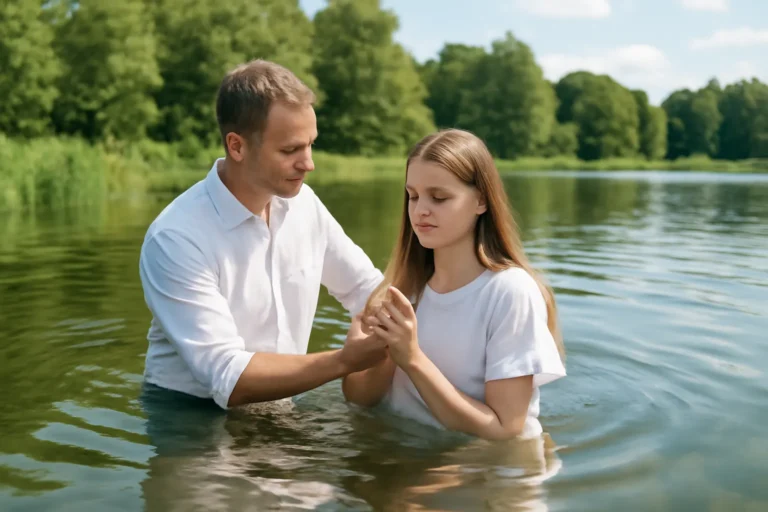
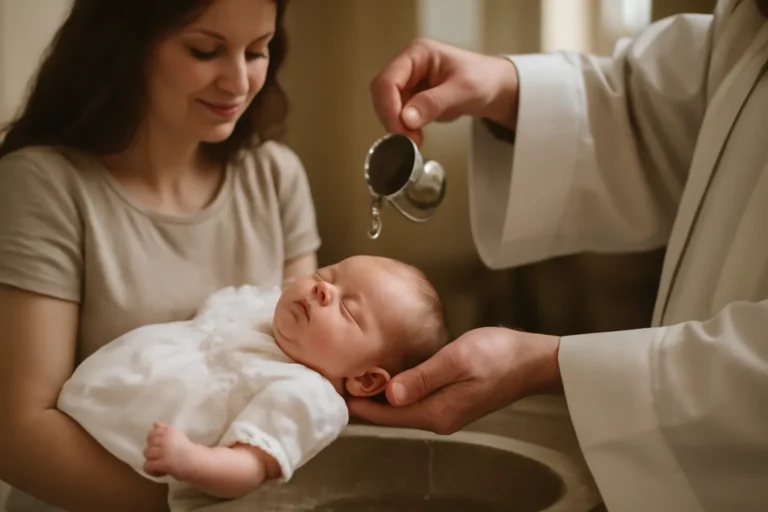
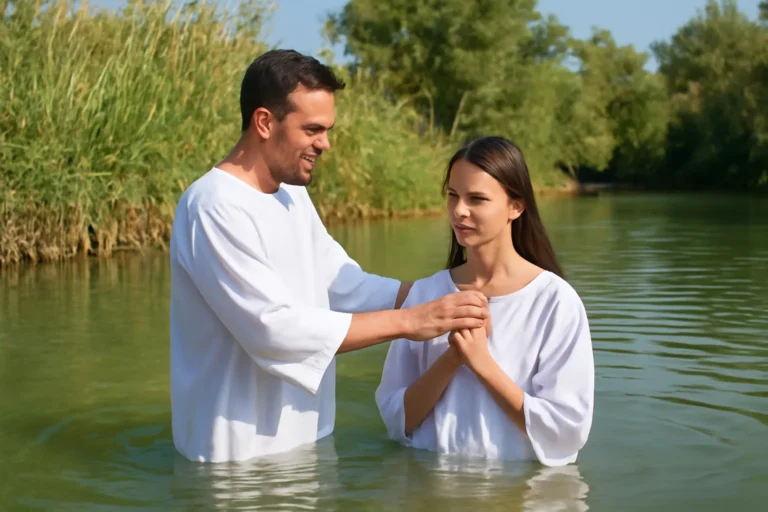
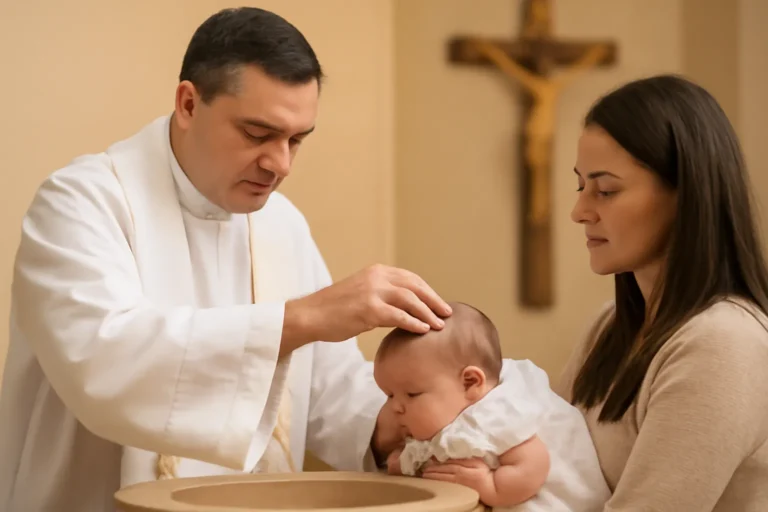
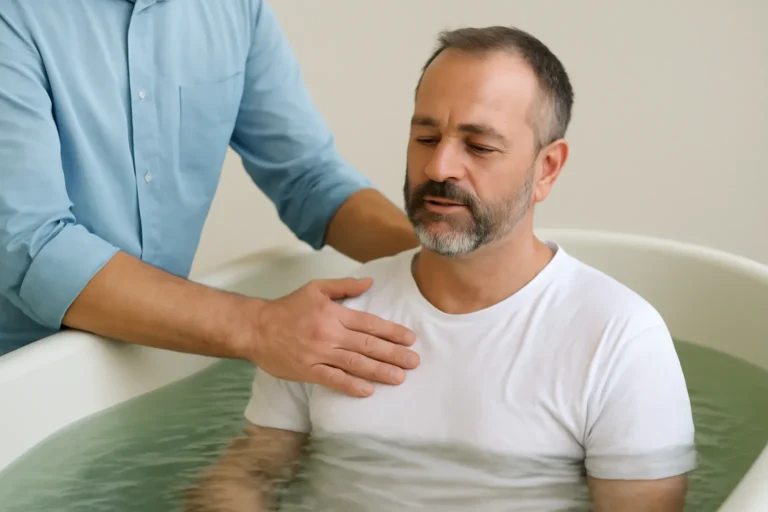
Immersion or pouring of water. The central sacramental act. This moment is often the most visually powerful but must be covered discretely and respectfully.
Anointing and clothing changes. Some rites include oil, blessings, clinging to tradition, or the donning of baptismal garments.
Receiving a light or candle (where applicable). The ceremony may include passing a candle as a symbol of faith and light entering the life of the baptized.
Declaration and concluding blessing. The priest or pastor concludes with a benediction, and the congregation responds.
Recession and family photos. After the rite, families often gather for posed photos within the church or in a nearby area.
Equipment Essentials for Church Baptism Photography
Choosing the right gear is essential, but it should never overwhelm the moment. The emphasis is on reliability, discretion, and the ability to work effectively in dim, variable church lighting. Use this checklist to assemble a kit that supports baptism photography tips church in a practical way.
Camera bodies. A reliable, low-noise body with good high-ISO performance helps when the lighting is challenging. Consider a backup body in case of a malfunction.
Lenses. A fast portrait lens (around 50mm to 85mm on full-frame, or 35mm to 60mm on APS-C) is ideal for close, intimate shots of the subject. A wider lens (24mm to 35mm) can capture the surrounding architectural context for establishing shots.
Flash options. If permitted, a small external flash with a diffuser or a bounce technique can provide subtle fill without overpowering ambient light. In many churches, natural light and candlelight are the mood setters, so use flash sparingly.
Diffusers and modifiers. A compact diffuser, bounce cards, or softbox can soften harsh light while preserving the atmosphere of the space.
Memory and backups. Multiple memory cards and an external drive for immediate backup help prevent loss of precious frames.
Spare batteries. Baptism ceremonies may run long, so bring extra batteries and a portable charger if needed.
Quiet operation. Choose cameras with a quiet shutter mode or a near-silent electronic shutter to minimize distraction during the service.
Church interiors vary widely in lighting. From stained glass glow to candlelight and cool artificial fixtures, exposure control is a core skill for baptism photography. The goal is to maintain natural skin tones while preserving the color and mood of the space.
Assess the light before shooting. Arrive early to observe the room, note the direction of light, and identify any backlit areas that may require compensation.
Use automatic white balance with caution. Auto white balance can adapt to mixed lighting, but you may need to fine-tune in post-processing to maintain color fidelity in skin tones and church fixtures.
Expose for the subject. In most cases, prioritize the baptismal subject’s face and hands. If the background becomes too bright, reduce exposure and rely on post-processing to bring out details in the shadows.
Consider a modest flash or bounce. If the environment supports it, a gentle bounce off the ceiling or a diffuser can fill shadows without causing glare on water, glass, or altar surfaces.
Preserve the sacred mood. Avoid overt camera flashes that disrupt the ceremony. Subtle, well-timed lighting adjustments can achieve a respectful balance.
Composition and Storytelling for Church Baptisms
Storytelling is at the heart of baptism photography. Your compositions should weave a narrative that captures emotion, ritual, and community. The most compelling stories balance intimate portraits with wide-angle context to show the ritual’s place within the church.
Establishing shots. Begin with wide frames that show the congregation, architecture, altar, and processional movement to set the scene.
Portraits of the baptized individual. Capture close-ups of the face during key moments—anticipation before immersion, the moment of immersion itself, and the post-ritual expressions of reverence or joy.
Interaction frames. Include the reaction of parents, sponsors, and family members as well as the officiant’s gestures and blessings.
Hands and details. Focus on hands held in prayer, the immersion bowl, the candle, oil anointing, and water droplets to convey tactile details of the rite.
Sequencing. Create a visual sequence that mirrors the rite: preparation, proclamation, action (immersion or pouring), blessing, and conclusion.
Respectful framing. When photographing within the sacred space, avoid blocking aisles, instruments, or members of the clergy. Keep a low profile and move calmly between moments.
Ethics, Etiquette, and Respectful Practice
Baptism photography requires sensitivity. The sacred nature of the rite means it’s not just about capturing images but honoring participants, families, and the community. Here are etiquette guidelines that help you practice responsible baptism photography tips church.
Seek consent from families and the church leadership. If a policy is in place, follow it rigorously, including restrictions on flash or the number of photographers.
Dress appropriately. Wear modest, non-distracting clothing and keep your equipment unobtrusive.
Avoid monopolizing the space. Don’t linger near the altar rail or impede the ceremony’s flow. Move with a purpose and exit promptly after key moments are captured.
Be discreet with sound. If you shoot, operate in silence mode if your camera offers it, and minimize audible cues that could disrupt the rite.
Respect personal space. Families may want intimate, close-up moments. Respect boundaries and never intrude on private prayers or moments of reflection.
Provide a clear plan for post-ceremony photos. Offer a quick gathering time and location for family portraits to avoid long lines during the reception or after-service hours.
During the Ceremony: Key Moments to Photograph
The ceremony contains several moments that most couples and families cherish. Your role is to document them with sensitivity and precision. These are typical focal points for baptism photography tips church during the rite.
Processional pace and posture. Capture the solemn walk toward the baptismal font, with a focus on the participants’ expressions and the congregation’s quiet reverence.
Water rite and immersion. Depending on tradition, this is the centerpiece. Use a controlled, unobtrusive approach to capture the act without becoming the focal point of attention.
Oil blessing or anointing. If part of the ritual, document the symbolism and the reactions—typically a moment of calm and blessing.
Lighting changes. Adjust quickly to shifts in candlelight, stained glass highlights, and altar illumination while maintaining natural skin tones.
Sponsors and family responses. The emotions of parents, godparents, and siblings often tell the story more vividly than the immediate ceremony itself.
Post-ritual blessings. The moment when the officiant blesses the family or child can be emotionally powerful and worth documenting from a respectful distance.
Watch the backdrops. Archways, doors, and windows can create distracting lines or reflections. Move to angles that simplify the composition while preserving context.
Aim for emotion. Candid expressions—tears, smiles, awe—often convey the ceremony’s impact more than posed shots.
Balance the crowd. You’ll want a mix of solo portraits, small group moments, and wide shots to show the parish community without neglecting the key participants.
Posed Versus Candid Shots: Finding the Right Mix
A balanced baptism photography approach blends candid documentary moments with a few well-composed posed portraits. The goal is to create a narrative that feels intimate yet comprehensive, offering both the immediacy of the moment and the warmth of family memory.
Begin with the candid prep. Capture family members getting ready, last-minute prayers, and supportive glances. These candid moments set the emotional tone.
Follow with a few formal portraits. After the ceremony, offer a handful of traditional portraits with immediate family, godparents, and the baptized individual in front of the altar or a designated sacred space.
Capture siblings and extended family. Group shots that include siblings, grandparents, and guardians add depth to the story, but keep groups modest to avoid long wait times for families.
Close-ups for sentiment. Detailed shots of hands, footed baptismal garments, tiny fingers clasped in prayer, and the symbol of the cross can be especially meaningful in post-processing.
Post-Processing, Delivery, and Archiving
Post-processing is where you refine the story you began documenting at the altar. The right adjustments will preserve the ceremony’s mood while ensuring color consistency and lasting quality. This section covers practical steps for delivering a polished gallery and preserving memories for years to come.
Color grading for a cohesive look. Maintain warmth in skin tones and faithful rendering of church colors—think whites, creams, wood tones, and fabric hues—without oversaturating.
White balance consistency. Apply a consistent white balance to all images from the ceremony to avoid jarring shifts when families view the gallery.
Noise reduction and sharpness. In low-light interiors, you may encounter noise. Apply selective noise reduction in darker areas while preserving edge details on faces and hands.
Storyboard and gallery layout. Create a narrative order: establishing shots, preparation, ceremony moments, and post-ceremony portraits. A well-structured delivery helps families relive the moment.
Delivery formats. Offer high-resolution digital files, web-optimized proofs, and a version suitable for printing. Include a few black-and-white choices that emphasize emotion and timelessness.
Backups and archiving. Store masters in multiple locations — on a solid-state drive, cloud backup, and a physical archive — to minimize the risk of data loss.
Variations on the Theme: Baptism Photography Tips Across Church Settings
While the core principles remain consistent, it helps to think about baptism photography tips church in the context of different church traditions and architectural spaces. Variations in lighting, processional routes, and sacral symbolism influence camera settings and the photographer’s approach.
Liturgical variety. Some churches emphasize a full ritual with multiple sacraments, while others feature a simpler rite. Adapt your coverage to the ritual’s pace and the number of participants.
Architectural cues. Cathedrals with soaring arches and stained glass offer dramatic backgrounds but challenging light. Smaller chapels may require more intimate framing and a closer distance to the subject.
Community expectations. In some communities, family members expect a few formal portraits in a designated spot; in others, more candid coverage is favored. Clarify expectations during planning.
Infant versus adult baptisms. Infants require different angles and handling, especially for moments like immersion or dousing, whereas adult baptisms may involve more direct interaction with the participants.
Seasonal lighting. The time of day and season affect available light. A winter afternoon in a chapel can demand higher ISO and a faster lens, while summer sunlight streaming through windows yields dramatic shadows that you can exploit for mood.
Special Considerations: Infant, Child, and Adult Baptisms
Different age groups and circumstances influence how you approach the shoot. Each category has its own set of sensitivities and opportunities for storytelling.
Infant baptisms. Patience and speed are essential. Plan for gentle, unobtrusive frames, such as close-ups of tiny hands, expressions, and the blessing gesture. Parents often desire a calm, unobtrusive documentation that respects the quiet nature of the rite.
Child baptisms. Children may be more expressive and engaged with the ceremony. Capture moments of curiosity, participation in prayers, and interactions with sponsors while maintaining a respectful distance.
Adult baptisms. The mood can be more narrative and personal. Document the preparation of the candidate, the immersion or pouring moment, and the shared emotions of the congregation.
Accessibility, Inclusivity, and Cultural Sensitivity
Baptism photography should be accessible and inclusive, recognizing that families come from varied backgrounds and hold diverse beliefs. The photographer’s approach matters in how welcoming and respectful the coverage feels to participants and guests.
Ask about inclusivity requests. Some families may want the ceremony documented from multiple cultural perspectives or with captions that reflect their background and faith tradition.
Respect language and customs. When the officiant uses phrases or gestures that are sacred to the tradition, photograph with care and avoid misrepresenting the moment.
Offer multi-lingual notes. If possible, provide captions or a short description in more than one language to honor international families or guests.
Checklists and Quick Reference for On-Site Readiness
A concise checklist helps you stay prepared and minimizes stress on the day of the baptism. Use these quick references to ensure you cover the essential moments while staying respectful of the sacred space.
Pre-ceremony: arrive early, scout angles, confirm policy, test exposures, discuss timing with clergy, talk to the family about their priorities.
During the ceremony: maintain a discreet presence, keep mobile, be ready for sudden movement, photograph key moments with intent, adapt to lighting shifts.
Puposeful post-ceremony coverage: capture group portraits, exchange of candles or symbols, candid celebrations with family, and the first post-rite smiles.
Delivery: curate a balanced gallery, include a mix of color and black-and-white images, deliver promptly, and provide a backup copy for the family.
Runner-Up Skills: Communication and Relationship-Building
Great baptism photography is as much about relationships as it is about technical prowess. Building trust with the family, the officiant, and church staff leads to better collaborations and more meaningful images.
Listening first. Let families express what they want to emphasize—be prepared to adapt your shot list accordingly.
Clear communication. Explain what you plan to shoot and how long you expect to stay in a particular area, so expectations are aligned.
Gentle direction. When posing, guide your subjects with calm, polite direction. Small adjustments can yield stronger portraits without feeling staged.
Courtesy and flexibility. Be willing to adjust plans if the ceremony’s flow changes or if the officiant asks for a particular moment to be highlighted differently.
Final Thoughts: Crafting a Meaningful Baptism Gallery
A well-executed baptism shoot combines technical skill with sensitivity to sacred practice and family emotion. By planning ahead, embracing varied lighting and spaces, and balancing candid storytelling with tasteful portraits, you can create a photo collection that families will treasure for generations. The art of documenting baptism photography tips church extends beyond gear and settings; it is about honoring a rite, preserving memory, and telling the intimate story of faith, community, and new beginnings.
If you’re building a replicable workflow for church baptisms, consider the following sequence as a practical guide that aligns with the principles above.
Two weeks before: confirm policy, collect parental consent forms, decide on camera placement, and map out a rough shot list with the family.
Day of: arrive 60 minutes early, perform a quick room scan, test exposures, and set up any discreet lighting aids. Meet with clergy, then check in with the family for last-minute wishes.
Ceremony: capture the processional, the central water rite, the blessing, and the response of the congregation with a measured cadence—brief, respectful, and consistent.
Post-ceremony: photograph family portraits, sponsor interactions, and candid congratulations, then wrap up with a few keepsake shots around the church exterior or nearby grounds.
Post-processing: select the strongest, create a balanced mix of color and monochrome images, deliver a well-organized gallery, and provide print-ready files and digital copies.
With these guidelines, you’ll be equipped to approach every baptism shoot with confidence, empathy, and a clear focus on creating images that reflect the ceremony’s solemn beauty and familial joy.