Holy Monday in the Bible: Meaning, Origins, and Significance
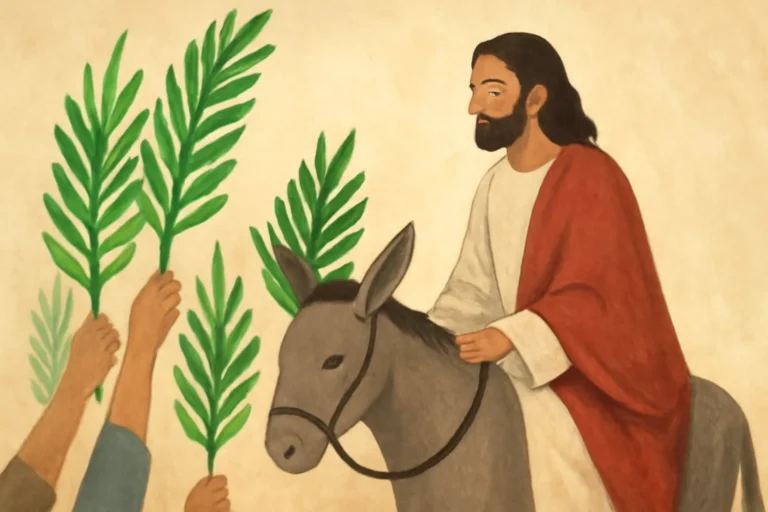
Holy Monday in the biblical calendar is the day traditionally counted as the second day of Holy Week, occurring after Palm Sunday and leading into the most intense days of Jesus’ Passion. In many Christian traditions, this day is marked by a sequence of events and teachings that illustrate themes of judgment, faith, temple reverence, and the authority of Jesus. While the biblical text itself does not present a formal title called “Holy Monday”, the day has come to be identified in liturgical life as the second day of the sacred sequence, and it is often discussed with reference to the Monday of Holy Week or the Monday in Passion Week. In this article we explore the meaning, origins, and significance of the day often labeled Holy Monday in the Bible’s larger story, bridging the Gospel accounts with the Christian tradition that has named and reflected on this day for centuries.
What is Holy Monday in the Bible? Meaning and usage
The phrase Holy Monday is primarily a product of Christian liturgical practice rather than a direct quotation from the biblical text. The four canonical Gospels narrate a sequence of events during the final week of Jesus’ earthly ministry, beginning with Palm Sunday (the Triumphal Entry) and moving through the days that make up Holy Week. In the biblical material, the events that are commonly associated with the second day of the week in the tradition include Jesus’ encounter with a barren fig tree and, in many accounts, the cleansing of the temple and the teaching that followed. In the Gospels, these episodes demonstrate Jesus’ authority, spiritual judgment, and his call to sincere faith and worship.
When Christians speak of the second day of Holy Week, they often do so with a sense of the continuity of the drama: a day of observation, challenge, and expectation. The identification Holy Monday invites readers to examine how Jesus responds to contrast—between outward display and inner fruit, between transactional worship and true devotion, and between human expectations and divine purposes.
Origins of the term and its liturgical tradition
Ancient roots and early usage
The naming of days within Holy Week began to crystallize in the early centuries of Christianity as communities sought to structure their worship around the events of Jesus’ final days. By the late antique period, Christians in various regions were adopting the practice of identifying each day of Holy Week with a specific focus or title. Although the biblical texts do not designate a formal label for the second day, church calendars and lectionaries began to reference Holy Monday as part of a broader pattern that included Holy Tuesday and Holy Wednesday, each connected to particular gospel readings, prayers, and penitential themes.
Evolution in Western and Eastern churches
Across Christian traditions, the exact naming and emphasis of the days can vary. In Western (Latin) Christianity, Holy Monday often appears in the context of a structured week of readings that anticipate the climax of Good Friday and Easter. In Eastern Orthodox and some Oriental traditions, the days are likewise arranged with increasing emphasis on lament, repentance, and anticipation, though the precise liturgical terminology may differ (for example, “Bright Monday” in some calendars refers to a related stage of Easter Week in which the focus shifts toward the Resurrection).
Contemporary readers encounter the phrase Holy Monday most often in lay devotional materials, homilies, and liturgical guides. In scholarly discussions, scholars describe the day as a part of the Passion Week that invites reflection on how Jesus discerns fruitfulness, cleanses the temple, and educates his followers about faith that is genuine rather than performative. Thus, the origin of the term is more about tradition and worship life than a direct scriptural label.
Key biblical events associated with Holy Monday or the Monday of Holy Week
The fig tree episode: judgment on unfruitfulness
One of the most distinctive episodes connected to the Monday of Holy Week in the Gospel tradition is the fig tree incident. In the synoptic Gospels, Jesus approaches a fig tree that appears to bear leaves but finds no fruit on it. He pronounces a judgment on the tree and curses it, so that it withers (as Mark 11:12-14 and 11:20-21 describe). The miracle of the tree’s withering becomes a sign that spiritual fruitfulness—faith that bears tangible outcomes in love, righteousness, and mercy—matters to God.
The episode is often tied to Jesus’ teaching about faith and prayer, since soon after, in Mark 11:24, Jesus tells his followers to ask in prayer with faith that God will answer (with the caveat of alignment with God’s will).
The fig tree serves as a parabolic act: outward appearance (green leaves) without inner fruitfulness signals hollowness in religious life, a warning against ritual without reality.
The temple cleansing and Jesus’ teaching in Jerusalem
In the gospel accounts, the cleansing of the temple is another central feature often associated with the early part of the week following Palm Sunday. The synoptic Gospels—Matthew, Mark, and Luke—report that Jesus drove out those who bought and sold in the temple, overturned tables, and criticized the commercialization of worship. He declared that the temple should be a house of prayer, not a den of robbers (a formulation found in some Gospel renderings). This act functions as a dramatic assertion of divine authority over the religious system in Jerusalem and as a prophetic indictment of neglecting true devotion.
The temple cleansing is followed by Jesus teaching in the court and engaging with religious leaders about authority, faith, and the proper relationship between worship and justice.
In some readings, this event is tied to expectations about proper worship and to the coming of the Kingdom of God, inviting a deeper examination of what it means to honor God with a heart that loves mercy and justice.
Other teachings and interactions during the day
Beyond the fig tree and the temple, the Monday narrative is a setting for Jesus’ broader teaching about faith, prayer, and the nature of the Kingdom. In Luke’s account, for example, there are opportunities for Jesus to teach with parabolic insight and to respond to questions from religious authorities about authority and legitimacy. Even where the text emphasizes conflict, there is also emphasis on discernment, humility, and a call to sincere worship that aligns with God’s purposes.
Meaning and theological significance
Judgment against fruitless faith
The fig tree episode on the Monday timeframe is often interpreted theologically as a critique of superficial faith. The leaves suggested vitality, but the absence of fruit signaled a deeper problem: a disconnect between appearance and reality. The spiritual lesson invites believers to examine the fruit of their lives—love, mercy, justice, and integrity—and to consider whether religious performance masks a lack of true devotion to God.
Authority of Jesus and the call to genuine worship
The temple cleansing on a Monday in the Gospel tradition foregrounds the theme of divine authority and the rightful place of worship. Jesus’ actions challenge the idea that religious activity is automatically pleasing to God if it is disconnected from compassion and reverence. The narrative invites readers to ask whether worship is oriented toward God’s purposes or toward human convenience, market dynamics, or power structures.
Faith, prayer, and expectancy
The Monday material in the Gospels frequently sets up teachings about faith and prayer. Jesus speaks about the power of prayer, the need to forgive, and the expectation that God responds to the petitions of those who align their hearts with God’s will. The Monday events thus contribute to a broader theological arc about trust in God and obedience in daily life, not merely during a dramatic week but as a pattern for discipleship.
In many Christian interpretations, Holy Week—including the Monday portion—frames both ethical instruction and eschatological expectation. The confrontation with hypocrisy, the demand for true fruitfulness, and the anticipation of Christ’s ultimate sacrifice are viewed as components of the same moral and spiritual drama: a call to repentance, conversion, and steadfast faith in the coming Kingdom.
Variations in naming and observance across traditions
Terminology used for the day
Across Christian traditions, terms used to describe the day after Palm Sunday range from “Monday of Holy Week” to “Holy Monday” and “Second Day of Holy Week”. In some liturgical calendars, the day is simply referred to as the first weekday after Palm Sunday, with readings focused on the same gospel themes described above. The exact language reflects centuries of prayer, hymnody, and catechesis, and it helps communities recall the sequence of events and their meaning.
Liturgical observances and practices
In many Western churches, sermons and readings on Holy Monday emphasize the figures of judgment and fruitfulness, calling the faithful to examine their own lives and to seek authentic worship.
In some Eastern traditions, the day may be marked with specific prayers, readings from the Gospels about Jesus’ authority, and meditative hymns that focus on repentance and preparation for the coming events of Holy Week.
Some communities include penitential rites, fasting practices, or devotional processions that reflect the mood of a day when divine justice and mercy are being contemplated in light of Jesus’ mission.
Connections with other days of Holy Week
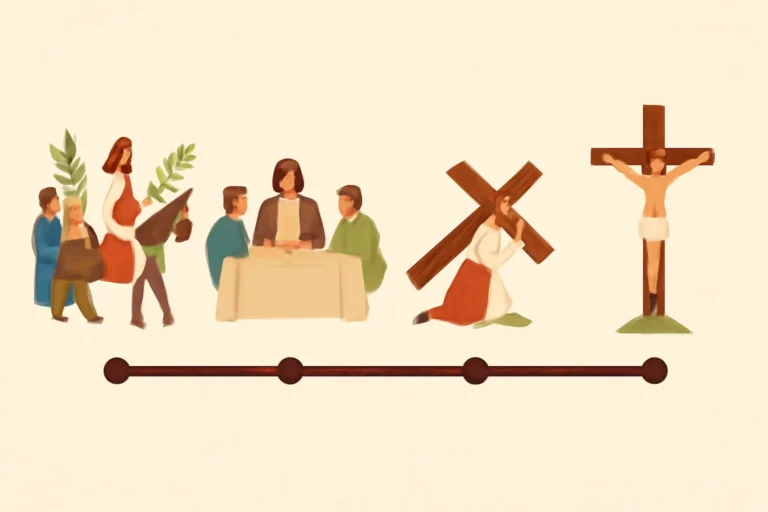
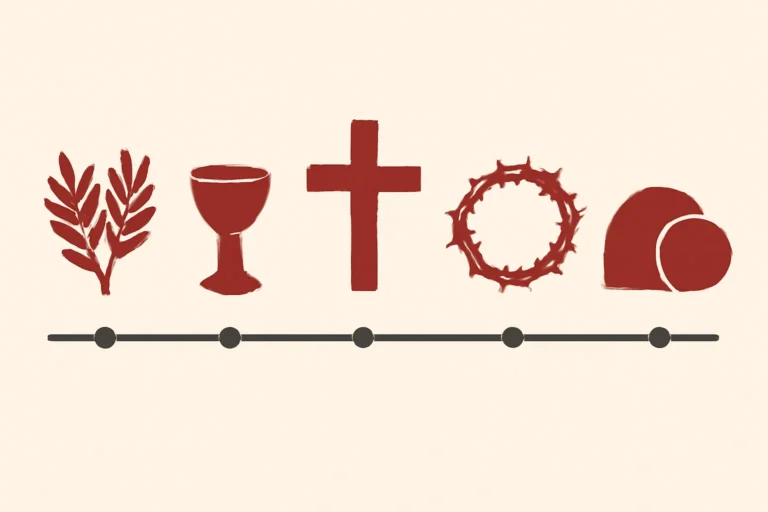
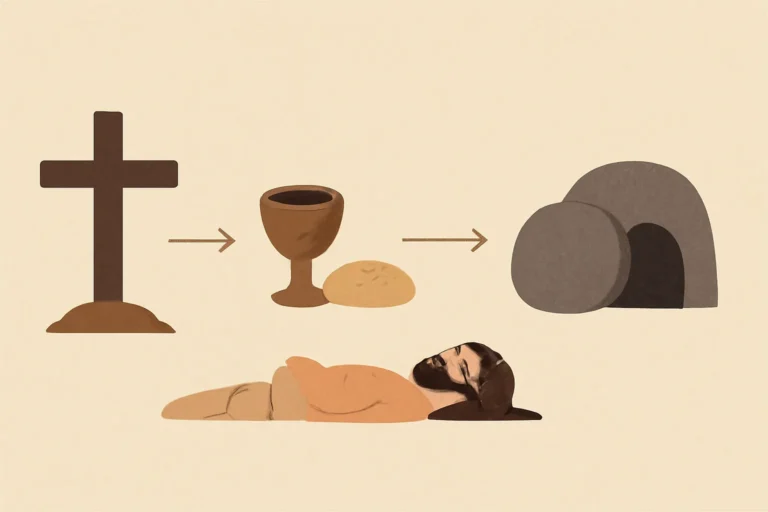
The designation Holy Monday sits in a constellation of days that together narrate a drama: entry into Jerusalem, cleansing of the temple, intense teaching, and then the events of Thursday (the Last Supper) and Friday (the crucifixion). Recognizing that the biblical accounts do not necessarily provide a neat, one-day timeline, many traditions use Monday as a way to anchor the sequence in worship and reflection, acknowledging that the drama of salvation unfolds across multiple days with distinct emphases.
Scholarly perspectives and chronology debates
Do the Gospels align on Monday events?
Biblical scholars note that the chronology of Holy Week is not uniform across the four Gospels. While Mark 11 and Matthew 21 describe the temple cleansing and the fig tree episode in what many readers label as the Monday portion, Luke’s account sometimes presents events in a slightly different order, and John’s Gospel places some actions at an earlier time. This has led to lively discussion about the harmonization of the Passion narratives. Nevertheless, most scholars agree that the Monday portion includes at least the fig tree incident and significant temple activity, with readings that highlight judgment, faith, and the proper worship of God.
Historical development of the term
The historical development of the label Holy Monday is best understood as a product of liturgical adaptation. Early Christians observed the week from a worship and catechetical standpoint, and later generations gave distinct names to each day to aid devotion and teaching. When modern readers encounter these terms, they are invited to see them as a window into how Christians throughout history have understood the progression of Jesus’ journey to the cross and how the church has guided believers in reflecting on the events through prayer and reflection.
Textual considerations and interpretive motifs
Different editorial emphases in the Gospel texts shape how readers understand Monday’s events. Some interpreters stress the condemnation of fig-leaf religiosity, others emphasize Jesus’ authority over the temple, and still others focus on the ethical call to live fruitfully in accordance with God’s reign. Across these motifs, the Monday narrative provides a coherent strand within the broader Passion story: a call to authentic worship, readiness for repentance, and trust in God’s purposes even amid tension and opposition.
Practical significance for believers today
Living with genuine fruitfulness
The fig tree narrative invites modern readers to examine the fruit of their own faith. What kind of fruit should be evident in a life shaped by the Gospel? Love for neighbor, mercy toward the vulnerable, integrity in speech, and faithful obedience to God’s commands are among the fruits that many Christian communities deem essential. Holy Monday thus becomes a moment of personal inventory, a reminder that outward symbols must be accompanied by inner righteousness.
The temple cleansing story presses Christians to consider how worship expresses reverence for God and concern for justice. It prompts reflection on the relationship between religious activity and social mercy. When church leaders and laypeople reflect on this aspect of Holy Week, they often emphasize worship as a transformative encounter with God that must align with justice, mercy, and humility.
The Monday material points to the power and responsibility of prayer. Believers may find in these passages a model for approaching God with honesty, faith, and perseverance. The call to ask, seek, and knock (as later Jesus teaches) rests on a trust that God is both present and trustworthy, inviting believers to bring their deepest needs and concerns before the divine throne.
Teaching and discernment for communities
For Christian communities, Holy Monday offers not only personal reflection but also communal teaching. Sermons, Bible studies, and catechetical materials often use the day’s themes to explore issues such as hypocrisy, integrity in worship, and the balance between zeal for God and compassion for others. The day becomes a lens through which churches examine their missions, their outreach to the marginalized, and their fidelity to the gospel message.
Further readings and resources
Bible passages commonly associated with Holy Monday: Mark 11:12-14, 20-21; Matthew 21:12-13; Luke 19:45-48 (where relevant for the temple episode).
Introductory overviews on Holy Week chronology in biblical theology and gospel harmonization studies.
Liturgical histories of Holy Monday in Western and Eastern Christian traditions, available in church historical writings and denominational resources.
Commentaries that discuss the fig tree episode as a parable-like sign about fruitfulness and faith (various scholarly volumes focus on this passage).
For those exploring this topic further, it can be helpful to compare how different denominations present the Monday readings during Holy Week. Such comparison highlights how the same biblical material is given varied emphasis in preaching, devotion, and art, yet consistently points toward the central themes of authentic worship, faith, and the Kingdom of God.
In sum, Holy Monday as a term sits at the intersection of biblical content and centuries of liturgical reflection. While the precise chronology of events in early Holy Week may differ among the Gospel accounts, the themes that emerge on this day—fruitfulness over form, the rightful authority of Jesus in the temple, and the invitation to faithful prayer—remain central to Christian interpretation. The day’s significance lies not only in the historical events it recalls but in the ongoing call to readers and worshipers: to pursue a faith that bears fruit, honors God in genuine worship, and remains alert to the moral challenges that arise when religious life becomes disconnected from love, mercy, and justice.
If you are building a study guide or writing project about the Monday of Holy Week, consider weaving together:
The biblical episodes (fig tree, temple actions) and their theological implications
The historical development of the term and the day’s place in worship
Contemporary reflections on faith, worship, and justice that the Monday readings invite
By attending to both the textual details and the traditions that have shaped how believers speak about Holy Monday, readers gain a richer appreciation for how the Gospel’s message moves from the first day of the week to the cross and beyond, inviting transformation in personal life and in the faith community.