Outdoor Baptism Planning: Choosing the Right Setting and Format
Planning an outdoor baptism, whether you call it outdoor baptism planning, open-air baptism preparation, or outdoor water-immersion ceremony design, begins with selecting a setting that aligns with the theological intention, the congregation’s needs, and the practical realities of your community. The setting will influence every subsequent decision—from how the water is accessed to how the ritual is witnessed and celebrated. In this section, you’ll explore the spectrum of options, from a tranquil riverside baptism to a more controlled church courtyard with a temporary baptism pool, and learn how to evaluate each choice against core criteria like accessibility, safety, acoustics, and symbolism.
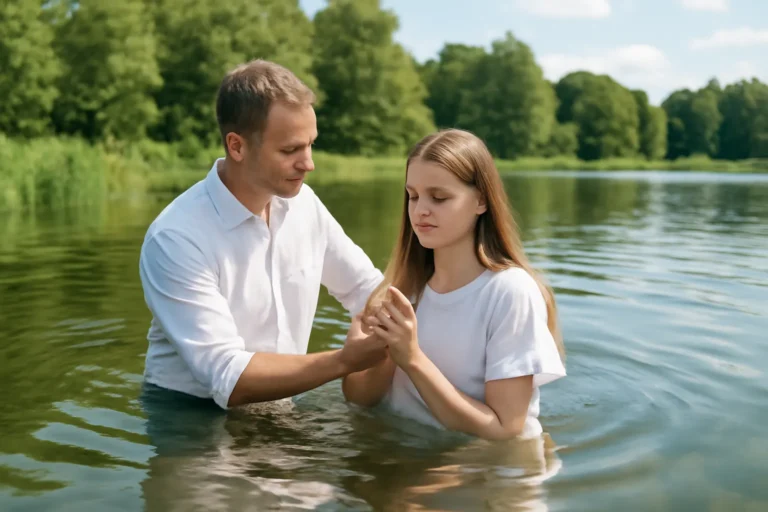
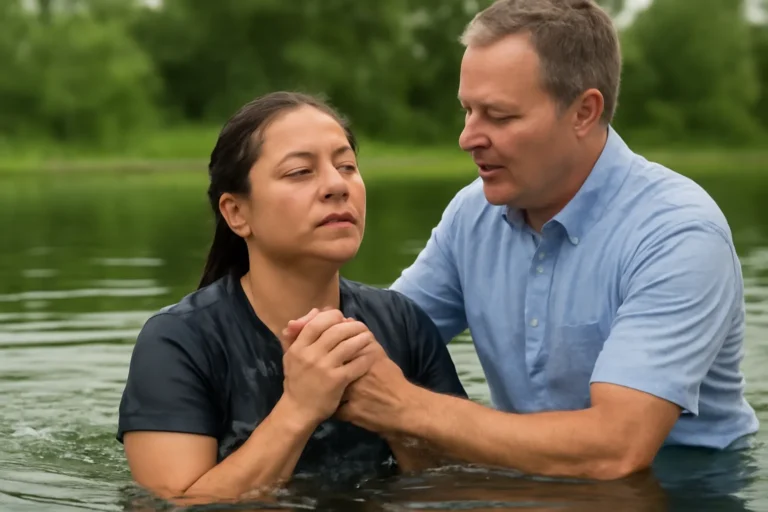
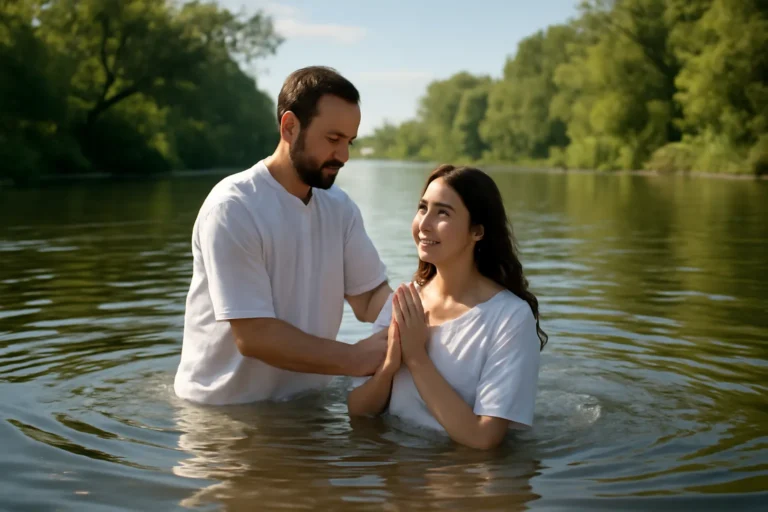
(lakes, rivers, bays) offer a powerful sense of creation and renewal but require careful evaluation of currents, depth, water quality, and seasonal variability.
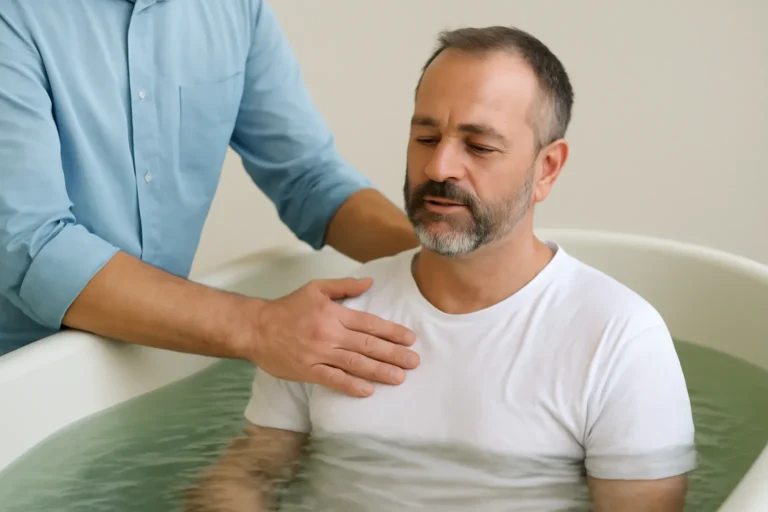
(portable baptism pools, baptismal tubs, or mounted tanks) provide control over temperature and depth and are often easier to regulate for safety and accessibility.
can carry a strong spiritual resonance but demand close attention to tides, waves, wind, and local regulations.
may allow a hybrid approach—beginnings with a procession from a sanctuary to a designated outdoor space or a staged baptism through a temporary pool.
When selecting the venue, consider accessibility and inclusion for elderly participants, people with limited mobility, families with strollers, and guests who require reasonable accommodations. Think about parking proximity, paved paths, ADA-compliant ramps, restrooms, shade, and a seating plan that allows all observers to witness the act with dignity. The goal of the initial planning step is to establish a practical framework that respects the ceremony’s spiritual significance while reducing risk and confusion on the day.
Legal, permits, and risk management in outdoor baptism planning
An outdoor baptism involves a combination of religious tradition and public logistics. Before you finalize the plan, identify the legal and administrative requirements that may apply to your location. This can include permits for gathering, permissions to use a water body or public park, noise ordinances during the service, and adherence to local health and safety regulations.
Permits and permissions
Depending on where the ceremony takes place, you may need approvals from:
Municipal authorities or park district for outdoor gatherings, amplified sound, or temporary structures.
Facility or property owners (church property, school grounds, or private land) for use of water access points and staging areas.
Coast guard or coastal authorities if the ceremony will occur near navigable water or beaches with restricted zones.
Involve your pastoral leadership, facility managers, and, if relevant, a legal advisor or risk manager to determine whether a written permit is required and what conditions apply (capacity limits, parking plans, emergency access routes).
Insurance and liability considerations
Outreach and risk management should include a clear plan for liability coverage and participant safety. Work with your church or organization to confirm that the event is covered by existing insurance or secure a rider as needed. Documented risk assessments, waivers where appropriate, and clearly communicated safety roles can help protect both organizers and participants.
While a faith ceremony is a spiritual act, the practical reality is that outdoor settings introduce extra variables. The planning process should explicitly address anticipated hazards and the steps you will take to mitigate them.
Water quality, weather, and safety in outdoor baptism planning
Water quality and weather are central to the safety and the symbolism of an outdoor baptism. When you plan the day, you must balance the desire for a powerful, natural immersion with practical safeguards to protect participants and guests.
If you are considering a natural body of water, investigate the water quality well in advance. Look for:
Current advisories from health departments or local watershed authorities.
Water clarity, presence of debris, and potential hazards below the surface.
Temperature ranges suitable for immersion, especially for children or elderly participants.
Depth consistency to avoid sudden drops or shallow zones that risk injury.
For a more controlled experience, outdoor baptism planning may include a temporary, heated baptism pool or a mobile baptism tub. These devices offer better control of depth and temperature and can reduce environmental exposure risks.
Weather and climate readiness
Weather contingency planning is essential. Consider:
Forecast accuracy windows (48–72 hours ahead and day-of updates).
Temperature, wind, humidity, and the likelihood of rain, storms, or lightning.
Shading, shelter, and hot beverages or blankets for post-immersion comfort.
Decision thresholds for postponement or relocation to an indoor facility.
Having a weather-safe contingency plan helps you preserve the ceremony’s dignity while protecting everyone involved.
Safety protocols and staffing
Assign roles and responsibilities to trained volunteers or staff. Key positions include:
Water safety lead to monitor depth, currents, and overall safety near the immersion site.
First aid lead to respond to any injuries or medical concerns.
Logistics coordinator to manage participants, footwear, and changing areas.
Photographer/videographer to document the ceremony while staying mindful of safety zones.
Ensure that at least one person present has basic CPR and first aid training. Have a well-stocked first aid kit, a communication plan (cell phones or radios), and a clear route for emergency services if needed.
Ceremony design, structure, and accessibility for outdoor baptism planning
A well-designed outdoor baptism ceremony is inclusive, coherent, and spiritually meaningful. A clear structure helps participants move through the ritual with intention, while accessibility considerations ensure that everyone can participate or witness with dignity.
Ritual structure and flow
A common layout for outdoor baptism planning includes:
Opening remarks and invocation
Song or chant to center the gathering
Introduction to the baptismal moment and its significance
The immersion or pouring rite, conducted with a visible, reverent posture
Blessing, prayer, or benediction following the immersion
Post-immersion fellowship or a brief reception in a sheltered area
You can tailor this flow to your tradition, ensuring that the key theological elements are preserved while allowing for regional weather and venue realities.
Roles and participant preparation
Assign roles clearly and practice what will occur. Common roles include:
Baptismal candidate(s) and sponsor or mentor, with a brief explanation of the meaning they will share with the assembly.
Officiant or minister to guide the rite and articulate the symbolism.
Assistants to prepare the immersion equipment and help with changing arrangements.
Music participants to contribute songs or hymns in accompaniment to the rite.
Provide pre-ceremony instruction to the participants and families regarding attire, footwear, safety expectations, and the sequence of the ritual.
Inclusive design and accessibility
Your plan should accommodate guests with mobility challenges, hearing or vision considerations, and children. Strategies include:
Providing accessible viewing areas and seating, with clear sightlines to the water.
Using amplified sound or sign language interpretation if needed.
Offering quiet, shaded areas for attendees who may need rest or recovery.
Ensuring that the immersion site itself is accessible, with non-slip surfaces and safe entry/exit points.
Emphasize that everyone may participate in blessing or supporting the moment even if they do not perform the immersion themselves.
Logistics, equipment, and setup for outdoor baptism planning
The logistical groundwork is what transforms a concept into a smoothly executed ceremony. This section covers the practical elements you must address and the kinds of equipment that can make the day efficient and comfortable.
Baptismal tub, pool, or approved portable tank with an appropriate depth
Water supply for filling and maintaining temperature
Non-slip mats, wet boots or sandals, towels, and robes
Risers, seating, and shade tents for the audience
Sound system, microphones, and cue sheets for the officiant and musicians
Decorative but weather-resistant elements to frame the immersion area
Ensure that all items are secure and do not create trip hazards. Test equipment ahead of time and have backups for critical components (batteries, pumps, or hoses).
Logistics planning and day-of coordination
A detailed day-of plan reduces anxiety and keeps people aligned. Key components include:
A clearly labeled schedule with start times, participant lines, and cue points for music and prayers
A designated route for ingress and egress that minimizes crowding and protects participants during immersion
Parking and traffic flow management with signage and volunteers to guide attendees
Changing areas that are private, accessible, and conveniently located near the immersion site
Contingency routes for sudden weather changes, including a backup indoor location if needed
Communicate the plan to all participants well in advance and provide printed or digital cues. Confirmation reminders help ensure everyone arrives with the right expectations and attire.
Preparation for participants and families
The personal preparation surrounding outdoor baptism planning is as important as the ceremony itself. Families and candidates often want guidance on how to approach the moment with reverence and clarity.
Preparation steps for baptismal candidates
Encourage candidates to reflect on the symbolism of baptism and to share prayers or affirmations that resonate with their faith journey. Practical steps include:
Attending a pre-ritual briefing with mentors or pastors to discuss the meaning of the immersion
Understanding the order of service and the expected responses during the rite
Choosing attire that respects modesty, practicality, and dignity near water
Arranging companions or sponsors for support during the ceremony
Attire, accessibility, and personal care
Clothing choices for outdoor immersion should balance modesty, comfort, and safety. Some considerations:
Footwear that can get wet and dry quickly; consider barefoot participation only if safe and approved
Layered clothing for cool mornings and protection from sun or wind
Sun protection, hydration, and accessibility needs addressed (seating, shade, rest areas)
Encourage families to communicate any medical or accessibility needs in advance so the team can arrange appropriate accommodations.
Witnessing guests and community involvement
For many congregations, an outdoor baptism is a communal act. Plan for meaningful participation by:
Inviting the community to prepare a brief blessing or reflection to share during the ceremony
Offering a brief moment for congregational singing or responsive readings after the immersion
Providing a post-ceremony reception or reception-friendly space to celebrate the moment with the newly baptized
Photography, videography, and memory-making in outdoor baptism planning
Capturing the moment is a natural impulse, but it must be done with reverence and respect for participants and the environment. Plan for visual documentation that enhances the ceremony without compromising safety or spiritual focus.
Guidelines for photographers and videographers
Consider these guidelines when coordinating outdoor baptism photography:
Agree on key moments to shoot (entry, immersion, blessing, closing) and a shot list in advance
Respect sacred space: keep cameras at a distance during the immersion and avoid intrusive angles
Coordinate with the officiant regarding timing to avoid interruptions
Ensure equipment is weather-resistant and secure, especially near water
Memory-making and post-event media
After the ceremony, preserve memories with a curated album or video montage that honors the individual journey and the community’s response. Consider:
Consent forms for sharing photos publicly, especially when minors are involved
A highlight reel that includes testimonials, prayers, and musical moments
A follow-up publication or worship service that includes a reflection on the baptism
Post-ceremony considerations and follow-up for outdoor baptism planning
A successful outdoor baptism extends beyond the moment of immersion. Post-ceremony steps help integrate the experience into ongoing faith formation and community life.
Offer resources for spiritual growth after the rite: devotional guides, small group study materials, or mentorship programs. Encourage the new believer to engage with the faith community through regular attendance, baptism anniversary reflections, or catechetical sessions.
Family and participant debriefs
Schedule a debrief with the candidate, sponsors, and family to address questions, celebrate the moment, and discuss next steps in their faith journey. This can be done in person or through a brief online meeting.
Logistics wrap-up and equipment return
After the ceremony, ensure that all borrowed equipment is returned, surfaces are cleaned, and the site is restored or left in the agreed condition. A simple post-event checklist can help:
Return borrowed items to their storage location
Dispose of or recycle any waste, leaving the area as clean or cleaner than you found it
Send thank-you notes to volunteers, guests, and partners who contributed to the outdoor baptism planning
A well-executed follow-up reinforces the sense of community and helps set the stage for ongoing participation.
Budgeting, cost-saving strategies, and resource planning for outdoor baptism planning
Financial planning is an essential component of outdoor baptism planning. Budgets vary widely depending on venue, equipment needs, and the scale of the ceremony. This section notes practical strategies to manage costs without compromising safety or the ceremony’s dignity.
Cost components to anticipate
Permits and facility fees
Temporary structures (tents, stages, portable bathrooms) if required
Immersion equipment (baptismal tub/pool, water heaters, hoses, towels)
A/V equipment and sound reinforcement
Security, parking management, and crowd control
Decor, signage, and printed programs
Cost-saving strategies
Use in-house resources whenever possible—volunteer teams for setup/teardown
Rent equipment from church networks or partner organizations rather than purchasing new
Partner with local businesses or charities for sponsorships or in-kind donations
Choose venues with minimal additional infrastructure needs to avoid extra fees
A clear, documented budget helps you communicate expectations to families and the congregation and ensures transparency in how funds are used.
Case studies and best practices for successful outdoor baptism ceremonies
Real-world examples illustrate how outdoor baptism planning can adapt to varying contexts while preserving sacred intent. Here are composite best-practice scenarios drawn from diverse communities.
Case study: riverside baptism with community support
A mid-size congregation organized a riverside immersion in late spring, leveraging a church-owned property with a designated bank and shallow entry. Key success factors included a robust weather contingency, a trained safety team onshore, and a pre-ceremony rehearsal that included musicians and participants walking the route to the immersion site. The event featured a brief reflection on creation and renewal, followed by the immersion and a post-ceremony reception in a pavilion.
Case study: temple or church courtyard with portable pool
An urban congregation used a portable pool in a courtyard to ensure depth and temperature control. The environment was sheltered from rain, and a heat lamp was used to keep participants warm after immersion. The plan integrated accessibility features, including a ramp and seating for elderly attendees. The result was an intimate ceremony with the feeling of a sacred water experience, supported by a lightweight set of musical offerings and a short blessing circle afterward.
Case study: shorefront service with safety-first posture
A coastal church planned a sea-edge ceremony with a volunteer lifeguard on site. Although the water offered a natural setting, the plan relied on a safety-first approach: a clearly marked immersion zone, a safety watch, and explicit instructions for participants about staying within shallow zones. The ceremony closed with songs and a communal blessing that resonated with local maritime symbolism.
These case studies show how flexible planning, clear roles, and careful attention to safety contribute to memorable and meaningful outdoor baptism ceremonies.
Final notes on outdoor baptism planning: balancing reverence, safety, and memory
The goal of outdoor baptism planning is to honor a sacred moment while acknowledging the practical realities of the environment. By addressing location selection, permits and risk management, water quality and weather, ceremony design, logistics, participant preparation, media considerations, and post-event follow-up, you create an experience that is safe, meaningful, and memorable.
Remember that every outdoor baptism plan is unique to its community. The best plans are those that are flexible, communicative, and inclusive—able to adapt to changing conditions without compromising the integrity of the rite.