Anabaptist View of Baptism: Beliefs, Practices, and Scriptural Basis
The Anabaptist view of baptism is a defining strand of their theology, ethics, and church life. This article surveys the beliefs, practices, and scriptural foundations that shape how Anabaptist communities understand baptism today and how they have understood it historically. Emerging in the early 16th century during the Protestant Reformation, Anabaptists insisted that baptism is for those who personally trust and confess the gospel, not for infants. This stance gave rise to the term believer’s baptism and to a distinct pattern of church life centered on discipleship, community, and obedience to Jesus’ teaching.
To grasp the Anabaptist view of baptism, it helps to place it in its historical and theological context. The movement grew from the Radical Reformation, a stream that sought to reform aspects of church life that reformers in mainstream movements often left unchanged. Anabaptists argued that the gospel calls people to personal repentance, faith, and a public confession that leads to entry into the visible church. In their view, baptism is inseparable from this sequence: conversion, belief, and then baptism as a public sign of faith and a step of obedience.
One of the central terms that captures their stance is rebaptism: Anabaptists believed that the true Christian baptism witnessed in the New Testament is for believers who have consciously professed faith. Because infants cannot express faith or repentance, infant baptism was rejected as improper in their view. Those who embrace this stance did not want to see a baptism that was based on household status or civil authorities but a baptism based on personal conviction and voluntary allegiance to Christ. This is why you will often encounter the historical label rebaptizers associated with early Anabaptist communities, a name they did not adopt themselves but that reflected the world’s perception of their practice.
Two broad commitments emerge from the historical and theological core: first, baptism is an act that follows personal faith and public confession; second, baptism initiates a life of discipleship within a community of believers. In their view, baptism does not merely signify a private spiritual state but marks an entry into a new life shaped by Christ and sustained by a communal calling. The intention behind baptism, then, is to align the individual with the body of Christ—the church—and to inaugurate a life shaped by the teachings and example of Jesus.
Beliefs about Believer’s Baptism
At the heart of Anabaptist conviction is the conviction that baptism is believer’s baptism—a rite reserved for those who have personally professed faith in Jesus Christ. This conviction rests on several interrelated beliefs that inform practice and church life.
Faith, Repentance, and Personal Confession
Faith and repentance precede baptism. The individual must understand the gospel, respond to it, and repent of sin as a conscious decision before baptism takes place.
Personal confession of faith is essential. The candidate publicly testifies to a transformed life and trust in Christ, making baptism a public witness rather than a private ceremony.
The sequence is seen as faithful obedience to Christ’s commands in the gospel narratives, where faith precedes the symbol of baptism and the new life it represents.
Adult Baptism and the Sign of Entry
Adult baptism is the normative pattern. Infants cannot articulate faith or repentance, so baptism is reserved for those who can respond to the gospel with informed consent.
Entry into the church is inseparable from baptism. Baptism makes one a member of the visible church and marks the start of a life of faith within a community of disciples.
Baptism is viewed as a covenant sign: a person enters a covenant community, pledging allegiance to Christ and the way of life defined by Scripture.
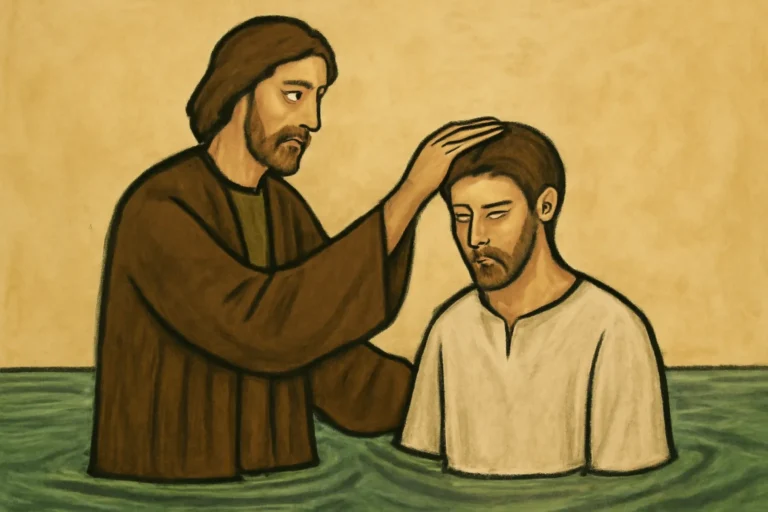
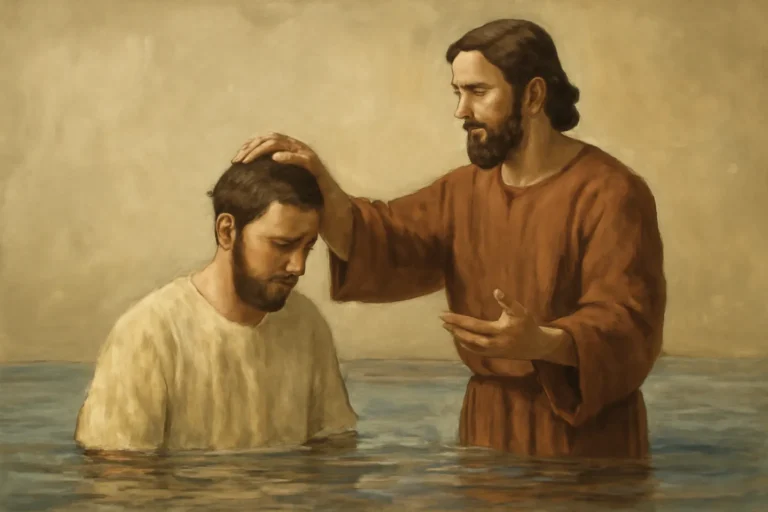
Immersion (full immersion in water) is the preferred mode for many Anabaptist groups, symbolizing death to the old life and rising to new life in Christ.
Where immersion is not possible, some communities have permitted pouring or sprinkling as a secondary option, but immersion remains the ideal emblem for the deep symbolic fidelity to the gospel narrative.
The act expresses a spiritual reality: baptism is a burial with Christ in his death and a resurrection to walk in newness of life (Romans 6:4). This message is central to how baptism functions theologically within Anabaptist thought.
Discipleship and Ethical Consequences
Discipleship follows baptism. After being baptized, new members are expected to grow in faith, obedience, and community life—learning to live according to Jesus’ teaching in everyday life.
Baptism entails a life shaped by moral discipleship—peacemaking, honesty, humility, service, and a communal ethic that seeks to avoid violence or exploitation of others.
Church discipline often accompanies baptism. The baptized person enters a community with shared expectations and, if necessary, the church may exercise a form of discipline to preserve the purity and witness of the community.
Practices of Baptism among Anabaptist Communities
Across Anabaptist families—Mennonites, Amish, Hutterites, and various Brethren groups—baptism is treated as a serious, formation-centered act rather than a mere rite. While the core conviction is common, local communities vary in how baptism is celebrated, taught, and integrated into church life.
What Happens Before Baptism?
Catechesis and instruction for candidates is common. Prospective members often go through a period of instruction to learn the gospel, the church’s beliefs, and the obligations of baptism and membership.
Confession and discernment by the local church or a council of elders helps ensure that the candidate fully understands the meaning of baptism and the commitments it entails.
The process emphasizes a genuine conversion narrative, where the candidate shares how the gospel has transformed life and how this transformation will shape future conduct.
The Ceremony and Public Witness
The actual act is typically carried out by a local church leader or a group of elders, often with other believers in attendance. The moment of baptism is a public declaration of belonging to Christ and to the community of faith.
Public baptismal services may occur during church gatherings, special services, or community events, underscoring the communal nature of baptism as both an individual decision and a corporate identity.
In some contexts, baptism is followed by a brief celebration of fellowship within the church, reinforcing the sense of belonging and mutual support among members.
Modes in Practice
Immersion remains the preferred method for many Mennonite and Brethren-involved churches, reflecting the symbolic meaning of death and new life in Christ.
Pouring or sprinkling is occasionally used when practical constraints prevent full immersion, though many communities view this as less representative of the intended symbolism.
Some groups reserve baptism for those who have completed a conversion or catechetical process, while others emphasize a spontaneous, faith-driven baptism after a compelling gospel response.
Post-Baptism Life: Membership and Community
Church membership is typically formalized through baptism. The act initiates a formal belonging to a local congregation and to a broader stream of believers who share doctrinal commitments.
Discipleship programs and ongoing instruction are common after baptism, focusing on scripture, ethics, and relationships within the community.
Peace and nonviolence form a distinctive ethical framework that often shapes baptismal teaching, as new members are invited to embody Christ-like love and reconciliation in daily life.
Scriptural Basis and Exegesis
Anabaptists ground their practice in a particular reading of Scripture, emphasizing passages that they interpret as mandating voluntary faith, repentance, and baptism for believers who confess Jesus as Lord. Their approach to the Bible is often characterized by a hermeneutic of discipleship: the church must hear, believe, and obey Christ as he is revealed in the New Testament, and baptism is a practical outworking of that obedience.
Key New Testament Texts and How They Are Read
Acts 2:38—“Repent and be baptized for the forgiveness of your sins.” Anabaptists tend to read this as a step in response to the gospel: the forgiveness of sins is tied to repentance and baptism, and baptism follows a genuine conversion experience.
Acts 8:12-13 and Acts 8:36-38—In these passages, Samaria’s converts hear the gospel and are baptized; the emphasis is on active belief and a personal response to the message prior to baptism, reinforcing the pattern of believer’s baptism rather than infant baptism.
Acts 16:31-34—The conversion of the Philippian jailer includes belief in Christ and baptism; this is cited as evidence that baptism follows a personal trust in Jesus and is part of a broader promise of salvation and new life.
Matthew 28:19-20 (the Great Commission) and Mark 16:16—These texts are read as calling disciples to make disciples, baptize them, and teach them to observe Jesus’ commands, reinforcing the idea that baptism is connected to disciple-making and obedience.
Romans 6:3-4 and Colossians 2:12—These verses describe baptism as burial with Christ and the symbol of being raised to new life. Anabaptists highlight the experiential dimension: believers enter into a shared death and resurrection with Christ through baptism.
1 Peter 3:21—Often cited as a text that points to baptism as an appeal to God for a good conscience—seen in the Anabaptist reading as emphasizing the ethical dimension of baptism as a sign of sincerity and faithfulness.
In addition to these texts, Anabaptists often engage with the broader biblical story of God’s people as a covenant community. They emphasize the continuity between baptism and the life of the church as a people called to be a visible sign of God’s kingdom on earth. The hermeneutic tends to prioritize the New Testament pattern of conversion, confession, and communal life—especially the responsibility of the church to welcome, teach, and shepherd new believers within a shared life of discipleship.
For Anabaptists, baptism is not simply a private ritual but a public declaration that places the believer within a congregational community of faith. This ecclesial dimension gives baptism a specific function in shaping church life and witness.
Entrance, Identity, and Accountability
Entrance into the church is marked by baptism, signifying that the believer is now a member of the body of Christ and a participant in the mission of the church.
Identity as a community is reinforced by baptism, which highlights the collectivity of faith—believers living together under the lordship of Christ and in mutual accountability.
Accountability and discipline accompany baptism, especially in traditions where church governance emphasizes shared life, mutual care, and correction when members stray from the gospel path.
Discipleship as a Post-Baptism Mandate
Baptism is followed by catechesis and ongoing formation, aimed at transforming daily life in light of the gospel.
Shared practices of worship, exegesis, and service—often within a broader network of Anabaptist churches—help ensure that baptism becomes a continuing teacher of obedience.
Participation in ordinances such as the Lord’s Supper (often termed a memorial meal) and foot washing (when practiced) complements baptism as expressions of covenant life. The relationship among these practices reinforces a distinctly communal and ethical orientation to faith.
Variations Across Anabaptist Traditions
Although the core conviction remains constant, there are meaningful variations in how different Anabaptist families practice baptism. These differences reflect historical development, regional cultures, and ongoing theological reflection within the broader Anabaptist umbrella.
Mennonites
Immersion is commonly preferred, though some Mennonite groups may permit pouring as a supplementary option when necessary.
Baptism is strongly linked to church membership and lifelong discipleship, with a strong emphasis on nonviolence and service to others.
The baptismal experience is often closely tied to catechetical instruction and a conversion narrative, underscoring the personal dimension of faith within a community of believers.
Amish
The Amish hold to the same fundamental conviction of believer’s baptism for those who can articulate faith, and they practice baptism in the context of adult conversion and church membership.
In Amish communities, baptism reinforces a robust pattern of communal life, humility, and separation from the contemporary world, reflecting a distinctive ethic that shapes baptismal pedagogy and expectations for members.
Hutterites
In Hutterite life, baptism remains a pivotal moment of belonging to a tightly organized communal church. The practice is intertwined with a highly structured, communal way of life where education, work, and worship are organized around the church’s decisions.
Modes of baptism align with broader communal practices, with emphasis on obedience, faith, and the covenantal identity of the community.
Brethren groups often emphasize simple, biblically grounded church life in which baptism marks entry into a community that aspires to follow Christ in everyday ethics and shared mission.
There is flexibility regarding the mode when necessary, but the emphasis remains on the personal confession of faith and the communal implications of baptism.
Contemporary Relevance and Dialogue
In the modern era, Anabaptist communities continue to reflect on baptism within the broader question of what it means to be the church in a changing world. The core convictions—voluntary faith, the symbol of new life, and entry into a community of disciples—remain a steady anchor, even as practices adapt to different cultural contexts.
Ecumenical conversations about baptism often center on the meaning of the rite and its relationship to salvation and church membership. Anabaptists contribute to these conversations by underscoring the role of personal faith and public confession.
Missional identity in many Anabaptist communities emphasizes service, peacemaking, and reconciliation. Baptism is seen as a call to a life that witnesses to Christ’s way in daily relationships, workplaces, and communities.
Some churches reflect on the possibility of multi-ethnic and cross-cultural baptisms as they engage in mission and welcome believers from diverse backgrounds while remaining faithful to their distinct ecclesial identity.
Common Questions About Anabaptist Baptism
As with any significant theological practice, questions and debates arise about how to interpret and apply baptism today. Some common questions include:
Is baptism necessary for salvation? Anabaptists generally treat baptism as an essential sign of obedience and membership within the church, but they also emphasize faith in Christ as the root of salvation. The precise relationship between baptism and salvation is discussed with care in each community, often highlighting that baptism is not mere ritual magic but a response to grace in Christ.
Why immersion? The symbolic meaning of death and resurrection—dying to sin and rising to new life—fits the immersion mode well, aligning with the scriptural imagery in Romans 6 and Colossians 2. When immersion is not possible, some contexts use pouring, but immersion remains the preferred symbol for many Anabaptists.
Who administers baptism? In most Anabaptist churches, baptism is administered by church leaders or elders with the consent and involvement of the congregation. This reflects the communal nature of baptism and the belief that the church bears witness to the newly baptized person’s life and commitment to follow Christ.
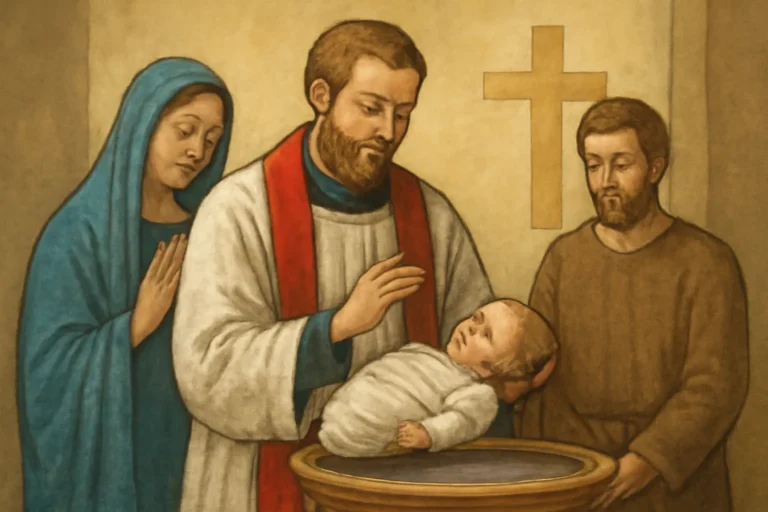
What about infant baptism in other traditions? Anabaptists view infant baptism as distinct from their practice. They argue that infant baptism cannot reflect a personal faith commitment and therefore does not align with their understanding of baptism as an act of personal repentance, faith, and obedience.
Closing Reflections: The Spirit and the Rite
The Anabaptist view of baptism, with its insistence on believer’s baptism, adult initiation, immersion as the preferred mode, and the baptismal act as a gateway to a life of discipleship, continues to shape the identity and mission of many Anabaptist communities today. It anchors a robust theological anthropology: people are called to follow Christ in freedom and in a gathered community that seeks peace, justice, and mutual care. Baptism, then, is not a static ritual but a dynamic confession of faith that reorients a believer’s life toward the teachings of Jesus and the ongoing life of the church.
In exploring the Anabaptist perspective, it becomes clear that baptism is a multifaceted practice—one that intertwines personal faith with communal life, biblical interpretation with historical tradition, and ancient symbolism with contemporary witness. Across Mennonite, Amish, Hutterite, and Brethren communities, the underlying commitment remains: baptism is a transformative entry into a life shaped by the gospel, a public sign of allegiance to Christ, and a covenantal invitation to participate in the mission and fellowship of the church.