Holy Saturday Significance: Meaning, Traditions, and Observances
Holy Saturday, also known as Great Saturday in some traditions, sits at the threshold between the sorrow of Good Friday and the joy of Easter Sunday. It is a day marked by quiet reflection, anticipation, and careful liturgical symbolism. Across Christian communities around the world, this day is observed with a distinctive mood and a carefully choreographed set of rites that emphasize waiting, hope, and the unveiling of the Resurrection. The significance of Holy Saturday rests not only in the events remembered during Christ’s passion and death, but also in the theological claim that even in death there can be a prelude to life, and that God’s promises are fulfilled in unexpected timing. In many places, the day invites believers to meditate on the mystery of salvation—how God’s plan unfolds through silence, vigil, and renewed proclamation.
In what follows, this article surveys the meaning, traditions, and observances associated with this sacred day. It highlights how different Christian families—Catholic, Orthodox, Anglican, Lutheran, and other Christian traditions—arrange their worship, their symbols, and their communal practices to express a shared faith in the resurrection while honoring diverse cultural expressions. Readers will discover how Holy Saturday significance is not a single recipe but a spectrum of rituals that illuminate the same core truths: the patience of waiting, the victory of light over darkness, and the renewal of new life in Christ.
The Meaning and Theological Grounding of Holy Saturday
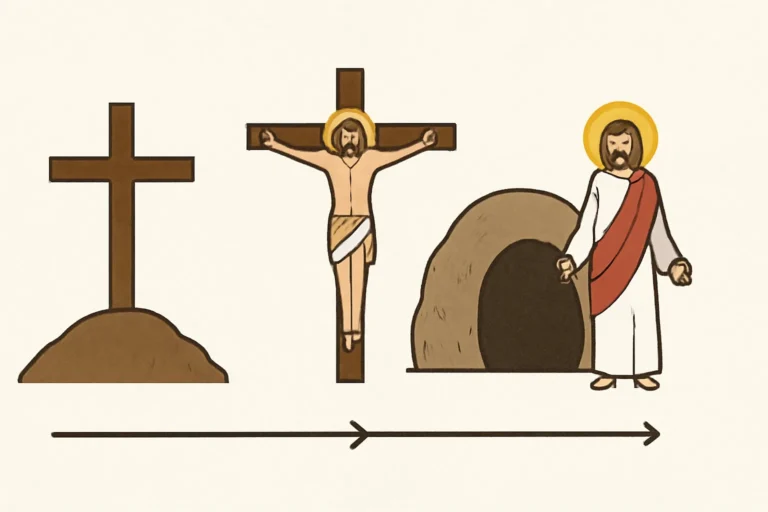
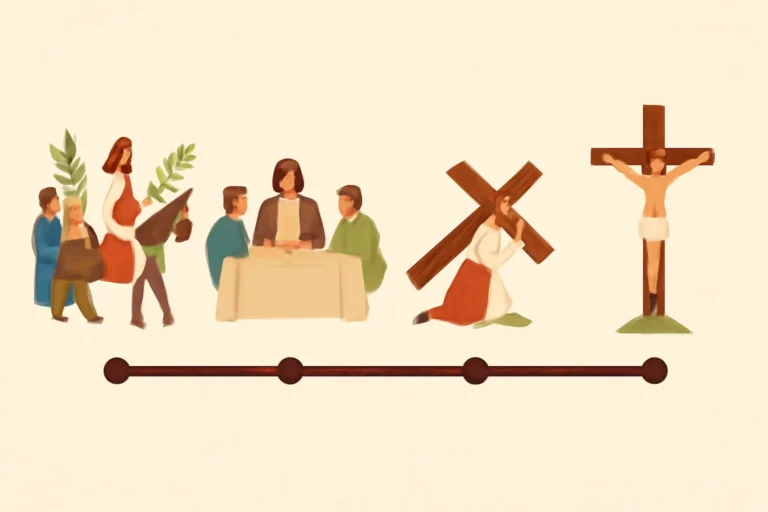
To grasp the full import of Holy Saturday, it helps to situate it within the arc of the Christian Holy Week. The day marks the interval after Good Friday, when the crucified Christ lay in the tomb, and before Easter Sunday, when the Resurrection is proclaimed with triumphant joy. In this interstice, believers encounter several enduring themes:
Awaiting the Resurrection: The tomb becomes a space where faith persists in the absence of visible signs, and where trust in God’s timing is tested and refined.
Prayerful stillness: This is a day of restraint and contemplative quiet, inviting an interior pause that mirrors the Sabbath rest in creation and the sleep of Christ in the tomb.
God’s victory through perceived weakness: The cross remains the focal point of Good Friday, but Holy Saturday teaches that apparent defeat can conceal a future triumph.
Preparation for baptism and renewal of life: In several traditions, the sense of new life breaking forth coexists with the penitential mood, anticipating the renewal of baptismal vows that occurs at the Easter Vigil.
Memory and hope intertwined: Believers remember the passion while hope is renewed, because the story does not end with death but with the promise of life.
Across theological lineages, the significance of Holy Saturday is expressed through symbols and liturgies that invite a participant to accompany Christ in burial and to anticipate his rising. In Catholic and Anglican practice, the day can culminate in the Easter Vigil, which transitions from darkness to light and from silence to proclamation. In Orthodox practice, the Great Saturday unfolds through a distinct sequence of services that deepen the experience of Christ’s entombment before the joy of the Resurrection is proclaimed.
Historically, the observance of Holy Saturday grew out of the early Church’s pilgrimage through Holy Week toward the Easter Resurrection. Early Christians gathered for vigils, readings of Scripture, and prayers that shifted from mourning to anticipation. The symbolic movement—from darkness to light—became a defining feature of the Easter Vigil, which has its own ancient lineage in the Church’s liturgical calendar. Over centuries, various elements were added or refined, including the lighting of the Paschal candle, the renewal of baptismal vows, and the blessing of the new fire at the liturgy’s opening in many Western rites.
In the medieval and post-medieval periods, monastic communities and parish churches alike emphasized the solemnity of this day as a sanctified pause. The Liturgy of Holy Saturday often balanced the weight of sorrow with the expectation of grace, culminating in the Easter Vigil’s dramatic transition from evening into night and then into the fullness of Easter morning. Theological reflections on this day stress the mystery that God acts in ways that may appear hidden or delayed to human eyes, yet are decisive for salvation history.
Liturgical Observances: How Holy Saturday is Woven into Worship
The heart of Holy Saturday observances lies in liturgy—the prayers, readings, and rituals that help a faith community participate in Christ’s tomb and the dawn of the Resurrection.
Western Christian practice: Catholic, Anglican, and some Protestant liturgies
In many Western traditions, the primary public observance is the Easter Vigil, which commonly takes place on the night of Holy Saturday. The vigil is a long, ceremonially rich service that begins in darkness and ends with the first celebration of the Resurrection. Its major components include:
Blessing of the new fire and lighting of the Paschal candle: A flame is kindled from a small fire outside the church and carried into the assembly, symbolizing the light of Christ entering the world and conquering darkness.
Procession and proclamation of the light: The candle’s lit blessing is followed by a procession, and the assembly is invited to keep the Church’s darkened interior as a sign of the night until the light is reintroduced.
Exsultet (the Easter Proclamation): The deacon or priest proclaims the greatness of this night, recounting salvation history and calling the faithful to rejoice because Christ has risen.
Readings from Scripture: A series of biblical passages traces salvation history—from creation to the prophets and to the life of Christ—culminating in the mystery of the Resurrection.
Baptisms, Confirmation, and the Renewal of Baptismal Vows: The vigil often includes the baptism of catechumens or the renewal of baptismal promises for all present, symbolically washing away sins and affirming a shared identity in Christ.
Eucharist: The Eucharistic banquet is celebrated as the community gathers in the light of the resurrected Lord, marking the fullness of the paschal mystery.
Blessing of water and the aspersion with Holy Water: The waters of the baptismal font are blessed, and the faithful are reminded of their baptismal identity.
Between the vigil’s segments, the atmosphere of solemn joy grows as the community moves from darkness to light. In many Catholic and Anglican churches, the celebration extends beyond a single service to include feasting and social gathering as a sign of the festive nature of the Resurrection. Some Protestant communities observe a simplified vigil or an Easter sunrise service earlier on Easter morning, focusing on the proclamation of the Resurrection rather than the full sacramental rites of the vigil.
Eastern Christian practice: Orthodox and Eastern Catholic rites
In the Eastern Christian tradition, Great Saturday is observed with a parallel yet distinct sequence of services. The day is deeply liturgical and oriented toward the tomb, while also preparing for the paschal joy. Common features include:
Vespers with Lamentations (the Akathist-like or Matins of Holy Saturday): The faithful hear hymns recounting the lament over Christ’s entombment and the preparation for the Resurrection.
The Burial Service (the Lamentations of the Theotokos and the entombment rite): A funeral-like ceremonial tone is struck as the Church meditates on Christ’s death and burial.
Iconostasis and tomb imagery: The church is often arranged to symbolize a tomb, with imagery of the tomb of Christ and the tomb’s quiet gravity being central to worship.
The Midnight or Evening Liturgy with the proclamation of the Resurrection: The miraculous moment when the priest announces “Christ is risen” often occurs during or at the close of the service, and the divine liturgy begins with the joy of Pascha (Easter) as soon as the Resurrection is announced.
Processions and the unification of the faithful: The service frequently involves a procession around the church or campus, bearing lights and candles, symbolizing Christ as the Light of the World.
In both Western and Eastern rites, the day’s liturgies are designed to lead the faithful to the great proclamation of life conquering death. The insistence on light in the darkness, the reformulation of baptismal identity, and the communal renewal of faith are shared themes that give Holy Saturday its enduring power.
Symbolism and Sacred Objects on Holy Saturday
Symbols are central to the way Holy Saturday significance is expressed. Three emblematic threads recur across traditions:
Tomb imagery: The tomb represents the human entombment of sin and death, while simultaneously pointing toward the hope of God’s power to raise life from death.
Light as a sign of the Resurrection: The lighting of the Paschal candle and the gradual reintroduction of light symbolize Christ as the Light that overcomes darkness, a motif that reappears in both vigils and processions.
Baptismal water and renewal: The blessing of water and the renewal of baptismal vows emphasize new life in Christ and the community’s integration into the saving mysteries celebrated at Easter.
Other meaningful signs include the absence of the word Alleluia in many liturgical contexts during Lent, which makes its reinstatement at the Easter Vigil a powerful moment of joyful return. In liturgical calendars, the hush of Holy Saturday is a deliberate counterpoint to the uproar of Easter morning, helping the faithful savor the sense of delayed fulfillment that culminates in the resurrection proclamation.
Traditions Around the World: Cultural Expressions of Holy Saturday
Across the globe, communities incorporate local customs that reflect their historical experiences, climates, and artistic sensibilities. Here are some representative threads of how Holy Saturday practices take shape in different regions, without claiming universality for every parish or church.
European Catholic and Anglican communities: Vigils that begin in darkness and culminate in the lighting of the Paschal candle; the renewal of baptismal vows; and solemn processions or stands of prayer in front of the tabernacle or sacred tombs within churches.
Latin American and Caribbean churches: The Easter Vigil can be a shared community event that draws families into the church after sunset, often accompanied by vibrant hymns, processions with candles, and gatherings that blend solemn worship with festive gatherings after the service.
Eastern Europe and the Balkans: The Great Saturday liturgy is integrated with the rich liturgical chant traditions, and the Resurrection is proclaimed with the distinctive timbre of local choirs and the use of icons that emphasize the tomb and the empty tomb imagery.
African and Asian Christian communities: In many places, Holy Saturday is observed with a synthesis of traditional music, local languages, and community prayers, reflecting the universal message of the Resurrection while honoring local ritual idioms.
Rural and monastic settings: The day may be marked by extended periods of silence, manual labor in preparation for Easter, or communal meals that honor the faithful who have kept vigil or prepared the church for the Resurrection night.
These variations reveal the global reach of Holy Saturday’s invitation to pause, reflect, and anticipate the dawn of Easter. While the outward forms may differ—from a candle-lit vigil in a city cathedral to a muted service in a small village chapel—the inner rhythm remains the same: a movement from contemplation of the cross to the celebration of the empty tomb.
Key Readings, Themes, and Theological Reflections
Many Holy Saturday liturgies feature scriptural readings that echo the arc of salvation history and point toward the resurrection. The readings often include passages from the prophets and the Gospels that speak of death, sleep, and awakening. A typical sequence might include:
A meditation on the prophetic voices who spoke of God’s justice, mercy, and forthcoming salvation.
Israel’s journey through slavery and freedom as a prefiguration of Christian baptism into new life.
The cruciform mystery—the salvific meaning of Christ’s death and the profound transformation that follows as believers prepare for the Resurrection.
The renewal of baptism as a central Christian duty and privilege, underscoring identity in Christ and solidarity with the baptized.
In addition to liturgical readings, Holy Saturday invites contemplative themes such as silence, patience, and trust. Spiritual writers and pastors often highlight the beauty of waiting for God’s action in a world that can feel rushed or noisy. The day asks believers to inhabit a space between cry and joy—and to trust that God’s redemption has already begun, even when it is not yet fully visible to human sight.
For families and individuals who cannot participate in a grand liturgical service, Holy Saturday can still be observed in meaningful, practical ways. Here are some approachable ideas that preserve the day’s mood and purpose:
Quiet prayer and scripture reading: Spend time with the Passion narratives or prophecies of salvation; read Psalm 130 or Psalm 42 to reflect on waiting and longing.
Light and darkness ritual: Create a small vigil at home by lighting a candle in a dark room and considering the symbolism of Christ as the light that dispels darkness.
Reflection on baptism: If possible, renew baptismal vows at home during the day or share a short teaching about baptism with children and adults alike.
Service projects and acts of charity: Use the spirit of the day to prepare for Easter by giving to those in need or volunteering, symbolically “washing” or “anointing” in acts of mercy.
Evening vigil or family prayer time: Hold a time of family prayer or a short litany focusing on themes of waiting, hope, and the promise of resurrection.
In churches, lay liturgy teams may guide extended vigils, with opportunities for confession, prayers of intercession, and the blessing of water for renewal at Easter. While home observances cannot replace the full liturgy, they can enable families to enter deeply into the day’s significance and prepare their hearts for the joy of Easter.
Several core theological ideas recur across Holy Saturday significance discussions. The day invites believers to sit with mystery: the mystery of the tomb, the mystery of God’s timing, and the mystery that death does not have the final word. The Resurrection is proclaimed not as a distant event but as the culmination of God’s salvific work that began with creation and continued through Christ’s life, death, and resurrection. The day also underscores the unity of the Church in the practice of baptism and the renewal of life, reminding Christians that their identity is formed by participation in the death and life of Christ.
One enduring theme is the transformation that comes through surrender to God’s plan. Holy Saturday teaches that faith can endure in silence, and that light can grow in the midst of apparent darkness. The day challenges believers to live with hopeful realism: we cannot control all outcomes, but we can trust the One who conquers death. In this sense, Holy Saturday significance is less about an immediate gesture and more about an orientation of the heart toward the Paschal Mystery—the core claim that love, life, and mercy prevail through the Resurrection.
For church leaders and educators, Holy Saturday offers a fruitful occasion to teach about the paschal mystery in an accessible way. Possible approaches include:
catechesis on baptism, explaining how baptism unites believers with Christ’s death and resurrection.
liturgical workshops that walk participants through the Easter Vigil’s rites, helping them understand the symbolism of light, water, and the paschal mystery.
family-centered catechesis activities that involve children in crafts or readings related to the tomb, the stone rolled away, and the dawn of Easter.
ecumenical dialogue sessions that explore similarities and differences in Holy Saturday observances among traditions, fostering mutual respect and shared prayer.
When communities invest time in teaching about this day, they help believers recognize that the waiting period of Holy Saturday is not passive but transformative—an opportunity to grow in faith, hope, and charity as they prepare for the joy of Easter morning.
In modern life, the sense of Holy Saturday significance remains powerful even as schedules and venues change. Some contemporary expressions include:
cultural adaptation—churches adapt the vigil with local music, languages, and art while preserving essential liturgical elements.
interfaith and community outreach—some communities pair Holy Saturday observances with service projects, food drives, or charitable events that echo the themes of mercy and renewal.
digital liturgy—parishes livestream the Easter Vigil, allowing homebound, traveling, or international members to participate in the Paschal night.
pedagogy for youth—educators design activities that connect the tomb, the stone, and the dawn to students’ experiences of loss, grief, and hope, using age-appropriate language and visuals.
Although technology and modern logistics can change the setting, the essence of Holy Saturday—to await the Resurrection with reverence and to prepare for the Christ-event of Easter—persists. The day invites faithful living to be patient, prayerful, and hospitable, welcoming others to share in the joy that follows the vigil and culminates in Easter morning’s proclamation.
While this article has explored numerous facets of Holy Saturday significance, it is worth underscoring that the day is not merely a precursor to Easter but a full, meaningful moment in its own right. It invites believers to dwell in the tension between sorrow and joy, death and life, silence and song. The Great Saturday motif teaches that God’s plan often advances quietly, through fidelity and patient trust, and that resurrection is the climactic proclamation that emerges from deep engagement with the paschal mystery.
In that sense, the day’s observances—whether as a grand vigil in a city church or a simple home reflection—provide an essential bridge for a Christian community. They connect the memory of the crucifixion to the joy of the Resurrection and remind all believers that they are part of a long-standing, global family that proclaims Christ is risen, indeed, and that life overcomes death through grace. The enduring value of Holy Saturday lies in its capacity to cultivate hope, formation, and a renewed commitment to live according to the risen Lord.