Holy Thursday and Maundy Thursday: Meaning, Traditions, and Observance
Across cultures and Christian traditions, the Thursday before Easter is a day marked by memory, service, and symbolic actions that knit together the events of the Passion with the call to love and humility. Known most widely as Holy Thursday, it is also commonly referred to as Maundy Thursday, the Thursday of Holy Week, or the Thursday of Maundy Week. While the name may vary depending on language, denomination, or regional custom, the core meaning remains centered on the intimate moments of Jesus with his disciples—moments that have guided Christians in devotion, liturgy, and daily life for centuries. The day sits at the heart of the Triduum, the three-day frame that culminates in Easter Sunday, and it invites believers to ponder the bond between ritual remembrance and practical witness in a world that longs for compassion and justice.
In many churches around the world, the Thursday before Easter is rich with significance. Two names are most persistent and widely recognized: Holy Thursday and Maundy Thursday. Each term highlights a different facet of the day’s purpose and history.
Holy Thursday emphasizes the sacred character of the day within the Holy Week sequence and the liturgical focus on the events that reveal God’s mercy and grace. The adjective “holy” signals not only reverence but the call to live in light of that sacred truth beyond the church walls.
Maundy Thursday is rooted in a Latin term, mandatum, meaning “commandment.” In many traditions, this name foregrounds Jesus’ command to love one another as he has loved us, a mandate that becomes a practical ethic for Christian life beyond the church service.
Alternative expressions appear in different languages and regional practice. Examples include the Thursday of Holy Week, the institution of the Lord’s Supper Thursday, and phrases that highlight the day’s focus on service, obedience, and community. Regardless of the wording, the central theme is the transformation of ritual acts into tangible deeds of care, service, and solidarity with the poor and the marginalized.
Historical Origins and Theological Foundations
The origins of Holy Thursday and Maundy Thursday are deeply embedded in the biblical accounts of the Last Supper, the hours of Gethsemane, and the events that culminated in the crucifixion. The day commemorates several intertwined realities: the institution of the Eucharist (the Lord’s Supper), the mandatum to love and serve, and the narrative of humility enacted through foot washing in some Christian communities. These elements together formed a robust theological framework that has guided Christian worship and social ethics for two millennia.
Biblical Foundations
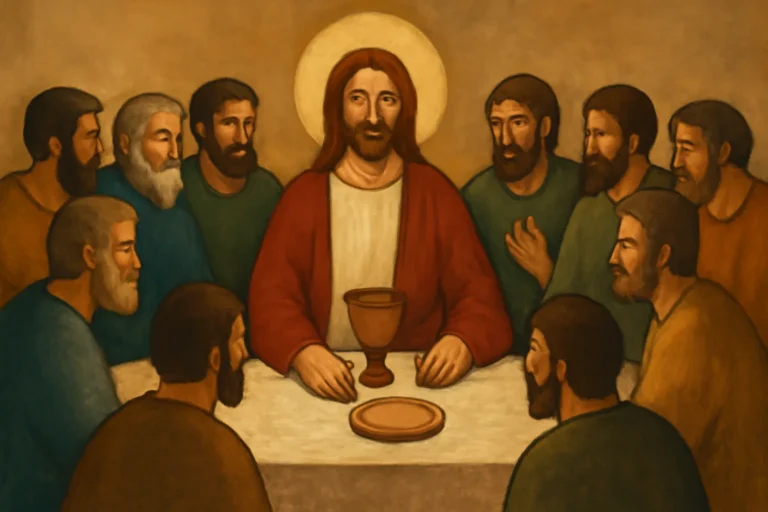
Two scriptural strands most closely shape the observances of Holy Thursday. First, the accounts of the Last Supper in the Gospels present Jesus sharing bread and wine with his disciples and giving them a sacramental model for Christian worship. The language of the new covenant and the sacrifice of the body and blood are foundational for the Eucharist, or Communion, as it is often called in many churches. Second, the Gospel narratives describe Jesus washing the feet of his disciples, an act that serves as a living parable about service, humility, and equality before God.
From the perspective of Christian tradition, these biblical motifs are not merely historical memory but living discipline. They invite believers to reflect on questions such as: What does it mean to become a servant leader? How does a community enact justice and mercy in concrete ways? How do liturgical acts translate into daily discipleship? The answer, in many communities, lies in a rhythm of worship followed by acts of service, hospitality, and care for those in need.
Liturgy, Observance, and the Maundy
The day is marked by solemn gatherings that often combine sombre reverence with acts of intimate hospitality. In many traditions, the liturgical life of Holy Thursday features a distinctive order of service that foregrounds three pillars: the Last Supper, the mandatum (the commandment to love), and the stripping of altars as a sign of humility and expectation for the Passion that follows on Good Friday.
The Last Supper in the Liturgy
In churches that celebrate the Eucharist on Holy Thursday, the rite of Holy Communion is central. The Eucharistic celebration reenacts Jesus’ sharing of bread and cup with his disciples and is often accompanied by readings from the Gospels or the epistles that illuminate the meaning of the meal. Some communities emphasize the sacrificial aspect of the meal, underscoring Jesus’ self-offering as a model for how Christians participate in the life of God through acts of love and service. In other places, the focus may be more on thanksgiving and fellowship, with the meal serving as a tangible sign of community life in Christ.
One distinctive practice associated with Maundy Thursday in various Christian traditions is the foot washing ritual. This act, drawn directly from Jesus’ actions with his disciples, is a vivid symbol of humility and service to others. Churches that observe foot washing may do so as a separate rite or as part of the Maundy Thursday liturgy. In some settings, the rite is reserved for clergy and lay ministers, while in others it invites broader participation from congregants, including generationally diverse groups such as families and youth.
The mandatum—the commandment to love—receives explicit emphasis during this time. In many services, pastors or church leaders remind the congregation that Jesus’ new commandment to love one another is not merely a sentiment but a standard for action. This reminder often spills into practical expressions of service during Holy Week and beyond, encouraging acts of mercy, hospitality, and social concern.
Ritual Stripping and Vigil
Another characteristic feature in many churches is the stripping of the altar—the removal of linens, hangings, and ornaments from the chancel as a stark reminder of Christ’s suffering and the barrenness that precedes the dawn of Easter. The stripping ritual is a visual meditation on abandonment and expectation, inviting congregants into a contemplative mood that prepares them for the somber mood of Good Friday. In some traditions, a period of overnight vigil or Eucharistic adoration follows Maundy Thursday services, inviting the faithful to remain with the consecrated elements in quiet prayer and reflection until the next day’s rites begin.
Traditions Around the World
Across continents, Holy Thursday and Maundy Thursday are celebrated with a remarkable range of customs, each shaped by local history, culture, and church tradition. While the core meanings—remembrance of the Last Supper, mandate to love, and immersion in humility—remain shared, the outward expression can vary significantly.
In Europe
In many Western churches, Holy Thursday is observed with a special mass or service that foregrounds the Eucharist and the foot-washing rite. In some parts of Europe, it is traditional to hold processions that recount the Passion story through music, painting, and drama. The day may also coincide with the ceremonial washing of church floors or the anointing of the faithful with oils in particular rites that vary by denomination.
In Latin America and the Philippines
In numerous Latin American countries and in the Philippines, Maundy Thursday becomes the apex of Holy Week processions and public devotion. In these settings, the day often blends solemn religious services with cultural rituals, including pilgrimages, re-enactments of the Last Supper, and large congregational gatherings. Outdoor or semi-public observances can illustrate the day’s ethos of community solidarity and service, sometimes inviting participants to share meals, distribute alms, or perform acts of mercy in the spirit of the mandatum.
In Africa and the Caribbean
Across the African continent and in Caribbean churches, Holy Thursday is frequently a day of intense communal prayer, praise, and liturgical drama. Communities emphasize hospitality, shared meals, and mutual care for the vulnerable as outward expressions of the commandment to love. The day may be followed by a night of prayer or a quiet vigil in many parishes, reflecting a universal longing for reconciliation and renewal.
In Anglican, Lutheran, and Reformed Traditions
In these traditions, Maundy Thursday is typically observed with a formal service that includes the Lord’s Supper, the mandatum, and often a reflection on Christian servant leadership. The liturgical structure emphasizes both mystery and moral exhortation: the sacrament is celebrated as a meal of thanksgiving, while the mandatum serves as a weekly invitation to live the gospel through concrete acts of mercy and justice.
The Maundy Thursday Experience in the Liturgical Calendar
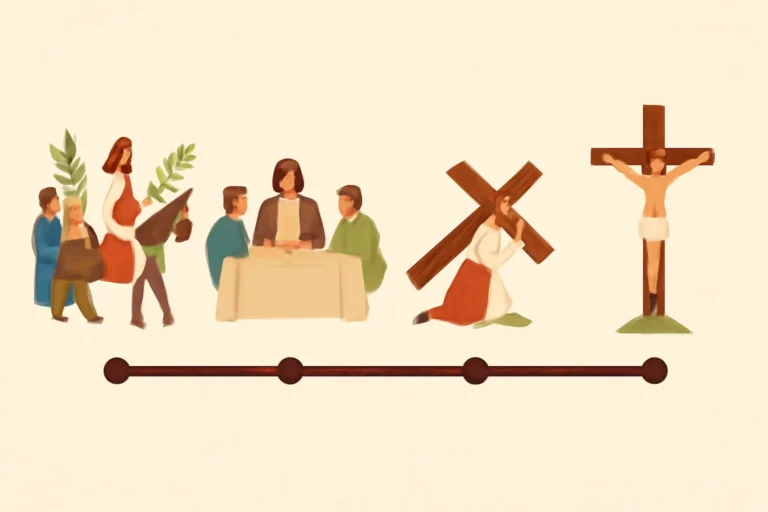
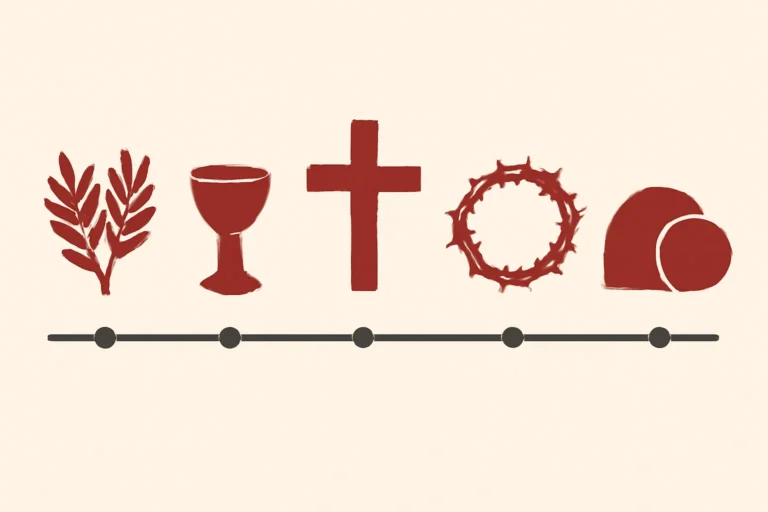
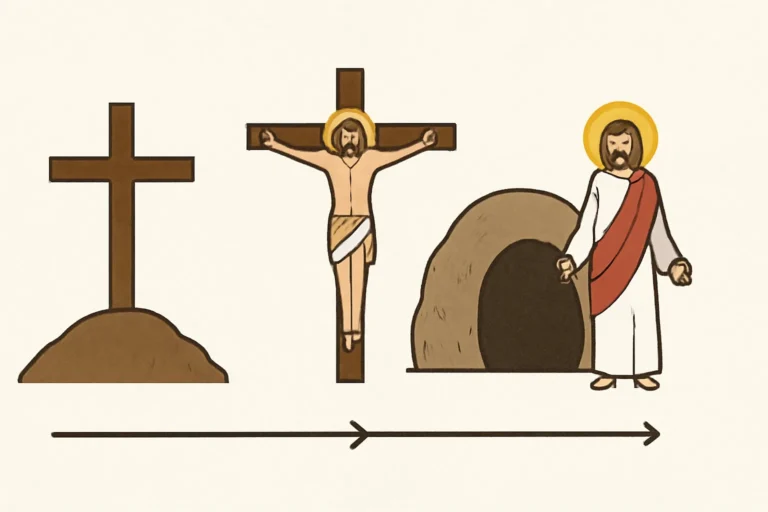
Holy Thursday sits at the center of the Paschal Triduum, the three-day sequence that begins with the evening of Maundy Thursday and continues through Good Friday and Holy Saturday to Easter Sunday. The calendar emphasizes a deliberate progression: from gratitude for God’s mercy at the Last Supper to the agony of the crucifixion, then to the hopeful dawn of resurrection. The Maundy Thursday experience, therefore, is not a standalone festival but a hinge moment between the solemnity of the cross and the anticipation of the resurrection.
Liturgical continuity: The services weave together readings, psalms, hymns, and prayers to trace Jesus’ last hours with his disciples and the call to faithful living in the church’s mission.
Doctrinal emphasis: The day highlights central Christian doctrines—sacraments, grace, and the ethics of service—while inviting believers to renew their commitment to the gospel in everyday life.
Ecumenical resonance: Although practices differ, the overarching themes resonate across Christian denominations, offering a common ground for reflection on service, humility, and love.
Beyond formal worship, Holy Thursday and Maundy Thursday inspire habits and rituals that persist in communities and households. The day’s rhythms invite believers to translate the sacred into the ordinary, turning worship into acts of service and mercy that reveal a faith in motion.
Meals, Charity, and Community
In many Christian households and congregations, the spirit of the mandatum is expressed through organized acts of hospitality and charity. Examples include:
Sharing a simple meal with neighbors, the elderly, or the ill, especially those who are marginalized or isolated.
Collecting and distributing food, clothing, or essential goods to families in need, mirroring the generosity that Jesus extended at the Last Supper.
Organizing service projects or volunteer opportunities that enable people to practice love in tangible ways, echoing the call to serve one another as Christ served his disciples.
Community Worship and Reflection
Some communities emphasize a liturgical pattern that blends contemplation with participatory acts. This often includes:
Reading from Scripture that centers on the Last Supper, the commandments to love, and the passion narrative.
Responsive prayers and psalms that express gratitude for mercy and a petition for strength to live out the gospel in daily life.
Private or communal times of quiet reflection, acknowledging the vulnerability of Jesus in the hours leading to the crucifixion.
Symbolism and Spiritual Themes
The day abounds with symbolism that invites a contemplative glance at the mystery of God’s mercy and the model of discipleship. A few of the most enduring symbols include:
Bread and cup as a sign of covenant, fellowship, and the ongoing presence of Christ in the life of the church.
Water, towels, and basin (foot washing) as a symbol of humility and service.
Altar stripping as a reminder of abandonment and longing for spiritual renewal that culminates in the Easter dawn.
These symbols are not esoteric decorations but concrete invitations to embody faith in acts of love, mercy, and justice—acts that sustain communities through hardship and division and that proclaim a message of hope in a world that longs for reconciliation.
Variations in Observance: Denominational Perspectives
Different Christian traditions place emphasis on different elements of Holy Thursday. This diversity is part of the day’s richness, offering multiple pathways for people to engage with its meaning. The following points highlight how various traditions shape the experience of Maundy Thursday and its surrounding days.
Roman Catholic Perspective
In the Roman Catholic Church, Holy Thursday is a liturgical centerpiece of the Holy Week observance. The day often features a Mass of the Lord’s Supper, including the consecration of the Eucharist and the ceremony of the washing of the feet in some parishes. The altar may be stripped, and, in many places, a watch or vigil with eucharistic adoration follows the service. The focus is on the Lord’s generosity and the charge to imitate his humility in service to others.
Protestant and Reformed Traditions
In many Protestant churches, Maundy Thursday emphasizes the institution of the Lord’s Supper and the call to service. Some congregations opt for a stripped altar and a night of prayer, while others hold worship that emphasizes repentance and renewal in the context of the paschal mystery. The practice of foot washing varies widely—some communities celebrate it as part of the service, others do it in smaller groups, and some do not include the ritual at all, focusing instead on communion and readings.
Eastern Orthodox and Oriental Orthodox Practices
In Eastern Christian traditions, the Holy Thursday observance may be part of a broader sequence that culminates in the Great Thursday service. The focus is on the love of Christ and his suffering, often framed by hymns and liturgical poetry that celebrate the mystery of the Eucharist and the Passion. The day may be accompanied by processions, readings from the Passion narratives, and acts of devotion that emphasize contemplation and endurance in the face of trial.
Contemporary Significance and Ethical Implications
In the modern world, Holy Thursday remains a compelling invitation to translate faith into action. The day invites individuals and communities to examine how they can live out the mandatum in concrete settings—schools, workplaces, neighborhoods, and online spaces. The ethical themes that emerge from Maundy Thursday—humility, service, and love—offer practical guidance for addressing issues such as poverty, social isolation, discrimination, and violence. In this sense, the observance is not merely a historical reenactment but a living invitation to participate in God’s ongoing work of healing and reconciliation in the world.
As churches discern their public witness, Holy Thursday can inform church action in various spheres. Examples include:
Hospitality programs that welcome strangers and refugees, offering nourishment and companionship.
Community outreach that addresses food insecurity, housing, and healthcare needs, echoing the gospel’s preferential option for the vulnerable.
Educational initiatives that teach about the meaning of service, civic responsibility, and ethical leadership—shaped by the example of Christ’s humility.
These endeavors reflect a robust, incarnational faith: a faith that believes the events of Holy Week do not belong to the past but inform present-day commitments to mercy and justice.
Art, Music, and Cultural Expressions
Throughout history, Holy Thursday and Maundy Thursday have inspired a vast array of artistic and musical responses. From medieval processions and polyphonic music to modern hymns and liturgical dramas, artists and composers have sought to convey the tenderness, tension, and hope of the day. Art can render the abstract themes of service and love into visual and auditory experiences that deepen personal devotion. In many churches, choral settings of the Last Supper, improvisatory organ preludes, or reflective paintings of the washing of feet offer an affective route into the day’s meaning.
Music as a Pathway to Encounter
Musical settings often frame the experience with mood and pacing—slow tempos and contemplative melodies that invite listeners to reflect on sacrifice, gratitude, and renewal. Hymns that speak of service, the sacrament, and Christ’s command to love are frequently sung in the late hours of the Thursday service, creating a sonic environment conducive to prayer and solidarity.
Practical Guidance for Observing Holy Thursday in Your Community
If you are planning to participate in Maundy Thursday events, here are some practical ideas that align with the day’s spirit and help you engage meaningfully with the themes of the liturgy.
Attend a service that foregrounds the Last Supper readings and the mandatum. If possible, participate in the foot-washing rite or reflect on its meaning in a personal or communal setting.
Involve your family or group in a service project that embodies the day’s ethic of service and mercy. This could be a meal rotation, a food drive, or a neighborhood outreach initiative.
Spend time in quiet reflection or a guided devotional focusing on humility and love. Consider journaling or sharing a few lines of gratitude for people who have modeled service in your life.
Prepare for Good Friday by maintaining a posture of reverence and anticipation, recognizing that the two days are connected in the journey toward Easter.
Questions for Reflection
To deepen understanding or to guide small group conversations, consider these prompts:
What does it mean to love others as Christ loves us in your own context—home, work, school, or neighborhood?
How can the practice of service become a regular part of your faith routine beyond Holy Week?
Which symbol (bread and cup, foot washing, or altar stripping) resonates most with your personal journey, and why?
Accessibility and Inclusivity in Maundy Thursday Observance
In contemporary church life, there is a growing emphasis on making Holy Thursday accessible to diverse congregants, including families with children, people with disabilities, and newcomers to faith. Inclusive approaches may involve flexible participation options, simplified readings, and translations in multiple languages. The intent is to preserve the depth and beauty of the day while ensuring that everyone can engage with its core messages—humility, love, and practical mercy.
Concluding Reflections: The Living Call of Holy Thursday
While this article has surveyed the meaning, traditions, and observance of the day commonly known as Holy Thursday or Maundy Thursday, the true depth of the celebration lies in the ongoing life to which it calls believers. The events commemorated on this day—Jesus gathering with his friends, washing their feet, and giving them a new commandment—are not confined to a particular hour of the church year; they inform the rhythm of daily discipleship. In a world that often measures value by achievement or status, the mandatum invites a countercultural vocation: to serve others, to lay down one’s privilege, and to bear witness to the transformative power of love. Whether you experience the day through solemn liturgy, through acts of service, or through quiet personal prayer, Holy Week remains a living invitation to participate in a story larger than any one person or place. The Thursday that remembers a meal, a gesture of hospitality, and a commitment to love becomes, for many believers, a blueprint for how to live with greater integrity and mercy every day of the year.
As you explore the breadth of Holy Thursday and its sister title, Maundy Thursday, you may find a path that aligns with your tradition, your community, and your own spiritual journey. The day’s enduring gift is its insistence that faith Is not merely a set of beliefs, but a way of life that begins in worship and carries forward into service, justice, and compassion for all people.