Holy Thursday Meaning: History, Significance, and Traditions Explained
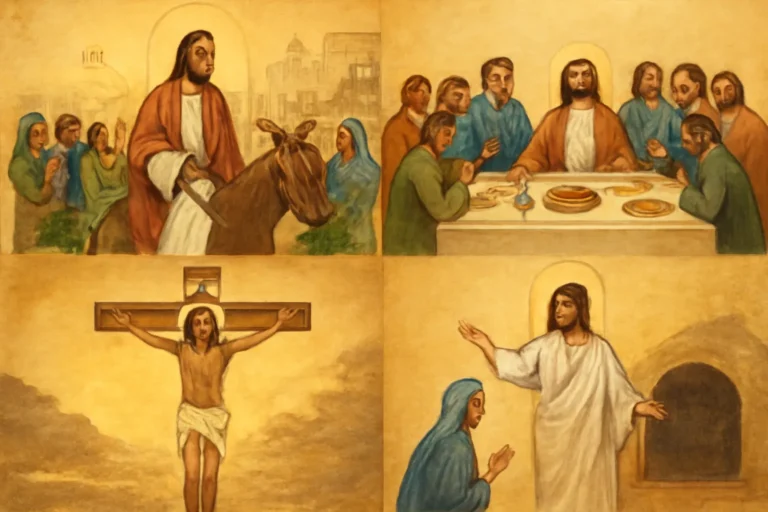
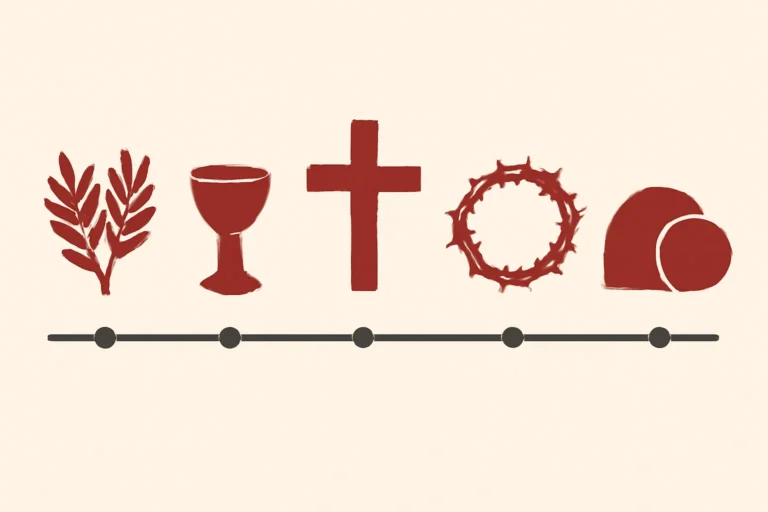
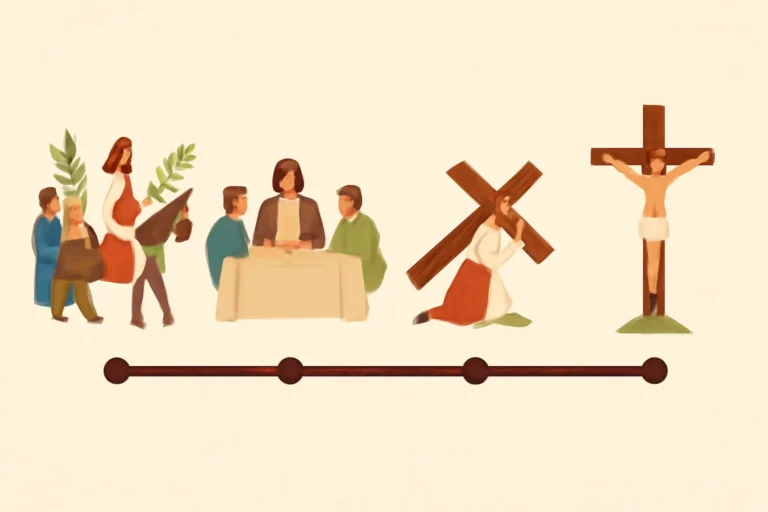
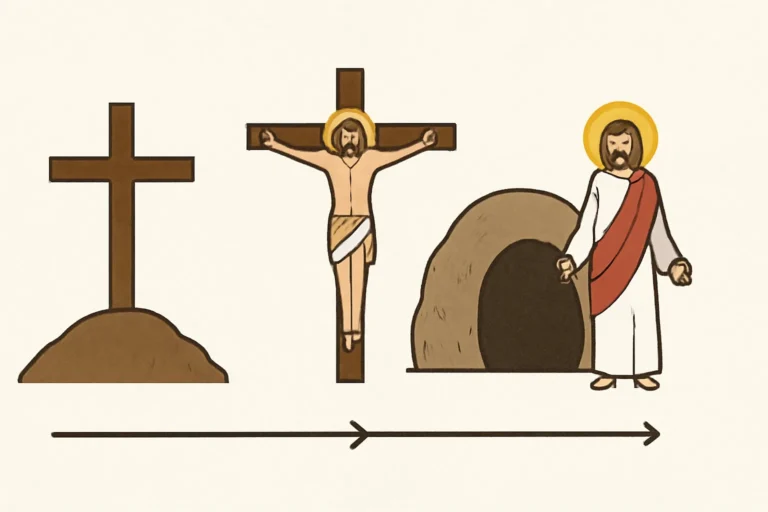
The day commonly known as Holy Thursday sits at a pivotal point in the Christian Holy Week, marking a bridge between the symbols of the Last Supper and the somber events that lead to Good Friday. Also called Maundy Thursday in many traditions, this day carries a layered legacy: historical memory, liturgical action, and a sustained invitation to service and humility. Across centuries and continents, believers have explored the meaning of Holy Thursday through rituals, scripture readings, and communal acts that connect the Eucharist, the washing of feet, and the anticipation of Christ’s Passion. The result is a day that speaks to both belief and practice, shaping how communities understand worship, leadership, and human service.
In English-speaking Christian communities, the day is commonly referred to as Holy Thursday, highlighting its sacred character as the last Thursday before Easter. In many Catholic, Anglican, and Protestant circles, it is also called Maundy Thursday, a term rooted in the Latin mandatum, meaning “commandment.” This mandatum refers to Christ’s teaching to love one another, voiced at the Last Supper: A new commandment I give to you, that you love one another (John 13:34). Far from a mere historical label, the mandatum expresses the core ethical impulse that has driven Christian ministry ever since: to imitate Christ in humble service and mutual care.
The distinction between these names is more than linguistic. Maundy signals the ceremonial obligation to perform acts of service—most famously, the foot washing—as a sign of Christian hospitality and discipleship. Meanwhile, Holy Thursday emphasizes the sanctity of the day within the liturgical calendar, where the evening Eucharist draws believers into the mystery of the Lord’s Supper and the ongoing presence of Christ in the church. Across languages and cultures, correlations exist: for example, in Spanish-speaking communities the day is often called Jueves Santo (Holy Thursday) or Jueves de la Cena (Thursday of the Supper), underscoring the Last Supper narrative; in Greek it is part of the sequence of Holy Week services that culminate in Easter Sunday.
Historical background: how Holy Thursday developed in the early church
From the earliest centuries of Christianity, the events associated with Holy Thursday were remembered in developing liturgical patterns. The Last Supper—the final meal Jesus shared with his apostles before the crucifixion—was foundational to Christian identity, because it linked a distant historical event to a living, ongoing ritual. Early Christians did not always separate the celebration of the Eucharist from other meals around Passover-time, but over time the church began to distinguish the supper as a sacred remembrance that would be enacted with specific prayers, readings, and gestures.
Two intertwined threads shaped the history of Holy Thursday. First, the institution of the Eucharist at the Last Supper became the central focus of the liturgical rite: Jesus blessing bread and wine and commanding his followers to “do this in memory of me” established a pattern that churches would preserve. Second, the practical and symbolic act of humble service—the washing of the disciples’ feet—emerged as a visible sign of Christian charity and leadership. While the exact form of these practices varied in different communities, the combination of sacred meal and servanthood stood as a durable model for the church’s mission.
In the medieval period, Holy Thursday often took on rich ceremonial life within Western Christianity. The liturgy would typically emphasize the institution narrative, the blessing and distribution of the Eucharist, and the act of the stripping of the altars, a ritual that removes adornments from the church as a sign of the coming sorrow and the abandonment Jesus faced in Gethsemane. The symbolism extended beyond church interiors; processions and Eucharistic adoration sometimes followed the Mass, prompting a tone of reverence that prepared worshippers for the somber events of Good Friday. This historical layering is why Holy Thursday is sometimes described as the hinge between the celebration of the Lord’s Supper and the passion narrative that unfolds in the days ahead.
The Last Supper and the institution of the Eucharist
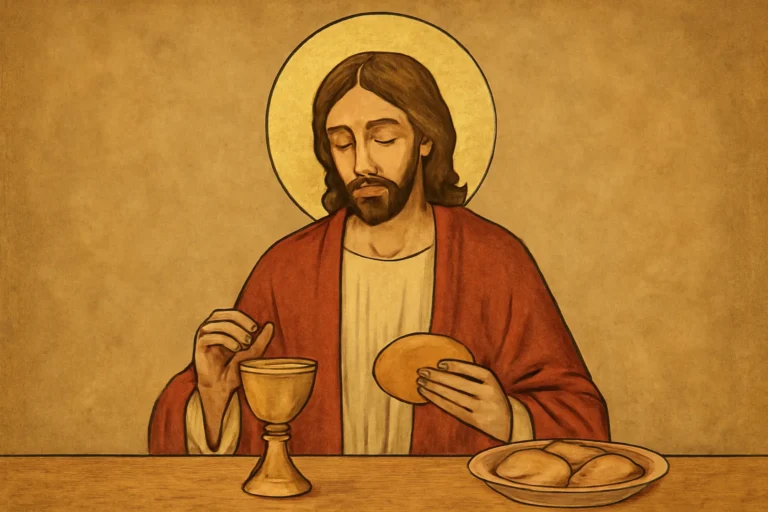
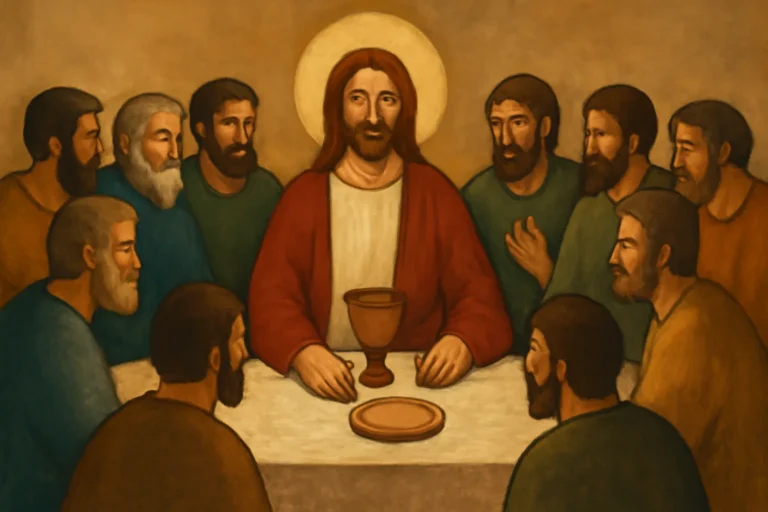
Central to Holy Thursday is the story of the Last Supper, a momentous encounter that theologians and laypeople alike read as the foundation of Christian sacramental life. The Gospel accounts describe Jesus sharing a final meal with his apostles, breaking bread, and offering wine with a declaration that the elements symbolize his body and blood given for many. This moment is often summarized as the institution of the Eucharist.
Key elements of this meaning include:
Eucharistic significance: The bread and wine are not merely symbols but are understood by many traditions to signify Christ’s real presence and sacrifice. The ritual invites believers to participate in a mystery that transcends ordinary meals.
Memorial and proclamation: The command to “do this in memory of me” makes the act deliberately both past remembrance and present proclamation—the church acts in the present Christ who continues to feed and sustain his people.
New covenant context: The Last Supper is often linked to the idea of a new covenant inaugurated through Jesus’ life, death, and resurrection, reframing how the community relates to God and to each other.
For many Christian communities, Holy Thursday also marks the psychological and spiritual “opening” of Holy Week. The intimacy of the supper—shared with friends, prayed over, and blessed—offers a model for how the church underwrites communal life: grace is given, shared, and then extended to the world in acts of service and hospitality. The weight of this day lies not only in the memory of a historical event but in the ongoing invitation to participate in the living presence of Christ through worship, prayer, and service.
Foot washing, service, and the meaning of humility
A distinctive practice associated with Holy Thursday is the foot washing—an ancient act that Jesus performed for his disciples as a sign of hospitality and service, which he then commands his followers to imitate. The image of kneeling to wash another person’s feet Tonight has resonated across centuries as a tangible enactment of humility and care.
There are several layers to the symbolism of this ritual:
Humility as leadership: Jesus’ act reframes leadership as service. In communities that practice foot washing, leaders are invited to decline status and to exercise mercy and solidarity with the vulnerable.
Equality before God: The ritual disrupts social hierarchies by placing the one who takes the basin beneath the one who receives it, echoing the gospel claim that in the kingdom of God, the last shall be first and the first shall serve.
Preparation for mission: Foot washing acts as a preparation for mission—disciples are sent out not to dominate but to serve, to bring healing, and to be present with others in ordinary moments.
Across different Christian traditions, the exact form of this rite may vary. Some churches perform a full foot-washing service with multiple participants, while others emphasize a symbolic gesture or a symbolic act of service, such as caring for the poor or visiting the sick. In places where the foot washing is not practiced, the emphasis on humility and service remains central in the day’s prayers, readings, and homilies.
The Agony in the Garden, betrayal, and the path toward crucifixion
Another dimension of Holy Thursday is the narrative leading into Jesus’ agony in the Garden of Gethsemane, where Jesus prays and wrestles with the impending suffering. The Gospels place this scene immediately after the Last Supper and before the arrest in the garden. Though the events unfold in a single night, many readers and worshippers experience them as a window into human fear, divine surrender, and fidelity to the Father’s will.
The themes here are rich with theological and pastoral significance:
Submission to divine will: The prayer “not my will, but yours be done” is often cited as a model of discernment and obedience that shapes how believers approach difficult decisions and suffering.
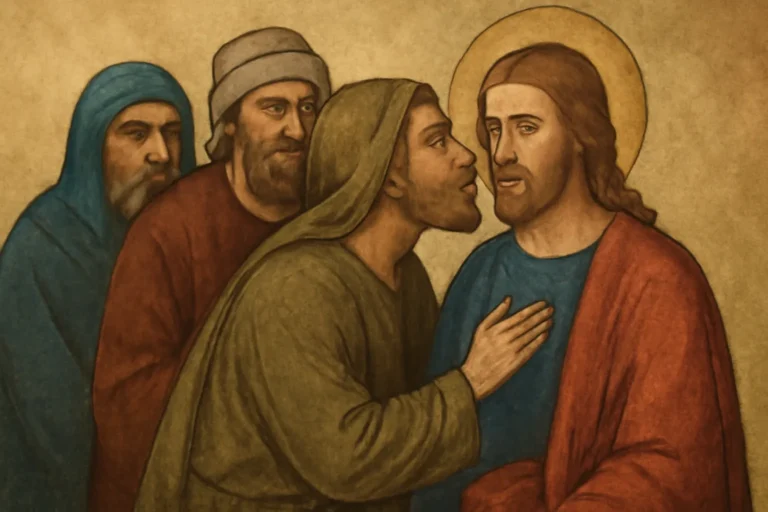
Loneliness and betrayal: The narrative includes Jesus’ solitude and the betrayal by one of his own disciples, reminding communities of the pain of betrayal and the call to forgive and to stand with those who experience it.
Preparation for sacrifice: The tensions in the garden set the stage for the crucifixion, underscoring that the events of Holy Week unfold as a unified story of salvation rather than isolated incidents.
In worship and sermons, churches often reflect on these dimensions to encourage believers to confront fear with faith, to sustain moral courage, and to understand suffering as part of the Christian story in a way that invites compassion for others.
Liturgy, rites, and variations across Christian traditions
Holy Thursday looks different depending on the tradition. Here are some representative patterns to illustrate how the meaning is expressed in worship and practice.
Catholic and Roman Rite observances
In the Catholic Church, the faithful often gather for the Mass of the Lord’s Supper, which includes the institution narrative and the optional distribution of the Eucharist. After the Mass, the Eucharistic reservation tradition may lead to a solemn processional display to a place of reservation (tabernacle or an outdoor repository). The church’s altars are typically stripped in a sign of mourning and humility, and a vigil or adoration may continue into the night. The next morning, the church will commemorate the Passion on Good Friday, continuing the arc from this day’s worship into the day of the Cross.
Mass of the Lord’s Supper with a possible foot-washing rite for clergy and lay participants in some parishes
Adoration of the Blessed Sacrament in the repository or a side chapel
Removal of decorative elements from the church, symbolizing Jesus’ abandonment and the coming sorrow
Orthodox and Oriental Orthodox practices
In many Orthodox churches, Holy Thursday is part of a larger sequence of services during Holy Week. The day may feature readings from the Twelve Gospels, a procession, and hymns that emphasize the events surrounding the institution of the Eucharist, as well as the events in Gethsemane and the betrayal. The liturgical life on this day stresses both the communal meal and the anticipation of the crucifixion, with a tone of penitence and contemplation rather than festivity.
Anglican and Protestant traditions
Within the Anglican and some Protestant communities, Holy Thursday is observed with a Maundy Thursday service or a Holy Communion service that centers on the Last Supper narrative. Many parishes include foot-washing as a symbolic gesture or incorporate a service of prayers for the church, community, and the world. In several places, the altar is stripped, and a processional or vigil follows, echoing the Catholic rhythm of the evening. The emphasis is often on mercy, service, and the responsibilities of leadership within the church and society.
Symbolism and theological meanings
Across traditions, Holy Thursday carries a dense constellation of symbolic meanings that illuminate the Christian understanding of worship, community, and mission. A few of the most influential themes include:
Love in action: The mandatum—Jesus’ command to love one another—forms the heart of the day. The ritual acts, particularly the foot washing, translate theological love into a practical habit of service and solidarity.
Eucharistic presence: The Last Supper’s institution of the Eucharist anchors the belief that Christ is present with the church in the sacrament, sustaining believers as they commune together at the table of grace.
humility and service: The day foregrounds humility as a way of following Jesus, not merely in personal piety but in concrete acts of care for others—especially the vulnerable, the poor, and those who serve.
Preparation for sorrow and hope: The events of Holy Thursday help Christians enter into the mystery of Christ’s passion not as a distant tragedy but as a living invitation to participate in God’s redemptive work.
Church as a household: The communal meal, shared with close companions, is read as a model for the church’s life—neighbors, strangers, and friends come to the table, forming a covenant people who support one another in following Christ.
Global customs and cultural expressions
Holy Thursday is celebrated in diverse ways around the world, with cultural variations that enrich the meaning of the day. Here are some illustrative patterns:
Foot-washing ceremonies in countries like Spain, the Philippines, and parts of Latin America, where clergy, religious communities, or laypeople participate as a sign of service and solidarity.
Processions and nocturnal vigils in many Catholic and Orthodox communities, reflecting a nocturnal pace that invites contemplation before the events of Good Friday.
Mass followed by adoration or a special night prayer service, focusing on the Eucharist and the vigil potential of Christ’s presence.
Stripping of the altars and decorative removal in church buildings as a communal act of lament and anticipation.
Charitable acts and offerings linked to the day’s message of love and service, including initiatives to feed the hungry, clothe the poor, or care for the sick.
The practical and pastoral significance for believers today
For contemporary Christians, Holy Thursday offers both a historical anchor and a living invitation. Several pastoral themes emerge as especially relevant in modern life:
Service as discipleship: The day invites Christians to re-center their everyday actions around service—whether in families, workplaces, or communities—seeing acts of care as a form of worship.
Humility in leadership: Leaders in religious communities and beyond are urged to model humility, listening, and sacrificial generosity rather than seeking status or control.
Hospitality and table fellowship: The Eucharistic table becomes a place of hospitality, reconciliation, and shared life, even across differences in belief or practice.
Unity in the body of Christ: As churches gather for a common meal or shared rituals, Holy Thursday reinforces the bond among diverse Christian communities who proclaim the same core gospel message.
Hope amid suffering: The day’s juxtaposition of blessing and sorrow helps believers hold together the reality of pain with the promise of renewal in the Easter event.
Common questions and clarifications about Holy Thursday
People frequently wonder about the day’s purpose, its differences from other parts of Holy Week, and how to participate meaningfully. Here are some common inquiries and concise explanations:
Is Holy Thursday the same as Maundy Thursday? In many Christian traditions, yes. Maundy Thursday emphasizes the new commandment to love and the foot-washing rite, while Holy Thursday underscores the sacredness of the day’s liturgical actions.
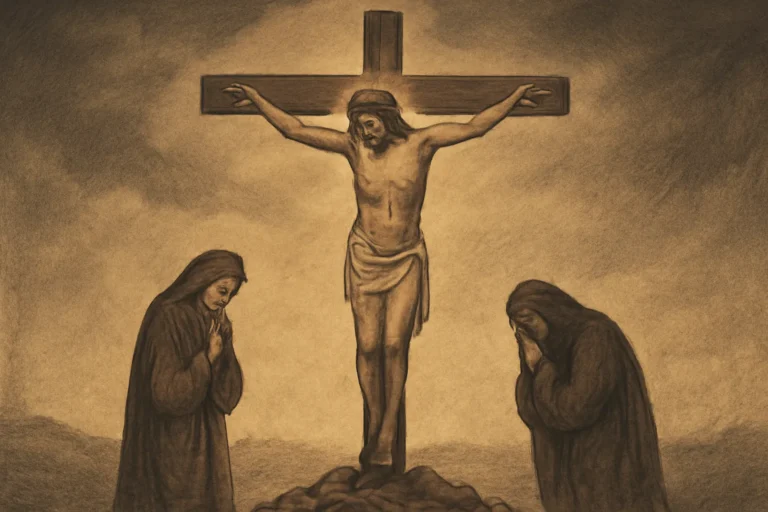
What is the difference between Holy Thursday and Good Friday? Holy Thursday commemorates the Last Supper, the institution of the Eucharist, and the act of service; Good Friday focuses on Jesus’ crucifixion, death, and atonement. The two days mark the unfolding of Christ’s Passion within Holy Week.
Why is the altar stripped? The stripping of the altar is a symbolic act reflecting Jesus’ humility, the abandonment by his disciples, and the somber mood as believers prepare for the passion narrative.
What should I expect if I attend a Maundy Thursday service? Expect readings from the Gospel about the Last Supper, a Eucharistic rite or ceremony, possible foot-washing, and a ritual of reverence that can include adoration or vigil after the service.
Integrating Holy Thursday meaning into personal faith and community life
To translate the meaning of Holy Thursday into daily practice, individuals and congregations can consider several approaches. The day invites reflection on how faith translates into acts of service, mercy, and solidarity with others who suffer. It also encourages a habit of daily gratitude for the gift of the Eucharist and a dedication to live in a way that mirrors Christ’s humility. Communities may:
Organize foot-washing ceremonies as an annual reminder of service, inviting participants to learn, sacrifice, and serve those in need.
Host shared meals or simple suppers that emphasize hospitality, equality, and conversation across differences.
Provide opportunities for prayer and contemplation around the theme of surrender to God’s will and compassionate action toward others.
Support service projects during Holy Week, aligning the day’s spirit with practical compassion—feeding the hungry, visiting the lonely, or assisting families in crisis.
Engage in liturgical education that invites families, youth, and new believers to explore the Eucharist and the mandatum as living principles for church life.
Concluding reflections on the meaning of Holy Thursday
Though the exact rituals and emphases vary across Christian churches, the essential meaning of Holy Thursday remains remarkably consistent: a day centered on the mystery of God’s love made visible in Jesus Christ, a call to humble service in imitation of the Master, and a preparation for the sorrow and hope that define Holy Week. By remembering the Last Supper, participating in the Eucharist, and enacting acts of service, believers enter into a shared memory that becomes a living force for justice, mercy, and community in the world. The Holiness of this Thursday is not confined to a moment in time but is meant to shape how communities feed the hungry, clothe the naked, welcome the stranger, and forgive one another all year long. In this sense, the holy day is forward-looking as much as it is retrospective: it points toward Easter Sunday, where the story of suffering and service culminates in new life and renewed hope for all creation.