Basic Beliefs of Christianity: A Clear Guide to Christian Doctrine
Basic Beliefs of Christianity: A Clear Guide to Christian Doctrine provides a structured overview of the central truths that have guided Christian faith for centuries. While there are varied expressions across traditions, most mainstream forms of Christianity share a common core: a monotheistic belief in God, the divine identity of Jesus the Messiah, the guiding presence of the Holy Spirit, the authority of sacred scripture, the necessity of grace, and a future hope rooted in resurrection and eternal life. This guide outlines the essential beliefs, explains how they relate to one another, and points to how Christians live them out in worship, community, and daily life.
Across Christian traditions, God is understood as the eternal Creator who sustains all that exists. The Father is love and source of all life, holiness, and mercy. This divine Father is not a distant power but a personal, relational being who invites human beings into a transformative relationship. The biblical narrative presents God as one, holy, sovereign, and seeking to restore broken relationships with humanity through revelation and grace.
The Son: Jesus Christ
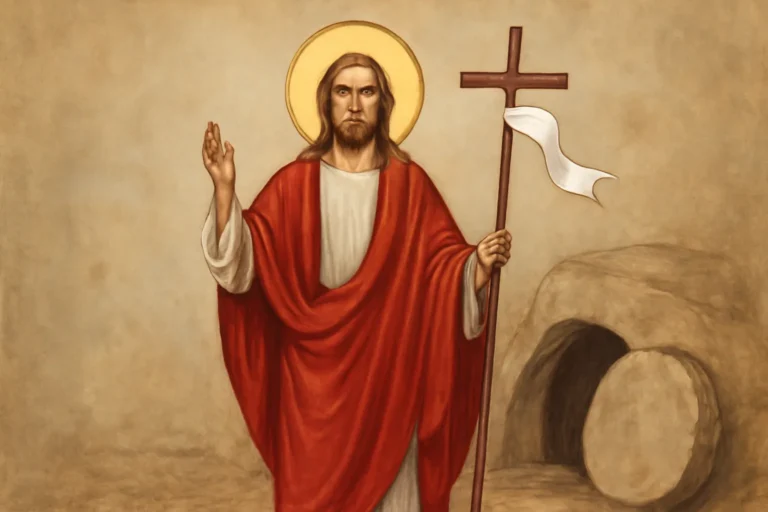
The central confession of Christian faith centers on Jesus Christ, who is believed to be both fully God and fully human in the mystery of the incarnation. Christians affirm that Jesus is the eternal Word who took flesh, lived among people, proclaimed the kingdom of God, suffered, died, and rose again. The life, death, and resurrection of Jesus are understood as the decisive act of salvation for all who trust him. In many traditions, Jesus’ life is taken as definitive revelation of God’s will for humanity, including teachings about love, justice, mercy, and obedience.
The Holy Spirit
The third person of what Christians call the Holy Trinity is the Spirit, who empowers, guides, and sanctifies believers. The Spirit is present in creation, inspires Scripture, awakens faith in individuals, and cultivates virtue within the church. The Spirit’s work includes gifting the church for service, producing the fruit of the Spirit such as love, joy, peace, patience, kindness, goodness, faithfulness, gentleness, and self-control. The Holy Spirit also equips Christians to witness to their faith and to grow in holiness through prayer, study, and community life.
Trinitarian unity
Many Christian traditions teach that the Father, the Son, and the Holy Spirit are distinct persons within a single divine being. This doctrine, known as the Trinity, emphasizes not three gods but one God in three persons. While the precise formulation has been the subject of centuries of theological reflection, the core idea remains that God is relational, communal, and incomprehensibly gracious. Different traditions emphasize different aspects of the Trinity, but all agree that Trinitarian belief grounds Christian worship, prayer, and mission.
Variations within the tradition
There are nuances in how churches describe the interaction of Father, Son, and Spirit, and how they describe the inner life of God. Some emphasize economic Trinity—how the three persons relate to the world in salvation history—while others highlight the immanent Trinity—the inner life of God’s own being. All, however, affirm the essential claim of one God who is threefold in relation and love.
Jesus Christ: The Person and Work of the Messiah
Incarnation and humanity
A foundational belief is that Jesus is the incarnate Son of God, who became human while remaining divine. The incarnation demonstrates God’s solidarity with human beings and his willingness to enter into human history to redeem it. Jesus’ humanity makes him able to represent and rescue humanity; his divinity ensures that his life, death, and resurrection possess salvific power beyond a mere mortal’s capacity.
Teachings and ministry
Jesus’ teachings center on love of God and neighbor, the coming of the kingdom, repentance, mercy, justice, and humility. His parables and sermons are interpreted as clarifying God’s will for individuals and communities. The miracles attributed to Jesus—in healing, restoration, and provision—are often understood as signs that point to the inbreaking of God’s reign and the reality of God’s kingdom among people.
Atonement, death, and resurrection
Central to Christian belief is that Jesus’s death on the cross served as a sacrifice for sins, making it possible for humanity to be reconciled to God. The resurrection is viewed as the decisive triumph over sin and death, validating Jesus’ claims and inaugurating new life for believers. The ascension, returning to the Father, is understood as Jesus’ ongoing intercession and the assurance of his eventual return. Across traditions, the atonement narrative—how sin is dealt with and humans are restored to relationship with God—remains the core of the gospel message.
Christ is often described as the mediator between God and humanity, as the one who makes salvation accessible. He is also a foundational figure in the church’s self-understanding, with Christians identifying him as the head of the body, the church. Through him believers are invited into a living relationship with God, empowered to live in obedience and hope.
Christians affirm that the Spirit is actively present with and within believers. The Spirit’s presence is described as empowering faith, guiding conscience, opening understanding, and enabling acts of service. The Spirit also participates in the community life of the church, uniting diverse people into one body that is capable of mission and witness.
Gifts and fruits
The Spirit distributes spiritual gifts to build up the church for ministry and to testify to the reality of God’s grace. These gifts can include teaching, prophecy, healing, serving, hospitality, leadership, and more, depending on tradition. The fruit of the Spirit, however, provides a pattern for character formation within believers, illustrating what a life transformed by grace looks like in daily conduct.
Prayer and cultivation of the life with God
Prayer is frequently described as the primary means by which Christians relate to God. Through prayer, individuals seek guidance, confess shortcomings, give thanks, and request mercy. The Spirit is believed to illumine prayer, helping believers to align their desires with God’s will and to discern the Father’s voice in the events of life.
Scripture, Tradition, and Authority
Sacred revelation
Most Christians regard Scripture as the primary source of divine revelation. The books of the Bible are believed to bear witness to God’s saving work from creation through the church age. The role of Scripture is to disclose who God is, who we are, and how we should live in light of God’s mercy. The canon of inspired writings varies somewhat among traditions, but the core belief in the Bible as authoritative for faith and practice is widespread.
Tradition and church teaching
Alongside Scripture, many Christian groups value tradition and the teaching authority of the church. Tradition can include creeds, ecumenical councils, church fathers, and liturgical practices that have shaped interpretation and practice over time. The balance between scripture and tradition differs by denomination, but all generally recognize that the church’s lived experience and collective discernment contribute to understanding God’s will.
Interpretation and community
Because biblical texts were written in historical contexts, Christians emphasize interpretive communities—churches and scholars who study Scripture together. The aim is to read the text faithfully, contextually, and in a way that leads to worship, ethical living, and mission. Individual reading is important, but it occurs within the larger context of the faith community’s guided interpretation and shared creedal commitments.
Creation, Humanity, and the Problem of Sin
Creation and purpose
Christian belief holds that God created the world with intention and order. Humans are created in God’s image, endowed with dignity, reason, and moral capacity. The created order is good but broken by human choices. The biblical story presents a plan of restoration where God’s design for creation is ultimately renewed in salvation and new creation.
Human nature and free will
Humans are understood to have free will in a sense, yet they are also affected by sin and brokenness. This tension—between freedom to choose and the tendency toward self-centeredness—explains why grace is necessary. The human condition is not reduced to estrangement from God alone; it also includes broken relationships, injustice, and a longing for meaning that only God can fully satisfy.
Original sin and personal fault
Many traditions teach the doctrine of original sin, the idea that sin entered the world through humanity’s first disobedience and that this status affects every person. Yet, Christian theology also emphasizes that individuals are called to personal repentance and trust in God’s mercy. The aim is to reorient life toward God, receive forgiveness, and participate in the healing of a fractured world.
A core conviction is that salvation is by grace through faith, not earned by human effort alone. In this view, God’s grace initiates and sustains faith, and human response—trust in Christ, repentance, and obedience—flows from that grace. The relationship between faith and works is understood differently in various traditions, but most agree that genuine faith will express itself in ethical action and compassionate service.
Justification and reconciliation
To be justified means to be declared righteous in God’s sight. In this process, the believer is righteous not by personal merit but through Christ’s righteousness credited by faith. This does not erase moral transformation; rather, it invites a renewed life that aligns with God’s will as a product of grace and gratitude.
Sanctification and transformation
The Christian life includes ongoing sanctification, the process of being gradually conformed to the image of Christ. This transformation is nurtured by the Spirit, Scripture, prayer, and community. The journey involves growth in virtue, a fight against destructive patterns, and a daily decision to pursue God’s priorities over personal ambitions.
The Church and the Sacraments
The church as the gathered people
Christians often speak of the church as the body of Christ on earth, a community called to worship, teach, practice mercy, and participate in God’s mission. The church is not merely a human institution but a radiant expression of God’s grace in the world, united by faith in Christ and empowered by the Spirit.
Baptism: joining the community
Baptism is a sign and seal of God’s grace, symbolizing cleansing from sin, death to the old life, and new life in Christ. Different traditions practice baptism differently—from infant baptism to believer’s baptism by immersion—but most agree that baptism marks entry into the Christian community and aligns the believer with the crucified and risen Jesus.
The Lord’s Supper/Communion
The Lord’s Supper (also called Communion or the Eucharist) is a meal that commemorates Jesus’ Last Supper with his disciples. It is viewed as a means of grace, a spiritual participation in Christ’s life, and a proclamation of the gospel. While the theological nuances vary (transubstantiation, consubstantiation, symbolic memorial), the central aim remains: to remember Jesus, confess him as Lord, and renew dedication to his way of living.
Beyond baptism and Communion, many Christian communities practice prayers of blessing, confirmation, marriage ceremonies, ordination, and other sacramental actions. Some traditions emphasize liturgical calendars, creedal confessions, and rites that mark milestones in a believer’s life. The common thread is formation in faith, communal identity, and faithful witness to God’s work in the world.
Eschatology: Hope, Resurrection, and the Final Destiny
Death, resurrection, and new life
Christian belief holds that physical death is not the final word. The Scriptures present a future moment of resurrection, when believers will be raised to live eternally. This hope shapes how Christians understand suffering, memory, and justice in the present age, providing a sense of purpose and perseverance.
Heaven, hell, and the afterlife
Different Christian traditions describe heaven as the perfected, eternal life in the presence of God, and hell as a reality of separation from God. While some traditions emphasize universal reconciliation, most teach that there is a definite judgment that determines ultimate destiny. The exact nature of these states may be described with different imagery, but the underlying conviction is that God’s justice and mercy will be reconciled in the end.
The Second Coming and the restoration of all things
A common belief is that Christ will return, bringing completeness to God’s purposes. The second coming is associated with the final judgment, the vindication of the righteous, the removal of evil, and the renewal of creation. Believers anticipate a new heaven and a new earth, where God will dwell with his people in everlasting peace.
Ethics, Discipleship, and Life of Worship
Love as the core ethic
Across the Christian spectrum, a central command is to love God wholeheartedly and to love one’s neighbor as oneself. This ethical centerpiece shapes personal morality, family life, work, and social engagement. Compassion, honesty, integrity, humility, and advocacy for the vulnerable are often presented as evidence of genuine faith.
Discipleship and mission
Followers of Christ are called to become learners and practitioners of the gospel—disciples who imitate Jesus, study Scripture, pray regularly, and participate in the church’s mission. This includes preaching the gospel, serving the poor, seeking justice, and fostering reconciliation in communities marked by division.
Prayer is a vital habit for Christians, practiced both individually and communally. Worship gathers the community to praise God, hear the Scriptures proclaimed, and be formed by sacraments and singing. Spiritual disciplines—such as Scripture meditation, fasting, confession, and sabbath-keeping—are often encouraged as means to deepen faith and dependence on God.
Creeds, Denominational Variations, and Theological Diversity
Creedal summaries
Many Christians appeal to historical confessions that crystallize core beliefs. The most well-known are the Apostles’ Creed, the Nicene Creed, and the Athanasian Creed. These documents articulate foundational convictions about God, Christ, the Spirit, the church, and the last things, providing a shared vocabulary for the global church.
Denominational variety
Within the broad umbrella of Christianity, there are many expressions—from liberal to evangelical to sacramental and Pentecostal. Each tradition emphasizes different aspects of doctrine and practice while retaining the core convictions described above. This diversity reflects the varied cultures, histories, and spiritual gifts within the body of Christ, and it invites respectful dialogue and shared mission across differences.
Key doctrinal themes across traditions
Authority of Scripture as a guiding norm for faith and life
Grace and faith as the means of salvation
Christ’s atonement as the foundation of reconciliation
Indwelling Spirit for transformation and power
Hope in resurrection and eternal life
Common Questions and Clarifications
Is Christianity inherently exclusive or inclusive?
Christians have varied ways of understanding how salvation relates to those who have not heard the gospel. Some hold that God offers revelation to all and invites a response through conscience and common grace, while others emphasize the unique saving work of Jesus. Most traditions affirm that saving faith involves trust in Christ as Lord and Savior, yet many also teach that God’s mercy is broader than explicit knowledge of Jesus would allow, leaving room for hope and accountability before God.
What about other religions?
Christianity recognizes that other faiths contain elements of truth and moral insight. The Christian claim is not simply to condemn others but to invite all people into a relationship with the God who reveals himself in Jesus. Interfaith dialogue and respectful engagement are often encouraged as Christians seek the good of all people and bear witness to their own faith with love and integrity.
How do beliefs translate into daily life?
Belief in God, in Christ, and in the Spirit is not merely theoretical. It is expected to translate into ethical conduct, service to neighbors, care for the vulnerable, generosity, and a life marked by integrity. The church’s teaching, prayer life, and communal worship are often configured to nurture such living, making doctrine practical and transformative.
A Practical Guide to Engaging with Christian Doctrine
Study and reflection
Begin with the core creeds to understand the consensus about the nature of God, Christ, and salvation.
Read the four Gospels to see the life and teachings of Jesus in their own words.
Explore the Epistles to understand how early Christians interpreted Jesus’ work and how believers ought to live.
Compare how different traditions articulate key terms such as justification, sanctification, and atonement.
Worship and practice
Participate in communities that embody these beliefs through worship, baptism, the Lord’s Supper, and service. Ritual life reinforces doctrinal understanding and strengthens communal bonds.
Ethical living and service
Let belief inform behavior. Translate the gospel into acts of love—caring for the poor, pursuing justice, promoting peace, and offering forgiveness. The expression of doctrine in daily life is often the most persuasive witness to Christian faith.
Dialogue with culture
Engage with contemporary questions—science, human rights, wealth and poverty, gender and sexuality, and ecological stewardship—through the lens of durable Christian convictions. A thoughtful integration of faith and culture can illuminate public life without compromising core truths.
In sum, the basic beliefs of Christianity present a coherent vision: one God who creates and sustains all things, a unique and decisive revelation in Jesus Christ, a powerful presence of the Holy Spirit that shapes the church and individual lives, Scripture as the authoritative guide, and a hopeful horizon of resurrection and new creation. The church remains a living and diverse family that seeks to love God and neighbor, bear witness to the gospel, and participate in God’s mission to heal a fractured world. Though there are differences in emphasis and practice among Christian communities, the shared core points toward a common call: to know God, to follow Jesus, to be transformed by grace, and to live with a forward-looking hope that strengthens faith, hope, and love in daily life.