Are Jews and Christians the Same? Understanding Beliefs, History, and Key Differences
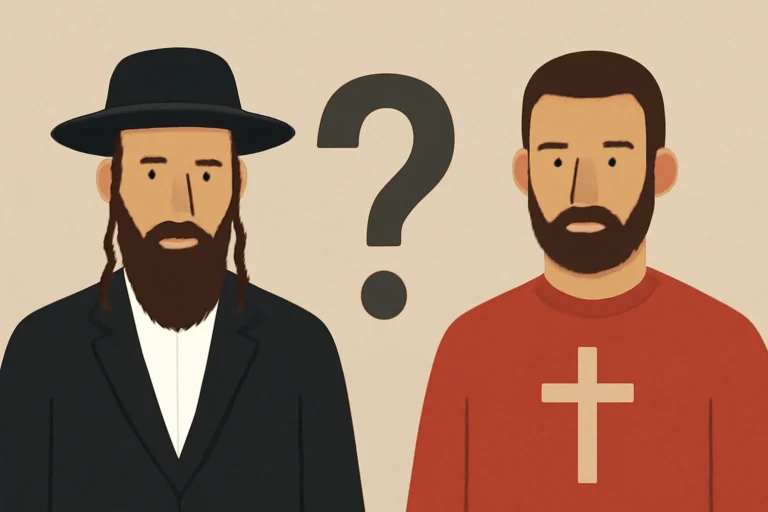
Are Jews and Christians the same? The short answer is nuanced. While the two faiths share historical roots, scriptures, and ethical traditions, they diverge on key beliefs, practices, and religious identities. This article explores how Jews and Christians relate to one another, what they have in common, and where they diverge. By looking at beliefs, history, and daily life, we can appreciate both the overlap and the distinction that shape the two communities today.
Both Judaism and Christianity arise from the same ancient family of beliefs and scriptures. They identify with the same people, stories, and divine promises in large measure, and they honor similar ethical ideals. Yet they interpret those roots differently, especially regarding revelation, the identity of the Messiah, and the path to salvation.
Foundational similarities
Monotheism as a core commitment: both traditions worship one, sovereign God who created, sustains, and judges the world.
Scriptural heritage rooted in the Hebrew Bible/Old Testament, including books such as Genesis, Exodus, Psalms, and prophetic writings.
Covenantal language that frames the relationship between God and humanity as a binding promise, often described in terms of obligations, blessings, and responsibilities.
Shared moral and ethical teachings, including care for the poor, justice, mercy, and concern for the vulnerable.
Liturgical and ritual practices that shape community life, such as prayer, study, and acts of worship (even when expressed differently).
Historical memory of significant events and figures—Abraham, Moses, and the ancient Israelites are central to both traditions in meaningful ways.
Even as these elements bind Jews and Christians together, the two faiths also reflect distinct theological paths that developed over centuries. To understand the differences, it helps to examine the core beliefs, sacred texts, and historical processes that separate or connect them.
Core beliefs: how the understanding of God, the Messiah, and salvation differs
The most profound distinction between Judaism and Christianity often centers on the nature of God as understood within each faith and the role of Jesus. However, there are layers of nuance across different communities and denominations.
Concept of God and the Trinity
In Judaism, God is a singular, indivisible entity. The central creed is the oneness of God: there is one God, who is eternal, incorporeal, and unique. The doctrine of the oneness of God does not admit the idea of a divine “second person” or a triune Godhead.
In Christianity, the traditional doctrine of the Trinity holds that God exists as three persons in one essence: the Father, the Son (Jesus), and the Holy Spirit. This understanding is accepted in most Christian denominations, though there are debates about how the three persons relate to one Godhead. The variegated ways Christians speak about the Trinity influence worship, prayer, and theology in meaningful ways.
Because of these differences, a simple question like “Are Jews and Christians the same in their understanding of God?” has a nuanced answer: both affirm monotheism, but Christianity adds a relational, triune dimension that Judaism does not accept. This is a pivotal distinction for many believers and communities.
Jesus, the Messiah, and salvation
One of the most consequential points of divergence concerns Jesus. Christians affirm Jesus as the Messiah (Christ) and the divine Son of God who, through his life, death, and resurrection, provides salvation for humanity. For Christians, belief in Jesus as the Savior and the Son who reveals God’s grace is central to faith and practice.
In Judaism, Jesus is generally not accepted as the Messiah within the traditional framework of Jewish belief. Jewish expectation of the Messiah emphasizes an as-yet-unfulfilled prophetic mission: a future era of peace, the rebuilding of the Temple (if applicable), and the gathering of all Jews to the land of Israel. Thus, Jews worship God according to the Torah and await the future fulfillment of messianic prophecies without recognizing Jesus as the divine revelation of salvation.
Consequently, questions about how one achieves salvation differ. Christians commonly teach that salvation is received by faith in Jesus Christ, often emphasizing grace and personal transformation. Jewish thought tends to emphasize a lived fidelity to the commandments (mitzvot), ethical conduct, repentance, and reliance on God’s mercy within a covenantal framework. Some Jews also stress communal responsibility and acts of justice as pathways to spiritual life in this world, while awaiting future messianic fulfillment.
Scriptures and authority
Both traditions regard sacred literature as authoritative, but they differ in what counts as canonical and how it is interpreted.
Judaism centers on the Tanakh (Hebrew Bible), especially the Torah (the first five books), the Nevi’im (Prophets), and the Ketuvim (Writings). Rabbinic literature, including the Talmud, is critical for interpretation, law, and practical guidance in daily life.
Christianity traditionally holds the Old Testament (which overlaps with the Tanakh but is arranged differently and sometimes includes different books in different traditions) and the New Testament, which contains the Gospels, the Acts of the Apostles, letters (epistles), and the Book of Revelation. Christians view the New Testament as a crucial witness to the life, death, and resurrection of Jesus and as a lens for interpreting the Old Testament prophecy.
Because Christians typically read the New Testament in addition to the Hebrew Bible, their approach to revelation and authority diverges from Jewish emphasis on Torah interpretation through rabbinic tradition. This difference is a central way in which “are Jews and Christians the same” becomes a matter of both shared scripture and divergent interpretation.
Historical development: from shared origins to separate paths
The historical relationship between Judaism and Christianity begins in the first century CE, within a broader Jewish milieu. Over time, historical, theological, and institutional differences led to distinct religious communities. Understanding this history helps explain why contemporary Judaism and Christianity look different while still sharing roots.
Origins in a common milieu
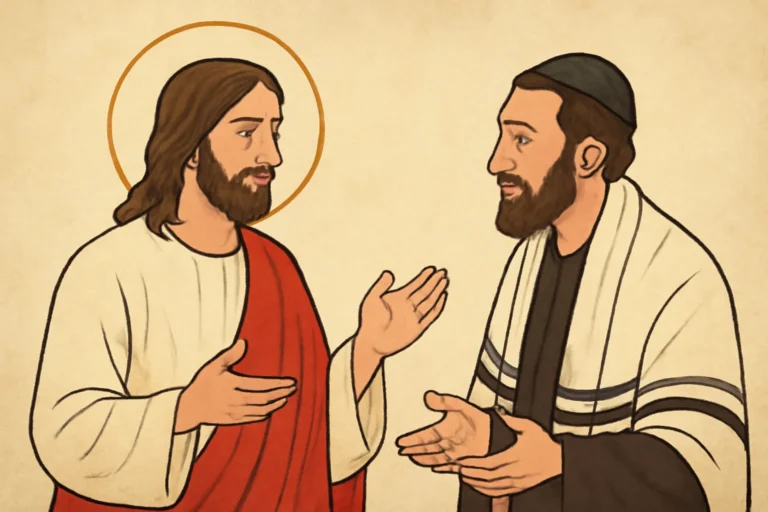
Early Christians emerged out of Jewish communities in the Hellenistic world. Jesus and his earliest followers were Jewish, observed Jewish law, and participated in Jewish worship. The earliest Christian communities interpreted Jesus as the promised Messiah in light of his life, death, and resurrection, which fostered a developing Christian self-understanding while still rooted in Jewish tradition.
As generations passed, communities began to articulate distinctive beliefs about Jesus, the role of the law, and the nature of God. Debates about how Gentile converts should relate to Mosaic law, circumcision, and ritual purity contributed to a widening gap between the two traditions. The formal separation became more pronounced as doctrinal definitions took shape in the patristic and medieval periods, and as church and synagogue developed different structures of authority and worship.
Key historical milestones
The early Christian movement existed within Judaism for several decades, sharing scriptures and worship spaces.
Early church councils and theological debates shaped the doctrine of the Trinity and the divinity of Christ, marking a turning point in distinguishing Christian orthodoxy from Jewish beliefs.
Rabbinic Judaism developed a more defined canon and interpretive framework after the destruction of the Second Temple in 70 CE, guiding Jewish life independently of Christian interpretation.
Medieval and modern periods saw continued mutual influence, competition, and, in many contexts, conflict as communities defined themselves in relation to one another.
Contemporary interfaith dialogue emphasizes shared values, historical ties, and respectful engagement, recognizing both common ground and enduring differences.
Today, many people recognize that the two faiths are distinct religious traditions with shared origin stories, ethical commitments, and moments of influence on one another’s history. The phrase “Are Judaism and Christianity just two versions of the same faith?” invites careful historical and theological consideration, as well as appreciation for the unique identities each tradition has cultivated.
Practices, worship spaces, and rituals
Worship life and daily practice reveal much about how a community experiences its beliefs. Although Jews and Christians sometimes worship in similar spaces or observe similar calendar periods, their rituals and liturgical emphases diverge in meaningful ways.
Worship spaces and communal life
Synagogue (Judaism) is the center of communal Jewish worship, study, and life-cycle events. It emphasizes Torah study, prayer, and a rhythm of Sabbath and festival observance.
Church (Christianity) is the primary space for Christian worship. Churches vary widely in architectural style, liturgy, and practice, but many emphasize the gathered community, preaching, prayer, and the sacraments.
Both communities emphasize prayer, study, and community life, yet their liturgical calendars and rites differ in content and focus.
Calendars, Sabbaths, and holy days
Judaism centers around the weekly Sabbath (Shabbat) from Friday evening to Saturday evening, and a cycle of festivals such as Passover, Shavuot, Sukkot, Rosh Hashanah, Yom Kippur, and others. Observance and details vary among denominations.
Christianity highlights holy days such as Christmas (celebrating the birth of Jesus) and Easter (marking the resurrection). Many denominations also observe liturgical seasons like Advent and Lent, with varying practices and emphases.
Because the calendars reflect different theological emphases, the rhythm of life, holidays, and weekly observances look distinct, even when both communities value sacred time and community worship.
Rituals and acts of devotion
Judaism emphasizes commandments (mitzvot) such as keeping kosher dietary laws, honoring the Sabbath, and ritual observances that mark life events (brit milah, bar/bat mitzvah, weddings, funerals).
Christianity emphasizes practices such as baptism and the Eucharist (or Holy Communion) as central rites in many traditions, along with prayer, communal worship, and charitable action.
These rituals play a central role in shaping identity and spiritual experience within each faith, while they also illuminate the ways in which communities seek to live out their values in daily life.
Covenant, law, and ethical life
The question of covenant and how adherents live out the law is central to understanding the differences and continuities between Judaism and Christianity.
The role of the Mosaic Law
Judaism retains a robust sense of the Mosaic Law (the Torah) as a binding path for daily living, ceremonial practice, and communal order. Observance of commandments (mitzvot) is understood as a response to God’s covenant with Israel and central to Jewish identity.
Christianity has historically parsed the Mosaic Law in relation to the life and mission of Jesus. Many Christians describe the law as fulfilled or transformed through Christ, emphasizing grace and faith as the means by which believers live virtuously. Debates about whether Gentile converts must adopt all ritual laws from the Torah were central in early Christian communities, culminating in various councils and theological positions.
In contemporary life, the degree to which law shapes daily conduct varies by denomination. Yet both traditions place a high value on ethics, justice, compassion, and fidelity to divine commands as expressions of faith.
Covenantal identity and the people of God
Both religions speak in terms of a covenantal relationship with God, but they typically describe this relationship in different terms. Judaism emphasizes a covenantal calling as the people of Israel, with a specific national and religious identity tied to the land, law, and ritual practice. Christianity frames the covenant through the person of Jesus, often extending the language of God’s family to the church and to all who believe, including Gentile believers, through faith.
Both Judaism and Christianity are internally diverse, with a range of denominations and traditions that emphasize different interpretations, practices, and theological emphases.
Judaism: streams and emphases
Orthodox Judaism typically emphasizes strict adherence to traditional Jewish law and ritual practice within a defined framework of belief.
Conservative Judaism balances respect for traditional law with openness to modern scholarship and practice.
Reform Judaism emphasizes ethical living, modern understanding, and often a more flexible approach to ritual and law.
Other movements include Reconstructionist and Humanistic streams, each with its own trajectory of interpretation and practice.
Christianity: a spectrum of thought
Catholic and Orthodox churches maintain ancient sacramental and liturgical traditions, with hierarchical structures and creedal formulations.
Protestant denominations (such as Baptists, Lutherans, Anglicans, Methodists, and Pentecostals) often emphasize scripture, personal faith, and varied approaches to sacraments and church governance.
Ecumenical movements seek greater unity across traditions, while acknowledging differences in doctrine and practice.
The diversity within each tradition demonstrates that the question “are Jews and Christians the same?” becomes more about shared roots and ethical aims than a uniform doctrinal identity. People within both faiths may differ on the precise interpretation of scriptures, the nature of God, or the meaning of salvation, but they also share a long arc of religious thought and community life.
Common ethical concerns and social engagement
Beyond doctrinal issues, both faiths have strong commitments to ethics, social justice, and care for the vulnerable. These shared commitments often serve as a bridge for interfaith dialogue and collaborative action.
Rescuing the vulnerable and advocating for human dignity
Promoting justice, mercy, and peace in local and global communities
Opposing discrimination and seeking fairness in laws and institutions
Supporting education, charity, and service to those in need
Even when different communities disagree on doctrinal matters, they frequently find common ground in moral imperatives that flow from their sacred texts and traditions. This common ethical ground provides a basis for constructive dialogue and cooperative efforts in addressing social issues.
Interfaith dialogue: learning from one another
In recent decades, many Jewish and Christian communities have engaged in meaningful dialogue aimed at mutual understanding, respect, and cooperation. These conversations can address:
The historical roots and shared scriptures that illuminate both faiths
How to interpret theological differences without demeaning one another
Practical collaboration on charitable work, interfaith education, and community safety
How to honor sacred spaces and holidays while recognizing differences in belief
Interfaith education programs, joint worship services on special occasions, and collaborative efforts to address poverty and injustice illustrate how people can live with difference in a shared public space. These efforts often emphasize the phrase “are the two faiths compatible in modern life?” by demonstrating ethical solidarity and intellectual honesty about differences.
Common myths and realities
Several misconceptions about Judaism and Christianity persist in popular discourse. Clarifying these myths helps people engage more accurately and respectfully.
Myth: “All Christians worship the same God as Jews.” Reality: While both traditions worship the same monotheistic God in many respects, they differ in theological formulations such as the Trinity and the continued significance of the Mosaic Law.
Myth: “Judaism is a religion of the old covenant and Christianity is a new covenant, so there is no overlap.” Reality: Both traditions affirm a covenant relationship with God, and they share many scriptures and ethical teachings, even as their conclusions about messianic expectations and revelation diverge.
Myth: “Jews and Christians are enemies.” Reality: In many communities, there are histories of tension, but contemporary dialogue and collaboration emphasize mutual respect, shared values, and the possibility of peaceful coexistence.
Understanding these myths and the real similarities and differences helps readers approach the topic with nuance and respect.
Glossary of key terms
To navigate discussions about Judaism and Christianity, it helps to understand specific terms that frequently arise in dialogue and study.
Tanakh — The canonical collection of Jewish scriptures, also known as the Hebrew Bible.
Torah — The first five books of the Tanakh, traditionally attributed to Moses, containing foundational laws and narratives.
New Testament — The second major canon of Christian scripture, including the Gospels, Acts, epistles, and Revelation.
Messiah — In Judaism, a future anointed leader who will bring about an era of peace; in Christianity, Jesus is recognized as the Messiah (Christ).
Grace — A key Christian concept describing God’s unmerited favor toward humanity, often linked to salvation through faith.
Shabbat — The weekly day of worship and rest in Judaism (Friday evening to Saturday evening).
Eucharist / Communion — A central Christian rite commemorating Jesus’ Last Supper.
Trinity — The Christian doctrine that God exists as three persons in one essence (Father, Son, Holy Spirit).
mitzvah — Commandments or good deeds in Judaism that shape daily life and worship.
Frequently asked questions
Here are brief responses to common questions that people often ask when considering the question of sameness and difference between Jews and Christians.
Do Jews and Christians worship the same God? Both traditions affirm monotheism and worship the God of Israel, but they differ in some theological formulations, such as the Trinity in Christianity and the ongoing role of the Mosaic Law in Judaism.
Is Jesus central to Judaism? No. For Judaism, Jesus is generally not considered the Messiah or a divine figure, whereas Christianity identifies Jesus as Messiah and Son of God.
Are the scriptures identical? Jews regard the Tanakh as authoritative; Christians include the New Testament in addition to the Old Testament, leading to differences in interpretation and emphasis.
Can Jewish and Christian communities work together? Yes. Across the world, interfaith initiatives seek common ground in ethics, service, and education while acknowledging doctrinal differences.
Key takeaways
Understanding whether are Jews and Christians the same depends on the lens through which one reads history, theology, and practice. The two faiths share a deep reservoir of heritage and ethical concern, including a reverence for one God and a commitment to justice and mercy. Yet they remain distinct in their statements about God’s revelation, the identity of the Messiah, the interpretation of sacred texts, and the path to salvation.
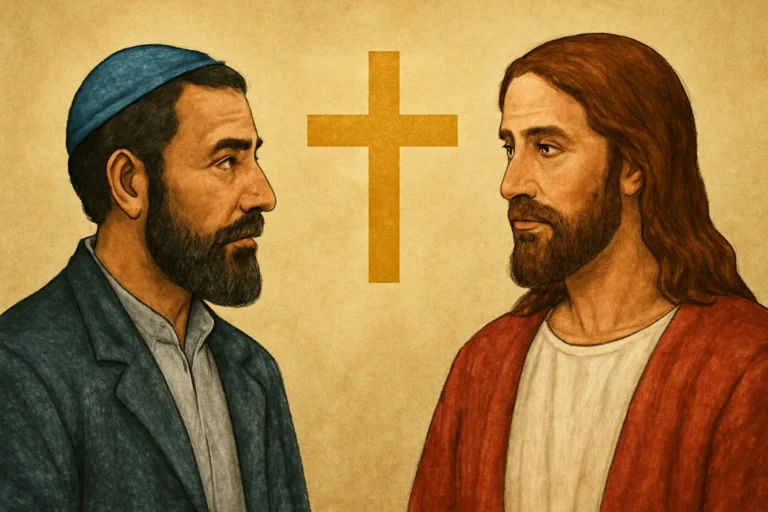
In practical terms, this means that Judaism and Christianity are best understood as two related, but separate, expressions of an ancient religious family. They have influenced one another across centuries, sometimes as rivals, often as dialogue partners, and increasingly as neighbors who seek common good in a pluralistic world. The overarching narrative is one of continuity and difference—a story of two faiths that share much in history, yet proclaim different ways to live out their deepest convictions.
For readers who want to explore deeper, consider reputable sources on biblical studies, theology, and interfaith dialogue. Engaging with primary texts (such as the Tanakh and the New Testament) alongside reputable scholarly commentary can illuminate how each tradition understands God, scripture, and the life of faith. Community leaders, educators, and interfaith organizations can also provide accessible introductions that respect both the common ground and the differences between Judaism and Christianity.
Suggested study topics
Historical development of early Christianity within a Jewish milieu
Different Christian and Jewish interpretations of key biblical passages
The impact of rabbinic literature on Jewish law and life
Ways in which moral teachings in Judaism and Christianity converge and diverge
Modern interfaith dialogues and their contributions to social harmony
With thoughtful study, respectful conversation, and a willingness to listen, readers can gain a richer, more nuanced understanding of how these two traditions relate to one another. The question Are Jews and Christians the same? invites a nuanced answer: they share a long history and many ethical commitments, yet they preserve distinct theologies, texts, and identities that shape the lived faith of millions today.