What Is the Paschal Mystery? A Brief Explanation for Christians
The Paschal Mystery is a foundational term in Christian theology that describes God’s saving work accomplished through the life, ministry, passion, death, resurrection, and ascension of Jesus Christ, and its ongoing effects in the life of the Church and the world. While it is rooted in historical events, it is not simply a memory of the past. It is understood as a living, active reality that continues to shape faith, worship, and everyday discipleship. In many Christian traditions, the word “paschal” connects to the Jewish festival of Passover, signaling the moment when God’s people’s liberation is fulfilled in Jesus as the revelation of God’s mercy and faithfulness.
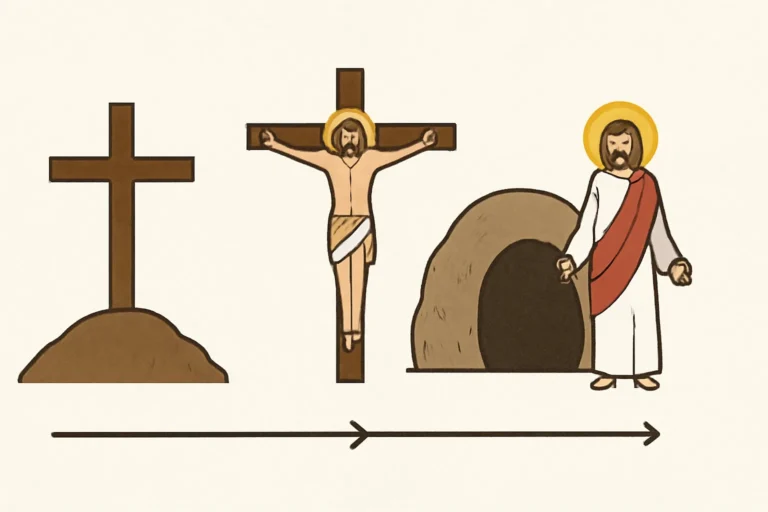
To speak of the Paschal Mystery is to point to the way Christians interpret the events of Holy Week and the Easter event as one coherent saving action. The phrase invites believers to see how the sufferings and triumphs of Jesus are not isolated incidents but a single, salvific work that opens the door to new life for humanity. In practical terms, the Paschal Mystery is a lens through which Christians interpret sin and forgiveness, death and eternal life, suffering and hope, justice and mercy. It is also best understood as an invitation to participate in the life of Christ through faith, baptism, prayer, and mission.
Foundations in Scripture and Early Christian Faith
The Paschal Mystery has its deepest roots in the biblical witness, encompassing both the Old Testament types and the New Testament fulfillment found in Jesus. The use of the term “mystery” in Christian language often signals something that was hidden in the past but is now revealed in Christ through grace.
From the Passover to the Person of Christ
In the Old Testament, the Passover narrative centers on the liberation of God’s people from slavery in Egypt. The annual remembrance of Passover became a powerful symbol of God’s saving acts, the shedding of blood, and the passing from bondage to freedom. Christians read this symbolism as pointing forward to Jesus, the true Passover Lamb whose sacrifice brings liberation not from political oppression alone but from sin and death.
Gospels, Apostolic Writings, and the Early Church
The Gospels present Jesus’ Passion, Death, and Resurrection as a single salvific event that defeats sickness, sin, and the power of death. The Apostolic letters articulate how these events are applied to believers: through faith in Christ, sinners are reconciled to God, made part of a new creation, and called to live in the Spirit. The early Christian communities understood Easter not merely as a single day but as the unfolding of God’s plan that would bring about a transformed world.
Key Components of the Paschal Mystery
Passion and Death
The Passion refers to the suffering and humiliation Jesus endured at the hands of others, culminating in his Crucifixion and death. This phase is not merely a tragic sequence; it is regarded as the decisive act by which Jesus bears the sins of the world, models perfect obedience, and reveals the depth of God’s love.
Resurrection
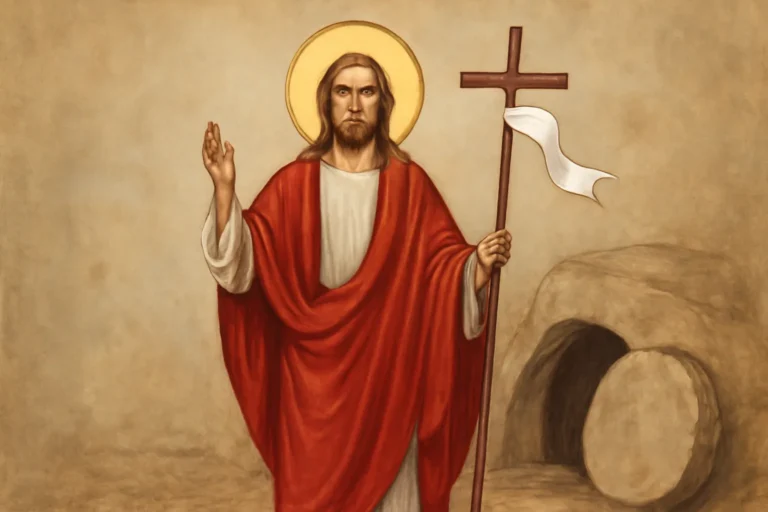
The Resurrection is not simply Jesus rising from the tomb as a solitary miracle. It is the definitive vindication of Jesus’ identity as the Son of God and the Source of new life for all who believe. The Resurrection confirms the truth of Jesus’ teachings, manifests the power of God over death, and inaugurates a new creation that continues to be mediated through the Church.
After the Resurrection, Jesus’ Ascension into heaven marks the completion of his earthly mission while inaugurating a new phase in which he rules as Lord and sends the Holy Spirit to empower the Church. The Spirit’s coming at Pentecost is often interpreted as the fulfillment of the Paschal Mystery in the life of the Church: the risen Christ remains present with his people, guiding, sanctifying, and uniting believers.
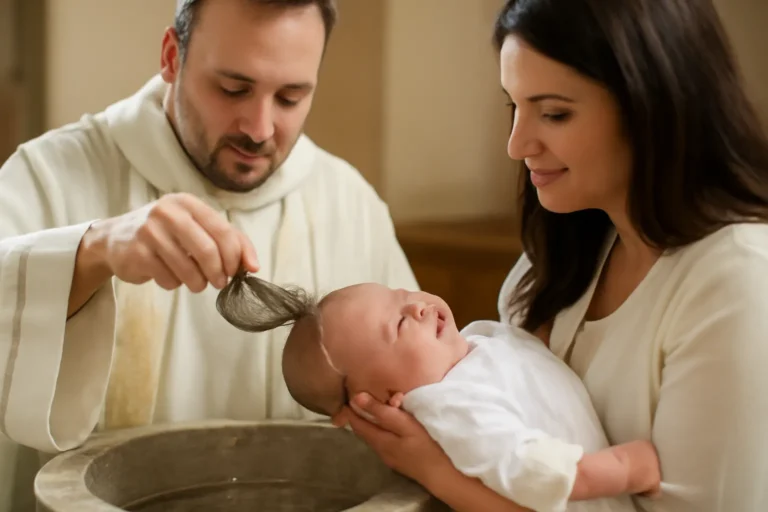
The Paschal Mystery is understood as continuing to work through the sacraments, the Church’s liturgy, and the ethical life of believers. In baptism, believers are joined to Christ’s death and resurrection; in the Eucharist, the faithful participate in the mystery of Christ’s body and blood; in reconciliation, healing and forgiveness are extended; and in a Christian life of service, the world is invited to share in the fruits of Easter.
Theological Significance for Christian Faith
The Paschal Mystery is not a mere set of events but a living framework for how Christians understand salvation. It asserts that God’s love is revealed most clearly in suffering and that life does not end with suffering but is transformed through God’s breakthrough in Jesus. Several theological themes repeatedly surface in Christian teaching about the Paschal Mystery:
Salvation history: God’s saving acts unfold through time, culminating in Christ and continuing through the Church’s witness.
Redemption and reconciliation: humanity is reconciled to God through the forgiveness won by Jesus’ sacrifice.
Victory over sin and death: the Resurrection demonstrates that death is defeated and that eternal life is opened.
New creation: the Paschal Mystery inaugurates a transformed order in which mercy, justice, and peace begin to take root.
Participation by faith: believers are invited to share in these mysteries through faith, baptism, and the life of the Church.
The Mystery is often described as “mysterion” in theological language, a term indicating that God’s saving plan exceeds human grasp yet is made knowable through revelation. The Church proclaims the Paschal Mystery not only as a doctrinal claim but as a reality that compels worship, devotion, and mission.
The Paschal Mystery in Liturgy and Sacramental Life
A distinctive way Christians encounter the Paschal Mystery is through liturgy and the sacraments. The Church’s worship, especially during Holy Week and Easter, places the Paschal Mystery at the center of prayer and ritual. The sacraments are viewed as tangible signs of the invisible grace at work through Christ’s saving act.
Baptism unites believers to the death and resurrection of Jesus, initiating them into a life shaped by the Paschal Mystery.
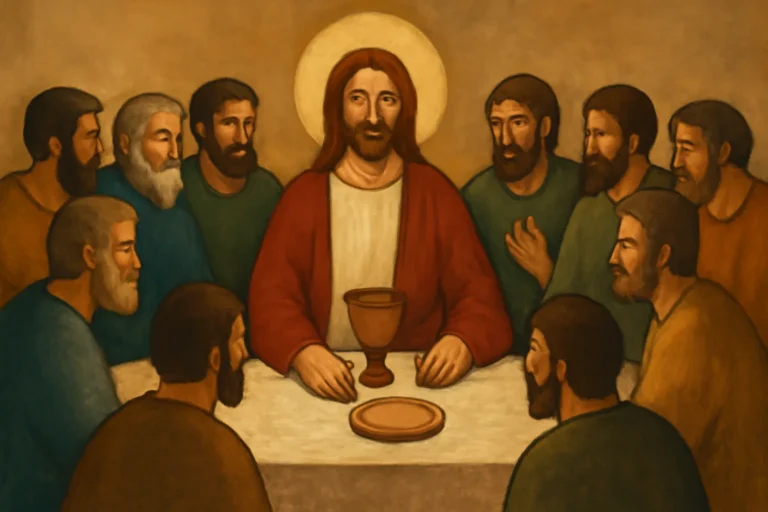
The Eucharist makes present the body and blood of Christ, feeding the faithful with the nourishment of the Risen Christ.
Penance or reconciliation offers the grace of forgiveness as a compassionate restoration.
Anointing of the Sick proclaims God’s healing mercy in moments of illness and vulnerability, reflecting the mystery’s broader reach into human suffering.
The liturgical year itself traces the arc of the Paschal Mystery—from Advent’s anticipation to Lent’s purification, through Holy Week’s intense focus on Jesus’ passion, to Easter’s triumph and the ongoing work of the Spirit in Pentecost. This rhythm helps believers continually renew their sense of being part of a saving drama that is not confined to history but lived out in daily life.
The Paschal Mystery sits at the heart of Christology—the study of who Jesus is. The claim that Jesus is both fully divine and fully human frames how Christians interpret his suffering and victory. The divine identity of Jesus affirms that suffering has meaning within God’s gracious plan, while his human experience makes salvation accessible to all who know him. This dual nature is not a theological ornament; it underwrites the belief that Jesus’ death has infinite value and that his Resurrection confirms the promise of eternal life for all who trust in him.
The Paschal Mystery also deepens the understanding of the Church as the Body of Christ. Believers are drawn into communion with Christ and with one another, sharing in the life of the Spirit and participating in the mission Christ began. In this sense, the Paschal Mystery becomes a shared reality: individual faith is formed and sustained within the community that proclaims and lives out the gospel.
Practical Implications for Believers
Understanding the Paschal Mystery has concrete implications for how Christians live day to day. It shapes ethics, human relationships, and attitudes toward suffering and death. The following points summarize some practical bearings:
Faith and trust: believers are invited to trust in God’s plan even in hardship, recognizing that suffering is not the final word but a passage toward renewed life.
Hope and resilience: the Resurrection offers a hopeful framework for confronting grief, loss, and injustice, with the promise of God’s ultimate triumph.
Mercy and forgiveness: the Paschal Mystery calls Christians to imitate Christ in mercy, offering forgiveness and healing to others.
Mission and witness: a living encounter with the risen Christ moves Christians toward service, evangelization, and solidarity with the marginalized.
Sacramental living: participation in the sacraments becomes a continual renewal of the Paschal Mystery in daily life.
The relationship between personal faith and communal worship is emphasized here: one does not experience the Paschal Mystery in isolation. It is given to the Church, celebrated in worship, and then carried into public life where justice, mercy, and peace are pursued as expressions of the Risen Lord’s ongoing work.
Variations Across Christian Traditions
While the Paschal Mystery remains central across Christian traditions, there are differences in emphasis, language, and theological nuance. These variations reflect the rich diversity of Christian faith communities and their historical contexts.
Roman Catholic Perspective
In Catholic theology, the Paschal Mystery is closely linked to the sacraments, Mary’s role as a witness to the Resurrection, and the universal mission of the Church. The liturgical year—especially Holy Week, Easter, and Pentecost—accentuates the mystery as a living drama in which believers participate through worship, sacramental grace, and charitable works.
Eastern Orthodox Perspective
The Eastern Orthodox tradition emphasizes the mystery as a theophany in which God’s deifying work (theosis) is accomplished through Christ’s victory over death. The liturgical life, iconography, and fasting practices are oriented toward a transformative encounter with the Risen Christ, who makes believers partakers of divine life.
Protestant Perspectives
Protestant communities often highlight the objective work of Christ in the Paschal Mystery—especially justification by faith and grace—while also affirming the ongoing presence of the Spirit in the life of believers. While sacraments are cherished, the emphasis tends to be on the personal response of faith, repentance, and mission in light of Christ’s victory over sin and death.
Despite differences, there is broad agreement on core points: God’s saving action is revealed in Jesus; the events of the Passion, Death, and Resurrection have cosmic significance; the Holy Spirit empowers the Church to live out and propagate this mystery; and believers are called to embody the values of love, mercy, and justice that flow from Easter.
The Paschal Mystery is a complex topic that invites ongoing reflection. Here are some commonly asked questions with concise clarifications:
Is the Paschal Mystery only about Jesus? No. While centered on Jesus, the Paschal Mystery is also about the effects of his saving work in the life of the world, inviting all people to participate in God’s life through the Spirit and the Church.
Does the Paschal Mystery happen only in the afterlife? It begins in history but continues in the present through the Church’s sacramental life and daily witness, bringing about transformation now and into eternity.
How does suffering fit into the Paschal Mystery? Suffering is not meaningless in Christian thought. It is united with Christ’s own suffering, transformed by it, and given meaning through participation in the life of the Risen One.
What is the role of Mary in the Paschal Mystery? Mary is seen as a model of faithful participation in God’s saving plan, especially in the events surrounding the Passion and Resurrection. She is venerated as the Mother of the Church and as a witness to faith in moments of trial.
Historical Synthesis and Personal Faith
The phrase Paschal Mystery captures a synthesis of history, theology, and piety. It is historical in that it refers to concrete events that occurred in first-century Palestine and the early Christian experience. It is theological in that it explains what those events reveal about God, humanity, and the meaning of life. It is pastoral in that it invites believers to respond in faith, hope, and love, letting the Resurrection shape how they live and relate to others.
For Christians, the Paschal Mystery is not a private secret but a public Good News to be proclaimed, celebrated, and embodied. It calls people to conversion, invites them into the life of the Church, and empowers them to participate in God’s mission of reconciliation and renewal in the world.
Continued Reflection and Discernment
Because the Paschal Mystery is inexhaustible in its depth, Christians are encouraged to engage with it in multiple ways: through scripture study, prayer, communal worship, charitable action, and sustained formation in the faith. The mystery invites ongoing discernment about how to live as witnesses to the Risen Christ in a world that longs for justice, peace, and hope.
Whether you are new to Christian faith or seeking a deeper understanding, the Paschal Mystery offers a map for interpreting the events of Jesus’ life and the reality of God’s ongoing saving work. It remains a living encounter—an invitation to encounter the risen Lord, to cooperate with the Spirit, and to participate in God’s great work of healing and renewal in creation.
In summary, the Paschal Mystery is best understood as the unified saving work of Christ—through Passion, Death, Resurrection, and Ascension—and its ongoing application in the life of the Church through the Holy Spirit. It is this mystery that gives meaning to liturgy, sacraments, moral formation, and mission, inviting Christians to live in the joyous liberty of the Gospel.