The phrase seven-year tribulation or 7-year tribulation refers to a future period of intense trials and upheavals described in Jewish and Christian prophetic literature. In Christian eschatology, this era is often associated with apocalyptic chapters in the Book of Revelation and prophetic passages in Daniel and the Gospels. Different interpretive traditions offer varied details about the timing, sequence, and nature of events, but most agree that this window is characterized by escalating conflict, supernatural signs, moral testing, and the ultimate confrontation between cosmic forces and the return of Christ.
In many sermons and study guides, the term is expanded into several related phrases to capture the range of ideas: the tribulation period of seven years, the seven-year crisis, the seven-year judgment, and the time of Jacob’s trouble as some traditions translate related language. Throughout this article, you will see a mix of these expressions to reflect the breadth of scholarly and devotional usage. While there is broad consensus that a climactic period lies ahead, there is less agreement about precise dates, the order of events, or the exact meaning of symbolic imagery. The goal here is to offer a clear, balanced overview that helps readers understand the landscape of beliefs and how believers have historically interpreted these prophecies.
Common Interpretations of the Timeline
Within Christian theology, there are several prevailing frameworks for understanding the seven-year tribulation and its sequence. Each tradition emphasizes different signs, milestones, and timelines, yet all seek to answer a basic question: what will happen, and how should believers respond?
Futurist perspective
The futurist approach views most of Revelation as a prophecy about events that will occur in a future, literal sense. In this view, the Antichrist, the Beast, and the worst phase of suffering unfold during the seven-year period. The sequence typically includes the opening of seals, the sounding of trumpets, and the pouring out of bowls of judgment, culminating in a dramatic return of Christ and the establishment of God’s kingdom. Adherents often harmonize Daniel’s prophecies with Revelation by seeing a continuous arc from a fragile world order to a final, public victory of good over evil.
Historical and preterist perspectives
In the historical or preterist traditions, many prophecies are understood as having already unfolded in past centuries or as symbolic portrayals of ongoing spiritual realities. Proponents may interpret some seals, trumpets, and bowls as depicting cycles of persecution, political upheaval, and spiritual warfare that recur across church history. While these readings can lessen the sense of an imminent, global crisis, they still emphasize the importance of steadfast faith, ethical conduct, and perseverance in the midst of trial.
Other angles and blended viewpoints
There are also hybrid or alternative approaches that combine elements from multiple traditions. Some readers emphasize a pre-millennial, post-tribulational, or amillennial framework, each of which reinterprets the end of history in distinctive ways. The common thread across these viewpoints is the conviction that the period of great testing will require believers to rely on God, examine their commitments, and live with courage and hope, regardless of the precise timetable.
Key structural ideas
Regardless of the school of thought, several ideas recur across analyses: the idea of two distinct halves within the seven-year window (often interpreted as a first phase of relative peace or testing and a second phase of intensified persecution and judgment), the role of a future Antichrist figure and a deceptive political-religious system, the influx of false prophets and signs, and the expectation that Christ’s return will terminate the tribulation and inaugurate divine justice.
Signs That Precede the Seven-Year Window
Many readers find it helpful to parse the prophetic record into observable signs that might indicate the nearing of a climactic period. While no one can predict the exact timing, certain patterns recur in biblical literature and in contemporary exegesis as indicators that the era could be approaching:
Increased wars and political instability around the globe, often described in apocalyptic terms as nations rising against nations and kingdoms against kingdoms.
Famine, economic disruption, and scarcity that affect ordinary life and create a climate of scarcity and anxiety.
Widespread deception and false promises from leaders and movements that claim ultimate solutions but deliver harm.
Religious apostasy and persecution of communities that hold to traditional beliefs, along with intense spiritual challenges for believers.
Natural disasters and cosmic disturbances like earthquakes and unusual weather patterns—images that echo biblical predictions but are not unique to any single era.
Competing claims about peace treaties or covenant arrangements that some traditions interpret as precursors to a rearranged world order.
For many readers, these signs serve as a lens through which to understand current events without claiming certainty about the exact moment of fulfillment. The emphasis in this phase is often on discernment, moral integrity, and hopeful preparedness, rather than alarm or sensationalism.
The Timeline: A Step-by-Step Look at the Seven-Year Sequence
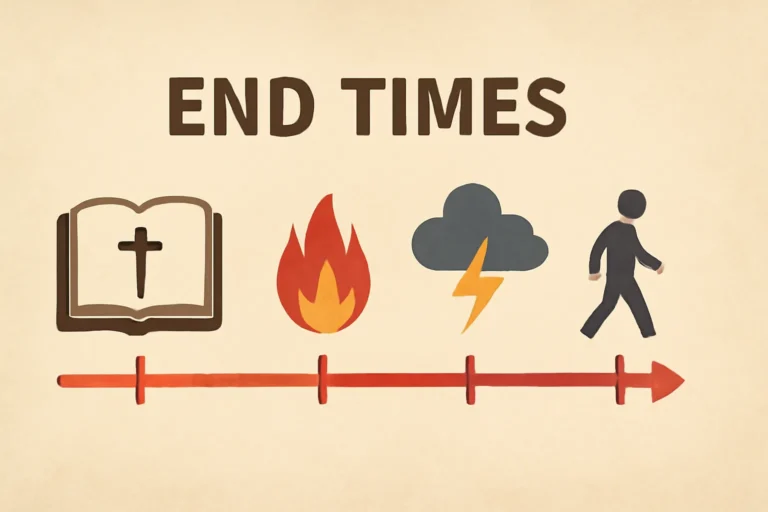
In many futurist and evangelical readings, the seven-year period is divided into two main halves, each about three and a half years long, with a pivotal midpoint marked by an event known as the Abomination of Desolation. The following timeline reflects a common interpretive structure, while acknowledging that other traditions may reorder some events or emphasize different features.
Opening the seals (Revelation 6–7). The first four seals reveal symbolic horsemen—Conquest, War, Famine, and Death—signaling escalating hardship. The subsequent seals emphasize the suffering of martyrs and the divine supervision of the unfolding judgments.
A surge of global instability accompanied by persecution of the faithful. During this phase, many believers face pressure to compromise, while others endure suffering with steadfast faith.
The covenant or treaty phase (often linked to Daniel’s prophecies about a rising political arrangement). In some readings, a temporary peace or protection brokered by a powerful leader sets the stage for further events.
The midpoint event: Abomination of Desolation. A focal crisis marks the explicit desecration of a holy place or a decisive political-religious pivot. This moment is frequently cited as a trigger that intensifies the crisis and shifts the tone of the period into its harsher second half.
Intense persecution and the Great Tribulation (the second half of the seven years). The suffering reaches a peak as deceptive powers consolidate authority and the world tests allegiances to God and to the true witness of faith.
Judgments intensify in the form of trumpet judgments and later bowls, highlighting increasing divine judgment and universal signs that accompany the collapse of hostile systems.
Christ’s return and the defeat of evil. According to many readings, the climactic coming of Christ ends the seven-year window, defeats the Beast and the False Prophet, and ushers in the millennial era or the fulfillment of God’s long-range promises, depending on the interpretive stance.
Inside this framework, several core time markers recur—such as the 1260-day period, the 42 months commonly associated with the reign of the Beast, and the notion that the second half of the tribulation is the era of the greatest pressure on believers. It is important to note that not all traditions accept these exact numbers, but they are widely cited in popular and scholarly discussions as shorthand for symbolic and literal timelines alike.
Seals, trumpets, and bowls: a triad of divine judgments
In many readings the chronology features three successive waves of judgments that intensify as the period unfolds:
Seal judgments introduce the kickoff of the tribulation atmosphere and establish the basic pattern of suffering and divine sovereignty.
Trumpet judgments deepen the crisis with supernatural phenomena and wider effects on the cosmos and humanity.
Bowl judgments deliver the most concentrated and dramatic displays of divine wrath, culminating in cosmic and earthly upheaval.
Key Imagery and Characters in the Tribulation Narrative
A vivid cast of figures and images populate the prophecies surrounding the seven-year window. Understanding these characters helps readers grasp why this period matters for faith communities and personal devotion.
The Antichrist is commonly described as a political-religious leader who embodies ultimate human ambition and opposition to God. In many traditions, this figure is connected with the Beast from Revelation 13, who wields authority, demands allegiance, and performs deceptive signs. The pairing of these characters emphasizes the danger of idolatry and the lure of power that overrides conscience.
The False Prophet is often imagined as a religious counselor who promotes the Beast’s agenda, directs worship, and legitimizes a system of control. This figure highlights the spiritual dimension of deception that accompanies political schemes, mirroring biblical warnings about false teaching and counterfeit spirituality.
Angels, seals, and the 144,000
Significant symbols include special groups like the 144,000 sealed servants who preserve faithfulness during judgment, as well as angels who proclaim messages and carry out particular tasks. These figures underscore that the tribulation is not merely an earthly catastrophe but a cosmic drama in which spiritual forces act decisively.
Christ’s return and the conquering King
At the culmination of the sequence, many readers expect the return of Jesus Christ as a conquering king who establishes justice, defeats evil, and ushers in the fulfillment of God’s promises. This culmination is inseparable from themes of hope, renewal, and divine faithfulness to those who persevere under pressure.
What It Means for Believers Today
For many Christians, the prophetic imagery surrounding the seven-year tribulation serves as a call to living with alert faith, moral courage, and evangelistic urgency. Even if readers differ on timing or symbolism, the broad ethical and spiritual lessons tend to converge: faithfulness under pressure, solidarity with the persecuted, and a hopeful posture regarding God’s ultimate justice.
Spiritual preparedness and daily devotion
Believers are encouraged to deepen their reliance on God through regular prayer, study of Scripture, and communal worship. The tribulation discourse emphasizes perseverance in faith, a robust hope that transcends current circumstances, and a commitment to living out the values of the Kingdom in ordinary life.
Ethical living under pressure
As pressure mounts, moral integrity becomes a distinguishing mark of true faith. The literature associated with the end times often highlights compassion for the vulnerable, mercy in the midst of conflict, and steadfast witness—qualities that shape Christian ethics in any era.
Mission and witness
Some readers connect the tribulation narrative to a renewed sense of mission: sharing hope through auditory and written testimony, supporting involved communities facing real-world hardship, and sustaining a witness that points beyond temporary power to the enduring sovereignty of God.
Hope, not fear
One of the central themes is hope in divine sovereignty. The end goal—whether seen as the establishment of a new creation, the fulfillment of promises, or the victory of Christ—offers encouragement to believers to endure with courage, even when the world seems unstable or hostile to faith.
Historical and Theological Perspectives
Scholars and theologians have long debated how to read prophetic texts and how to apply ancient imagery to modern contexts. A few guiding ideas help readers navigate these debates:
Hermeneutical approaches vary from literal to symbolic readings. Some interpret apocalyptic imagery as describing real events with precise outcomes, while others see much of Revelation as symbolic language about enduring spiritual truths.
Context matters—understanding the original audience, literary genre, and historical situation helps interpret passages about end-time events and avoid anachronistic readings.
Pastorally responsible interpretation emphasizes how beliefs about the tribulation shape present behavior, not just speculative curiosity. The aim is to comfort, admonish, and equip believers for faithful living.
Ecumenical humility acknowledges that differences among traditions are meaningful and invites careful dialogue rather than forceful consensus about every detail.
Historically, views have shifted as Christians have faced different historical pressures. The rise of dispensational premillennialism in the 19th and 20th centuries popularized specific timelines and frameworks, especially in North American evangelical communities. Other traditions, including amillennial and postmillennial readings, emphasize God’s kingdom already present in the church and interpret end-time events as spiritually realized rather than strictly future events. The diversity of perspectives reflects the richness of biblical interpretation while keeping the central call: to be faithful witnesses and compassionate neighbors in every generation.
For individuals seeking to engage with the topic in a constructive, faith-building way, here are approachable paths that honor the complexity of the subject while centering on spiritual formation:
Study the core biblical texts (Daniel, Revelation, Matthew 24–25, 1 Thessalonians 4–5, 2 Thessalonians 2) with reliable study aids. Focus on historical context, audience, and literary genre.
Compare interpretive frameworks by reading introductory surveys that present futurist, preterist, historicist, and idealist readings. Note what each framework emphasizes and where it diverges.
Develop a stable daily practice of prayer, Scripture meditation, and community worship to cultivate resilience regardless of speculative timelines.
Engage in compassionate action by supporting vulnerable communities, promoting justice, and participating in outreach that mirrors the Kingdom values emphasized in prophetic literature.
Maintain critical discernment about sensational claims and sensational media coverage; seek balanced sources and avoid sensationalism that undermines faith or exploits fear.
End-times discussion naturally generates questions and lively debate. Some common questions include:
When will the rapture occur, if at all? Does a pre-tribulation rapture exist, or do other timing models better fit the scriptural trajectory?
Is the rebuilding of a literal temple in Jerusalem necessary for prophecy to unfold? How should readers interpret temple imagery within Revelation and Daniel?
Are current events signs of the near fulfillment or symbolic indicators of spiritual battles? How should Christians interpret geopolitical shifts through a prophetic lens?
What is the relationship between Israel and end-time prophecy? How do diverse theological traditions understand God’s promises to Israel in light of these passages?
What practical steps should believers take today? How can faith communities prepare without succumbing to anxiety or fear?
Across these questions, the most helpful posture is one of careful study, humility, and a shared commitment to love, truth, and service. The aim is not to identify a date on a calendar but to grow in faithfulness to God and compassionate action toward others, especially during times of testing.
Further Reading and Resources
For readers who want to explore the seven-year tribulation topic in greater depth, the following kinds of resources are often helpful. Look for trusted commentaries, accessible surveys, and historical introductions that carefully present diverse viewpoints:
Introductory overviews of biblical prophecy and apocalyptic literature
Commentaries on Revelation and Daniel offering multiple interpretive angles
Balanced studies on eschatology that compare futurist, historicist, preterist, and idealist methods
Articles and sermons from scholars and pastors who emphasize hope, perseverance, and ethical living during challenging times
Note: When researching, prioritize sources that demonstrate careful scholarship, clear methodological assumptions, and an attention to historical context. Readers should approach the material with critical thinking and a stance of respectful dialogue with others who hold different perspectives.
Takeaways for Personal Faith and Community Life
While the exact timetable of the tribulation timeline remains a topic of lively discussion, several enduring lessons emerge that can strengthen faith communities today:
Hope under pressure depends on a robust sense of God’s goodness and sovereignty, which sustains believers through uncertainty.
Steadfast witness is essential—sharing compassion, truth, and justice in a world marked by fear and division.
Discernment and charity should guide conversations about prophecy, avoiding sensationalism while pursuing truth that leads to growth in grace.
Ethical living in the present moment is deeply connected to prophetic themes—caring for the marginalized, pursuing peace, and honoring human dignity.
In sum, the Seven-Year Tribulation and its related imagery invite believers to live with courage, compassion, and hopeful anticipation. Regardless of where one stands on the precise chronology, the overarching call remains consistent: to be faithful, to love neighbor, and to trust in God’s ultimate victory over all that darkens the world.