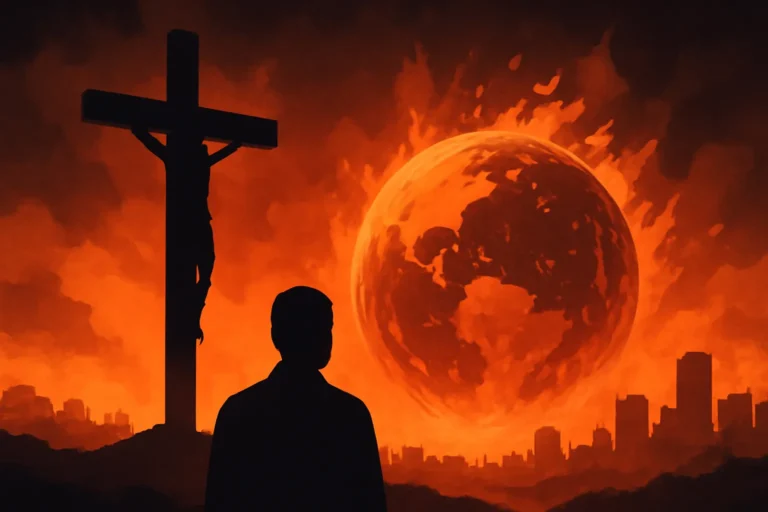
Seven Year Tribulation: A Comprehensive Guide to Its Timeline, Signs, and Biblical Interpretations
For readers seeking to understand biblical prophecy, the concept of a seven-year tribulation appears repeatedly in Christian eschatology. This period is described as a time of upheaval, judgment, and spiritual testing preceding the return of Christ. Because the topic encompasses several different biblical books, historical interpretations, and a broad spectrum of theological viewpoints, it benefits from a careful, structured overview. The following guide explores the timeline, the principal signs and events associated with the final seven-year period, and the diverse biblical interpretations that scholars, pastors, and lay readers have offered across the centuries. While the details vary by tradition, the core idea remains: a distinct, seven-year window that culminates in a decisive confrontation between divine justice and human rebellion.
To navigate the discussions surrounding the seven-year period, it helps to be aware of key terms and how they relate to one another. The language of prophecy is dense and metaphorical, but certain phrases recur with particular clarity:
Daniel’s 70 Weeks — A prophetic timeline found in Daniel 9:24–27, often interpreted as a countdown that culminates in the advent of the Messiah and the events of the end times.
Daniel’s 70th Week — The last week of the 70 weeks, commonly identified with the seven-year tribulation in many futurist readings.
The Great Tribulation — A phrase that emphasizes the intensity and scope of judgment during the latter portion of the period, particularly in Revelation 7–16.
Abomination of Desolation — An event described in Daniel and Jesus’ Olivet Discourse (Matthew 24, Mark 13, Luke 21) signaling a midpoint disruption and intensified persecution.
Antichrist — A figure (or system) associated with political, religious, and spiritual opposition to God, central to many eschatological narratives.
Seals, Trumpets, and Bowls — Symbolic judgments in the book of Revelation that unfold in sequence across the tribulation period.
Rapture — A term used in some traditions to describe the sudden gathering of believers, either before, during, or after the tribulation, depending on the interpretive framework.
Covenant with Many — A key phrase from Daniel 9:27 describing a peace agreement that initiates the final seven years in some interpretations.
The Timeline: Danielic Foundations and the Final Seven Years
Many readers approach the end-times timeline by tying together Daniel’s prophecies with the imagery in Revelation. While there is variation in how scholars parcel out the events, a common outline appears across different schools of interpretation. Here we present a synthesis that highlights the major milestones and where disagreement typically arises.
Daniel 9: The Framework for the Last Week
In Daniel 9, the prophecy speaks of 70 weeks that culminate in a period of focused redemptive work, followed by extended events. The most debated portion is the seventieth week, often identified with the seven-year tribulation. Some readings place this week as a literal seven-year block immediately preceding the messianic reign; others see it as a symbolic period that culminates in a climactic change in the world order.
What Constitutes a “Week”? Timekeeping and Symbolism
In biblical prophecy, a week can be a symbolic unit rather than a strict seven-day period. However, most traditional readings treat the week as seven years, especially when the prophecy is read in a futurist framework. This approach aligns the seventieth week with the chronology of the end times that scholars label the final seven-year period.
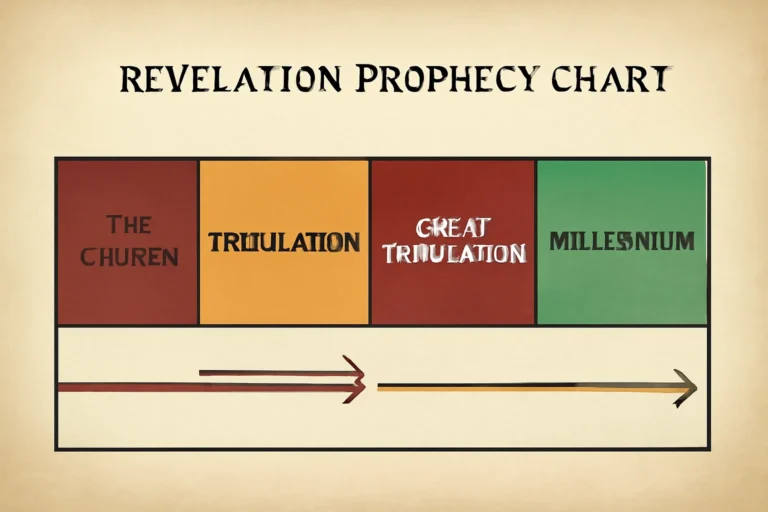
Phases of the Final Seven Years: A Two-Hemisphere View
Across interpretation groups, scholars commonly describe the tribulation as unfolding in two dominant halves, though the language varies. The midpoint, marked by the abomination of desolation, is often highlighted as a turning point from relative deception and persecution to intensified chaos and divine judgments.
First Half: Peace, Covenant, and Rising Tensions
The early years are frequently described as a time when a political or religious covenant with many is enacted, creating a sense of stability or even peace. Proponents of this timeline emphasize:
The establishment or reinforcement of a geopolitical agreement that many interpret as paving the way for a global or regional alignment.
Religious tolerance or reform movements that, from a prophetic perspective, enable a broader system of worship and allegiance.
Growing signs of moral and spiritual compromise in society that set the stage for later trials.
Midpoint: Abomination of Desolation and the Reversal of Calm
At the middle of the seven years, a significant, symbolic event—often labeled the abomination of desolation—is said to trigger a dramatic shift. Key characteristics include:
A decisive act of blasphemy or desecration within a holy space, interpreted by many as signaling intensified persecution.
A dramatic increase in hostility toward faithful communities, including warnings and judgments described in Revelation.
A transition from relative peace to intensified pressure, testing faith, and the narrowing of opportunities for resilience and witness.
Second Half: Persecution, Cosmic Signs, and Final Judgments
The latter half is commonly associated with greater intensity and universal scale. Themes often highlighted include:
Persecution of faithful witnesses and martyrs as the gospel message is proclaimed amid escalating hostility.
Consolidation of political and religious power under a figure often identified as the Antichrist.
A sequence of divine judgments, including the seal, trumpet, and bowl judgments, culminating in cosmic upheavals and the return of Jesus Christ.
Major Signs and Calamities During the Final Seven Years
Many readers look to the biblical record for the kinds of signs that characterize the seven-year period. The following synopsis highlights recurring motifs across scriptural descriptions, while recognizing the interpretive diversity among traditions.
Global unrest and wars that ripple across nations, often paired with rising nationalism and regional conflicts.
Famine and drought, affecting food security and economies, sometimes described as a consequence of environmental disturbances or human misrule.
Pestilence and epidemics that test public health systems and faith communities alike.
Intensified persecution of believers and a clash between the forces of light and darkness as the gospel is proclaimed globally.
Cosmic disturbances in the heavens—unusual celestial activity, darkness, or signs in the sky that carry symbolic meaning for judgment and renewal.
A dramatic rise in false prophets and deceptive teachings that challenge the integrity of the church and the reliability of prophecy.
The assembly of a world-system under a single or narrowly unified leadership—often described as a political-religious consolidation that demands allegiance.
Interpretive Frameworks: How Different Traditions Read the Final Seven Years
Scholars and faithful from various traditions approach the seven-year tribulation with different lenses. Here are the major schools of thought, each with its own emphases and objections.
Pre-Tribulation Rapture
In this framework, believers are taken to be with Christ before the Great Tribulation. Supporters argue that a pre-tribulation event preserves the church from the most intense judgments and fulfills the sense that God spares His people from the hour of testing. Key features include:
A distinct separation between the rapture and the start of the cataclysmic judgments.
A focus on God’s mercy in safeguarding the faithful from the worst phases of the seven-year window.
Interpretive emphasis on the timing of Daniel’s 70th week as primarily future and distinct from the church-age experience.
Another common view posits that believers will face the first half of the seven-year period but will be caught up to Christ at the midpoint, coinciding with the abomination of desolation. Its features include:
A belief that the church endures part of the early judgments but is spared from the most severe portion that follows the midpoint.
An emphasis on prophetic timing tied to the central pivot in Revelation and Jesus’ Olivet Discourse.
Post-Tribulation Perspective
In this view, the church goes through the entire seven-year tribulation and experiences Christ’s return at the end of the period, followed by the Millennium in historicist and some futurist readings. Highlights include:
The return of Christ occurs after the final judgments and the gathering of people from every tribe and tongue.
Continuity of the church’s mission and witness throughout the whole period of trial.
Alternative and Complementary Views
Beyond the three main positions, scholars discuss various nuances, including:
Partial preterism, which locates many prophecies in the first century but retains a future element for the end of the age.
Idealist or symbolic readings that interpret the imagery as timeless spiritual forces rather than specific, literal future events.
Historicist perspectives that map prophecy onto a long sweep of church history, identifying different eras with sections of the prophetic timeline.
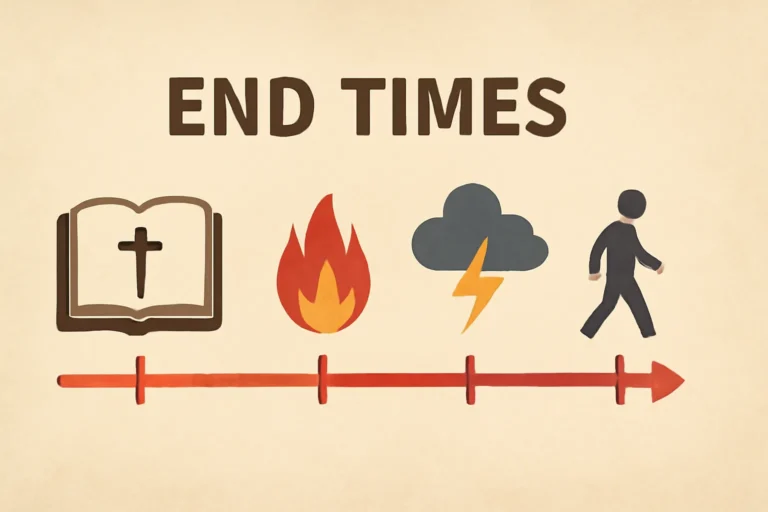
Timeline Scenarios: A Practical Schematic for Study
Because the timeframe is complex and the chronology debated, it can help to visualize a practical schematic that highlights the major landmarks without claiming a single, definitive sequence. The following outline reflects a synthesis used in many seminar and study settings, with clear markers where disagreement tends to occur.
Initiation of the final week — The covenant with many begins, signaling a period of relative stability in the political and religious landscape.
Great deception or spiritual compromise — In the early years, deception, false teachings, and political calculations begin to influence moral decisions and public devotion.
Midpoint disruption — The abomination of desolation marks a decisive turning point, with intensified persecution and a shift in worship and allegiance.
Global judgments — A sequence of divine judgments, often described as seal judgments, trumpet judgments, and bowl judgments, reveals the seriousness of the period and God’s justice.
Persecution and witness — The faithful bear witness under pressure, with martyrdom cited as a recurring motif in the prophetic literature.
Cosmic signs — Astral and natural phenomena accompany the judgments, signaling the seriousness of the hour and the nearness of Christ’s return.
Return and renewal — Christ returns in glory to defeat the forces of evil, judges the nations, and inaugurates the next phase of redemptive history.
Signs and Questions Before, During, and After the Final Seven Years
Readers often want practical guidance about what to watch for and how to interpret the signs. Although much remains a matter of theological interpretation, several themes recur across sources:
Ethical and doctrinal discipline as a test of faithfulness in a time of pressure and dissent.
Public discernment in distinguishing truth from error amid widespread propaganda or spiritual confusion.
Global connectivity and the rapid spread of information, disinformation, and belief systems that claim universal relevance.
The role of Israel in end-times prophecy is a consistent focal point in many timelines, with prophecies interpreted as connecting national events to global judgments.
The centrality of mission and witness: even within trials, many traditions emphasize the call to share the message of hope and repentance.
Common Questions and Debates About the Seven-Year Tribulation
Clear questions often arise for readers new to eschatology as well as for those seeking to reconcile prophecy with history. Here are several frequently asked questions and concise explanations reflecting major positions, not a single authoritative verdict:
Is the church exempt from all tribulation? Some traditions hold to pre-tribulation protection, while others argue for church endurance through part or all of the period.
What exactly triggers the seven-year countdown? In many readings, it hinges on a covenant with many, a peace agreement, or a political milestone that initiates the final seven years described in Daniel and Revelation.
Does the abomination of desolation occur in history or in the future? Debates split along historicist, futurist, and idealist lines, with different texts read as referring to past events, future happenings, or symbolic imagery.
What is the sequence of judgments in Revelation? The canonical sequence is typically presented as seals → trumpets → bowls, though some scholars emphasize literary structure and symbolic meaning rather than a strict chronological timetable.
How should believers apply these prophecies today? Across traditions, the common thread is an appeal to watchfulness, holiness, and steadfast faithfulness, along with a robust emphasis on mission and compassionate action in a broken world.
Even as readers wrestle with the precise timing and sequence, there are practical exhortations that arise from the broader message of the final seven years. These points aim to ground study in spiritual formation and community witness rather than mere speculation:
Maintain biblical literacy and prayerful discernment so that believers can distinguish truth from error without succumbing to sensationalism.
Cultivate ethical steadfastness in daily life, choosing integrity, mercy, and justice even when cultural norms press toward compromise.
Engage in compassionate ministry—care for the vulnerable, support for the persecuted, and outreach that embodies gospel hope to a watching world.
Foster fellowship and accountability within local communities so that believers can stand together during times of testing.
Study the biblical narrative with humility, recognizing that prophecy often uses symbolic language meant to awaken devotion and worship rather than to identify every historical date with precision.
Readers who wish to deepen their understanding of the seven-year tribulation may consider these paths. The goal is to engage with robust scholarship, balanced interpretation, and pastoral wisdom.
Read primary texts in parallel translations of Daniel and Revelation to notice recurring motifs and divergent readings.
Compare major commentaries from different traditions, including Pre-Trib, Mid-Trib, and Post-Trib perspectives, to appreciate how the same texts yield different conclusions.
Examine related passages from Jesus’ Olivet Discourse (Matthew 24–25; Mark 13; Luke 21) for how the timing of end-time events is framed in the Gospels.
Study historical context and church history to see how earlier generations interpreted the prophecies and what questions they raised in their own times.
Balance prophecy study with practical theology—consider how eschatological hope informs worship, ethics, and social action in the present day.
As readers engage with the seven-year tribulation, it is vital to maintain a constructive and respectful posture toward others who hold different interpretations. The subject invites both reverence and critical thinking: reverence for the divine mystery that surrounds divine justice and mercy, and critical thinking about how to apply prophetic wisdom in real life. Whether one leans toward a Pre-Trib, Mid-Trib, or Post-Trib framework, the central call remains: to love God, love neighbor, and participate in the healing work of the world as a faithful witness in times of trial.