Intercessory Prayer Groups: How They Work, Benefits, and How to Start or Join
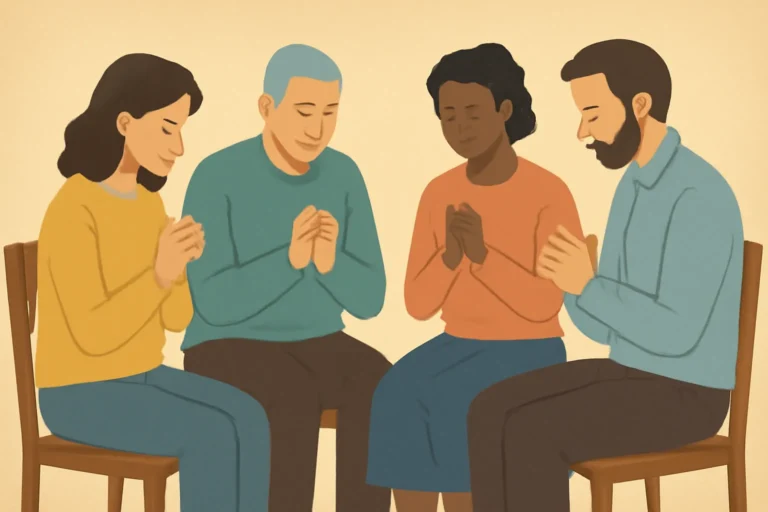
Intercessory prayer groups are communities that come together to offer prayers on behalf of others, often focusing on healing, protection, comfort, or guidance. These groups can take many forms—from intimate circles meeting in a living room to digital networks spanning continents. Throughout this article, we will use variations of the term to reflect the diverse ways people organize, including intercessory prayer circles, prayer teams, prayer ministry groups, support prayer groups, and circle-based supplication.
At their core, intercessory prayer groups are teams that collectively lift others in prayer. The focus is not primarily on the needs of the group members themselves, but on the needs of those outside the group who are experiencing illness, hardship, or significant life transitions. These groups are typically voluntary, confidential spaces where participants agree to hold specific people or situations in prayer over a defined period. They can be ecumenical or aligned with a particular faith tradition, and they often emphasize compassion, humility, and service as guiding principles.
How They Work
Core Principles and Mechanics
Effective intercessory prayer groups operate around several core principles:
Intentionality: Prayer is purposeful and directed toward specific needs or intentions, rather than being generalized.
Consent: The identities and needs of those being prayed for are shared with permission, and participants honor boundaries about what is shared and how plans are communicated.
Accountability: Some groups maintain a small degree of accountability to ensure prayers remain respectful and non-coercive, rather than sensational or burdensome.
Confidentiality: Personal information is kept within the group unless there is explicit consent to share beyond it.
Compassionate presence: The atmosphere emphasizes care, listening, and non-judgment, rather than pressure to experience a particular outcome.
Roles Within the Group
Most intercessory prayer teams have a few essential roles that help sustain the practice:
Facilitator: Guides meetings, sets prayer topics, and ensures that discussions stay respectful and focused.
Note-taker or Coordinator: Maintains a prayer list, tracks updates, and communicates changes to the group.
Gatekeeper or Liaison: Represents the group to the wider community,727 handling consent and boundaries when sharing needs publicly.
Support Members: Regular participants who contribute prayer, encouragement, and practical support where appropriate.
Prayer Methodologies
Groups vary in how they structure prayer sessions. Some common approaches include:
Verbal petitions: Members offer spoken requests during the meeting, either aloud or in a limited, organized sequence.
Written requests: Prayer needs are submitted in written form and then read aloud by the facilitator or a designated reader.
Silent or contemplative prayer: Time is set aside for quiet reflection, listening for guidance, or meditation on the needs at hand.
Remembering in action: In addition to prayer, groups may coordinate practical acts of support or advocacy related to the needs.
Many communities maintain in-person intercessory prayer groups that meet weekly or biweekly. These formats foster direct community connection, allow for quick updates, and create a sense of embodied ritual through shared space, lighting, and ritual elements such as lighting candles or offering a short moment of silence.
Online and Hybrid Groups
In a world with evolving communication technologies, online prayer groups have become increasingly common. They can be fully virtual—conducted via video conferencing—or hybrid, combining an in-person gathering with remote participation. Benefits include accessibility for people with mobility limitations, geographic distance, or irregular schedules. Challenges may include the need for clear etiquette in digital spaces and ensuring everyone has an equal opportunity to participate.
Some groups maintain anonymous prayer lists to protect privacy. Participants submit requests without revealing identifying information, relying on the group to hold the intention in a generalized way. This variation can reduce concerns about stigma and maintain a level of discretion.
Specialized Focus Groups
Intercessory prayer networks may form around specific themes, such as healing prayer, grief and loss, mission and outreach, or community resilience. These focused groups can tailor their language, practices, and resources to particular contexts, while still preserving the core ethos of interceding for others.
Benefits of Intercessory Prayer Groups
Spiritual and Psychological Benefits
Many participants report a sense of meaning, purpose, and connection when they join an intercessory prayer circle. The practice can cultivate hope, provide a framework for processing difficult news, and offer a disciplined outlet for faith in action. Some common inner benefits include:
Increased sense of spiritual support and a belief that one’s prayers are part of a larger purpose.
Enhanced sense of emotional resilience through shared vulnerability and mutual care.
Greater sense of peace and grounding during crisis or grief.
Social and Community Benefits
Intercessory prayer groups often function as micro-communities that promote trust, collaboration, and a culture of service. Benefits can include:
Strengthened social bonds and a sense of belonging.
Creation of an informal support network for caregivers, patients, families, and marginalized individuals.
Increased capacity of churches, temples, mosques, or faith-based organizations to respond to local needs.
Practical and Behavioral Benefits
Beyond emotional and spiritual effects, intercessory prayer groups can motivate practical actions that align with expressed intentions. Examples include coordinating meals for families during illness, offering rides to medical appointments, or organizing informational resources about available services. When executed with consent and respect, these practical expressions of care can reinforce trust between group members and the wider community.
Ethical Considerations and Best Practices
Confidentiality and Boundaries
Because these groups often deal with sensitive information, confidentiality is essential. Participants should agree on what can be shared outside the group and how to handle requests that involve children, sensitive health information, or traumatic experiences. Clear boundaries help prevent potential harm and protect participants’ privacy.
Consent and Autonomy
Always obtain consent for including someone in prayer lists and respect a person’s preference to opt out. Some individuals may appreciate prayers without public acknowledgment, while others may desire visible support. The group should honor these differences and maintain a non-coercive atmosphere.
Respectful Communication
In discussing needs, avoid sensational language or judgment about circumstances or beliefs. The culture of intercessory prayer should be compassionate, nonjudgmental, and focused on dignity and hope rather than fear or guilt.
Potential Risks and Sensitivities
Be mindful of emotional triggers, especially around illness trajectories or life-threatening conditions. If a member experiences burnout or distress, the group should encourage professional support and provide space to pause or reframe the format as needed.
How to Start Your Own Intercessory Prayer Group
Assess Your Context and Intent
Before launching a prayer circle, clarify the purpose, the scope of prayers, and the ethical guidelines. Consider questions such as:
What is the primary focus of the group (e.g., healing, comfort, discernment, community outreach)?
Who is eligible to participate, and how will invitations be extended?
What boundaries will govern the sharing of personal information?
How will the group handle confidentiality, consent, and opt-out options?
Define a Practical Plan
A simple plan can help a new group become more durable. Consider these steps:
Choose a regular meeting rhythm (weekly, biweekly, or monthly).
Decide on a meeting format (in-person, online, or hybrid).
Establish a prayer list management process (how requests are received, stored, updated, and closed).
Set expectations for participation, attendance, and mutual support.
Invite individuals who share a genuine interest in serving others through prayer. A thoughtful onboarding process helps new members understand the group’s values and practices. Consider providing:
A short orientation document outlining the goals, confidentiality policy, and meeting structure.
An initial practice session to familiarize newcomers with the group’s format.
Opportunities to observe before actively participating to ease new members into the dynamic.
Publicly announce the group’s existence through community bulletins, church or synagogue newsletters, or local social media channels. Be clear about:
Location, time, and access (parking, virtual platform, accessibility considerations).
The group’s scope, including any inclusivity statements or denominational alignment.
How to submit a prayer request and how to contact a facilitator.
How to Join an Existing Intercessory Prayer Group
Find a Group That Fits Your Values
Look for groups that align with your spiritual or ethical preferences. This might mean seeking groups within a particular faith community, a secular context with compassionate intent, or interfaith settings that honor different traditions.
Ask the Right Questions
Before committing, you may want to inquire about:
What is the group’s primary focus and prayer method?
What are the confidentiality policies and boundaries?
What is expected of participants in terms of time, energy, and contributions?
How are updates on prayer needs communicated, and who has access to them?
Prepare for Your First Meeting
Consider bringing a way to articulate your needs concisely, and be ready to listen. Be open to the group’s process, and share a little about your own intentions for seeking intercession. You may also wish to ask about optional roles you could adopt, such as keeping the prayer list, offering a closing blessing, or coordinating support outside of prayer sessions.
Best Practices for Sustained Practice
Consistency and Reliability
Regular attendance builds trust. Consistency helps group members feel that their intentions are valued and taken seriously. Even when life gets busy, a brief note or a scheduled rotation can keep the practice from fading away.
Respectful Listening and Presence
One of the most important skills in these circles is intentional listening. Members should practice presence, allowing others to share without interruption, and offering reflections that are empathetic and nonjudgmental.
Adaptability and Growth
As needs evolve, the group may adjust its focus, cadence, or format. Embracing flexibility, while maintaining core values, helps ensure relevance and longevity.
Documentation and Accountability
Keep a simple, respectful record of prayer needs and outcomes. This should be stored securely and shared only with consent. Periodic check-ins about how the group is functioning can prevent drift and miscommunication.
Interfaith and Cross-Tradition Intercessory Groups
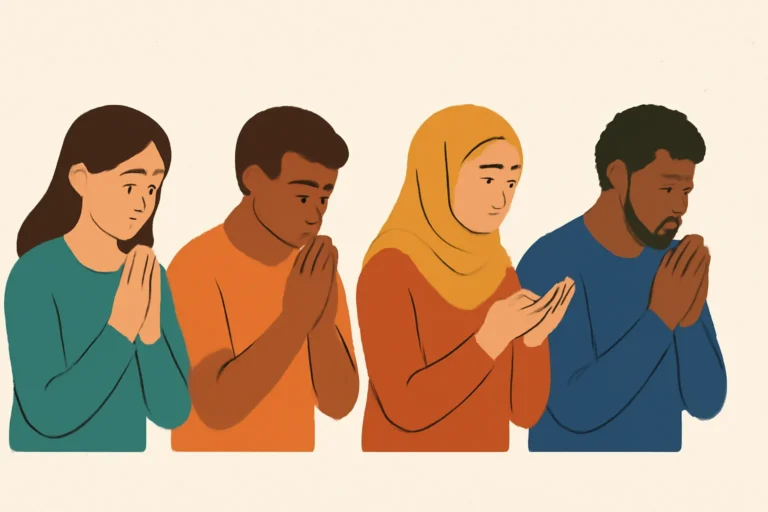
Intercessory prayer organizations can function across religious lines, emphasizing common human experiences such as healing, comfort, and hope. In interfaith contexts, groups may curate inclusive language, acknowledge diverse beliefs, and focus on shared values like compassion, empathy, and dignity. These groups can broaden perspectives, deepen mutual respect, and demonstrate how prayer and spiritual care are universal concerns beyond doctrinal boundaries.
Digital and Remote Intercessory Groups
For some communities, remote prayer groups enable participation from people who cannot gather in person. They may use chat rooms, secure video conferences, or dedicated apps to coordinate prayers and share updates. Important considerations for digital formats include:
Ensuring privacy and security of prayer requests and personal information.
Setting clear guidelines for online etiquette to maintain a respectful atmosphere.
Providing accessible alternatives for participants who encounter technical barriers.
Common Misconceptions and Clarifications
Myth: Intercessory prayer groups guarantee outcomes
Reality: While many participants perceive a sense of divine care and spiritual support, most groups acknowledge that prayer aims to align hearts and actions with what is good and healing, rather than guaranteeing specific results. The value often lies in participatory prayer, mutual care, and the sense that no one faces hardship alone.
Myth: It’s only for people with strong faith
Intercessory prayer groups can include people at various stages of belief, doubt, or spiritual exploration. The essential ingredient is intentional compassion and a willingness to uphold others in their struggles.
Myth: Sharing needs always leads to a crisis of privacy
With well-defined boundaries and consent practices, sharing needs can be empowering rather than risky. Many groups emphasize that only information participants approve for sharing should be discussed, which fosters trust and safety.
Frequently Asked Questions
What makes an intercessory prayer group different from a support group?
While both can provide emotional support, an intercessory prayer group centers around a structured practice of praying for others’ needs, often with spiritual or religious framing. A support group might focus more on shared experiences, coping strategies, and practical resources without a formal prayer component.
Is participation confidential? What about sharing updates publicly?
Most groups commit to confidentiality within the circle. Public updates or sharing beyond the group should be done only with explicit consent from the person who requested prayers. Clear written or verbal agreements help minimize surprises or discomfort.
How can I assess whether joining a prayer group is right for me?
Consider whether you want to contribute through prayer, whether you can commit to the meeting cadence, and whether the group’s values align with yours. If you’re unsure, you might attend as an observer or discuss expectations with the facilitator before committing.
Measuring Impact and Accountability
For groups seeking to remain meaningful and responsible, simple, qualitative indicators can help:
Participant satisfaction and sense of belonging.
Consistency in meeting attendance and participation.
Feedback about how the group’s prayers have intersected with real-life support or changes in the lives of those prayed for (with consent).
Some groups also consider ethical impact—whether the practice fosters dignity, respects autonomy, and avoids coercive or sensational rhetoric. Periodic reflection on these questions helps sustain integrity over time.
In Practice: Realistic Expectations
People join intercessory prayer groups for different reasons. Some seek spiritual nourishment, others desire a sense of community resilience, and many want to contribute to others’ wellbeing in a structured, meaningful way. It is important for prospective members to align their expectations with what the group can realistically offer, including the cadence of meetings, the scope of prayers, and the level of personal disclosure that feels appropriate.
A Note on Language and Inclusion
As with many spiritual communities, language matters. Framing needs and intentions with care to avoid implying a specific outcome, dosage of faith, or obligation to adhere to a particular belief system can help ensure that intercessory prayer circles remain welcoming. Using inclusive language and offering options for non-religious participants to engage in compassionate care may broaden participation while preserving the core practice of interceding on behalf of others.
Key Takeaways
Intercessory prayer groups bring people together to pray for others, often focusing on healing, comfort, and guidance.
There are many formats, including in-person circles, online groups, and hybrid models.
Core practices emphasize intentionality, consent, confidentiality, and nonjudgmental presence.
These groups can offer spiritual, emotional, and social benefits, while requiring careful attention to ethics and boundaries.
Starting or joining a group involves thoughtful planning, clear guidelines, and a commitment to sustained, compassionate care.
Resources and Further Reading
For those interested in exploring intercessory care further, consider the following avenues:
Local houses of worship often publish contact information for prayer groups or pastoral care circles.
Community centers and nonprofit organizations may host intercessory prayer sessions as part of spiritual care programs.
Books and articles on spiritual caregiving and pastoral prayer can provide historical context and practical guidance.
Online directories and faith-based networks sometimes list prayer circles or support prayer groups by location or focus area.
Ultimately, intercessory prayer groups are about shared hope, mutual care, and the belief that community support can accompany people through difficult journeys. Whether you are looking to start a new circle, join an existing one, or simply learn more about how these groups function, you can approach the process with humility, curiosity, and a respectful commitment to the wellbeing of others. By honoring boundaries, practicing attentive listening, and maintaining clear, compassionate intent, intercessory prayer groups can remain a meaningful and sustaining practice for individuals and communities alike.