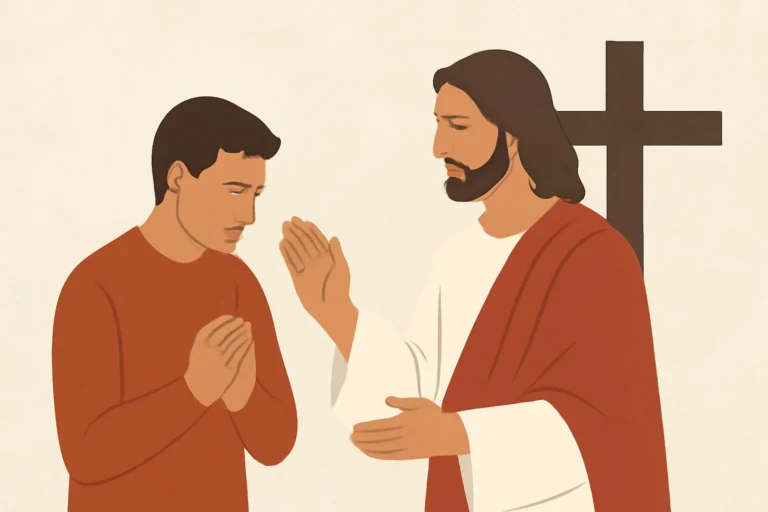
What the Bible Means by the Discipleship Definition Bible
When people ask for a clear biblical definition of discipleship, they are seeking more than a label. They want to know
what it means to follow Jesus in everyday life, to learn from him, and to invest one’s life in helping others follow him too. In
its simplest form, discipleship in the Bible refers to a relationship-centered process by which a learner (a
disciple) grows in faith, obedience, character, and mission as they imitate Jesus and train others to do the same. The phrase can
be broadened in several ways—yet remains intimately centered on Jesus as the source of life, truth, and direction.
This article offers an expansive look at the topic, using variations of the phrase discipleship definition Bible to
navigate scriptural evidence, practical application, and enduring significance. It seeks to answer questions like: How does the
Bible define a disciple? What does it mean to be a disciple who makes more disciples? And why does this matter for churches,
families, and individual followers of Christ today?
The biblical definition of discipleship and related concepts
At its core, biblical discipleship is not merely information transfer; it is a transformative relationship where a
learner commits to Jesus, submits to his teaching, and then helps others submit to him as well. The concept
is tightly linked to the call to be a learner, a follower, and a planter of faith who multiplies disciples in
communities. Because the Bible speaks of both following and teaching, a robust discipleship definition Bible
includes elements of allegiance, learning, obedience, and intentional reproduction.
Core components of biblical discipleship
Following Jesus as the path
A foundational element of discipleship definition Bible is simple but costly: a person commits to follow Jesus
wherever he leads. Following Jesus means aligning every area of life with his authority—trusting his words, obeying his commands,
and seeking his heart in decisions big and small. This is an ongoing process rather than a one-time event.
Learning from Jesus and imitating him
The model for discipleship in scripture is apprenticeship. Jesus invites disciples to listen,
observe, and imitate him—learning how to read the Bible, how to respond to people, and how to live with grace and truth.
The aim is not merely to acquire information about Jesus but to become more like him in character, posture, and love.
Transformational obedience and mission
In a robust definition of discipleship from Scripture, obedience is not legalistic rule-keeping but a grateful response
to God’s grace. Discipleship culminates in mission: to bear witness to Jesus, to demonstrate the kingdom through acts of love and justice,
and to invite others into a saving and transformative relationship with Christ.
Community life and multiplication
The Bible presents discipleship as communal. Jesus trained a group of students who then reproduced themselves by forming more
learners. A complete picture of discipling according to the Bible includes mentoring, accountability, shared
practices, and the responsibility to raise up leaders who will continue the cycle of training others.
How Jesus modeled discipleship and why it matters
Jesus’s earthly ministry provides the clearest and most practical portrait of discipleship definition Bible.
He invited ordinary fishermen, a tax collector, and others to follow him, promising life and purpose beyond anything they had
known. He taught with authority, demonstrated mercy, and confronted injustice. He delegated leadership, entrusting
responsibilities to his apprentices so they could extend the work after his ascension.
Invite and invest: Jesus invited people into his life and then invested in them for the long term.
Teach through proclamation and demonstration: He taught with parables, explanations, and living examples of Kingdom life.
Model and multiply: He lived in a way that others could imitate, and he trained them to reproduce that pattern.
Send and empower: The mission did not end with the crowd; it moved forward as the disciples carried the message to others.
This pattern—call, train, empower, reproduce—forms the backbone of what many theologians and pastors mean by the disciple-making
in the Bible framework. It emphasizes that discipleship is a dynamic, ongoing relationship rather than a static class or
a checklist of do’s and don’ts.
Discipleship vs. evangelism, church membership, and spiritual formation
A common confusion is the relationship between discipleship definition Bible and other Christian aims such as
evangelism, church membership, or spiritual formation. While these dimensions are interconnected, they describe distinct
emphases:
Evangelism is about calling people to believe the gospel and become followers of Christ. It is the doorway that leads
someone into discipleship.
Church membership denotes belonging to a local community of believers who commit to mutual accountability,
support, and collaborative mission. Discipleship flourishes in accountable community, not in isolation.
Spiritual formation refers to the inner work of the Spirit shaping one’s desires, affections, and habits according
to Christ. Discipleship provides the means by which spiritual formation is pursued in everyday life.
A helpful way to phrase this is: discipleship definition bible includes following Jesus, learning his ways, obeying his
commands, and reproducing that pattern in others—often in the context of gospel-centered communities that nurture and equip
people for ongoing ministry.
Discipleship disciplines and practices that shape daily life
Real-life discipleship occurs through regular disciplines that align a person with Jesus over time. The Bible expects
believers to cultivate practices that nourish faith, hope, and love, and to extend these practices to others in
mentorship or family-like relationships.
Bible study and Scripture meditation: Deep engagement with God’s Word helps a disciple know truth, discern truth’s application, and form a worldview aligned with God’s Kingdom.
Prayer and dependence on God: Regular conversation with God sustains humility, obedience, and intimacy with the Father.
Fellowship and accountability: Meaningful relationships provide encouragement, correction, and shared mission. Mentors and peers sharpen one another.
Service and mission: Discipleship grows strongest as learners bear witness to the gospel through acts of mercy, justice, and service.
Spiritual disciplines in a broader sense (fasting, worship, confession, generosity) cultivate heart transformation and trust in God’s provision.
In practice, a robust biblically informed plan for discipling others according to the Bible includes regular
teaching, practical projects, and opportunities for learner-mentors to practice leadership. It also recognizes that
discipleship is generational—each generation mentoring the next and expanding the reach of the gospel.
Who participates in biblical discipleship?
The biblical model sees discipleship as a communal venture with multiple roles. Some people are called to be
primary learners who sit under sound teaching and authentic mentorship; others are gifted as mentors or spiritual parents
who invest in younger believers. The Bible also highlights the role of the church as a whole in supporting and sustaining
this process.
Mentor or spiritual father/mother: An experienced Christian who models the life of faith and trains others to do the same.
Learner or disciple: A person who commits to follow Jesus, absorb his teachings, and practice what they learn in daily life.
Peer discipleship: A reciprocal relationship among equals who encourage one another, share accountability, and practice mission together.
Church leadership: Pastors, elders, and ministry leaders who design, teach, and equip the community for sustained disciple-making.
The definition of discipleship from the Bible therefore includes a network of relationships, structures, and
practices designed to help individuals become more like Jesus and to mobilize them to help others become like him as well.
Discipleship in the Old Testament and New Testament perspectives
Although the phrase “discipleship” is more explicit in the New Testament, the Old Testament sets many of the same expectations
through covenantal relationships, instruction, and mentorship. Figures like Moses and Joshua illustrate how leaders train
successors and transfer authority and wisdom. In the New Testament, Jesus’s commissioning of his disciples makes it explicit
that the goal of training is to multiply: “Go and make disciples of all nations” (often cited as a battleground for the disciple-making
in the Bible mandate). The apostles then develop mentoring relationships, church planting, and instruction aimed at producing
mature, mission-focused followers.
The biblical definition of discipleship thus spans both Testaments: it is a relational, gospel-centered
formation that culminates in mission, leadership development, and the expansion of God’s Kingdom through reproducing
disciples who teach others to observe all that Jesus commanded.
Practical steps for growing as a disciple today
If you want to cultivate real biblical discipleship in your life or within a church setting, here are practical steps
that align with the definition of discipleship from the Bible:
Clarify the core identity: Revisit your understanding of where your life stands with Christ. Are you a learner
who surrenders to Jesus’s lordship and seeks to reflect his character?
Find a reliable mentor: Seek a mature believer who can teach, correct, and encourage you over time. Build a
relationship that emphasizes regular, honest conversation, prayer, and study.
Engage in regular Bible study: Dedicate time to read the Word with a plan, ask God to reveal truth, and apply it
to your daily decisions.
Practice spiritual disciplines together: Join with others for prayer, fasting, worship, and service projects
that shape your heart toward God and neighbor.
Live on mission: Look for opportunities to share the gospel, serve the poor, and demonstrate the Kingdom through
tangible acts of love and justice.
Mentor others: As you grow, invest in others who are younger in the faith. Teach them to follow Jesus, study the
Bible, and cultivate a life of obedience that multiplies.
Evaluate and adjust: Periodically review your progress with a trusted mentor. Adjust goals, rhythms, and commitments
to stay faithful and fruitful.
A practical path to biblical discipleship also includes partnerships with a local church and involvement in smaller communities
where life-on-life accountability can occur. The aim is not merely to accumulate knowledge but to become someone who embodies
the ways of Jesus and who can responsibly expand that influence to others.
Common challenges and misconceptions about discipleship
Like any robust spiritual discipline, discipleship definition Bible faces common obstacles. Understanding these
helps believers pursue a healthier and more faithful path:
Reductionism: Reducing discipleship to a class, a program, or a checklist can rob it of its relational depth.
Individualism: Treating discipleship as an individual project apart from community misses the
biblical emphasis on mentorship, accountability, and shared mission.
Compromise with culture: Pressure to conform to secular norms can erode the radical costs and commitments of following
Jesus.
Burnout: Without sustainable rhythms, leaders and learners alike can burn out. Healthy discipleship requires
boundaries, rest, and ongoing encouragement.
The biblical concept of being a disciple requires patience, humility, and grace. Progress is often incremental,
but the trajectory is toward greater likeness to Christ and greater effectiveness in making more disciples.
Discipleship outcomes and markers of growth
How do you know if you are living out a robust discipleship definition Bible? Several indicators often appear
in healthy disciple-making contexts:
Growing love for Jesus: A clear increase in devotion, obedience, and longing to please him.
Transformational character: The fruit of the Spirit—love, joy, peace, patience, kindness, goodness, faithfulness,
gentleness, and self-control—becomes more evident in daily life.
Scriptural literacy: A disciple can read, interpret, and apply the Bible with growing accuracy and confidence.
Mentor-mentee multiplication: Disciples become mentors and raise up others who also become effective disciple-makers.
Missional focus: The disciple participates in Christ’s mission, serving others, sharing the gospel, and seeking justice.
In short, the outcomes of true discipleship align with the intent of the Bible’s discipleship definition: an ever-deepening
relationship with Christ that yields life transformation and a multiplying impact on others.
Discipleship as lifelong formation, not a one-time event
It is essential to understand that biblical discipleship is a lifelong process. Turning to Jesus deeply and consistently
requires daily repentance, continuous learning, and ongoing obedience. A person may start as a learner and gradually
become a teacher and a guide for others. The process is ongoing until the believer experiences final restoration in God’s
presence, or until Jesus returns.
The discipleship definition Bible emphasizes formation in the heart and mind rather than mere
outward conformity. Spiritual formation includes values, desires, and affections—what we love, crave, and pursue
daily. The goal is a resilient faith that sustains through trials, sustains generosity, and sustains hope in God’s promises.
Putting it into practice in a local church or community
Churches operate best when they clearly articulate a biblical definition of discipleship and align
their programs around it. This means:
Clear teaching on what it means to follow Jesus and make disciples.
Intentional mentorship structures that pair seasoned believers with newer believers.
Missional opportunities that invite learners to serve, evangelize, and demonstrate the gospel in public life.
Accountability groups where individuals regularly check in on growth in character, obedience, and mission.
Leadership development pathways to identify and equip new leaders who can sustain disciple-making across generations.
When a church embodies these practices, it embodies the discipleship definition Bible in a community-wide way,
nurturing a culture where every believer is both a learner and a trainer of others.
Frequently asked questions about biblical discipleship
Here are concise answers to common questions that people ask when exploring a definition of discipleship from the Bible:
Is discipleship primarily about knowledge? No. It is about transformative relationship with Christ that expresses itself in obedience and love, and it includes growing knowledge of Scripture as a means to live out that obedience.
Can I be a disciple without a mentor? While a personal mentor is highly beneficial, biblical discipleship often happens in the context of community.
A learner can still pursue growth by regularly engaging in Scripture, prayer, and service, while seeking mentors and peers.
What is the goal of making disciples? The goal is to multiply faithful followers who can themselves mentor others, expanding the reach of the gospel and
strengthening the church’s ability to nurture holiness, wisdom, and mission.
How long does discipleship take? It is a lifelong journey that begins with faith and continues through sanctification,
leadership development, and broader gospel impact.
Closing reflections on the enduring value of biblical discipleship
The discipleship definition Bible remains compelling because it weaves together devotion to Christ, careful
teaching, and active life together in mission. It challenges believers to pursue depth in their relationship with
Jesus while intentionally expanding their influence so others can also know him and become his followers. In a world
that often chases quick solutions, biblical discipleship offers a patient, ancient, and transformative path—one that
invites ordinary people to participate in extraordinary work: bearing witness to Christ, forming communities that reflect the
Kingdom, and raising up the next generation of disciple-makers.
If you are exploring how to implement this approach in your own life or church, begin by asking: Who can I learn from,
and whom can I invest in? What practical steps can I take this month to grow as a follower of Jesus and help another
person grow too? Remember the enduring invitation of Jesus to turn, follow, and reproduce—because the heart of
biblical discipleship is not a program but a way of life that continually points to Jesus Christ as the source of life and the
hope of the world.