Significance and meaning of prayer at the Western Wall
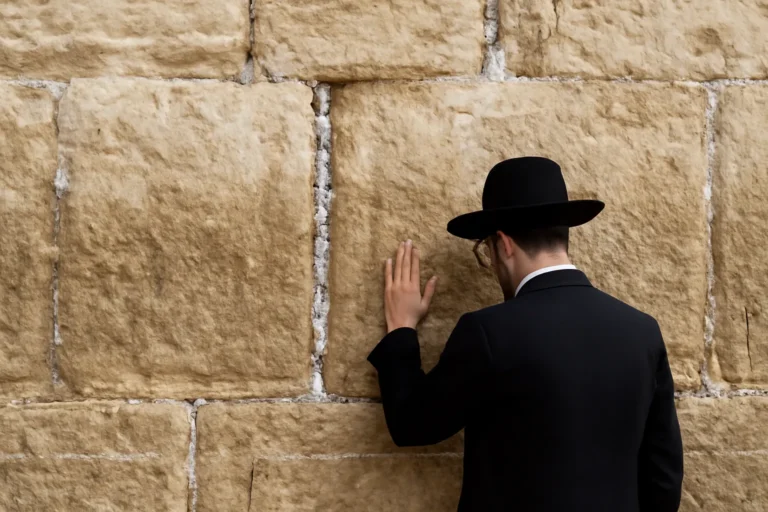
The practice of prayer at the Western Wall—often called the Kotel—has become one of the most recognizable expressions of Jewish devotion in the modern world. This site, situated in the Old City of Jerusalem, is not merely a tourist landmark; it is a living locus of history, faith, and personal longing. For many, the Western Wall prayer embodies a direct, visceral link to the ancient Temple era, even as visitors from around the globe come with modern hopes, petitions, and moments of quiet reflection. In this sense, prayer at the wall transcends time: it blends ancient ritual with contemporary intention, creating a place where individual voices join a long, ongoing chorus of supplication.
When people speak of prayers at the Western Wall, they may be describing a personal moment of supplication, a family petition, a transformative pilgrimage, or a quiet act of emotional release. The site is often described as the holiest accessible prayer place for Jews, and many visitors feel a powerful sense of continuity as they approach the stones. The term Wailing Wall—an older, Christian-era designation—appears in historical texts, but today’s understanding emphasizes reverence, sanctity, and responsibility to treat the area with care. This article explores why the wall matters and how to engage in deriving meaning from prayer at the wall in a respectful, informed way.
Historical and spiritual context
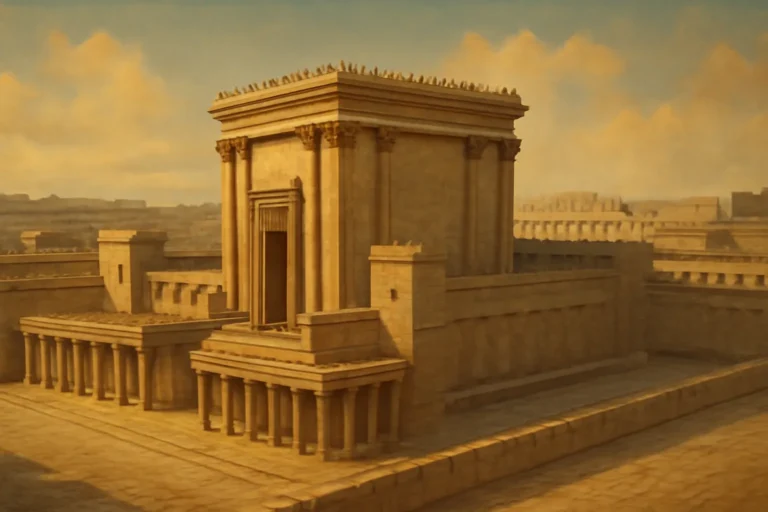
To appreciate the Western Wall prayer in its full depth, it helps to understand the wall’s historical frame. The Western Wall is a part of the retaining walls of ancient Jerusalem’s Temple Mount complex. It is the closest public retaining structure to the Holy of Holies that remains largely intact from the Second Temple period. For centuries, Jews have faced toward this site in prayer, seeking a sense of proximity to the Divine presence that the Temple once embodied. The wall’s endurance through centuries of upheaval has made it a powerful symbol of continuity, return, and national memory.
The significance of praying at the wall is not only historical; it is also deeply spiritual. Many people describe an almost palpable sense of connection—across generations—to prayers that might have been spoken here long ago. For others, the wall represents a space where private hopes can be voiced in the presence of a shared sacred geography. The phenomenon of leaving written prayers inside the crevices—often in the wall’s tiny gaps—has become a globally recognized practice. The practice itself—placing notes at the Kotel—is a personal ritual that accompanies the larger communal experience of prayer at this site.
Where to pray: the plaza, spaces, and layout
The Western Wall plaza is a broad, open area that leads toward the stone face of the wall itself. Visitors typically encounter two main zones:
The men’s section and the women’s section, separated by a physical mechitza (divider). This arrangement reflects traditional practice and helps maintain a focused, prayerful environment for each gender group.
Public and private prayer spheres within and around the wall, where individuals, families, or small groups gather to pray, meditate, or study a brief passage from scripture.
Within the broader plaza, dedicated space often includes a level area near the wall itself where people may stand, read from a prayer book, or quietly recite personal pleas. The proximity to the ancient stones invites a sense of immersion, yet visitors should remain mindful of etiquette and the needs of others who are praying.
Access to the Western Wall is generally straightforward for visitors who respect the modesty and decorum expected at a holy site. If you are arriving with a group, consider coordinating with a tour guide or a synagogue to understand the specific rules that may govern your visit. The plaza is largely open, and in most cases it remains accessible during daylight hours, though procedures can vary on Shabbat and on Jewish holidays. For many travelers, arriving early in the morning or later in the evening offers a quieter atmosphere and a more intimate window for personal prayer.
Rituals and forms of prayer at the wall
A visit to the Western Wall can accommodate a spectrum of prayer styles, from private supplication to communal liturgy. Those who travel to Jerusalem to engage in the Western Wall prayer may bring a siddur (prayer book) or rely on spontaneous, heartfelt language. There is no single prescribed format required to pray at the wall; rather, the space invites personal expression alongside traditional prayers.
Personal prayers or supplications: Individuals often speak in their own words, offering gratitude, requests for healing or protection, or petitions for family welfare. The wall serves as a receptive surface for sincerity and quiet persistence.
Liturgy and reading: Some visitors recite specific prayers or psalms. In certain seasons, organized services may occur in designated areas, especially during holiday periods when communal prayer is more prominent.
Tefillin and tallit: Many men wear tefillin during morning prayers at the wall, and some men and women wear tallitot or shawls as part of their ritual attire. It is common to observe a mix of traditional garb and more contemporary attire among visitors, but modest dress remains important in the space.
Notes and petitions: A distinctive practice at the Kotel is the insertion of small notes with prayers into the wall’s crevices. While the notes are not a formal religious ritual required by all, they have become a meaningful, widely observed way to articulate hopes privately and to participate in a shared custom.
Etiquette and codes of conduct for visitors
Engaging in prayer at the Western Wall with respect requires some awareness of etiquette. The following guidelines help ensure that you honor the sacred nature of the site and honor the needs of others who are there to pray.
Dress code and appearance
Modest attire is expected. For men and women alike, clothing should cover shoulders and knees. Sleeveless tops, crop tops, and short skirts or shorts are discouraged in most circumstances.
Hats and head coverings: It is customary for men to wear a kippah (yarmulke) or other head covering, especially in the men’s section. Some women also wear head coverings, though it is not universally required for visitors.
Tallit and tefillin: If you are observing a morning service or have a personal practice involving a tallit or tefillin, you may bring them, but be mindful of-space constraints and the comfort of others around you.
Behavior and decorum
Speak softly and avoid loud conversations. The wall is a place for quiet reflection and private prayer.
Respect the mechitza: The divider between sections is a place of ceremonial importance. Do not lean on or tamper with the barrier, and be mindful of those who are praying on the other side.
Avoid disruptive activities: Photography and video are often permissible in many areas, but be considerate of people who are praying or reading. When in doubt, ask for consent or refrain from taking intrusive shots.
Keep the space clean: Do not leave trash or personal belongings behind. Respect the sanctity of the stones and the area around them.
Interactions with others
Respect personal prayer time. If someone nearby is praying aloud or reading a sacred text, allow them space and time to complete their devotion.
Ask before offering blessings, readings, or guidance. Many people visit the wall for personal reasons and may seek a moment of private connection rather than a conversation.
Be mindful of religious practices—such as the placement of items on the wall or the handling of sacred objects—and follow local guidance if you are uncertain about the appropriate behavior.
Notes, petitions, and the practice of placing written prayers
A distinctive and beloved feature of the prayer at the Western Wall experience is the act of placing prayer notes in the wall’s crevices. This practice has a long tradition in many Jewish communities and has evolved into a tangible, communal expression of personal supplication. People write prayers for health, peace, success, recovery, or gratitude and tuck the notes into the stones where the ancient wall meets the modern plaza.
If you choose to participate in this tradition, you can bring a note with your requests written on paper. While there is no formal requirement that you must insert a note, many visitors find it meaningful to do so. Be mindful not to overstuff the crevices; inserting notes should be a respectful, gentle act that leaves the wall intact for others. Remember that the notes are not considered sacred objects in themselves, but rather a physical reminder of personal hope and a visible symbol of the prayerful atmosphere surrounding the Kotel.
For those making a first pilgrimage to engage in the Western Wall prayer, a few practical tips can help make the experience more meaningful and comfortable.
Plan your timing: Early morning hours or late afternoon can offer a quieter ambiance, though the wall often hosts visitors throughout the day. If you prefer a contemplative moment, choose a time when fewer crowds are present.
Bring a modest prayer book or rely on your own words: Some travelers bring a siddur or a book of psalms, while others rely on spontaneous, heartfelt language. Either approach is valid in the space of private devotion.
Dress modestly and carry a spare covering: It can be wise to carry a lightweight scarf or wrap for modesty, especially if you are visiting with family or in mixed groups.
Be quiet around the wall, but you may observe others, too: It is common to hear whispers of prayer, the rustle of pages, and the soft murmur of voices joining in praise or petition.
Respect security and signage: Follow any posted instructions, and be mindful of the security staff who may be present at certain hours or during holidays.
Consider accessibility: If you have mobility concerns, inquire about routes and seating areas that may help you participate without difficulty.
Interfaith and intercultural perspectives
The Western Wall draws visitors from around the world, including people of various faiths who come to reflect on Jerusalem’s religious heritage. For some Christian pilgrims, the wall represents a place of historical and spiritual resonance due to its proximity to sites described in religious texts. While the primary religious significance of the wall is Jewish, the site’s aura as a sacred space often inspires dialogue, learning, and mutual respect among travelers of different backgrounds. Visitors who approach the Western Wall prayer with a spirit of curiosity, dignity, and openness can learn much about Jewish practice, the cultural tapestry of Jerusalem, and the enduring power of pilgrimage.
Common questions about etiquette and practice
Given its prominence on the world stage, many travelers ask practical questions about how to participate respectfully in prayer at the wall.
Is photography allowed while people are praying at the wall? In general, photography is allowed in many areas, but it is considerate to ask permission if you are capturing someone who is praying or a particularly intimate moment. Respect signs and local guidance if photography is restricted in certain stretches of the plaza.
Do I have to wear a kippah or cover my head? While a head covering is customary for men, and some women prefer to cover their heads as a sign of respect, it is not strictly mandatory for all visitors. If you are not wearing a head covering, you will likely be offered a disposable kippah or be able to borrow one in some places.
Can I bring a prayer shawl (tallit) or tefillin? Yes, many visitors use a tallit or tefillin as part of their practice, particularly during morning services. If you do bring these items, be mindful of space and the comfort of others around you.
Are there private spaces for more intimate or confidential prayer? The main plaza is designed for communal and personal prayer alike, and separate sections for men and women provide a sense of privacy and focus for those who prefer a more intimate space while still participating in the shared experience.
The Western Wall is a living space that evolves with the Jewish calendar. During holidays such as Passover, Shavuot, Sukkot, and the High Holy Days, the crowd can swell, and security arrangements and crowd management may shift. On these occasions, the experience of prayer at the Western Wall can be particularly powerful, as people come with amplified gratitude, petitions, or communal prayers. Visitors should be prepared for larger crowds, longer lines, and more structured organizational measures, while still maintaining the core etiquette of quiet reverence and respect for the space and for fellow worshippers.
Preserving the sanctity of the site for future generations
The Western Wall has endured immense historical change and remains a living center of faith. Each generation of visitors who participate in the Western Wall prayer contributes to the ongoing sense of continuity that many Israelis, expatriates, and travelers alike find meaningful. The care with which individuals approach the wall—seeing it as a sacred space that warrants modest dress, quiet demeanor, and personal reflection—helps protect the site’s integrity and makes it possible for others to have a similarly meaningful encounter in the future.
Practical tips for a respectful, meaningful visit
Arrive with a plan for your personal prayer or reflection. Consider what you hope to convey in your moment at the wall—gratitude, healing, guidance, or reconciliation—and frame your words accordingly.
Respect the separation of spaces. If you are joining the men’s section, refrain from entering the women’s area, and vice versa. This respect for the mechitza is a core element of how prayer at the Western Wall is organized.
Observe the sacred artifacts and practice with care. If you see someone placing a note into the wall, you may observe or participate with sensitivity, but avoid disrupting the moment of personal devotion for others.
Be mindful of cultural sensitivities. The wall is a sacred site for Jewish worship and pilgrimage; outsiders are welcome, but overt proselytizing or interruptive behavior can be disrespectful.
Learn a little about the site before you go. A basic understanding of why people come here to pray—what makes this place special—will enrich your own experience and help you engage with the space more intentionally.
In the end, prayer at the Western Wall is less about a fixed ritual and more about a human encounter with history, faith, and aspiration. Whether you are drawn to the wall to seek comfort, to offer praise, or to connect with a sense of national remembrance, the practice invites you into a space where the ancient and the contemporary meet. The stones have stood for centuries; the prayers you utter, the notes you place, and the quiet moments you observe become part of a共同 heritage of longing and hope that transcends language and time.