Kosher in Judaism: A Comprehensive Guide to Jewish Dietary Laws and Practices
In the broad landscape of Jewish practice, the concept of kosher—often described with the Hebrew term kashrut—codes the standards by which food is prepared, processed, and consumed according to Jewish law. For many Jews, keeping kosher dietary laws is a daily spiritual discipline as well as a practical set of routines in the home, in markets, and when dining out. While the term kosher is widely used in everyday language, its depth lies in a long tradition of legal interpretation, communal responsibility, and ongoing adaptation to modern food systems. This article offers a comprehensive overview of kashering practices, the core rules, and the cultural and practical aspects of keeping kosher in Judaism in a contemporary context.
Kashrut is rooted in a combination of scriptural commands, rabbinic interpretation, and communal norms. The basic idea is not merely dietary preference but a framework for sanctifying everyday acts through careful attention to what is eaten, how it is prepared, and how meals are shared. The governing principles include the following:
Kashrut as a moral and ritual system: The laws connect physical nourishment with spiritual intention and communal identity.
Permitted and forbidden foods: Specific criteria determine which animals, birds, fish, and their products may be consumed.
Preparation and processing: Slaughter methods, blood removal, and restrictions on combining certain foods are central to the system.
Separation and cleanliness: Distinct utensils, pots, and dishes are used for meat and dairy, and other elements of the kitchen are shaped by these rules.
Historically, the framework of kosher dietary laws has developed through the Torah, the Talmud, and later codifications of Jewish law (Halacha). Communities have interpreted and applied these laws in response to new foods, technologies, and social contexts, while striving to preserve continuity with tradition. The result is a living, adaptable system that many adherents view as a daily practice of discipline, mindfulness, and ethics.
Key terms to know
Kosher (Hebrew: kosher): fit, proper, and appropriate under Jewish law for consumption.
Kashrut (also kasherut): the body of Jewish dietary laws governing what is permissible to eat and how it should be prepared.
Halacha: the collective body of Jewish legal rulings that interpret and apply the Torah and Talmud to everyday life, including dietary laws.
Hechsher: a certification mark indicating that a product or establishment meets the requirements of kosher supervision.
What is considered kosher food?
To determine whether a food is acceptable under kashrut, several categories are evaluated. The rules differentiate between animal products, seafood, birds, and plant-based items, and they apply to processing methods as well as the source ingredients.
Kosher animals and meat
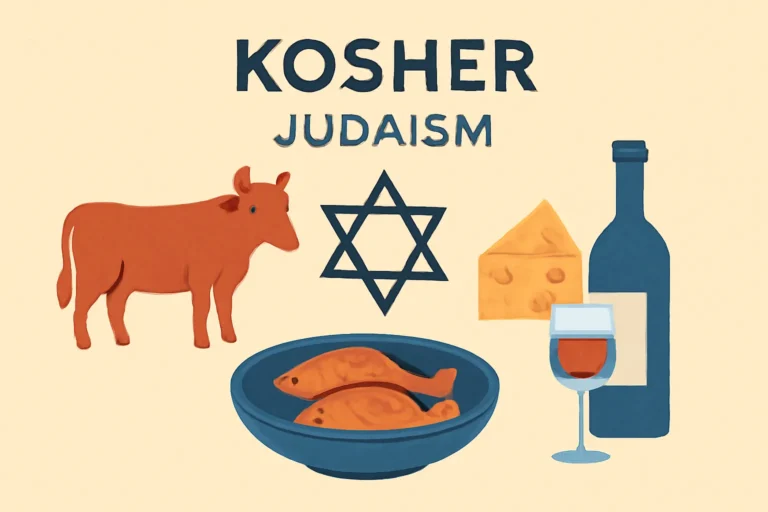
For land animals, the primary criterion is that an animal must be a mammal with split hooves that chew their cud. This means animals like cows, sheep, and goats are traditionally acceptable, while pigs (unfortunately) are not. The dietary laws also require that the animal be slaughtered in a specific way if it is to be consumed as meat. These requirements apply to the concept of kosher meat or basar with dairy rules applying as noted below.
Examples of commonly eaten kosher mammals: cow, calf, sheep, lamb, goat, and certain deer species.
Forbidden mammals include: pig, hare, camel (though some groups have different traditions about camel meat in specific contexts).
Seafood and the fish rule
Seafood is not universally acceptable; only fish with both fins and scales are considered kosher. This excludes shellfish, mollusks, and most other sea creatures. The implication is that shrimp, lobster, and other shellfish are not kosher, while salmon, tuna, and most other finned fish are considered permissible.
Birds and fowl
Most birds are permitted, provided they are not among the species traditionally forbidden due to moral or ritual concerns. There is a recognized list of prohibited birds, typically including predatory birds such as eagles, hawks, and owls. The rationale is more about tradition and textual sources than about universal behavior, but the effect for consumers is clear: many common birds (chicken, turkey, duck, and goose) are widely accepted as kosher when prepared in accordance with the laws.
Insects are generally not considered kosher, with some rare exceptions for certain locust species in specific communities. For most households and restaurants, insect products are avoided unless they carry a trusted certification. Plant-based foods, grains, and produce themselves are typically kosher, but they must be prepared in a way consistent with other rules (for example, avoiding cross-contamination with meat or dairy).
Kosher slaughter, processing, and the mechanics of preparation
The practical pathway from plant to plate is governed by meticulous processes designed to minimize suffering, ensure humane treatment, and meet the requirements of text-based law. The central elements include the ritual slaughter method, the handling of blood, and the processing steps that might render a product non-kosher if not properly supervised.
Shechita and humane slaughter
The method is known as shechita (the ritual slaughter) and is performed by a trained professional called a shochet. The blade must be sharp and free from nicks, and the act must occur with a single, swift cut to minimize suffering. The aim is to separate the animal in a humane and efficient manner while ensuring that the meat remains acceptable under the rules of kashrut.
Blood prohibition and kashering
One of the more prominent prohibitions in Jewish dietary law is the prohibition of consuming blood. After slaughter, meat is typically salted and rinsed to remove residual blood. This step is part of transforming meat into a kosher product and is an essential procedure for those who follow the standard practice. Fish, by contrast, is not treated with salt to remove blood in the same way, since the blood rules apply differently to fish.
Fats, nerves, and prohibited components
There are additional restrictions connected to the fats of certain animals and to certain nerves or structures in the animal. In traditional practice, these issues lead to pareve or meaty designations in the kitchen, and dictate how a given cut is used within meals. Some communities require the removal of certain fats (known as chelev) and specific nerves in meat, which can influence how a cut is prepared and served.
Meat and dairy: separate foods, separate kitchens
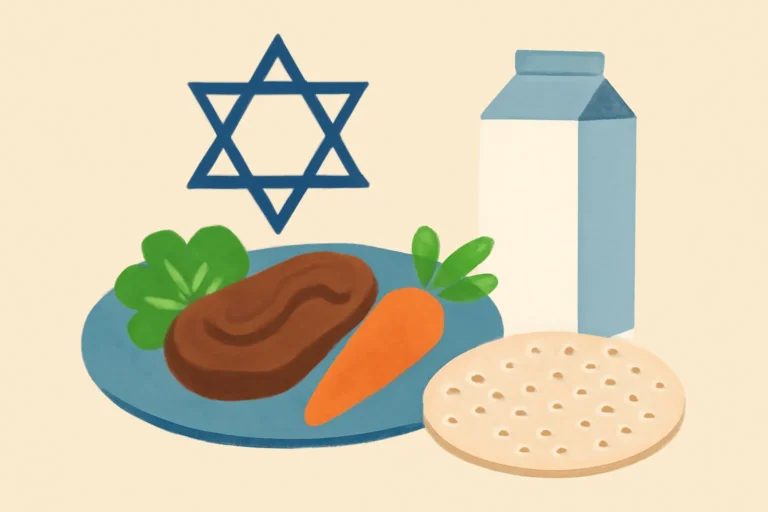
A central pillar of kosher living is the separation of meat and dairy. The injunction against cooking, eating, or deriving benefit from meat and milk together is one of the most visible and practical aspects of the system. The rules have several components:
Do not cook meat and dairy together in the same pot, dish, or kitchen appliance.
Use separate utensils and cookware for meat and dairy meals, and label them clearly to prevent cross-contamination.
Waiting periods between consuming meat and dairy varies by community tradition—often a number of hours, ranging from as little as one hour in some customs to six hours or more in others.
Beit din-style supervision isn’t required for home cooking, but many households rely on established practice, and restaurants pursue formal kosher certification to guarantee separation and compliance.
Within this framework, there’s a special category known as pareve foods. Pareve foods are neutral items, such as fruits, vegetables, grains, eggs, and fish, that can be eaten with either meat or dairy as long as they haven’t been processed with non-kosher ingredients or prepared in a non-kosher manner. For example, a pareve cookie made with dairy-free ingredients is acceptable with either meat or dairy meals, provided there is no cross-contamination.
Beit Yosef and halakhic perspectives
Across communities, there are variations in how strictly the rules are observed. Some traditions emphasize stricter adherence to specific rulings (for instance, alignments with the Beit Yosef or later codifications) that influence whether certain utensils must be kashered (made kosher again) after contact with non-kosher foods. In practice, families and institutions may adopt different levels of stringency based on their lineage, community customs, and the guidance of their rabbinic authorities.
Kosher kitchens and kashering: making things fit for use
A well-run kosher kitchen balances careful procurement with ongoing maintenance. The physical layout, utensils, and appliances are shaped by the need to prevent cross-contamination. Here are some core considerations:
Separate sinks, counters, and storage help reduce the risk of mixing meat and dairy elements.
Distinct cookware and utensils for meat and dairy prevent compound flavors or residues from altering the status of future meals.
Kashering of utensils is sometimes necessary when bringing tools that were previously used with non-kosher foods into a kosher kitchen. This process may involve boiling, heating, or other traditional methods depending on the material and prior usage.
Kitchen products that are pareve and dairy-free can often be used across meals, provided they do not contain non-kosher ingredients or processing aids.
In modern life, households may rely on formal hechsher-bearing products, label checks, and product databases to assure compliance. Some families also maintain separate dishwashers, cutting boards, and cookware to simplify the practicalities of maintaining separation during daily cooking and when entertaining.
When eating away from home, many people look for kosher supervision that confirms the establishment adheres to the relevant rules. In restaurants, a hechsher logo on a menu or packaging signals that the kitchen follows accepted standards for meat, dairy, and pareve foods, and that cross-contamination safeguards are in place. In travel scenarios, hotels, airline catering, and airport eateries increasingly offer certified options, sometimes including glatt kosher or other textural stringencies for meat products.
Kosher certification, supervision, and the hechsher system
Certification marks are an essential bridge between Jewish law and modern mass-produced foods. A hechsher is a seal of supervision that indicates a product or establishment complies with the applicable kashrut standards. Certification agencies provide guidance on ingredients, processing aids, cross-contact concerns, and labeling practices. Consumers rely on these marks to navigate the complexity of modern supply chains, where a single product may contain multiple ingredients sourced from different places.
Common certification bodies include regional and international organizations that publish a list of acceptable products and standards.
In addition to the primary kosher status, some products carry specific marks for chalav yisrael (supervised milk) or for bishul yisrael (food cooked under Jewish supervision).
Glatt kosher denotes an extra measure of stringency in meat production, particularly concerning the removal of certain respiratory fats and other checks on the animals’ lungs.
Some products may be labeled as parve to indicate that they contain neither meat nor dairy ingredients, making them permissible with either category of meals.
For communities, the presence of a credible kosher certification can provide confidence, particularly for people with serious dietary restrictions, families with young children, or those observing strict dietary rules during holidays and special occasions.
Passover and the broader dimension of kosher practice
During the festival of Passover, the dietary framework expands to exclude the consumption of chametz—leavened grain products and any foods contaminated by chametz during a specific window of time leading up to the holiday. Observers may also observe restrictions related to kitniyot (legumes and certain grains) that vary among communities. The transition from standard kosher food to Passover-appropriate foods involves careful planning and often a separate kitchen setup or designated cookware and utensils to prevent chametz from mixing with matzah and other permitted items.
Key Passover concepts
Chametz: any leavened grain product or foods contaminated by leavening agents during the holiday.
Matzah: unleavened bread that commemorates the haste with which the Israelites left Egypt.
Kitniyot (varying by tradition): legumes and certain grains that some communities avoid during Passover, while others permit.
Bedikat chametz and biur chametz: the search for and destruction of chametz before the holiday begins.
For many families, Passover adds a seasonal layer to the ongoing practice of kosher living, highlighting how kashrut can intersect with festival-specific observances, culinary creativity, and community rituals.
Maintaining a kosher lifestyle beyond the home
Keeping kosher in Judaism extends beyond the kitchen and dinner table. It shapes social rituals, education, and communal life. In schools, synagogues, and community centers, programs and dietary offerings often reflect the same principles, adapted for age groups, culture, and available resources. The practice can influence:
Dietary planning for families with children, ensuring that meals align with religious rules while meeting nutritional needs.
Community events where meals must accommodate kosher supervision and reliable sourcing.
Educational curricula that teach students about the stories, laws, and practical skills associated with kashrut.
Work and travel accommodations for individuals who aim to maintain kosher dietary standards while away from home.
Within this framework, the idea of kashering—the process by which an item or surface is made kosher again after contact with non-kosher substances—remains central for households that use shared kitchen spaces with non-kosher foods or for institutions that must serve a diverse community with varying practices.
The modern era has expanded the range of available products that can meet kosher requirements. From plant-based substitutes to dairy-free processed foods and meat alternatives, the kosher certification landscape has grown to accommodate new textures, flavors, and dietary needs. Consumers should check the hechsher and, when relevant, additional markers such as chalav yisrael or bishul yisrael to ensure alignment with personal standards.
In recent decades, some communities have also explored the concept of kashering tools and appliances for shared use, the use of silicone or non-reactive materials in kitchen gear, and the impact of processing aids and food additives on kosher status. The result is a dynamic, evolving market that blends ancient rules with contemporary food science.
Frequently encountered questions and practical guidance
For many readers, practical concerns about implementing these laws in daily life are among the most common. Here are concise answers to some typical questions, presented in a way that preserves the nuance of traditional practice while acknowledging diverse customs:
Can everything be kept kosher in a regular kitchen?
Yes, with careful planning and organization. A kosher kitchen can function well in a home with proper separation of meat and dairy, consistent labeling, and regular education about what is permissible and what requires kashering or separate handling. Some households maintain distinct appliances or cooking surfaces to reduce cross-contamination risk.
Is it necessary to have a hechsher on all products?
Many people rely on a basic understanding of ingredients and processing aids, while others prefer a formal kosher supervision badge on most products. The choice often depends on family tradition, level of observance, and the complexity of a person’s dietary needs. For those who must strictly avoid certain ingredients or who eat under communal supervision, a trusted hechsher provides reassurance.
What about dining out or traveling?
When dining outside the home, look for established kosher certification or disclosures about the kitchen’s practices. Travelers may seek kosher-certified meals on flights or in hotels, and some cities offer dedicated kosher restaurants and markets with clear labeling. The goal is to maintain the same standard of care that characterizes the home kitchen, even when away from it.
Are there modern debates about the stringencies of kashrut?
Yes. Communities debate various aspects, such as the extent of meat processing requirements (for example, the level of stringency in glatt kosher meat) or how to apply ancient rules to new food technologies (like cultured meat, novel plant-based proteins, or fermentation-derived products). Ongoing rabbinic discourse shapes how these developments are understood within the framework of kashrut.
Glossary of key terms and quick references
Kashrut / kasherut: Jewish dietary laws and their application.
Kosher: fit or proper according to Jewish law; permissible for consumption.
Shechita: ritual slaughter performed under specific guidelines.
Shochet: the trained individual who performs kosher slaughter.
Blood prohibition: a prohibition on consuming blood; affects meat preparation.
Kashering: processes used to make utensils or surfaces fit for use in a kosher kitchen after contact with non-kosher substances.
Hechsher: a certification mark indicating kosher supervision.
Glatt kosher: a stricter standard of meat regarding the lungs and respiratory system.
Pareve: foods that are neutral and can be eaten with either meat or dairy meals.
Chalav Yisrael: milk produced under rabbinic supervision ensuring dairy products meet standards.
Bishul Yisrael: food cooked under Jewish supervision for a certain degree of ethical or ritual significance.
While the details of kosher in Judaism can appear intricate, the overarching idea is straightforward: a set of care-filled practices designed to infuse daily nourishment with intention, community, and ethical mindfulness. For many Jews, keeping kosher is not simply about food restrictions; it is a ritual of memory, a way to honor Jewish history, and a method for cultivating discipline and communal responsibility. By understanding the core categories—what is permitted, how foods are prepared, and how meat and dairy are kept separate—individuals can navigate modern food systems with confidence, while still preserving the sense of meaning that kosher living provides. Whether through home practice, family tradition, or active participation in a larger kashrut-observant community, the journey of keeping kosher offers a practical avenue to connect everyday meals with longstanding religious values.