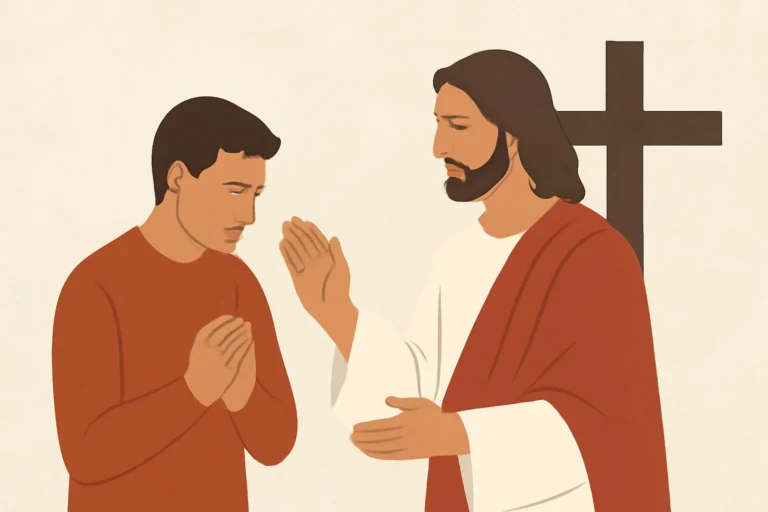
This article, inspired by Christian Discipleship Lessons: A Practical Guide to Growth, presents foundational truths that shape every learner into a lifelong follower of Christ. At the heart of discipleship lies a simple invitation and a robust set of practices. The goal is not merely to know more about faith, but to become more like the one we follow. This demands more than information; it requires transformation through Jesus, alignment with Scripture, and relationship with others.
In this light, five core commitments form the backbone of any sustainable journey of growth. These commitments are not about legalistic rules but about a posture toward God, neighbor, and the world. When practiced consistently, they translate to daily living and outward influence in a broken world.
Abiding in Christ and resting in His presence as the primary source of life.
Knowing and obeying the Word as a guide for thought, speech, and behavior.
Persistent prayer that shapes longing, dependence, and gratitude.
Authentic community where accountability, encouragement, and care are lived out.
Active service and mission that demonstrates the gospel in tangible ways.
The Call to Follow Jesus: Embracing a Discipleship Mindset
Discipleship begins with a personal response to the gospel invitation. It is not a one-time decision but a daily, ongoing choosing to align life with Christ. When a person embraces the call to follow Jesus, the entire trajectory of life shifts—from self-centered objectives to a Christ-centered mission. This shift is often called the gospel-centered life, where every habit, relationship, and choice is evaluated in light of Jesus’ lordship.
Responding to the invitation
Hear and consider the message of Christ with humility and openness.
Repent of self-reliance and embrace the need for grace.
Believe in the person and work of Jesus as the foundation for growth.
Join a community where discipleship is shaped by one another.
Begin a lifetime of learning, following, and serving in Jesus’ name.
Discipleship as a Practice, Not Just a Belief
True discipleship is measured by practice as much as by doctrine. Knowledge about God must translate into virtues, habits, and decisions that reflect the transformative power of the gospel. The aim is discipleship in action, where beliefs become behaviors that bless others and honor God. This practical dimension is often what sustains people over the long arc of growth, especially when challenges arise.
Habit formation that reinforces spiritual disciplines.
Character development visible in patience, gentleness, faithfulness, and self-control.
Relational obedience expressed through love for neighbors, even those who are difficult to love.
Missional living in daily routines, workplaces, schools, and neighborhoods.
Bible Study as a Core Practice: Lessons in Hearing God
The Bible is foundational to the disciple’s life. A robust practice of Scripture nourishes the soul, disciplines the mind, and directs the heart toward God’s purposes. Learning to read, interpret, and apply the Word creates a reliable frame for growth and resilience. The aim is not mere information, but formation—conforming more fully to Christ as His Spirit applies truth to daily life.
Prayer is not just a ritual but a relationship. It is the primary channel through which believers cultivate intimacy with God, receive guidance, confess sins, and intercede for others. A disciplined prayer life does not rely on length alone but on sincerity, clarity, and consistency. When prayer becomes a rhythm of life, it nurtures a heart that is teachable, dependent, and hopeful.
Prayer rhythms and practices
Daily quiet time with Scripture and petition, yielding space for listening to God.
Corporate prayer with the church or small group, strengthening communal faith and empathy.
Spontaneous prayer in the moment, recognizing God’s proximity in ordinary life.
Intercession for neighbors and nations as a posture of love and concern beyond personal needs.
Fasting and reflection as voluntary disciplines that shape dependence and discernment.
Community and Accountability: The Role of the Local Church
Discipleship thrives in community. The Christian life is not a solo expedition but a shared journey in which believers care for one another, correct one another in love, and spur one another toward love and good deeds. The local congregation, small groups, and trusted mentors form a constellation of relationships that sustain growth when motivation wanes and doubt arises.
One another commands in Scripture—love one another, honor one another, pray for one another, bear one another’s burdens.
Mentoring and discipleship relationships that provide wise counsel and practical training.
Small groups, life groups, or house churches that foster intimacy and accountability.
Healthy online communities that extend the reach of the gospel while preserving personal depth and care.
Service, Mission, and the Practical Outworking of Faith
Faith that saves is faith that works in love. The true test of Christian discipleship is how the gospel animates action—how mercy, generosity, and courage become visible in everyday life. Service is not a project to complete but a lifelong posture that bears witness to Christ’s lordship in a hurting world. When disciples engage in missional living, they participate in God’s reconciling work and discover joy in generosity and sacrifice.
Areas of practical service
Offering practical help to the poor, the elderly, the homebound, and the marginalized.
Sharing the gospel with grace and truth, seeking to build bridges rather than create barriers.
Using gifts and talents to strengthen the church and serve the community.
Advocating for justice, mercy, and integrity in workplaces and public life.
Discipleship Across Life Stages: From Youth to Elder
Discipleship unfolds differently across the seasons of life, but the core aim remains: to know Christ and to grow in likeness to Him. Each life stage brings unique opportunities and challenges, and intentional mentoring helps believers navigate them with faithfulness.
Youth and adolescence: identify in Christ, establish Kingdom-centered values, practice early disciplines, and discover spiritual gifts.
Young adulthood: integrate faith with vocation, pursue community, and practice courageous mission in work and study.
Parents and families: model discipleship at home, establish regular family devotions, and train the next generation in Biblical habits.
Midlife: balance career, family, and faith, re-evaluate priorities, and commit to lasting stewardship.
Seniors and elders: mentor younger believers, preserve a legacy of faith, and celebrate God’s faithfulness across seasons.
Suffering, Hope, and Discipleship: Growth in Hard Times
Trials are not merely obstacles but opportunities for spiritual growth. The crucible of hardship can refine character, deepen trust, and awaken new dimensions of compassion. A robust discipleship life teaches believers to cling to God’s promises, even when circumstances are confusing or painful. Hope is not the absence of trouble but the presence of a resilient trust in God’s goodness and faithfulness.
Emotional honesty with God and trusted friends about questions, fears, and grief.
Scriptural reminders of God’s steadfast love and presence in the valley.
Community support that bears burdens and prays with perseverance.
Purpose-driven endurance turning hardship toward growth, mercy, and witness.
Practical Steps for Implementing Christian Discipleship Lessons
Putting doctrine into daily life requires a deliberate plan. The following steps outline a practical path that individuals, families, and church communities can adapt. The emphasis is on sustainable rhythms rather than short-term programs.
Assess your starting point—identify strengths, weaknesses, and gifts that shape growth.
Establish daily habits for Scripture, prayer, and reflection, starting with small, manageable commitments.
Build a support network—a mentor, a friend, or a small group that challenges and encourages you.
Keep a spiritual journal to track insights, prayers, answered prayers, and moments of conviction.
Develop a simple Bible study plan that you can maintain for weeks or months, with space for reflection and application.
Create a service plan—identify one or two practical ways you can serve your church or community this season.
Review and adjust regularly—set monthly or quarterly times to evaluate progress and adjust goals.
Celebrate growth—acknowledge milestones, thank those who helped you, and renew your commitment to ongoing growth.
Measuring Growth Without Legalism
Growth in discipleship is best understood through a combination of inner transformation and outward fruit. Avoid turning growth into a scorecard; instead, cultivate indicators that reveal character, faithfulness, and love in practical life.
Character fruit—patience, gentleness, self-control, kindness, and humility.
Love in action—sacrificial service, generosity, and compassionate outreach.
Obedience and discernment—a growing ability to choose what honors God in diverse situations.
Sustained gratitude—a grateful posture that honors God and blesses others.
Overcoming Common Obstacles
Every disciple faces obstacles that threaten consistency. Identifying these challenges early helps communities respond with grace and practical support. The following issues are frequently encountered, along with constructive approaches to address them.
Busyness and distraction—prioritize essential disciplines and schedule intentional times for God.
Pride and spiritual pride—practice confession, accountability, and humility before God and others.
Doubt and fear—bring questions into the light of Scripture, and surround yourself with trusted mentors who model faithfulness.
Lethargy and apathy— rekindle passion through service opportunities and fresh exposure to the gospel’s hope.
Isolation— cultivate community and invest in relationships that provide encouragement and accountability.
A personal growth plan for discipleship helps translate intention into routine. The plan below provides a practical framework that can be adapted to different contexts—church settings, families, or individual learners.
Goals — identify 2–3 gospel-centered aims for the season (for example, increased Bible study, more consistent prayer, or regular acts of service).
Habits — establish daily or weekly disciplines that support those goals (reading, prayer, journaling, quiet time).
Accountability — partner with someone trusted who can ask hard questions and celebrate progress.
Resources — select a few dependable tools (a Bible reading plan, a devotional guide, a prayer app, a journal).
Timeline — set realistic milestones and review points to keep momentum without pressure.
Here is a simple example of a 4-week discipleship plan you can adapt:
Week 1: Read a chosen Gospel passage, journal one takeaway, pray for guidance in applying it.
Week 2: Memorize a short verse, practice one act of service, join a weekly prayer gathering.
Week 3: Initiate a conversation about faith with a friend, reflect on how the Word informs choices in work or school.
Week 4: Review progress with a mentor, adjust goals, celebrate growth, and set new targets for the next month.
Resources and Tools for Christian Discipleship Lessons
A well-rounded intake includes Scripture, community, teaching, and practical experience. The following categories offer an accessible menu of resources to support ongoing growth.
Scripture study aids — study Bibles, concordances, and reliable commentaries that illuminate the text without overwhelming the reader.
Reading plans — year-long or shorter plans that cover the Bible in a structured way and include reflection prompts.
Devotional guides — daily or weekly devotions that connect Scripture to everyday life and decision-making.
Meditation and spiritual formation tools — practices that cultivate contemplative awareness of God’s presence.
Journaling and reflection — a private space to process insights, doubts, and answered prayers.
Encouraging a Culture of Discipleship in a Community
Communities that deliberately cultivate discipleship create an environment where growth is both expected and supported. Churches, campuses, or households can adopt practices that nurture a sustainable culture of growth and accountability. The following ideas help establish a healthy rhythm of discipleship within a community.
Make discipleship paths visible — outline clear steps from beginner to mature follower of Christ.
Normalize mentoring relationships — train and pair mentors with mentees in ongoing, practical ways.
Provide regular training opportunities — classes, workshops, and seminars on spiritual disciplines, biblical literacy, and missional living.
Celebrate testimonies — create spaces where people share how discipleship lessons changed their lives.
Foster inclusive service opportunities — invite everyone to contribute their gifts in meaningful ways.
A Final Note on Growth: The Journey Continues
The path of Christian growth is lifelong and dynamic. Every season brings new challenges, opportunities, and questions. The most important aspect is not the speed of progress but the alignment of the heart with Christ. By integrating biblical truth, prayerful dependence, vibrant community, and practical service, a believer can experience steady, meaningful transformation. The journey of Christian discipleship is not a conquest to achieve but a communion to enjoy—walking with Jesus, learning from Him, and inviting others to join the same path.
As you reflect on these discipleship lessons, remember that growth is a divine work in which you participate. The Spirit of God cultivates character, the Word sustains direction, and the body of Christ provides encouragement and accountability. With intentional effort and grace-filled patience, you can continue to deepen your faith, broaden your impact, and become a living witness to the transformative power of the gospel.