Miracles of Jesus in Chronological Order: A Complete Timeline of His Miracles
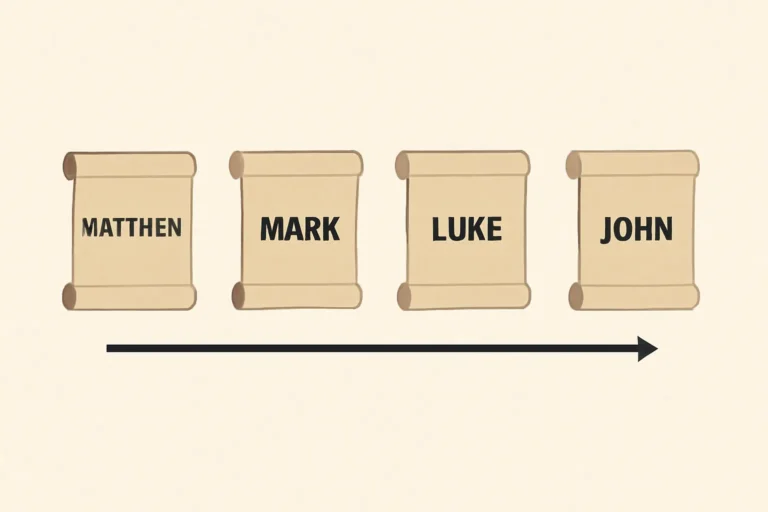
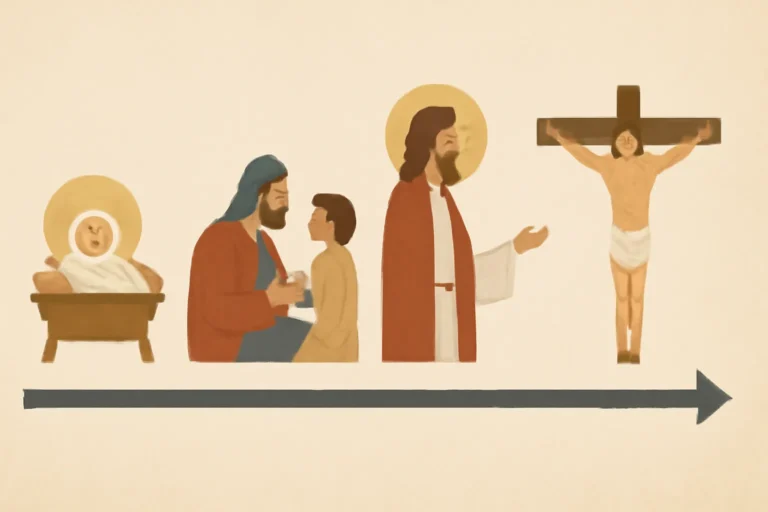
This chronological panorama gathers the miracles of Jesus as they unfold across the Gospel narratives. While each Gospel writer presents a slightly different sequence, a cohesive arc emerges: a series of signs in Galilee that reveal his authority, followed by works in Judea and Jerusalem that intensify as he moves toward the Passion, and finally the resurrection miracles that culminate in the Christian claim of victory over death. The timeline below uses widely accepted gospel parallels to trace a plausible order, while noting when accounts vary between sources. Each miracle is described with concise context, significance, and a note on the audience or the response it drew.
The Opening Galilean Miracles: Cana, Capernaum, and Early Signs
Water into wine at Cana (John 2:1-11)
The first recorded miracle of Jesus occurs at a wedding in Cana in Galilee. When the hosts run out of wine, Jesus turns water into wine, revealing a tone of abundance, order, and blessing. At the wedding guests and hosts receive an extraordinary sign of celebratory provision, and the miracle serves as a revelation of Jesus’ authority over nature and his willingness to bless ordinary life. This initial sign also signals that Jesus accepts messianic identity as one who can bring joy and abundance, not merely issue moral instruction.
Healing the royal official’s son (Capernaum) (John 4:46-54)
In response to a message from a noble official, Jesus speaks a word of healing from a distance to the sick boy in Capernaum. The man’s faith hinges on Jesus’ spoken word, and the child recovers immediately. This miracle demonstrates Jesus’ authority over distance and illness, and it frames faith as decisive trust in his word. It also marks a move from private signs at a wedding to public demonstrations that draw a broader audience to his ministry.
Healing the paralytic at the Pool of Bethesda (Jerusalem) (John 5:1-9)
On a pilgrimage to the city, Jesus encounters a man who has suffered illness for thirty-eight years. By telling him to take up his mat and walk, Jesus not only heals the man physically but also breaks cultural and religious expectations about healing on the Sabbath. This miracle expands the scope of Jesus’ ministry beyond the countryside of Galilee and into the heart of religious life in Jerusalem, signaling that the new age of restoration is breaking into established religious routines.
Galilean Ministry Expanded: Healings, Exorcisms, and the Multitude
Healing of Peter’s mother-in-law and many at her house (Matthew 8:14-17; Mark 1:29-34; Luke 4:38-41)
In Capernaum and its environs, Jesus restores health to Peter’s mother-in-law, who is immediately followed by a broad pattern of healings for the sick and afflicted. This influx of miracles demonstrates a foundational pattern for Jesus’ ministry: compassion toward individuals, paired with demonstrations of power that validate his message and draw crowds. The miracles here form a bridge between personal compassion and the broader claim of divine authority over illness and spiritual oppression.
Calming the storm (Matthew 8:23-27; Mark 4:35-41; Luke 8:22-25)
During a turbulent crossing on the Sea of Galilee, Jesus rebukes the wind and waves and the sea becomes perfectly calm. The disciples’ fear gives way to awe as they acknowledge that even the elements obey his voice. This event underscores Jesus’ sovereignty over nature and invites the crowd to recognize him as more than a human teacher—he is the one who commands creation itself.
Healing a man with a withered hand (Mark 3:1-6; Luke 6:6-11)
In a synagogue setting, Jesus heals a man with a withered hand on the Sabbath. The miracle is contested by critics who want to trap him, but Jesus uses the moment to highlight mercy, proper Sabbath purpose, and God’s preference for doing good. This act also demonstrates the ethical dimension of Jesus’ miracles: healing carried out in service of human flourishing, even in the face of legalistic opposition.
Exorcisms and authority in Capernaum (Mark 1:21-28; Luke 4:31-37)
A dramatic exorcism in the synagogue reveals Jesus’ authority over spiritual powers. The unclean spirit departs and recognises him as the Holy One of God, producing a reaction from astonishment to debate among onlookers. The miracle confirms the inward reality of his kingdom—where darkness is confronted and the human person is brought into a new relation with God.
The feeding of the 5,000 (Mark 6:30-44; Matthew 14:13-21; Luke 9:10-17; John 6:1-14)
A large crowd follows Jesus to a remote place near the Sea of Galilee. With five loaves and two fish, he feeds thousands with food left over. This sign highlights Jesus’ compassion and sufficiency, and it invites readers to interpret the event as a foreshadowing of the true bread from heaven—the life that comes through him. The miracle also functions as a summons to faith, that Christ can meet human need in the most practical, material terms.
Walking on water (Matthew 14:22-33; Mark 6:45-52; John 6:16-21)
After feeding the crowd, Jesus sends his disciples ahead by boat while he prays alone. In the midst of a storm, he approaches them walking on the sea and speaks words that invite Peter to step out in faith, though Peter falters when fear dominates. This miracle deepens the theme of trust in Jesus’ presence and power, especially in moments of danger and uncertainty.
Introductory healings in Gennesaret (Matthew 14:34-36; Mark 6:53-56)
As Jesus and his disciples pass through the region of Gennesaret, people bring their sick to be touched by him. The Gospel records emphasize that even touching his cloak could bring healing. The accessibility of these miracles signals a gracious invitation to all who come with faith, illustrating Jesus’ readiness to meet people where they are in their homes, towns, and villages.
Into Judea and Jerusalem: Magnified Works, Faith, and Responses
Healing the centurion’s servant (Matthew 8:5-13; Luke 7:1-10)
In a poignant exchange with a Roman centurion, Jesus remarks that faith like this is greater than what he has found in Israel. The servant’s healing, requested from afar, reinforces the power of Jesus’ word and highlights the inclusivity of his mission. The interaction emphasizes that genuine faith recognizes Jesus’ authority even across cultural and religious boundaries.
Healing the paralytic (the roof incident) (Mark 2:1-12; Luke 5:17-26)
A paralyzed man is lowered through a roof to reach Jesus, who first forgives his sins and then heals him. This double dimension—forgiveness and physical restoration—reveals the holistic nature of Jesus’ work: restoration of broken relationships with God and healing of bodily infirmities. The event also prompts opposition from skeptics while attracting faithful witnesses to the power of Jesus’ word.
Raising Jairus’ daughter and the woman with the issue of blood (Luke 8:40-56; Mark 5:21-43)
On a journey toward a daughter’s imminent death, Jesus pauses to welcome a woman who has suffered for years with bleeding. When the girl dies, Jesus speaks life into the scene, restoring the girl to her family. This narrative juxtaposes faith and grief, showing that Jesus’ life-bringing power transcends even the barrier of death and social stigma.
Healing the two blind men near Jericho (Matthew 20:29-34; Mark 10:46-52)
On the road toward Jerusalem, Jesus encounters two blind men who cry out for mercy. He heals them, and their sight becomes a powerful sign that Jesus brings spiritual insight as well as physical healing. The miracle underscores the theme of sight and recognition—seeing Jesus as the Messiah is tied to healing and restoration.
The Canaanite woman’s faith and other Gentile encounters
While not always framed as a single miracle, the episodes where Jesus responds to the faith of Gentiles—such as the Canaanite woman who pleads for her daughter—highlight Jesus’ openness to humanity beyond Israel. The miracles here underscore a global vision of God’s mercy and the breaking down of barriers that might constrain access to God’s healing power.
The Greatest Sign: Raising Lazarus and the Path toward Jerusalem
The raising of Lazarus (John 11:1-44)
In the village of Bethany near Bethany, Jesus calls Lazarus from the tomb after he has died for several days. The astonishment of the onlookers—the stone moved away, the tomb opened, and a man who had been dead for days emerges alive—becomes one of the most dramatic signs of Jesus’ power over death. This miracle serves as a turning point: it heightens controversy among religious leaders, sharpens faith among his followers, and intensifies the imminent conflict leading toward the passion week.
In the Final Week: Final Signs, Passions, and Resurrection Miracles
The triumphal entry, temple acts, and final teachings
While not framed as miracles in the popular sense, Jesus’ actions in and around Jerusalem during Holy Week—such as the cleansing of the temple and his final teachings—carry unmistakable displays of divine authority and authority over the structures of religious life. These acts function as culminating signs that reveal the nature of God’s kingdom, challenge the status quo, and set the stage for the climactic events to follow.
The Resurrection of Jesus (Matthew 28; Mark 16; Luke 24; John 20-21)
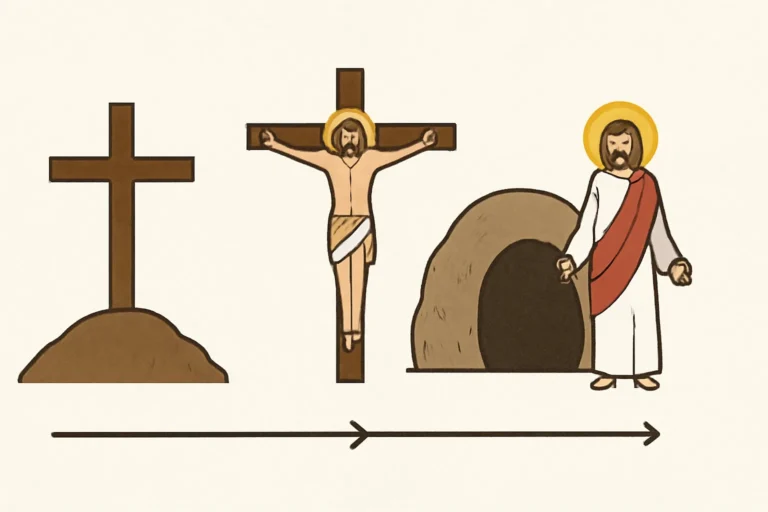
The central miracle of Christianity is the resurrection: the conquering of death and the inauguration of new creation. The tomb is found empty, and Jesus appears to his followers in various settings. The four Gospels differ in details, but they converge on the core claim: Jesus is alive, risen from the dead, and his resurrection confirms the validity of his life, teaching, and redemptive mission. This event reframes all prior miracles as signs pointing to the ultimate victory over sin and death.
Post-resurrection appearances and miraculous provision (John 21; Luke 24; Acts references)
After the resurrection, Jesus continues to reveal himself to his followers in ways that are described as miraculous: he eats with them, opens their minds to understand the Scriptures, and commissions them to carry the good news to the ends of the earth. The miraculous is no longer primarily about signs to prove his identity but about empowering and commissioning the church for mission. The miraculous shows up as risen life, transformed relationships, and bold proclamation.
The Ascension as culmination of miracles and mission (Luke 24:50-53; Acts 1:9-11)
The final scene of Jesus on earth in this narrative arc is marked by his ascent to heaven in the presence of his disciples. While outwardly leaving the visible presence, the ascension continues to function as a miracle of divine action—affirming his ongoing kingship, authority, and intercession from the heavenly throne. The disciples are commissioned to await the Spirit, which inaugurates the era of the church’s mission empowered by miraculous signs and wonders.
How to Read the Timeline: Patterns and Thematic Threads
Across these centuries of stories, several patterns emerge that give the miracles a coherent rhythm:
Authority over nature and physical creation is a recurring theme—water to wine, storms stilled, and bread multiplied—signaling the presence of the Kingdom in tangible, everyday life.
Compassion and restoration are central—Jesus heals, forgives, and restores persons within their communities, emphasizing wholeness and mercy as integral to his mission.
Faith and response matter: many miracles hinge on the faith of the recipient or the onlookers. Sometimes faith is explicit (the official, the centurion, the blind men); other times it is implicit in followers who bear witness to what they have seen.
Inclusion and challenge are woven together: miracles reach beyond boundaries of class, ethnicity, or ritual purity, while also challenging established religious expectations about who can receive mercy and how it is expressed.
Foreshadowing of the Resurrection: many signs in the gospel narratives point forward to the ultimate victory over death, particularly the raising of Lazarus as a pivotal pivot toward the palmy week in Jerusalem.
Glossary of Terms and Key Names
Cana – the site of Jesus’ first miracle, turning water into wine, demonstrating his glory and inaugurating a pattern of abundance.
Capernaum – a central hub of Jesus’ ministry in Galilee, where many healings and exorcisms take place.
Bethesda – the pool in Jerusalem where Jesus heals a longtime paralytic, signaling forgiveness and restoration beyond ritual purity concerns.
Gennesaret – the region where Jesus often heals those who come to him, illustrating accessible mercy.
Jairus and Jairus’ daughter – a key narrative in which faith, healing, and restoration intersect at a moment of crisis.
Lazarus – the friend whose resurrection becomes a dramatic culmination of Jesus’ power over life and death, foreshadowing his own resurrection.
Resurrection – the ultimate miracle that defines Christian faith, validating Jesus’ identity and mission.
Kingdom of God – the overarching theme that ties together Jesus’ miracles as signs of God’s rule breaking into history.
This article presents a comprehensive, though interpretive, timeline of Jesus’ miracles in roughly chronological order, emphasizing a coherent arc from the signs in Galilee to the climactic wonders surrounding the Passion and Easter. The miracles were not isolated acts but part of a mission to reveal who God is, to restore broken humanity, and to invite all nations into a renewed relationship with the Creator. Whether described as acts of compassion, demonstrations of divine authority, or signs of the coming kingdom, each miracle invites readers to respond with faith, gratitude, and a transformative vision of life under Christ.
If you’d like, I can provide a printable timeline with dates approximated to scholars’ estimates, a map-based layout showing where each miracle occurred, or a compact table that cross-references Gospel accounts for parallel events. This article can also be extended with short devotional reflections for each miracle, linking the historical account to practical engagement in everyday life.