The washing of feet in biblical context symbolizes humility, servant-leadership, and spiritual purification. It underscores a humble attitude and readiness to serve others as an expression of love and sanctity.
📖 Key Biblical Occurrences
Reference
Context
Symbolic Meaning
John 13:1-17
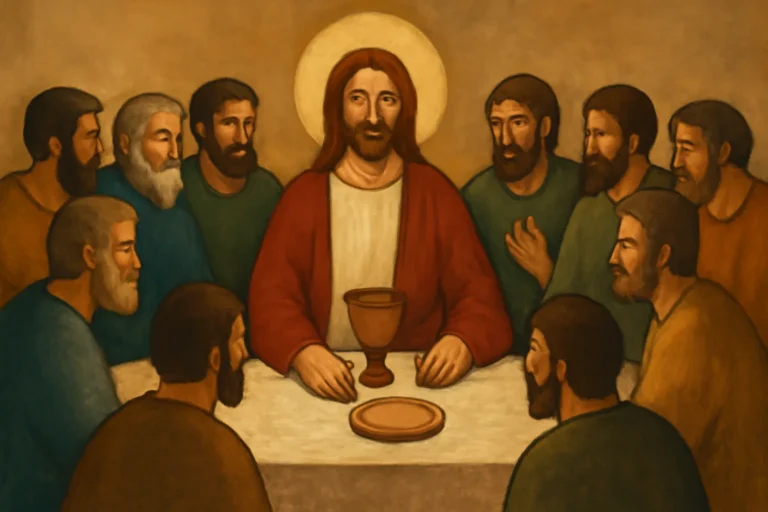
Jesus washes the disciples’ feet during the Last Supper as an act of humble service.
Prefigures Christ’s sacrificial love and models humility and servant leadership for his followers.
📜 Old Testament Usage
In the Old Testament, foot washing is implied in practices of purification and hospitality, signifying humility and welcome (e.g., Genesis 18:4). It also reflects levels of social humility and reverence, such as in Ruth 2:4 when Boaz demonstrates kindness. Ritual washing in Leviticus emphasizes spiritual cleansing, foreshadowing eventual purification through divine grace. These acts highlight humility before God and others, setting a foundation for biblical understanding of service and holiness. The act often marks a transition from impurity to purity, underscoring its significance in worship and social conduct.
✝️ New Testament Usage
The New Testament elevates foot washing as a spiritual act symbolizing humility and servant leadership, especially in John 13. Jesus’ act challenges social hierarchies, emphasizing love and equality among believers. It is an allegory for spiritual cleansing, repentance, and humility that believers are called to imitate. The ritual becomes a profound teaching tool used to exemplify Christ’s humility and the disciple's call to serve others with genuine love, reflecting the highest form of Christian humility and community. The act also prefigures baptism and spiritual renewal, emphasizing inner cleansing.
Initially rooted in the practical customs of hospitality and humility in the Old Testament, the symbolism deepens in the New Testament with Christ’s act of washing feet, representing divine humility, sacrificial love, and spiritual purification. Over time, it evolves from a simple act of courtesy to a profound symbol of Christian servanthood and humility in the life of the Church. From Genesis to Revelation, it highlights themes of humility, service, and purification, culminating in the ultimate act of Christ’s sacrifice, which cleanses believers spiritually and exemplifies divine love.
🏛️ Ancient Near East Context
In surrounding cultures like Egypt and Greece, foot washing often denoted hospitality, respect, or servitude. The Greeks associated it with social courtesy, while the Romans used it as a sign of humility or servant rank. Rituals of cleansing and purification by water were common, emphasizing hygiene and spiritual purity. These cultural practices informed biblical symbolism, where washing became a sign of humility, welcome, and sometimes divine favor, embedding the act within a broader Near Eastern tradition of respect and spiritual cleansing.
✡️ Jewish Interpretation
In Jewish tradition, foot washing symbolizes humility, hospitality, and purification, often performed upon guests or within ritual contexts. Rabbinic texts emphasize acts of humility as meritorious, and some mystical teachings see foot washing as an act of spiritual cleansing. The mitzvah of ritual washing reflects a desire for spiritual purity, aligning with the biblical themes of holiness and service. In Jewish thought, the act prefigures the need for internal purification and humility before God and others.
Church Fathers like Augustine and Chrysostom see foot washing as a symbol of humility, love, and Christian service. They interpret Jesus’ act as the ultimate example of humility and sacrificial love, urging believers to emulate this attitude. It is viewed as a sacramental act that signifies spiritual cleansing and the renewal of humility within the church community. Christian tradition affirms its role as a call to service, emphasizing that true greatness lies in humble service to others, reflecting Christ’s own humility.
🔗 Typology: Connections to Christ
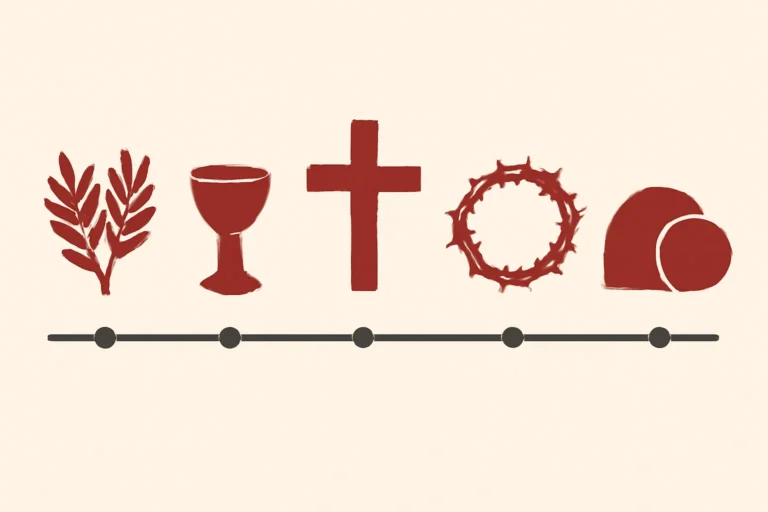
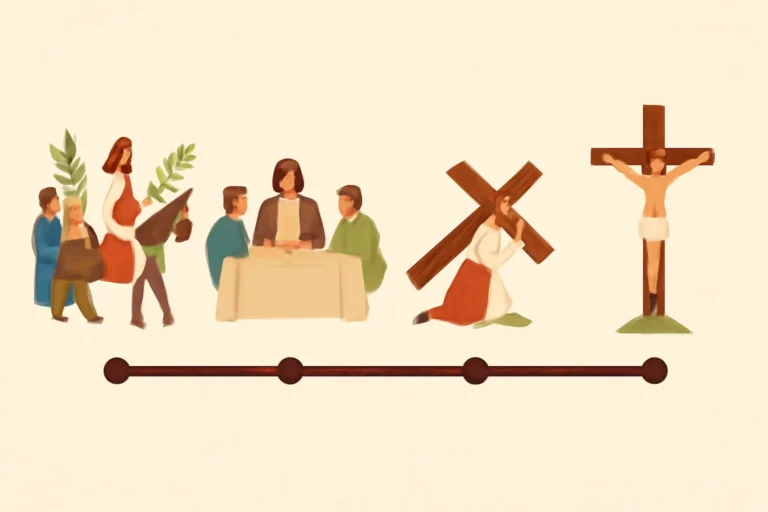
Washing of feet prefigures Christ’s ultimate act of humility and sacrifice, pointing forward to the cleansing theme of His Passion and Resurrection. It symbolizes the believer’s need for spiritual purification and the call to serve others selflessly, echoing Christ’s role as the Servant King. The act typologically connects to baptism as spiritual cleansing and anticipates Christ’s final sacrifice, affirming the Christian journey from humility to divine glory.
⛪ In Worship & Liturgy
Foot washing is incorporated in Maundy Thursday services, symbolizing humility, love, and service, often reenacted in churches to emulate Christ’s model. It also appears in ordination ceremonies and acts of hospitality in Christian communities. Architectural elements like baptismal fonts or washing stations reflect this symbolism of spiritual cleansing. The act encourages congregational participation, fostering humility, community service, and reverence in worship life.
🌍 Modern Cultural Impact
The act of washing feet has influenced art, inspiring paintings of humility and service, especially during Holy Week. It appears in literature and movies emphasizing themes of humility, sacrifice, and love. The symbolism is used in social justice movements and charity work, inspiring acts of service and humility. Its powerful message of servant leadership continues to resonate in contemporary ethical and spiritual discussions, symbolizing humility and compassion across cultures.
Misconception: Foot washing is merely a physical act with no spiritual significance. Correction: In biblical context, it symbolizes humility, service, and spiritual purification, embodying core Christian virtues.
Misconception: Only clergy are to perform foot washing. Correction: While often associated with church ceremonies, it is meant as a practice for all believers to demonstrate humility and love.
❓ Frequently Asked Questions
What does foot washing symbolize in the Bible?
It symbolizes humility, service, and spiritual cleansing, exemplified by Jesus’ act during the Last Supper to teach love and humility.
Is foot washing only a biblical practice?
Historically, it was common in ancient hospitality customs, but in Christian tradition, it is a spiritual act representing humility and service.
Can foot washing be a sacrament?
While not universally regarded as a sacrament, some Christian groups consider it an ordinance or symbolic act of humility and spiritual cleansing.
How is foot washing relevant today?
It continues as a symbol of humility, love, and service, inspiring charitable acts and community service in modern Christian practice and beyond.
✨ Did You Know?
Archaeological discoveries of ancient washbasins and foot-washing stations reveal that the act was a widespread customary practice in the Near East and Greco-Roman world, emphasizing its cultural importance as a gesture of hospitality and humility.