Living Water represents divine sustenance that grants spiritual renewal, life, and purification. It symbolizes the Holy Spirit’s work and the believer’s deep connection to God's life-giving power.
📖 Key Biblical Occurrences
Reference
Context
Symbolic Meaning
John 4:10
Jesus offers the Samaritan woman living water at the well
Represents the eternal life and spiritual nourishment available through Christ.
Revelation 21:6
God describes Himself as the fountain of the water of life
Signifies eternal life in the presence of God and the fulfillment of divine promises.
Isaiah 55:1
Invitation to all who are thirsty to buy water freely
Represents God’s provision, spiritual satisfaction, and the call to seek eternal sustenance.
📜 Old Testament Usage
In the Old Testament, 'living water' often signifies God's life-giving power and blessing. It appears in prophetic literature as a metaphor for spiritual renewal, forgiveness, and divine provision. For instance, in Jeremiah 2:13, Israel is described as having forsaken the 'fountain of living waters,' illustrating their spiritual thirst and dependence on God. Similarly, Ezekiel 47 depicts a vision of pure waters flowing from the temple, symbolizing restoration and divine blessing. The imagery underscores God's desire to quench spiritual thirst and restore His people through His life-giving presence. It also points to the Messianic hope, as the true source of living water is ultimately fulfilled in the Messiah, who offers eternal sustenance to His followers.
✝️ New Testament Usage
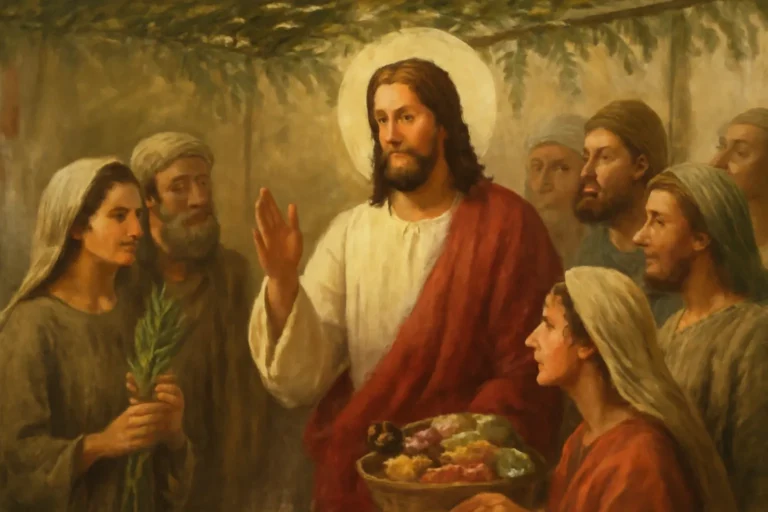
In the New Testament, 'living water' is primarily associated with Jesus Christ and the Holy Spirit. Jesus explicitly offers living water to the Samaritan woman, symbolizing the spiritual salvation and eternal life He provides (John 4:10). In John 7:37-39, Jesus invites believers to drink of the water He gives, emphasizing the transformative and life-sustaining work of the Spirit. Revelation depicts the living water flowing from God's throne, symbolizing the consummation of divine blessing and eternal life. The concept evolves to highlight the fulfillment of Old Testament promises through Christ, emphasizing spiritual renewal, baptism, and the ongoing nourishment of believers by the Spirit.
Initially rooted in Israelite water imagery linked to God's provision and purification, 'living water' develops into a profound symbol of spiritual life and salvation. From the prophetic visions of Ezekiel to the Messianic promises in Jeremiah, it reflects divine renewal. In the New Testament, Jesus redefines living water as Himself and the Holy Spirit, embodying the source of eternal life. Throughout Revelation, it signifies Christ's victory and the eternal sustenance of God's people. This evolution portrays a transition from physical imagery to a deep spiritual symbolism of divine life, grace, and the fulfillment of God's redemptive plan from Genesis to Revelation.
🏛️ Ancient Near East Context
In ancient Near Eastern cultures, water symbolized purity, fertility, life, and divine blessing. The Egyptians revered water as a source of renewal, linked to Nile worship. Babylonians associated flowing waters with divine power and cosmic order. Greek and Roman societies viewed water as a symbol of purification and divine presence, often associated with rituals and baths. These surrounding cultures saw water as vital for survival and spiritual well-being, influencing biblical imagery to emphasize divine provision and life-giving power as akin to the sacred waters of their mythologies and religious practices.
✡️ Jewish Interpretation
Jewish tradition interprets 'living water' as representing God's divine life, Torah, and the spiritual sustenance from God’s presence. The Talmud and rabbinic writings see it as a symbol of spiritual purification, renewal, and the messianic era. Mystically, it signifies the flowing wisdom and divine grace from God that renews the soul. Rabbinic texts often connect living water with the soul's thirst for righteousness and divine connection, emphasizing the importance of spiritual cleansing and adherence to God's commandments as sources of true life.
Early Church Fathers viewed living water as a symbol of the Holy Spirit’s work in sanctification, renewal, and spiritual vitality. Augustine saw it as a representation of divine grace flowing from Christ, nourishing the believer’s soul. The Church tradition interprets it as symbolizing the Eternal Life offered through Christ, a continuous flow of grace, and the baptismal cleansing. The concept reinforces themes of spiritual rebirth, renewal, and the living presence of God’s Spirit in the life of believers, emphasizing that true life is found in Christ alone.
🔗 Typology: Connections to Christ
Living Water prefigures Christ as the source of eternal life, embodying the fulfillment of God's promise to provide spiritual sustenance. It prefigures the sacraments of baptism and the Holy Spirit, which renew and sustain believers. The symbolism connects to the Church as the recipient of this divine provision, functioning as a conduit of living water through sacramental grace and spiritual nourishment, ultimately pointing to Christ as the true and eternal source.
⛪ In Worship & Liturgy
Living water appears in liturgical prayers, baptisms, and processions symbolizing spiritual cleansing and renewal. Churches often incorporate water elements—such as fonts and fountains—to remind congregants of spiritual life and renewal. Epiphany celebrations may feature water blessings, emphasizing Christ as the living water. Architectural elements like baptisteries and holy wells also serve as tangible symbols of spiritual nourishment and divine presence within worship spaces.
🌍 Modern Cultural Impact
The imagery of living water influences Christian art, literature, and music, symbolizing hope, renewal, and divine grace. It appears in hymns and spirituals emphasizing salvation and eternal life. In popular culture, the motif is used metaphorically in films and literature to represent spiritual awakening or healing. The concept of 'living water' continues to inspire modern spiritual movements emphasizing inner renewal, water therapy, and holistic healing, demonstrating its enduring symbolic power.
Misconception: Living water is only about physical water and literal hydration. Correction: In biblical symbolism, it primarily refers to spiritual sustenance and divine life, not just physical water.
Misconception: Living water is a solely Old Testament concept. Correction: While rooted in earlier imagery, it is most fully revealed and fulfilled in the New Testament through Christ and His Spirit.
❓ Frequently Asked Questions
What does ‘living water’ represent in the Bible?
It symbolizes spiritual nourishment, eternal life, and the Holy Spirit’s work in renewing and sanctifying believers.
How is ‘living water’ connected to Jesus?
Jesus presents Himself as the source of living water, offering eternal life through faith in Him, especially highlighted in John 4 and John 7.
Can living water be experienced today?
Yes, through faith, baptism, and the ongoing work of the Holy Spirit, believers experience spiritual renewal and divine life.
What is the significance of water in Christian sacraments?
Water symbolizes purification, rebirth, and the reception of the Holy Spirit, crucial elements in baptism and spiritual renewal processes.
✨ Did You Know?
Archaeological discoveries of ancient baptismal fonts and holy wells in the Near East often feature inscriptions or artwork symbolizing 'living water,' highlighting the historical significance of this imagery in early Christian worship and its roots in biblical tradition.