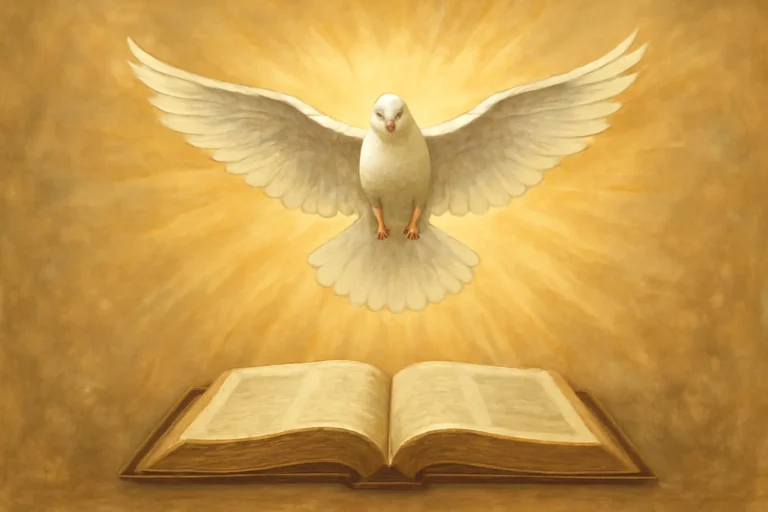
In the Bible, 'Wind' (Ruach) symbolizes God's active presence, the breath of life, and the divine Spirit that guides, empowers, and reveals. It embodies both a natural and spiritual force that moves and sustains life and God's sovereignty.
📖 Key Biblical Occurrences
Reference
Context
Symbolic Meaning
Genesis 1:2
The Spirit of God was moving over the waters at creation.
Represents God’s divine active presence shaping the universe.
Ezekiel 37:9-10
The Prophet calls upon the wind to breathe life into dry bones.
Signifies God’s Spirit bringing new life and revival to Israel.
John 3:8
Jesus describes the Spirit’s mysterious movement to Nicodemus.
Illustrates the invisible, yet powerful, nature of the Holy Spirit’s work.
📜 Old Testament Usage
In the Old Testament, wind or Ruach often symbolizes God's presence, power, and activity. It appears at Creation, signifying divine energy shaping the cosmos. Prophets depict God's Spirit as wind or breath, enabling prophetic inspiration, empowering leaders like Saul and David, and revitalizing Israel. Wind also underscores the transient, mysterious nature of God's actions, emphasizing that divine power is both invisible and unstoppable. The imagery highlights that God's Spirit sustains life, guides His people, and orchestrates divine intervention, reflecting the omnipresence and sovereignty of God across the Hebrew scriptures.
✝️ New Testament Usage
The New Testament elevates wind (pneuma) to denote the Holy Spirit's foundational role in the Christian life and salvation. Wind appears at Pentecost, where it symbolizes the Spirit's arrival with powerful, uncontrollable force, signifying renewal, empowerment, and divine presence. Jesus frequently uses wind imagery to illustrate spiritual rebirth and the mysterious nature of God's moving Spirit. Early Christians understood wind as the ongoing, dynamic influence of the Holy Spirit that guides the church, inspires prophecy, and confirms divine authority. The symbolism shifts from a general divine force in creation to a personalized, active presence that indwells believers, emphasizing transformation and divine empowerment.
Initially, wind in Genesis underscores God's creative power and presence at the universe's inception. Over time, it becomes associated with divine inspiration, prophecy, and life-giving force in Israel's history. In biblical prophecy, wind often signifies divine intervention and renewal. Moving into the New Testament, wind symbolizes the arrival and work of the Holy Spirit, marking a shift from an impersonal force to a personal, divine entity active within believers and the church. This evolution reflects a deepening understanding of God's Spirit as central to spiritual life, renewal, and salvation history, culminating in the apocalyptic vision of divine wind bringing cosmic renewal in Revelation.
🏛️ Ancient Near East Context
In Ancient Near Eastern cultures, wind was often seen as a divine or supernatural force symbolizing chaos, power, or divine will. Egyptians associated wind with gods like Amon-Ra, while Babylonians viewed it as a manifestation of divine authority and chaos. Greek and Roman traditions linked wind to gods like Anemos and Aeolus, representing unpredictable natural forces. These cultures recognized wind as a symbol of divine power and change, aligning with biblical views but often emphasizing its uncontrollable, impersonal nature rather than the personal divine presence conveyed in Scripture.
✡️ Jewish Interpretation
Jewish tradition views Ruach primarily as God's breath or Spirit that sustains life and reveals divine will. Rabbinic literature interprets wind as a symbol of God's presence that can bring both destruction and renewal. Mystical Judaism, like Kabbalah, sees Ruach as an aspect of divine emanation, embodying divine inspiration and the unseen forces shaping reality. The emphasis is on God’s Spirit as a vital force that connects heaven and earth and guides moral and spiritual growth, reinforcing the idea of divine immanence and ongoing revelation.
early Church Fathers like Augustine and Aquinas saw wind or Spirit as central to understanding God's active presence and grace. The wind at Pentecost signified the outpouring of the Holy Spirit, empowering the early church and enabling spiritual renewal. Christian tradition interprets wind as an agent of divine power, mystery, and comfort, embodying the Holy Spirit’s role in sanctification, guidance, and revelation. It also symbolizes the movement of divine grace beyond human control, emphasizing a dynamic relationship between God and believers.
🔗 Typology: Connections to Christ
Wind (Ruach) prefigures Christ as the bringer of spiritual life and renewal, echoing the Spirit’s role in creation and rebirth. It typifies the Holy Spirit’s work in the Church’s birth, shaping believers into new creations. The wind also foreshadows the cosmic renewal in Revelation, where divine power sweeps through creation, restoring and transforming it according to God's sovereign plan.
⛪ In Worship & Liturgy
Wind symbols are used in Christian liturgy through the blowing of church bells, wind chimes, and the use of the Holy Spirit’s wind in prayers and hymns. Pentecost services often incorporate fire and wind imagery to invoke the Holy Spirit's presence. Architecturally, domed roofs and open spaces in churches symbolize the expansive, divine atmosphere. Liturgically, prayers for the Spirit’s wind emphasize renewal, guidance, and divine empowerment, reinforcing the congregational experience of God's active presence.
🌍 Modern Cultural Impact
The image of wind has deeply influenced art, literature, and popular culture, symbolizing change, freedom, and divine mystery. In literature, wind frequently represents unseen forces shaping human destiny. Visual arts depict wind through flowing fabrics and dynamic compositions. Films and music use wind as a metaphor for spiritual awakening, power, and upheaval. This biblical symbolism continues to evoke themes of renewal, divine inspiration, and the unpredictability of life across modern mediums.
Misconception 1: Wind in the Bible is only a natural phenomenon. Correction: It symbolizes divine power, the Holy Spirit, and divine influence beyond mere nature.
Misconception 2: Wind always signifies chaos. Correction: While wind can represent chaos, in biblical context it frequently symbolizes divine activity, renewal, and guidance.
❓ Frequently Asked Questions
Does wind in the Bible always refer to the Holy Spirit?
Not always; it can also symbolize God’s power or presence in general, especially in Creation and prophecy, but in the New Testament it often specifically represents the Holy Spirit.
What does wind represent in the story of Pentecost?
In Acts 2, wind signifies the powerful and divine arrival of the Holy Spirit, empowering the apostles and initiating the church’s mission.
Is wind considered a positive or negative symbol in Scripture?
It depends on context; wind can symbolize divine blessing, renewal, and guidance, but also chaos or judgment when associated with storms and destructive forces.
How is wind used in Christian worship today?
Wind imagery appears in hymns, prayer devotions, and liturgical acts like Pentecost festivities, emphasizing the presence and work of the Holy Spirit.
✨ Did You Know?
Archaeological findings in ancient Near East regions have depicted wind gods, illustrating the universal recognition of wind's power as divine or supernatural. Interestingly, the Hebrew Bible’s depiction of Ruach emphasizes its personal and divine aspects, contrasting with many surrounding cultures' depictions of wind as impersonal or chaotic.