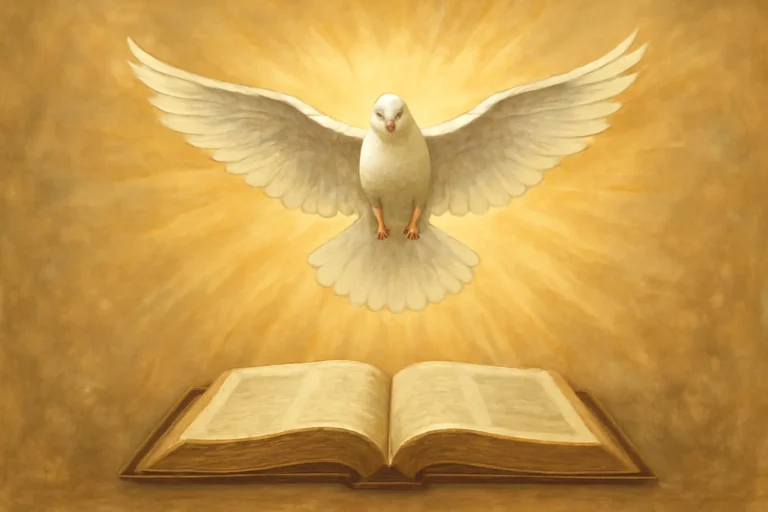
In the Bible, the dove symbolizes purity, peace, and the Holy Spirit. It often signifies divine approval, renewal, and the presence of God in moments of transition or revelation.
📖 Key Biblical Occurrences
Reference
Context
Symbolic Meaning
Genesis 8:8-12
Noah releases a dove after the flood to find dry land
Represents hope, renewal, and the end of judgment; the dove brings assurance of God’s mercy.
Matthew 3:16
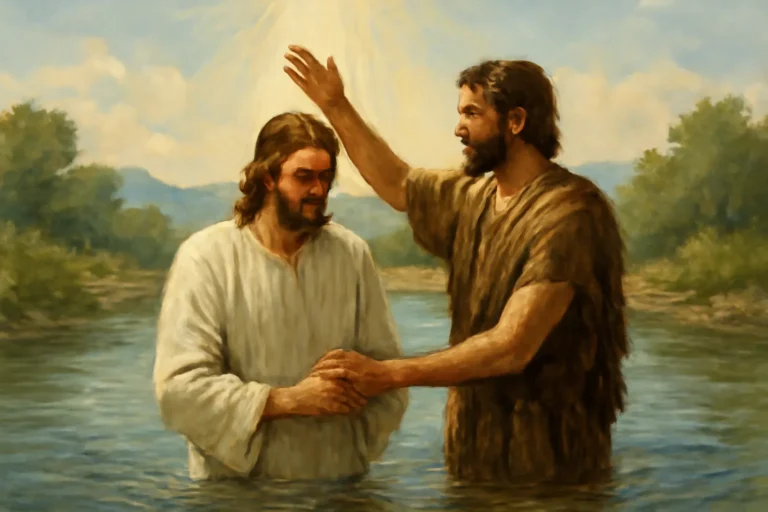
The Holy Spirit descends like a dove at Jesus’ baptism
Signifies divine approval, purity, and the anointing of Jesus by the Holy Spirit.
Song of Songs 2:14
Poetic depiction of love and divine union
Symbol of innocence, purity, and the soul’s gentle yearning for divine love.
📜 Old Testament Usage
In the Old Testament, the dove often appears as a symbol of peace and God's favor. After the flood, Noah's release of a dove underscores hope and renewal with the returning of land and life (Genesis 8). The dove also appears in rituals and sacrifices, emphasizing purity and divine approval. Prophets occasionally symbolized the Spirit of God as a dove, highlighting its association with sanctity. The dove's gentle nature marked it as an emblem of innocence and divine blessing throughout Israel's history, making it a fitting symbol for God's mercy and the promise of new beginnings in a sinful world.
✝️ New Testament Usage
In the New Testament, the dove primarily symbolizes the Holy Spirit, underscoring themes of divine presence, purity, and inspiration. During Jesus' baptism (Matthew 3:16), the descent of the Spirit as a dove affirms Jesus' divine mission and authority. The symbolism evolves to represent spiritual renewal and the peaceful kingdom of God, contrasting with conflict and chaos. The dove also signifies the believer’s renewal through the Spirit, emphasizing a divine embrace of mankind. This imagery fosters understanding of the Spirit’s gentle yet powerful influence in the life of Christ and believers alike, reinforcing core Christian doctrines about divine grace and sanctification.
Initially, in Genesis, the dove symbolizes hope, peace, and divine mercy after the flood. Through the prophetic literature, it embodies purity and divine endorsement. With the baptism of Jesus, it transitions into a clear sign of the Holy Spirit's presence, signifying divine approval and sanctification. In Christian theology, the dove develops into a universal symbol of the Holy Spirit, representing comfort, peace, and spiritual renewal. Over time, this symbolism broadens to encompass the church's mission of peace and reconciliation. Revelation hints at the final peace of God's kingdom, subtly linking the dove’s symbolism to the ultimate hope of divine harmony and renewal in eschatology.
🏛️ Ancient Near East Context
In surrounding cultures like Egypt, Babylon, Greece, and Rome, the dove was widely associated with love, fertility, and divine communication. In Egyptian mythology, doves symbolized the soul and the afterlife. The Greeks linked the bird to Aphrodite, representing love and beauty, while in Roman culture, doves signified peace and purity. These associations influenced the biblical view, enriching its use as a symbol of divine message and harmony. Its peaceful demeanor made it a universal symbol of hope and divine favor across the ancient Near East, reinforcing its spiritual significance in biblical narratives.
✡️ Jewish Interpretation
Jewish Rabbinic tradition interprets the dove as a symbol of innocence, peace, and divine favor. The image of the dove bringing back an olive branch after the flood illustrates hope and God's covenant with creation. Mystically, the dove represents the soul's purity and the presence of the divine Spirit. In Jewish thought, it also echoes themes of humility and renewal, emphasizing that true peace comes through divine blessing and righteousness. The dove's gentle nature reminds believers to embody humility and seek harmony with God and others.
Early Church Fathers and Christian theologians see the dove as emblematic of the Holy Spirit and divine grace. Augustine and Ambrose emphasized its role as a symbol of purity and the peaceful presence of the Holy Spirit during Jesus’ baptism. For many Christian traditions, the dove also signifies the Holy Spirit’s gentle, yet powerful, work in sanctification and spiritual renewal. It underscores the biblical message of divine love, peace, and the promise of new life through Christ, fostering trust in God's benevolence and guidance.
🔗 Typology: Connections to Christ
The dove prefigures the Holy Spirit descended at Jesus’ baptism, symbolizing divine approval and the beginning of Christ’s public ministry. It also typifies the church as a vessel of peace, purity, and divine guidance. Moreover, the dove's association with Noah’s ark prefigures salvation and the promise of new creation, pointing forward to Christ as the ultimate source of spiritual renewal and peace for humanity.
⛪ In Worship & Liturgy
The dove appears in Christian art, stained glass, and liturgical symbols to portray the Holy Spirit, especially during baptismal services. Churches often depict the dove descending from heaven as a reminder of divine presence. It is used in icons, banners, and religious paintings to emphasize themes of peace, purity, and divine inspiration. In liturgy, the dove may symbolize the Holy Spirit's active presence in sacraments such as baptism and confirmation, fostering a sense of divine blessing and sanctity in worship spaces.
🌍 Modern Cultural Impact
The dove has become an enduring symbol of peace and non-violence worldwide, notably adopted as a symbol by peace movements in the 20th century. Its image appears in art, literature, and popular culture as an emblem of hope, reconciliation, and spiritual purity. Films, logos, and campaigns often depict doves to evoke serenity and divine blessing, demonstrating its profound influence beyond religious contexts and embedding it into collective consciousness as a universal symbol of peace.
Many believe the dove always symbolizes only the Holy Spirit; however, in the Old Testament, it also represents hope, renewal, and divine mercy outside its later Christian associations.
Some assume the dove is solely a symbol of peace; while it does symbolize peace, it also signifies divine favor, purity, and the Spirit’s presence throughout Scripture.
❓ Frequently Asked Questions
What does the dove symbolize in the Bible?
The dove primarily symbolizes the Holy Spirit, peace, purity, and divine approval in biblical tradition.
Why did Noah release a dove after the flood?
Noah released the dove to find dry land and confirm that the waters receded, symbolizing hope, renewal, and God’s mercy.
How is the dove related to Jesus’ baptism?
During Jesus’ baptism, the Holy Spirit descended like a dove, signifying divine approval and the anointing of Christ by God.
Can the dove be considered a universal symbol of peace?
Yes, in modern culture, the dove has become a universal emblem of peace, often used in peace movements and political symbolism.
✨ Did You Know?
Historically, archaeological findings have uncovered ancient depictions of doves in Babylonian and Egyptian artifacts, emphasizing their longstanding association with divine communication and celestial favor across civilizations, predating their biblical use.