Major Events in Jesus Ministry: A Comprehensive Overview of His Public Ministry
From the Jordan River to the gates of Jerusalem, Jesus’ public ministry unfolds as a sequence of defining moments that reveal who he is, what he proclaimed, and how people responded to his presence. This article surveys the major events, milestones, and turning points that shaped his teaching, miracles, and mission. Each section highlights the key moments, the stakes involved, and the enduring significance for faith communities today. Bolded terms mark the most important ideas and events so readers can quickly identify the milestones of Jesus’ public life.
Baptism and Temptation: The Beginning of a Public Call
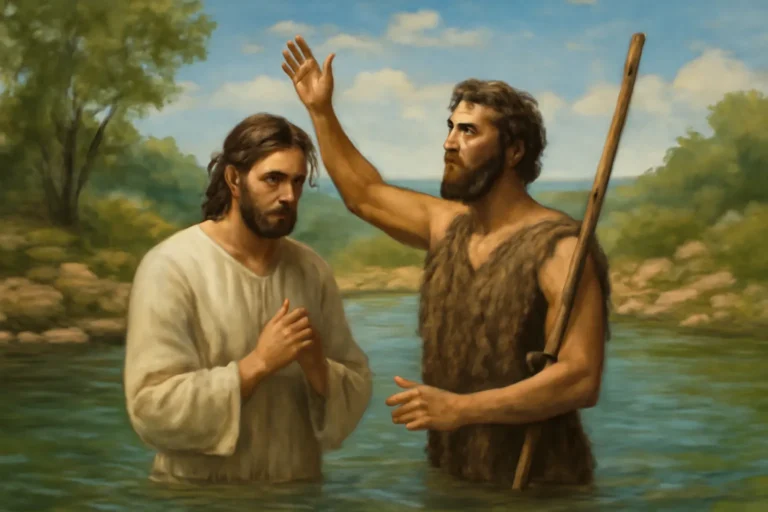
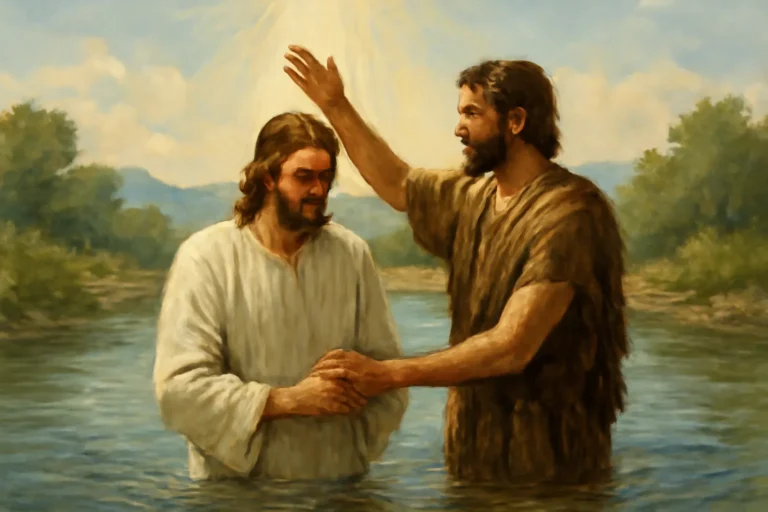
Baptism by John the Baptist represents the solemn inauguration of Jesus’ public ministry. Though without sin himself, Jesus submitted to baptism as a symbol of alignment with divine purposes and as a sign that a new era had begun. This moment is paired with a visible divine declaration: the heavens open, the Spirit descends like a dove, and the Father’s voice proclaims Jesus as the beloved Son. The baptism sets the tone for the subsequent years of ministry, anchoring Jesus’ authority in a divine affirmation rather than in human achievement.
Immediately after the baptism, the Temptation in the Wilderness tests Jesus’ resolve and clarifies the nature of his mission. In a stark confrontation with temptation, Jesus faces three tests that map onto temptations all humans encounter: turning stones into bread for sustenance, seeking power apart from God’s plan, and testing God’s protection. Jesus responds with Scripture and steadfast fidelity, demonstrating unwavering dependence on God’s will and establishing the pattern for his followers: fidelity, obedience, and trust even in the face of pressure. The temptation narrative also foreshadows the kinds of challenges Jesus will encounter as his ministry unfolds: opposition from religious authorities, the lure of shortcuts, and the cost of discipleship.
The Call and Early Galilean Ministry
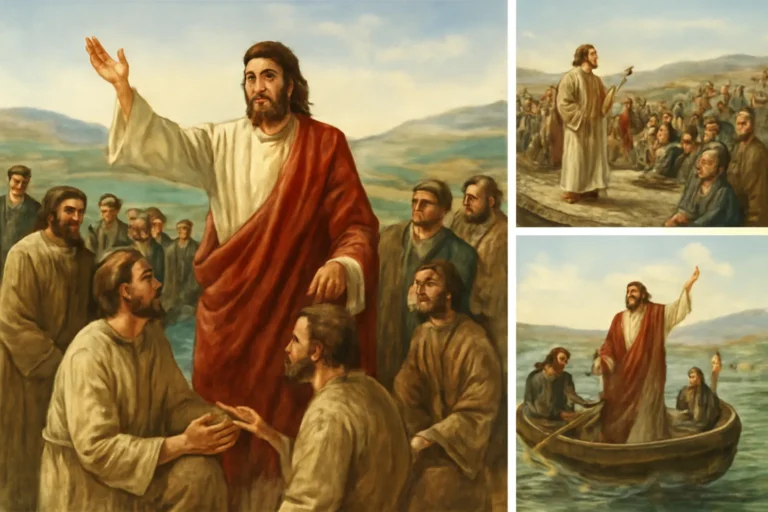
After his temptation, Jesus begins to call followers and set the framework for his public ministry in Galilee. This phase emphasizes proclamation, teaching, and demonstration of the kingdom in word and deed. The call of the first disciples marks a decisive moment: fishermen leave their nets to follow Jesus, thereby signaling a radical reorientation of their lives and a commissioning for mission.
The call of the fishermen—Peter, Andrew, James, and John—illustrates the radical invitation to leave familiar livelihoods and join a transformative work. The invitation is not merely personal; it is a summons to participate in the spread of the Kingdom of God. The narrative emphasizes confidence in Jesus’ authority and the promise of abundant future fruit from simple obedience.
First Signs and the Revelation of Authority
From the outset, Jesus demonstrates authority in teaching and healing. In the synagogue of Nazareth and across villages in Galilee, his preaching carries a freshness that astonishes listeners. Healing miracles and exorcisms accompany his teaching, signaling that the in-breaking of God’s reign is tangible in real lives. The themes common to this period include the inversion of social expectation, the prioritization of mercy over ritual observance, and the inauguration of a new normal where faith in Jesus aligns people with God’s purposes.
Galilean Teaching, Parables, and Miracles: The Core of Jesus’ Message
The core of Jesus’ ministry centers on proclaiming the Kingdom of God, teaching ethics and spiritual formation, and demonstrating mercy through healings and miracles. This section gathers key elements that define Jesus’ teaching style and public impact during the early to middle phase of his earthly ministry.
Key Teachings and the Sermon on the Mount
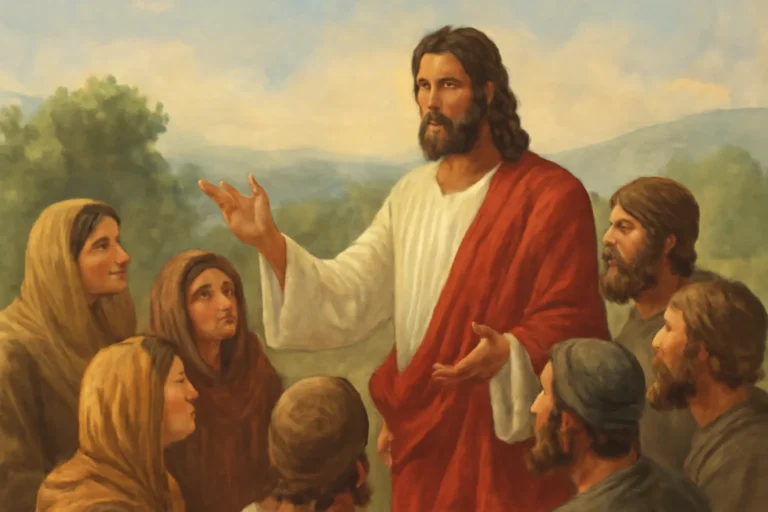
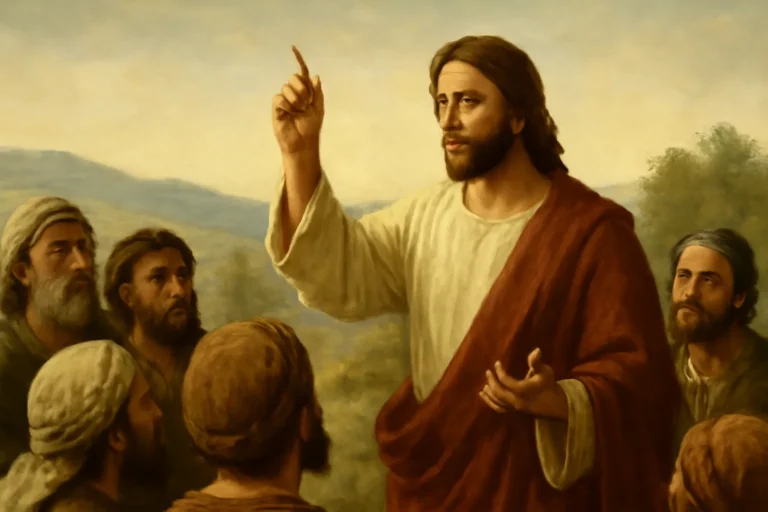
The Sermon on the Mount stands as a foundational text for Christian ethics. In this landmark discourse, Jesus offers radical reinterpretations of righteousness, humility, and human flourishing. The Beatitudes inaugurate a new paradigm of blessedness that values meekness, mercy, purity of heart, and peacemaking. He reframes moral law by addressing not only external actions but inner disposition, intention, and trust in God. The sermon also lays out practical guidance on prayer, fasting, and dependence on God’s provision, culminating in trust that one’s life should be characterized by a single, unwavering allegiance to the Father.
The moral vision is complemented by parabolic teaching, where Jesus presents the Kingdom in accessible, story-driven form. Parables such as the Sower, the Mustard Seed, and the Leaven convey truth through everyday images while inviting listeners to respond with faith, repentance, and a reoriented life. In this way, Jesus uses narrative to reveal hidden realities—how the Kingdom grows, prospers, and manifests itself in unexpected ways.
Miracles and Signs in Galilee
Throughout Galilee, Jesus performs a sequence of miracles that demonstrate compassion and authority. The healings—of the sick, the blind, the deaf, and the demon-possessed—are not merely acts of compassion; they are signs pointing toward the restoration of creation and the eradication of the effects of sin. Each miracle serves a dual purpose: it addresses immediate need and reveals something about the nature of the Kingdom. The miracles also challenge prevailing assumptions about purity, ritual, and who is considered righteous before God.
In this stage, Jesus also walks on water and stills storms, displaying mastery over nature and inviting his followers to trust him in the storms of life. The feeding of the multitudes becomes a powerful symbol of provision and generosity in the Kingdom—an emblem of abundance that invites awe and gratitude from the crowds who witness these signs of divine mercy.
The Mission Expands: Sending the Twelve and Expanding the Reach
As Jesus’ ministry grows, he expands his circle of influence by empowering the inner circle of his followers and sending them out to participate in ministry beyond his immediate presence. This expansion is crucial for understanding how the early church spread the message after Jesus’ departure.
The Sending of the Twelve
The Twelve receive authority to preach, teach, heal, and cast out demons. This commissioning signals a transition from a primarily teaching and healing ministry to a collaborative mission in which disciples participate in the work and continue it after Jesus’ ascension. The instructions given to the twelve emphasize dependence on God, wise discernment, and care for people who are vulnerable and marginalized.
Expanding Geographic Reach
Jesus travels through towns and villages in a route that increasingly covers broader territory than initial Galilean confines. The geographic expansion mirrors the growing awareness that the Kingdom has a universal scope and a message that transcends ethnic and cultural boundaries. The inclusion of Gentile encounters and cross-cultural interactions begins to be foreshadowed, setting the stage for a more expansive mission beyond Israel.
Controversies, Parables, and Clarifications of the Law
As Jesus teaches and heals, he faces increasing friction with religious authorities. The debates over Sabbath observance, ritual purity, and authority reveal the deep tensions between Jesus’ interpretation of the law and the traditions of the leaders. In response, Jesus offers clarifications that emphasize mercy, intent, and the spirit of the law, rather than mere external compliance. These engagements help readers understand the nature of Jesus’ authority and his reinterpretation of righteousness.
Jesus’ healing on the Sabbath and his statements about the true purpose of the Sabbath prompt intense discussions with Pharisees and scribes. His responses highlight a central theme: compassion over ritualism and human need over ceremonial restriction. The exchanges reveal a growing confrontation that foreshadows the climactic conflicts of Holy Week.
In addition to direct teaching, Jesus uses parables to reveal truths about the Kingdom of God while inviting listeners into a decision of response. The stories about soil, seeds, and hidden treasures operate on multiple levels, providing accessible entry points for lay audiences while demanding discernment from the educated elites. The use of parables demonstrates Jesus’ skillful pedagogy: truth is often delivered through everyday imagery that requires reflection and action.
Journey to Jerusalem: A Turn Toward the Fulfillment of Passages and Prophecy
As Jesus’ public ministry progresses, the trajectory moves toward Jerusalem, where prophetic fulfillment and the climactic confrontation with religious and political powers will unfold. This section traces the sequence of events that take Jesus from the northern regions to the heart of Jewish religious life and political authority, culminating in the events surrounding his suffering, death, and resurrection.
Approaches to Jerusalem: Teachings on the Path and the Road to the Cross
As Jesus travels toward the capital, he teaches about the nature of true leadership, servanthood, and the cost of discipleship. He predicts his passion and explains that power in his Kingdom is measured through humility, sacrificial love, and faithful endurance. These teachings prepare his followers for what lies ahead, offering a framework for understanding loss, suffering, and ultimate victory in God’s plan.
Public Encounters on the Road: Healing, Foretelling, and Authority
Along the journey, Jesus encounters individuals and crowds in need, offering healing and forgiveness. He also speaks of judgment and the necessity of a receptive response to the message he proclaims. The dynamics of these encounters reveal the tension between grace and accountability, and the divine compassion that remains at the center of his mission.
Holy Week and the Passion: Entry, Temple Cleansing, and the Ultimate Sacrifice
The final stretch of Jesus’ public life is marked by the last days in Jerusalem, a sequence of powerful events that culminate in the greatest sacrifice in Christian memory. Each moment carries theological weight and is remembered for its significance within salvation history.
Triumphal Entry and Temple Cleansing
The Triumphal Entry into Jerusalem signals the kingly aspect of Jesus’ mission, even as it confounds expectations of political power. The crowds acclaim a humble figure riding a donkey, signaling that the Kingdom’s power is expressed through service, peace, and justice rather than military prowess. Shortly thereafter, Jesus enters the Temple Complex, where his actions and teachings challenge the practices that have distorted worship. The Cleansing of the Temple dramatizes the demand for pure devotion and a reorientation of religious life toward mercy and righteousness.
Last Supper, Betrayal, and Trials
During the Passover week, Jesus gathers for the Last Supper with his disciples, instituting a memorial meal that would anchor Christian practice for generations to come. He frames the event in terms of a new covenant and calls his followers to continuous remembrance through the ritual of the bread and the cup. The subsequent Betrayal and Trials reveal the human dimension of abandonment and fear, even as the divine plan moves inexorably toward its fulfillment. The passion narrative—arrest, trials before Jewish and Roman authorities, and the Crucifixion on a hill outside Jerusalem—embodies the ultimate self-giving love and the atoning purpose of his mission.
The Resurrection and Appearances: the Victory of God over Death
The central centerpiece of Jesus’ public life culminates in the Resurrection, proclaiming victory over death and validating his identity as the Son of God. The empty tomb becomes a dramatic sign that God’s promises are trustworthy and that Jesus’ teaching is validated by divine power. The resurrection appearances—shared with followers in various settings—confirm that Jesus is alive, that his message is true, and that his work continues through his Spirit in the church.
In the aftermath of the Resurrection, the narrative emphasizes transformation: fearful disciples become bold witnesses, fear yields to hope, and ordinary fishermen are empowered to become agents of a global mission. These post-resurrection appearances function as a powerful bridge between the historical life of Jesus and the ongoing life of the church, illustrating how the risen Christ remains present with his people through shared worship, teaching, and mission.
The Commission and the Ascension: Sending and Sending Again
With the Resurrection securely established, Jesus commissions his followers to carry forward the work he began. The Great Commission becomes a foundational moment for Christian mission: to proclaim good news to all nations, to baptize, and to teach obedience in the name of the Father, Son, and Holy Spirit. This charge reframes the entire ministry as a living, ongoing movement rather than a finite historical event. The ascension, the departure of Jesus from the earthly stage, does not end the work; instead, it signals that the Spirit will empower the church to continue the mission until his return. The ascension thus marks a transition from narrative to ongoing, global participation in God’s plan.
Key elements of the commission include evangelism, baptism, discipleship, and teaching. The command to be witnesses to the ends of the earth underscores the universal scope of Jesus’ message and the community that carries it forward. The Ascension closes the public earthly chapter while opening a new chapter in which the Spirit guides, equips, and energizes believers for mission in every generation.
Legacy and Continuity: The Impact of Major Events in Jesus’ Ministry
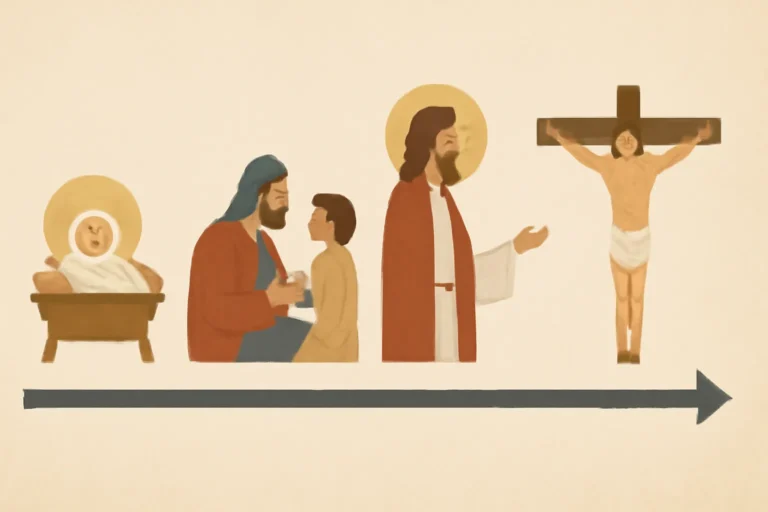
Beyond the chronological sequence, the major events in Jesus’ ministry form a coherent narrative about the character of God, the nature of the Kingdom, and the call to live with integrity and mercy. Several themes recur, weaving the entire arc into a living tradition that informs faith, worship, and ethical life today:
Authority and identity: Jesus speaks with divine authority, performs signs that reveal God’s presence, and identifies himself as the fulfillment of God’s promises.
Kingdom ethics: The teachings emphasize inner transformation, compassion for the vulnerable, and a radical redefinition of righteousness that aligns with God’s purposes.
Outreach and inclusion: The mission expands beyond traditional boundaries, welcoming Gentiles and marginalized groups into the unfolding work of God’s kingdom.
Healing and restoration: Physical, spiritual, and social healing accompany proclamation, signaling God’s intention to restore creation to its intended harmony.
Hope and endurance: Even in conflict and suffering, Jesus’ life demonstrates steadfast faithfulness and invites followers to place their trust in God’s plan.
This long arc—beginning with baptism and temptation, proceeding through public teaching and miracles, moving toward passion and resurrection, and culminating in the Great Commission—provides a comprehensive overview of Jesus’ public ministry. Each major event contributes a distinct thread to the tapestry, enriching theological reflection, liturgical practice, and personal faith. By considering the sequence, readers gain insight into the structure of Jesus’ mission and the ways in which his life continues to influence communities around the world today.
In sum, the major events in Jesus’ ministry are not isolated anecdotes but a unified story with a coherent purpose: to reveal the character of God, to announce the dawn of the Kingdom, and to invite humanity into a transformative relationship with the divine. From the waters of the Jordan to the hills of Galilee, through the roads of Jerusalem and into the lives of countless followers, Jesus’ public ministry remains a central anchor for belief, study, and practice in communities around the globe.