Confirmation After Baptism Catholic: A Practical Guide
Confirmation After Baptism Catholic: A Practical Guide offers a thorough look at one of the Church’s key moments of grace. This article explains how the sacrament of Confirmation relates to baptism, what to expect in the rite, and practical steps for individuals and families who are preparing to receive this sacrament after Baptism. It also covers common questions, preparation timelines, and ways to continue growing in faith after the sacrament of Confirmation.
Understanding the relationship between Baptism and Confirmation
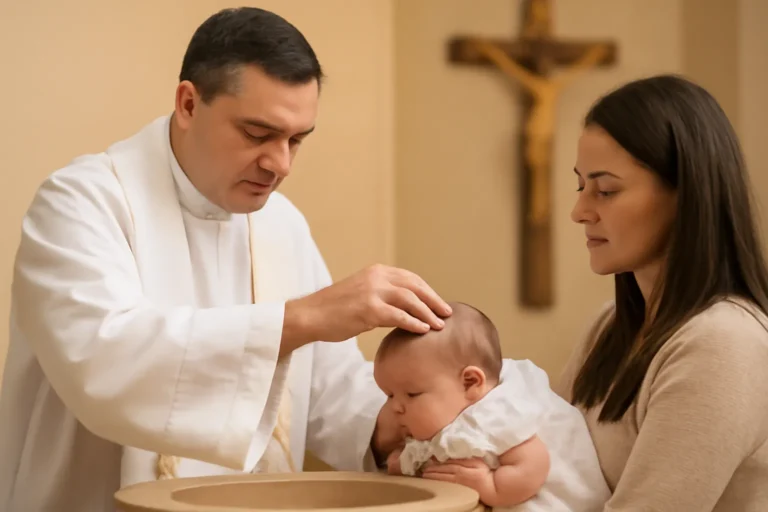
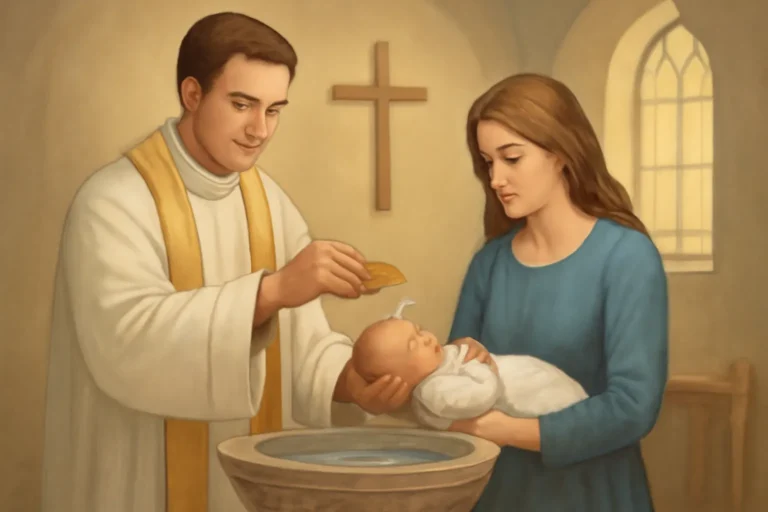
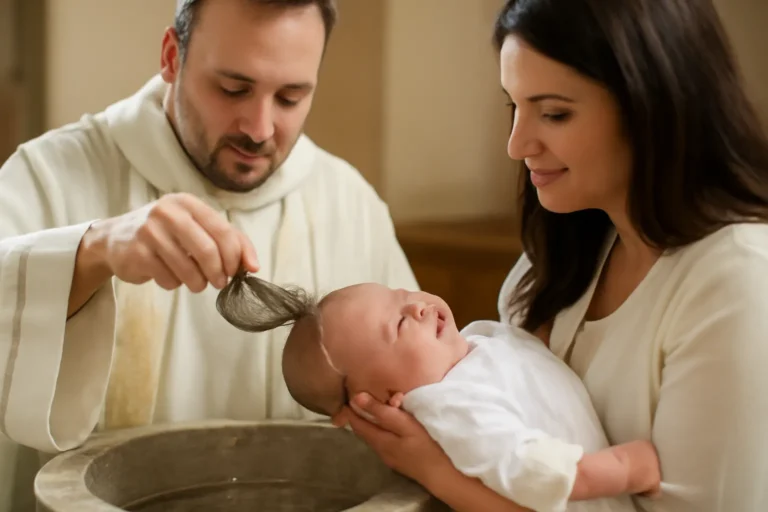
In Catholic theology, baptism and Confirmation are two distinct sacraments that together help a believer participate more fully in the life of Christ. Baptism initiates a person into the Body of Christ, cleansing from sin and making them a member of the Church. Confirmation strengthens that baptismal grace and equips the believer with the gifts of the Holy Spirit to live as a mature, faithful Catholic. While baptism is the doorway to Christian life, Confirmation is often described as the moment when faith is publicly professed and the Holy Spirit is renewed and deepened within the soul.
Throughout the history of the Church, the relationship between these two sacraments has varied by region and rite. In the Latin or Western Church, Confirmation is typically a separate celebration that follows Baptism, especially after infancy. In the Eastern Catholic Churches, these sacraments are often celebrated together shortly after birth. For those learning about the Catholic sacramental life, understanding this distinction helps clarify why one may encounter both sacraments in different contexts. The essential reality remains: confirmation after baptism confirms Baptismal grace and strengthens the Christian to live out the faith with courage and fidelity.
The purpose and significance of post-baptismal confirmation
The practice of when to receive Confirmation after Baptism varies by age and circumstance, but several common patterns exist. For many Catholics, Confirmation is received around the age of reason (about 7 years old) or later, after appropriate catechesis. In some dioceses, Confirmation is celebrated separately in adolescence or adulthood, while in others it may be conferred together with First Holy Communion at the appropriate time in a parish program.
Important scenarios include:
Children and adolescents who have been baptized as infants and are now prepared for the sacrament after catechetical instruction.
Adults converting to Catholicism who have already been baptized in another Christian tradition or who are joining the Catholic Church through RCIA (Rite of Christian Initiation of Adults) or a similar program. In these cases, Confirmation is often completed as part of the initiation process.
Adults baptized in the Catholic Church who have not yet received Confirmation; they may undergo a focused formation track to prepare for the sacrament.
Special circumstances where a bishop delegations or a priest-appointed delegate may confer the sacrament in extraordinary situations, ensuring the faithful can receive the grace they seek.
Preparation for Confirmation is a concrete journey of catechesis, prayer, and formation. A well-organized plan helps candidates understand the meaning of the sacrament and grow in a living relationship with Christ. Here is a practical guide to the preparation process:
Administrative prerequisites
Verify eligibility with the local parish pastor or Confirmation director.
Provide a copy of the baptism certificate and any necessary documentation from RCIA or catechesis programs.
Choose a sponsor who is a confirmed Catholic in good standing and who can accompany the candidate on the journey of faith. The sponsor’s role includes spiritual support and practical mentorship.
Consider the possibility of a confirmation name or a patron saint, if the diocese encourages or requires it; this is a meaningful way to model a Christian vocation.
Spiritual and doctrinal formation
Participate in regular catechesis or RCIA-style classes to learn about the gifts of the Holy Spirit, the Creed, the Sacraments, and the moral life of a disciple.
Engage in personal prayer, such as daily examination of conscience, Scripture reading, and the Liturgy of the Hours or simple prayers for guidance.
Attend Mass regularly and receive the Eucharist with reverence as an expression of growth in faith.
Take part in service and outreach activities to live out the Gospel call in concrete ways.
Formation timelines and retreats
Create a study plan that spans several weeks or months, with regular meeting times and occasional retreats or days of reflection.
Include opportunities to reflect on the seven gifts of the Holy Spirit and how they can guide daily decisions.
Incorporate opportunities to meet with the sponsor to discuss faith, vocation, and practical steps for living as a practicing Catholic.
The Confirmation rite: what happens on the day
The rite of Confirmation is rich with symbolism and grace. While the exact order can vary by diocese, the essential elements are consistent across the Catholic Church. Here is a typical outline of what to expect during the celebration:
The liturgy of the Word and renewal of Baptismal promises
The celebration often begins with readings from Scripture and a homily. The candidate publicly reaffirms the Baptismal Promises, which may involve recalling the baptismal vows taken by the candidate’s parents and godparents. This public profession of faith signals a mature commitment to live as a disciple of Christ.
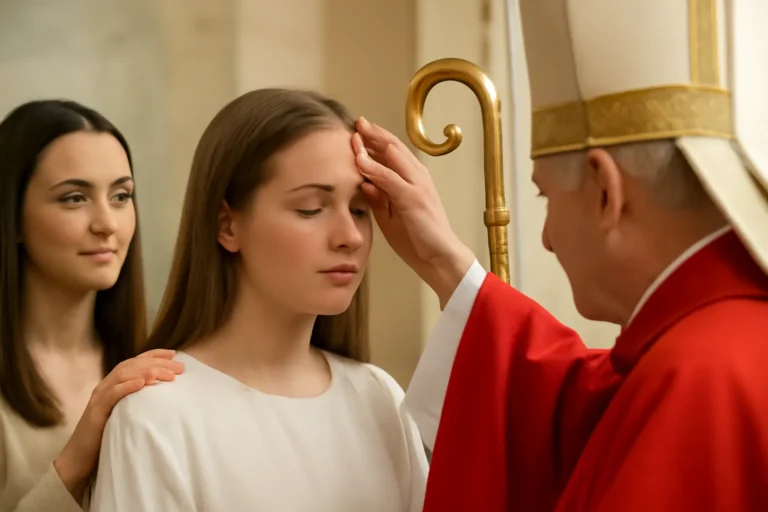
One of the most recognizable moments of the Confirmation rite is the laying on of hands by the bishop or a designated priest. This gesture invokes the Holy Spirit. Immediately after, the candidate is anointed with Sacred Chrism on the forehead, in the form of a cross. The priest or bishop speaks, “Be sealed with the Gift of the Holy Spirit,” and the candidate answers, “Amen.” This anointing is a powerful sign of receiving the Spirit’s gifts for mission and service.
The sign of peace
After the anointing, the minister gives the sign of peace to the confirmand to symbolize unity with the Church and with believers who share in the grace of the Spirit. This gesture invites the newly confirmed to imitate Christ in love and reconciliation.
In most celebrations, the distribution of the Eucharist follows the Confirmation rite for those who are properly disposed. Some confirmands, especially those who receive Confirmation together with First Holy Communion, will receive the Eucharist as part of this unified celebration. The bishop or priest offers a final blessing, calling the faithful to go forth as witnesses to the Gospel.
Life after Confirmation: growing as a fully initiated Catholic
Receiving Confirmation marks a new phase in the life of a Catholic. It is not the end of formation but the beginning of a deeper journey of faith. Here are practical steps to ensure growth after the sacrament:
Participate actively in parish life—join a parish ministry, youth group, or volunteer team to contribute to the life of the community.
Receive the Eucharist regularly and with appropriate reverence, recognizing the ongoing formation of the soul through the Body and Blood of Christ.
Keep daily prayer and Bible reading as foundations for daily living and decisions.
Strengthen the sacramental life by frequent confession, especially during times of sin or spiritual dryness.
Seek ongoing catechesis and faith formation that addresses contemporary issues, moral discernment, and vocational questions.
Live the gifts of the Spirit by practicing wisdom, courage, and justice in family life, school, work, and community involvement.
Sponsors, saints, and symbols: guiding supports for the journey
Several elements play a role in the experience of the Catholic sacramental life after Baptism:
Sponsor or godparent-like mentor who assists the candidate in faith. The sponsor should be a confirmed Catholic who participates in the faith and can provide ongoing spiritual support.
Saints and their intercession offer a model for Christian life. The choice of a patron saint can inspire prayer, virtue, and fidelity to Christ.
Holy Spirit gifts—the seven gifts—serve as practical resources to navigate life with discernment and grace.
Common questions and scenarios about Confirmation after Baptism
Several questions often arise for families and individuals preparing for this sacrament. Here are answers to frequent concerns:
What if I was baptized Catholic but never confirmed?
In this situation, you are not “already fully Catholic” in the sense of having completed the full set of initiate sacraments. You still receive the fullness of grace through Confirmation, which completes your baptismal character. You should contact your parish to enroll in a preparation program and plan the rite with the pastor and bishop or delegated priest.
Can adults who were baptized in another Christian tradition be confirmed?
Yes. In Catholic practice, adults who were baptized in another Christian church and who enter into full communion with the Catholic Church typically receive Confirmation as part of their reception. The process often occurs within RCIA or a tailored catechetical program, with a sponsor and a suitable period of instruction.
Is Confirmation the same as First Communion?
Not exactly. First Holy Communion is the reception of the body and blood of Christ for the first time and is typically associated with Baptism and Confirmation in the Catholic sacramental order. In many parishes, Confirmation is a separate sacrament that strengthens baptismal grace; in some dioceses, however, the two sacraments are conferred together at a younger age. Regardless of scheduling, both are essential elements of the Church’s initiation process.
What if I cannot receive the bishop’s blessing due to illness or distance?
Divine mercy and pastoral care adapt to circumstances. In some cases, a priest may confer the sacrament with episcopal permission, or a delegated priest may administer the laying on of hands and anoint with Chrism. The key is to pursue the sacrament as soon as possible and to maintain ongoing spiritual formation.
Choosing a confirmation name is a meaningful tradition for some Catholics. It serves as a reminder of one’s baptismal call and the example of a patron saint. It is not required everywhere, but if your diocese encourages or requests it, selecting a saint’s name can deepen your spiritual identity and inspire a life of virtue.
Helping young people or adults prepare for Confirmation requires practical strategies and supportive relationships. Here are actionable recommendations:
Establish a predictable class or meeting schedule with consistent teachers and mentors who model Catholic living.
Provide varied teaching formats—Bible study, catechetical lectures, group discussions, and service projects—to meet different learning styles.
Encourage daily prayer and Scripture engagement as part of the preparation plan.
Coordinate service opportunities that connect faith with real-world acts of charity and justice.
Facilitate opportunities for Confession and a strong reception of the Eucharist as ongoing formation.
Baptism
The first sacrament of initiation, cleansing from sin, and entry into the Church. It lays the foundation for a life of faith.
Confirmation
The sacrament that seals the baptized with the gifts of the Holy Spirit, strengthening for Christian witness and service.
Sacred Chrism
The blessed oil used during the Confirmation anointing, symbolizing the Spirit’s seal and mission.
RCIA
The Rite of Christian Initiation of Adults, the process by which adults become Catholic and receive the sacraments of initiation.
Sponsor
A confirmed Catholic who supports the candidate’s faith journey and serves as a spiritual guide.
Receiving Confirmation marks a significant milestone in the life of a Catholic, but it is not the final destination. The grace received in this sacrament calls the faithful to ongoing conversion, practical evangelization, and deepening friendship with Christ. The journey includes regular participation in the Mass, frequent confession, daily prayer, and active service within the parish and community. As you grow in faith, you will discover that the Gifts of the Holy Spirit are not just symbols but real powers at work in daily life—guiding decisions, strengthening relationships, and inspiring deeds of love and truth.
If you are preparing to receive Confirmation after Baptism—or supporting someone who is—here are concise, practical steps to begin now:
Contact your parish office to learn the local schedule, eligibility, and any required documents.
Arrange a meeting with the pastor or Confirmation coordinator to discuss catechesis, sponsor selection, and the timeline.
Choose a sponsor who can commit to regular spiritual mentoring and accountability.
Start or continue a personal prayer routine and Scripture study, focusing on the life of Jesus and the gifts of the Spirit.
Engage in service opportunities to live out the Gospel and embody the Gospel message in daily life.
In summary, Confirmation after Baptism is a precious opportunity to renew and strengthen the grace received at Baptism, to be empowered for Christian witness, and to participate more fully in the life of the Church. By preparing well, entering the rite with reverence, and continuing to grow in faith afterward, the baptized person becomes a more courageous and compassionate witness to Christ in the world. Whether you are a parent guiding a child, a sponsor supporting a teen, or an adult seeking to complete your initiation, the practical steps outlined in this guide can help you approach this sacrament with clarity, purpose, and hope.
May your journey toward Confirmation after Baptism be blessed with grace, clarity, and the joy of a faith that grows stronger each day.