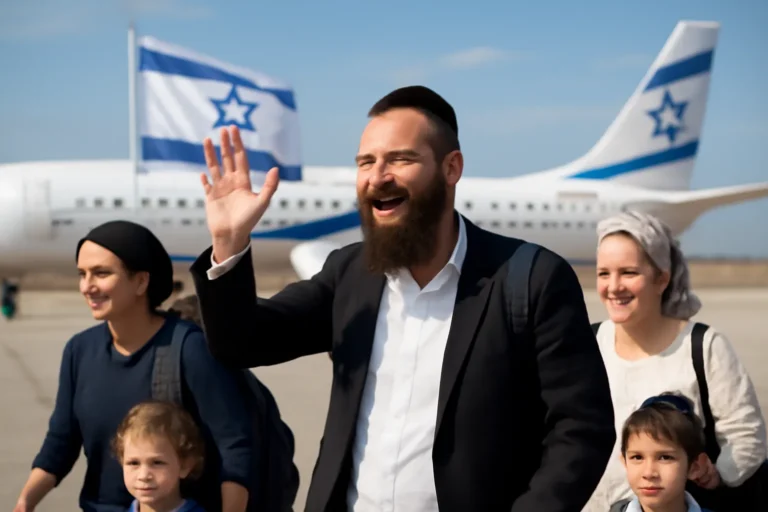
Jews Return to Israel: Demographics, Causes, and Global Implications
The phenomenon commonly known as Aliyah—the Jewish return to Israel or the ingathering of exiles—has shaped the modern Middle East and the Jewish world for more than a century. It is a complex process driven by historical memory, religious and cultural ties, political ideology, security considerations, and evolving economic opportunities. This article surveys the demographics of the return, examines the causes that motivate Jews to pursue migration to the Jewish state, and explores the global implications of this ongoing migration for Israel, the Jewish diaspora, and the broader international community. While the language of migration is practical, the underlying story is also about identity, belonging, and a shared future that spans continents and generations.
Demographics of the Return
To understand the scale and rhythm of Jews making their way home, it helps to recognize both the historical waves and the contemporary patterns. The demographic tale of Jews returning to the land of Israel reflects a longue durée of Zionist movement, state-building, and crisis-driven migration, punctuated by periods of relative stability and by new spurts of immigration in response to global events. Some of the most influential migratory currents have reshaped the population profile of the state and the composition of Jewish communities worldwide.
Historical waves of aliyah
First Aliyah (1882–1903): A small but symbolically potent movement in which several tens of thousands of Jews, primarily from Eastern Europe and the Russian Empire, settled in agricultural colonies in Ottoman Palestine. This early migration helped plant the seeds of modern Hebrew culture and introduced new patterns of settlement and labor.
Second Aliyah (1904–1914): A more transformative wave that produced many of the leading figures in the Zionist movement and established kibbutzim and moshavim. Although smaller in absolute numbers than later waves, the Second Aliyah had a lasting impact on politics, education, and the social fabric of the emerging Jewish society.
Third Aliyah (1919–1923): A period marked by renewed settlement and the consolidation of settlement infrastructure in the Mandate era, reinforcing the link between Jewish national revival and land development.
Postwar and late-20th century waves, culminating in mass aliyah from the former Soviet Union (FSU) in the 1990s: Following the collapse of communism, roughly hundreds of thousands of Jews left the post-Soviet space, reshaping the demographics of Israel with a large influx of diverse communities and skills, many of whom integrated into high-tech sectors and academia.
Subsequent waves from Ethiopia (1980s–1990s, including Operation Moses and Operation Solomon) added a rich layer of cultural and religious diversity to Israeli society
More recent movements from France, North America, and other parts of Europe in response to social, security, and political pressures, continuing the pattern of mobility driven by crisis or opportunity
Current demographic landscape
As of the early 2020s, the Jewish population of Israel is widely estimated at around 7.5 million, a figure that places Israel at the heart of the global Jewish community. In parallel, the Jewish presence abroad remains substantial, with the largest communities located in the United States, France, Canada, the United Kingdom, and various countries in Africa, Europe, and the Middle East. These distributions influence both domestic Israeli policy and international Jewish philanthropy, education, and political advocacy. The diaspora’s size and wealth of experience often feed back into Israel through volunteering, aliyah sponsorship, and institutional links.
Within Israel, the demographic composition has gradually diversified as waves of migration brought people with different linguistic, cultural, and religious backgrounds. The integration of sizable communities—FSU émigrés, Ethiopian Jews, and Western-born Jews—has produced a mosaic of languages (Hebrew as the unifying lingua franca, with Russian, Amharic, English, and French widely spoken in community networks), religious observance levels, and cultural expressions. This integration exercise has been both a source of vitality and a policy challenge, as the state seeks to preserve a cohesive social contract while honoring pluralism.
In evaluating the impact of the return, analysts pay attention to the demographic balance in Israel: age structures shaped by immigration, fertility rates among different communities, and the distribution of immigrants across urban and rural areas. While Israel’s overall fertility rate has fluctuated, it remains a key determinant of long-term population growth. The influx of younger families from diverse backgrounds has, in many periods, provided an upswing in school enrollments, housing demand, and infrastructure usage, while also highlighting the need for scalable urban planning and affordable housing policies.
Causes and Drivers
The decision to undertake the journey back to the land of Israel emerges from a nexus of pull factors and push factors. The return migration is not a single monolithic impulse; rather, it reflects a spectrum of individual motivations, family considerations, and collective narratives that have evolved over time. Explaining why Jews decide to make aliyah entails looking at ideology, identity, security, and opportunity as interconnected forces.
Core drivers and motivators
Religious and cultural bonds to the land: For many, the return to Zion is rooted in centuries of religious longing, sacred geography, and liturgical memory. The idea of rebuilding a Jewish homeland in the historic homeland remains a compelling moral and spiritual imperative for some communities.
Historical and national revival: Zionist ideals and the practical project of state-building foster the belief that the Jewish people can exercise self-determination in a sovereign political entity. The aspiration to shape national life through democratic institutions and civic participation is a strong pull factor for many immigrants.
Security and safety: In moments of crisis—whether due to antisemitic violence, geopolitical tensions, or regional instability—return migration can be seen as a way to ensure physical safety and to participate in a community that is perceived as capable of defending its own social order.
Economic opportunities and professional advancement: Israel’s high-tech ecosystem, rising investments in innovation, and the demand for skilled labor attract professionals, graduates, and entrepreneurs seeking a dynamic labor market, lucrative career paths, and access to startup opportunities.
Educational and social services: The availability of robust educational systems, research institutions, and healthcare infrastructure can be decisive for families evaluating long-term residence and child-rearing prospects.
Legal and organizational frameworks: The existence of a formal legal framework that supports Jewish migration, principally the Law of Return, plus organized programs that facilitate relocation, networking, and integration, lowers the barriers to moving.
Diaspora networks and support mechanisms: Organizations such as Nefesh B’Nefesh and the Jewish Agency create pathways for prospective immigrants, offer guidance, help with documentation, and connect families to housing and employment in destination communities.
While these drivers illuminate broad trends, the specific decision to return is often shaped by personal histories, family considerations, and the immediate political climate in a given country of origin. The ongoing conversation about aliyah remains deeply personal for many Jews who weigh the emotional pull of homeland against the practical realities of relocation and assimilation.
Global Implications
The global implications of Jews returning to Israel extend beyond national borders. The dynamics of migration influence geopolitics, diaspora relations, economic development, and cultural exchange. As Jews make aliyah and the
world watches, several interrelated effects emerge that shape policy, identity, and international cooperation.
Geopolitical and security considerations: The movement of Jews to Israel intersects with regional politics, defense planning, and alliances. Immigration from crisis-prone regions can alter the security calculus of the state, affecting defense priorities, border policy, and international diplomacy. External events—such as wars, terrorism, or political upheaval—tend to intensify migration pressures and often heighten awareness of Israel’s security environment among Jewish communities abroad.
Demographic and social cohesion in Israel: Absorbing new immigrants requires concerted absorption policies, housing expansion, language acquisition programs, and labor market integration. The presence of newcomers with different experiences and expectations—particularly from diverse diasporic backgrounds—can enrich Israeli culture while challenging existing social arrangements. This tension illuminates why integration policies are central to national planning.
Economic vitality and innovation: Immigrant cohorts frequently contribute new skills, entrepreneurship, and knowledge networks. In many cases, Jews arriving from high-tech economies join Israel’s Start-Up Nation ecosystem, enhancing competitiveness, productivity, and research capacity. Diaspora connections also drive foreign direct investment and collaboration with universities and industry.
Philanthropy, education, and cultural exchange: The diaspora remains a critical source of philanthropy, scholarship, and cultural exchange programs that support schools, cultural centers, and research initiatives in Israel. Conversely, returnees carry with them a global perspective that can diversify curricula, arts, and media in Israeli society.
Identity and memory politics: The continuous dialog between the Israeli state, Jewish identity, and diaspora communities shapes how Jews around the world conceive of belonging, memory, and political advocacy. The language of “return” resonates in some communities as a symbol of hope and resilience, while in others it raises questions about plurality, civil rights, and the rights of minorities within Israel itself.
In discussing these global implications, it is essential to recognize the emotional and symbolic power of the ingathering of exiles as well as its empirical consequences for policy, budgeting, and national priorities. The narrative of the return is not only about numbers; it is about how a population defines its future in a rapidly changing world.
Policy and Legal Frameworks Surrounding the Return
Policy design and legal frameworks profoundly shape who can make the journey, how they are received, and the conditions under which they integrate into society. The most enduring and contested policy instrument in this area is the Law of Return, which establishes the right of Jews to immigrate to Israel and acquire citizenship. At the same time, the practical implications of this right depend on absorption policy, labor market dynamics, housing policy, and social services that support newcomers.
Law of Return (1950): This foundational law states that any Jew, as well as a child or grandchild of a Jew, has the right to immigrate to Israel and obtain citizenship. The law’s interpretation and the breadth of eligibility have sparked debates about eligibility criteria, conversion, and the status of non-Jewish family members who join the immigrant family through mixed marriages or other paths.
Implementation actors: The Jewish Agency, Nefesh B’Nefesh, and other government and NGO bodies coordinate the registration, documentation, orientation, and initial relocation to absorb the newcomers into Israeli life. These organizations provide pre- and post-mestination services, from flights and housing assistance to language classes and job placement support.
Absorption and integration policies: Beyond citizenship, Israel’s absorption framework covers housing allocation, social services, language instruction (Hebrew), schooling for children, and access to healthcare and welfare benefits. The effectiveness of these programs influences the speed and success with which new immigrants contribute to the economy and social fabric.
Debates and reforms: The ongoing policy discourse often centers on balancing demographic objectives with concerns about pluralism, religious-secular divides, and the equitable treatment of non-Jewish residents who also contribute to the country’s growth.
As migration patterns evolve—particularly in response to global instability, climate pressures, and geopolitical shifts—policy makers continually reassess the alignment between immigration policy, labor market needs, housing supply, and social cohesion. The long arc of the return reflects a dynamic equilibrium between the right to immigrate and the state’s capacity to integrate newcomers in a way that sustains economic vitality and social harmony.
Challenges and Opportunities for Absorption
Every wave of migration introduces a set of challenges and opportunities. For Israel, the task of absorbing newcomers entails accelerating language acquisition, connecting immigrants to job opportunities, ensuring access to affordable housing, and fostering social integration while preserving a shared national identity. This process has historical echoes in earlier stages of Israeli statehood when large groups arrived with varied backgrounds and a common desire to contribute to a new society.
Housing and urban planning: Accommodating tens or hundreds of thousands of new residents can strain housing markets in major cities. Policy responses include expanding construction in growth corridors, incentivizing affordable housing, and developing periphery towns to promote balanced regional growth.
Education and language: Hebrew fluency and literacy are foundational for participation in the labor market and public life. Schools, night courses, and employer-led training programs help bridge gaps for adult immigrants and school-age children navigating new systems.
Labor market integration: Matching skills with local demand is essential for reducing unemployment among newcomers, particularly for highly educated professionals from the FSU or Western countries. Vocational training, accreditation recognition, and entrepreneurship support are critical components.
Social cohesion and identity: The arrival of diverse communities invites dialogue about pluralism, civil rights, and the relationship between Jewish identity and Israeli nationality. Programs that encourage intercultural exchange help build social trust and reduce tensions.
Regional disparities: Migration patterns can exacerbate inequalities between central and peripheral regions. Policy measures may include incentives for settlement in less developed areas and investments in infrastructure to ensure accessibility and opportunity across the country.
These challenges, however, are shadowed by substantial opportunities. New immigrants bring fresh perspectives, professional networks, and a global mindset that can accelerate innovation, research, and cultural life. The cultural synergy created by mixing different Jewish experiences—from the Warsaw Ghetto memoirs to Tel Aviv’s startup culture—enriches the social fabric and fosters a dynamic, evolving national story.
Historical and Cultural Dimensions
The return to Israel is not only a policy phenomenon; it is deeply entwined with memory, faith, and historical narrative. For many, the idea of “return” resonates with centuries of longing, biblical associations with the land, and a sense of communal destiny. Yet, in a modern secular republic, the question of what it means to be a Jewish citizen in a Jewish-majority state also invites critical reflection on inclusion, civil rights, and the boundaries of national identity.
Religious significance: The connection to the land of Israel—described in sacred texts and liturgy—remains a powerful motivational force for individuals and communities. Synagogues, study circles, and religious institutions across the diaspora help sustain a shared sense of purpose that fuels the movement back to the homeland.
Secular Zionism and nation-building: At the same time, many immigrants approach aliyah from a secular or civic standpoint, emphasizing self-government, democratic institutions, and social welfare. The synthesis of religious memory with secular nation-building has been a defining feature of Israel’s modern history.
Cultural exchange and transformation: Immigrants contribute to Israeli literature, music, art, and cuisine, while also absorbing Israel’s urban culture, technological ethos, and educational systems. This cross-pollination strengthens the nation’s cultural vitality and international appeal.
Future Outlook and Global Context
Looking ahead, several trajectories appear likely as the diaspora and new generations of Jews weigh their options and Israel continues to evolve. The balance between maintaining a strong connection with the global Jewish community and addressing domestic needs will shape policy, economics, and social life in the years ahead.
Population projections: Israel’s Jewish population is expected to grow, driven by natural increase and continued immigration. The state will need to plan for housing, education, healthcare, and transportation to sustain a growing urban population and to preserve quality of life.
Innovation and economic growth: Immigrants often bring specialized skills, languages, and international networks that intensify knowledge exchange and entrepreneurship. This has potential to reinforce Israel’s role as a global hub for technology, science, and culture.
Geopolitical shifts: The region’s political landscape continues to shape migration patterns. Alliances with diaspora communities, evolving security arrangements, and diplomacy with other nations influence the incentives and feasibility of migration to the Jewish state.
Social fabric and civil discourse: The integration of diverse Jewish identities requires ongoing dialogue about equity, inclusion, and pluralism. A robust civil society, education system, and media literacy will be essential to navigate differences while maintaining national cohesion.
Philanthropy and global solidarity: The diaspora’s support for Israel’s education, health, and welfare programs remains a cornerstone of the broader relationship. Philanthropic networks, international partnerships, and volunteer programs continue to shape developmental outcomes in Israel and across Jewish communities worldwide.
In sum, the return of Jews to Israel—whether described as aliyah, the ingathering of exiles, or the migration of diaspora communities—serves as a powerful case study in how historical memory, political design, and economic opportunity intersect to shape the trajectory of a nation. The business of nurturing a society that welcomes newcomers while preserving its core values is ongoing, and its success will depend on thoughtful policy, inclusive civic life, and sustained international cooperation.
Practical Dimensions: How the Return is Facilitated and Measured
Beyond the high-level narrative, practical mechanisms govern how the migration to Israel unfolds and how success is evaluated. These dimensions matter to prospective immigrants, policymakers, scholars, and civil society activists who seek to understand what works, what doesn’t, and why.
Immigration pathways: The Law of Return provides a legal route to citizenship and residency, often complemented by organized programs that streamline paperwork, housing, and initial settlement services. This combination of legal rights and logistical support underpins a predictable entry process for many families.
Settlement and housing programs: Municipal planning, grants, and subsidies for new residents help reduce the cost of settlement in major centers. Programs aimed at promoting absorption include language courses, job placement services, and cultural integration initiatives.
Education and vocational training: Immigrant children access education with language support while adults participate in job training, credential recognition, and entrepreneurship courses. The aim is to enable newcomers to contribute fully within a reasonable time frame.
Community networks: Local community organizations, synagogues, and cultural centers offer social support, mentorship, and a sense of belonging that can ease adaptation and retention in Israel’s society.
Measurement and accountability: Government ministries and NGOs track integration indicators such as employment rates, housing stability, and educational attainment to adjust programs and funding. This data-driven approach helps refine policy responses over time.
For scholars and policy observers, the ongoing migration of Jews to Israel provides a lens into how a nation navigates demographic change, statehood, and citizenship in a global era. It is simultaneously a deeply personal experience for individuals and a strategic national process with implications for regional stability, economic resilience, and cultural life.