What Is an Evil Spirit? Definition, Origins, and Signs You Might Be Encountering One
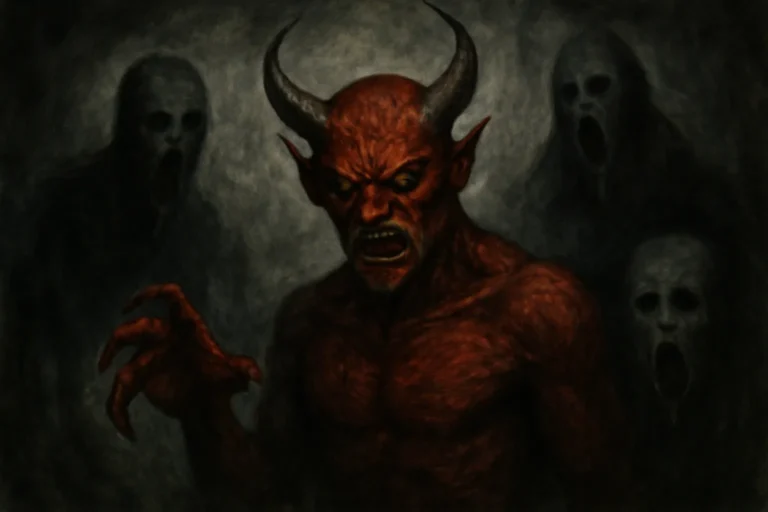
What is an evil spirit? The phrase itself can feel simple, but when you look across cultures, histories, and beliefs, it becomes a complex tapestry of meanings. In broad terms, an evil spirit is described as an unseen, malevolent entity believed to cause harm, fear, distress, or disruption. Different traditions may call this presence by different names—demon, malignant entity, sinister spirit, dark energy, or haunting force—but the core idea is that the entity operates with harmful intent and without a benevolent motive. This article explores what it means to call something an evil spirit by examining definitions, origins, and the signs people report when they encounter one, as well as the ways scholars, theologians, healers, and secular thinkers interpret these claims.
Defining an evil spirit typically involves three components: an ontological claim about the nature of the being, a moral judgment about its intentions, and a perceived impact on the world or on people. While dictionaries can offer concise definitions, the lived experience of what people call an evil spirit is often shaped by culture, religion, and personal history. In many belief systems, the evil spirit is not neutral; it is inherently hostile to human flourishing and to the divine order recognized by that tradition. In other contexts, what is labeled an evil spirit might be understood as a test, a warning, or a symbol that points to a deeper psychological or social dynamic.
From a traditional religious perspective, an evil spirit is sometimes viewed as a fallen or rebellious being. In Western Christian traditions, for example, the term sometimes aligns with demonic figures that oppose God and humanity. In Islamic thought, there are jinn who can take on malicious forms, although not all jinn are evil; some are benevolent or neutral. In Hindu and Buddhist traditions, malevolent beings exist alongside a spectrum of spirits, some of whom might obstruct spiritual practice or bring misfortune. Across African and Afro-diasporic belief systems, malevolent spirits are often tied to ancestral memory, moral order, and communal well-being, sometimes requiring ritual action to restore harmony. Across East Asian contexts, entities such as hungry ghosts or oni (in Japanese folklore) illustrate how harm, hunger, or moral transgression can manifest as a spiritual force with dangerous implications.
In secular or non-theistic frameworks, the notion of an evil spirit is frequently analyzed as a cultural narrative that encodes fears, social tensions, or unexplained phenomena. From this angle, the “evil” qualifier may reflect the negative emotional charge those phenomena carry for people—fear, guilt, anger, or grief—more than a discrete metaphysical agent. Regardless of the framework, the core idea remains: the presence is perceived as dangerous, malign, and acting against human welfare.
Terminology and Variants: Different Ways People Describe This Phenomenon
To understand the breadth of the concept, it helps to look at the variety of terms used to describe a harmful or unsettling spiritual force. Each phrase carries subtle connotations about origin, agency, and ritual response. Here are several widely used expressions, with notes on how they differ in emphasis:
Evil spirit — a broad, morally charged term emphasizing hostility and harm without specifying the source.
Demon — often used within monotheistic traditions to denote a malevolent supernatural being with intentional will.
Malevolent entity — a neutral-tinged phrase that stresses intent rather than origin or form.
Dark presence — commonly used in modern folklore and paranormal discourse to describe a sensed, non-visual force.
Unseen malicious force — a way to talk about harm without naming the being, useful in cautious communities.
Spiritual attachment or possession — describes a specific interaction where the entity enters or influences a person or place.
Hungry ghost or restless spirit — terms rooted in East Asian and Southeast Asian lore that link the entity to unfulfilled desires or improper rites.
Poltergeist — in Western folklore, a classically noisy, disruptive force often interpreted as mischievous or malicious.
Malignant energy or negative energy — terms common in holistic or New Age contexts, focusing on impact rather than a conscious agent.
These variants are not merely descriptive; they guide how communities respond, what rituals are considered appropriate, and what kind of safeguarding is thought to be necessary. The intention behind the term—whether to cast blame, to invite ritual cleansing, or to prompt a medical or psychological evaluation—shapes both perception and action.
The concept of an evil spirit rarely arises in a vacuum. It is deeply interwoven with cultural memory, religious doctrine, and historical circumstance. In many traditions, the figure of the demon or malevolent spirit serves to explain misfortune, illness, or moral imbalance. The following subsections survey some of the major thematic sources that inform how communities understand this phenomenon.
Religious and mythic roots
Across traditions, the origin story of the evil spirit often centers on moral transgression, cosmic conflict, or the consequences of disobedience. In Judeo-Christian narratives, spirits can be linked to Satanic rebellion, fallen angels, or demonic hosts that oppose divine will. In Islamic cosmology, the jinn can be virtuous, indifferent, or malevolent, and they exist in a parallel moral economy that interacts with humans in diverse ways. The Hindu and Buddhist cycles present a spectrum of entities—asuras, pretas, rakshasas, or hungry beings—whose misdeeds bind them to ignorance and suffering until they are released through merit, ritual, or enlightenment. These origin stories often serve to teach ethical conduct and communal responsibility, as well as to justify ritual acts designed to restore cosmic balance when harm occurs.
Folk belief and regional variation
Beyond the major religious frameworks, countless regional myths attach specific names, appearances, and rituals to harmful spirits. For example, in some European folklore, revenant legends describe spirits that return from the dead to trouble the living, typically tied to unresolved deeds or improper burial. In Caribbean and Afro-diasporic communities, evil spirits or spiritual forces may be linked to colonial history, displacement, and ongoing social injustice, with ritual practices designed to protect families and communities. In East Asia, beliefs about hungry ghosts emphasize proper funeral rites, offerings to ancestors, and the moral economy of social behavior. Across Africa, many traditions frame malevolent spiritual activity as a disruption of harmony that requires communal ritual, healing, and sometimes leadership by ritual specialists, elders, or clinicians who blend tradition with contemporary care needs.
How Evil Spirits Are Said to Manifest
Perceptual reports about encounters with harmful spirits often share common patterns, even when cultural details differ. People describe disturbances that are felt, seen, heard, or otherwise experienced in tangible ways. Here are some of the most frequently reported signs and manifestations attributed to evil entities.
Haunting or disturbances in a home or space that intensify at night, often described as cold spots, flickering lights, or objects moving on their own.
Auditory phenomena such as whispers, murmurs, growls, or sudden changes in tone and volume that seem to come from empty rooms.
Physical sensations like a pressure on the chest, a sense of being watched, or a sudden drop in energy, sometimes interpreted as a psychic or spiritual pressure.
Aggressive or frightened behavior in people who report unusual strength, agitation, sleep disturbance, or a feeling of possession or compulsion.
Unexplained illnesses or sensations that do not fit medical diagnosis, sometimes described as a draining or oppressive presence altering mood or behavior.
Symbolic omens in dreams or waking visions that carry warnings about moral or social danger.
Ritual responses from communities—exorcisms, cleansing rites, protective amulets, or communal prayers—that are believed to expel or neutralize the force.
Signs specific to spaces and objects
Some claims focus on the environment or belongings rather than on people. In these cases, the evil presence is thought to cling to sites, objects, or artifacts—an idea common in haunted house stories and certain cultural folklore. Common descriptors include persistent dampness, a sense of heaviness in a room, or the appearance of symbols or marks that appear after a threat is perceived. People may attribute these signs to spiritual attachment to the land, the memory of a traumatic event, or to ancestral misdeeds that require a ritual intervention to restore balance.
Historical and Contemporary Contexts
Historically, beliefs about evil spirits have varied with scholarship, power structures, and daily life. In many eras, understanding and addressing harm attributed to malevolent forces was inseparable from medicine, law, and governance. Contemporary discussions often separate the metaphysical language from the social and psychological dimensions of the experience, offering a more integrated view that respects tradition while exploring empirical explanations.
Historical rituals and practical responses
Across cultures, people developed rituals to counter what they perceived as evil influence. These might include:
Purification rites to cleanse spaces—burning sacred herbs, sprinkling blessed water, or reciting protective prayers.
Protective talismans or amulets meant to shield inhabitants from malign forces.
Exorcism rituals or formal rites performed by a recognized religious authority to revoke the entity’s access to a person or place.
Communal ceremonies aimed at healing collective trauma and restoring social harmony.
Ethical frameworks that emphasize reconciliation, accountability, and the moral ordering of communities, sometimes framed as preventing the conditions that allow harm to take root.
Today, many scholars, therapists, and clergy explore evil spirit narratives through multiple lenses. Some view these stories as psychological metaphors that help people articulate fear, guilt, or grief. Others see them as cultural technologies—systems for teaching social norms, managing boundaries, and negotiating power. Still others examine how these beliefs intersect with mental health, noting that experiences like sleep paralysis, intense nightmares, or perceptual distortions can produce authentic distress that communities may interpret as encounters with a supernatural agent. This nuanced approach invites careful discernment, compassionate care, and respect for diverse beliefs.
Scientific and Skeptical Perspectives
From a secular standpoint, the language of evil spirits is often reframed in terms of neuroscience, psychology, and sociology. The goal is not to dismiss personal experiences but to offer explanations that are testable, humane, and non-stigmatizing. Here are some explanatory frameworks commonly discussed in contemporary discourse.
Sleep disturbances such as sleep paralysis can produce vivid hallucinations and a sense of a malevolent presence, often accompanied by physiological cues like a vibrating chest or inability to move.
Pareidolia and pattern recognition cause the brain to see faces or figures in random stimuli—shadows, creaking doors, or flickering lights—leading to attributions of evil intent.
Oxidative or neurological phenomena can alter perception and mood, sometimes associated with stress, illness, or medication.
Social psychology explains how communities construct shared beliefs about danger to reinforce norms, cohesion, or moral order, especially under threat or crisis.
Culture-bound syndromes describe health experiences that are understood within specific cultural frameworks as spiritual or supernatural in origin, guiding help-seeking behavior.
What to Do if You Think You’re Encountering an Evil Spirit
Encountering terms like evil presence or dark energy in daily life can be unsettling. Depending on your beliefs, local custom, and the severity of the experience, there are several routes people commonly take. The aim is to protect well-being, maintain safety, and address legitimate distress—whether the explanation is spiritual, psychological, or medical.
Practical steps you can take
Assess safety: ensure you and others are safe. If there is any risk of harm, seek immediate help from local authorities or a trusted community resource.
Document experiences: keep a journal of times, locations, and what you felt or observed. This can help professionals identify patterns and distinguish stress or sleep issues from something else.
Ventilate and cleanse with consent: in many traditions, cleansing rituals are conducted to restore felt safety. If you participate, do so with the consent of everyone involved and respect for differing beliefs.
Seek professional support: mental health professionals can help address anxiety, sleep disorders, or trauma responses. A clinician familiar with cultural or spiritual concerns can bridge understanding between belief systems and medicine.
Engage trusted leadership: if you belong to a faith or cultural community, speak with a leader or practitioner who you trust regarding rituals, protections, or guidance.
Practice grounding and routine: regular sleep, exercise, and social connection can reduce vulnerability to distress and cognitive misinterpretations of ordinary experiences.
When ritual action is considered
For some people, ritual acts—whether exorcism, blessing, or protective rites—are meaningful and comforting. If you pursue these approaches, consider:
Ensuring rituals are conducted by someone you trust and who is respectful of your beliefs.
Balancing spiritual practices with evidence-based care when emotional or physical symptoms persist.
Keeping a safe, open dialogue with loved ones about what you’re experiencing.
Signs You Might Be Encountering a Malignant Spirit: A Practical Guide
While it is possible to misinterpret natural phenomena as spiritual disturbances, there are certain patterns that people traditionally associate with a malevolent presence. Here is a practical guide to recognizing signals that may indicate more than ordinary stress, and why you should consider seeking help.
Persistent patterns: disturbances that recur in a home or location despite cleaning, repair, or rational explanations.
Ambiguous physical sensations: a compulsion to avoid or flee a space, or a heavy or oppressive atmosphere that others do not share.
Sudden mood shifts: rapid or severe emotional changes correlated with specific environments or times of day.
Unexplained noises or sensations that resist conventional explanation, especially when paired with subjective fear or unease.
Impact on behavior: changes in sleep, appetite, social withdrawal, or impulsive actions linked to the presence observed.
Ritual or symbolic cues: markings, symbols, or offerings that seem to appear after a perceived breach or misfortune.
Social and communal signals: debates and disagreements within a household or community about whether a presence exists and how to respond.
If you notice a combination of these factors persisting for weeks or months, it is reasonable to explore both symbolic and practical explanations—spiritual, psychological, and medical—and to engage in supportive, nonjudgmental conversations with trusted advisors or health professionals.
Protective Practices Across Traditions and Modern Contexts
Protective practices around potential malevolent influences vary widely but share a common goal: to restore safety, clarity, and a sense of control. Below are common approaches found in many cultures, along with some modern adaptations that people find helpful in everyday life.
Prayer and blessing—recitations from sacred texts or personalized invocations intended to invite protection and peace.
Purification rituals—cleansing rites using smoke, water, salt, or herbs believed to purify spaces.
Protection talismans—physical objects carried or placed in homes to deter negative influence.
Altars and offerings—putting forth offerings to ancestors, deities, or spirits to re-align moral energy and restore harmony.
Community rituals—collective prayers, feasts, or rites that affirm shared values and social resilience.
Everyday practices that foster resilience
Sleep hygiene and mental health care—regular sleep schedules, stress management, and access to care can reduce vulnerability to distress that might be interpreted as spiritual disturbance.
Safe living environments—addressing safety concerns, improving lighting, and maintaining a routine around home upkeep.
Boundaries and consent—recognizing personal spiritual boundaries and respecting differences in belief within households or communities.
Support networks—leaning on friends, family, or spiritual leaders who listen non-judgmentally and provide practical guidance.
Educational exploration—learning about multiple cultural perspectives on spirits can reduce fear and increase understanding.
What Modern Thought Says About the Phenomenon
In contemporary discourse, the concept of evil spirits is often examined through interdisciplinary lenses, including anthropology, religious studies, psychology, and sociology. Several key themes emerge from these fields:
Storytelling as meaning-making: Spiritual discourses about malevolent beings help communities interpret misfortune, contagion, or moral failure within a shared narrative framework.
Power, social order, and control: Belief in malevolent forces can function as a mechanism for policing behavior, enforcing norms, and assigning responsibility in times of crisis.
Healing through ritual: Ritual acts can provide a sense of agency, communal support, and a structured path toward recovery from distress or trauma.
Bridging belief and science: A growing field of scholarship explores how spiritual experiences intersect with scientific explanations, promoting culturally sensitive care without dismissing personal experiences.
Common Misconceptions and Important Distinctions
As with any deeply rooted belief system, misunderstandings can arise. It helps to keep a few distinctions clear when discussing or evaluating claims about evil spirits.
Not every unexplained event is an evil entity. Natural explanations or psychological processes are often viable and important to consider.
Affirming experiences does not require abandoning rational inquiry. People can acknowledge distress while exploring multiple explanations and supports.
Cultural sensitivity matters. Beliefs about harmful spirits are embedded in historical and social contexts; responses should respect those contexts while prioritizing safety and wellbeing.
Stigmatization risks. Labeling mental health struggles as spiritual warfare can discourage people from seeking help. Compassionate, non-judgmental care is essential.
People, Places, and Things: A Quick Reference to Relationships with the Supernatural
To organize thinking about evil spirits, it can be helpful to distinguish between the main players in these stories: the entities themselves, the spaces they inhabit, and the objects with which they are associated. This framework can clarify why certain rituals or interventions are chosen in different contexts.
The entity: a supposed malignant presence with alleged will, intent, and influence. Its nature and origin vary by tradition.
The space: homes, land, temples, graves, or places of tragedy where disturbances are believed to occur, sometimes due to historical wrongs or moral imbalance.
The object: amulets, relics, or artifacts described as protective or as a potential conduit for influence, depending on belief and practice.
Key Takeaways: How to Think About the Question “What Is an Evil Spirit?”
In sum, the question what is an evil spirit cannot be answered by a single, universal definition. Across cultures and eras, people have used the concept to name harm that seems to resist straightforward explanation, to organize moral order, and to offer pathways to healing. Here are the essential takeaways:
Definition varies by tradition: the source, nature, and characteristics of an evil spirit are shaped by religious, cultural, and historical contexts.
Manifestations are diverse: reported signs range from physical sensations to environmental disturbances, to cognitive and emotional upheavals, often interpreted through a spiritual lens.
Response is multifaceted: rituals, protective practices, and communal actions coexist with medical and psychological care in many societies.
A critical, compassionate approach helps: acknowledging distress and providing supportive care—while respecting belief systems—tends to yield the best outcomes for individuals and communities.
Final Reflections: Navigating Belief and Experience
Whether one frames harmful phenomena as the work of evil spirits, a test of character, a symptom of a medical condition, or a product of the imagination, the central human concern remains the same: safety, meaning, and belonging. The language of fear, while powerful, can also be a gateway to care, cultural understanding, and mutual protection. By approaching the topic with humility, curiosity, and respect for diverse perspectives, communities can address distress in ways that honor both belief and science. In the end, the question of what is an evil spirit might be less about pinning down an ultimate metaphysical reality than about how people in different contexts seek to restore balance, recover well-being, and sustain hope in the face of the unknown.