Christianity presents a long and varied spectrum of beliefs about spiritual beings commonly described as demon entities, evil spirits, or the Devil. This article surveys what Christians have historically believed about demonic presence, how these beliefs are grounded in scripture, how different traditions approach exorcism, and how modern readers navigate questions about possession, oppression, and spiritual warfare. The aim is not to endorse one interpretation over another, but to clarify the terms, practices, and controversies that shape demonology in Christianity across centuries and denominations.
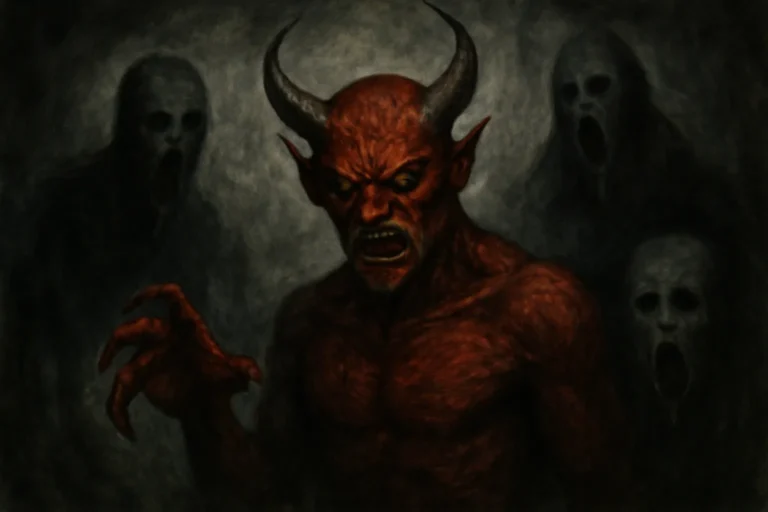
Across the Christian map, demons are typically described as spiritual beings who oppose God, tempt humans, and seek to disrupt the goodness of creation. Yet the specifics vary widely. In many Christian theologies, these entities are not merely abstract forces but individuals with purposes, personalities, and a real impact on human lives. At a high level, core convictions often include:
Creation and fall: Demons are frequently depicted as fallen beings or rebellious angels who chose to oppose the Creator, thereby losing their status as holy beings.
Intelligences and wills: They are portrayed as conscious beings with agency, capable of plotting, deceiving, and influencing people, institutions, and even nations.
Temptation and oppression: The demonic presence is said to exert pressure through temptation, fear, or external oppression, sometimes culminating in what churches call possession or oppression.
Spiritual warfare: Combat with demonic powers is framed as a struggle of faith, prayer, and obedience, rather than a purely physical battle.
Even among those who do not affirm a literal doctrine of possession in every case, many Christians recognize the possibility of demonic influence in personal sin, social injustice, or collective harm. The language of possession and exorcism, however, remains central to many traditions, and it raises questions about responsibility, discernment, and pastoral care.
Names, types, and classifications of demons
Christian literature uses a variety of terms to describe demonic beings and their roles. Below are some common categories you will encounter in theological works, sermons, and liturgical texts.
The Devil and Satan in Christian thought
Among the most recognizable figures is the Devil, sometimes equated with Satan as the chief adversary of God and humanity. In many Christian narrations, the Devil embodies rebellion against divine order, a liar, and a deceiver who seeks to turn people away from truth. The Devil may function as:
Accuser or tempter, attempting to undermine faith and obedience.
Owner of deceiving spirits who manipulate thoughts and perceptions.
Symbolically, evil incarnate in opposition to the good will of God.
Fallen angels and their cohorts
Several strands of Christian demonology speak of fallen angels, a class of beings that included Lucifer among the highest orders before their rebellion. Later traditions extend the idea to a broader host of rebellious spirits who act in service of malevolent aims. In this line of thought, the demons are not mere abstractions; they are actors with lore, ranks, and sometimes identifiable names in apocryphal or medieval literature.
Principalities, powers, and other demonic hierarchies
In certain New Testament passages, particularly in Paul’s Epistles, Christians encounter language about principalities and powers, implying organized spiritual forces that operate in societal structures. While this language is sometimes interpreted metaphorically, other theologians treat it as a real framework for understanding how demonic influence can manifest in politics, culture, or institutional life.
Other demon figures across scripture and tradition
Beyond the Devil and the broad category of fallen angels, many Christian traditions identify named or archetypal demons drawn from biblical and extrabiblical sources. In some streams, figures such as Beelzebub or Asmodeus appear as archetypes of specific sorts of temptation or vice. In medieval and later Christian imagination, lists of demons often reflect contemporary concerns—such as sins or social evils—and serve as teaching tools for moral formation and spiritual discernment.
Exorcism and the practice of deliverance across Christian traditions
Exorcism—the ritual act of driving out demonic presence or influence—appears in some form in most major streams of Christianity, but its form, credibility, and frequency differ widely. To understand the landscape, it helps to look at how Catholic, Orthodox, and Protestant communities articulate the purpose and practice of exorcism, as well as how Pentecostal and Charismatic movements have shaped modern deliverance ministry.
Catholic exorcism: ritual, theology, and pastoral care
Within the Roman Catholic Church, exorcism is a defined sacramental practice, distinct from general prayer or healing rituals. The Catholic framework emphasizes:
Authority and discernment: Exorcisms are typically performed by a priest with explicit permission from a bishop, especially for a formal rite. The priest is required to exercise discernment to determine whether the case is truly a demonic possession, oppression, or a psychosocial issue that needs different care.
Ritual structure: The classic exorcism rite includes invocations, readings from Scripture, commands in the name of Jesus, and pastoral supplication for deliverance and healing. The language foregrounds the triumph of Christ over evil, with a clear refrain that God’s grace and authority prevail.
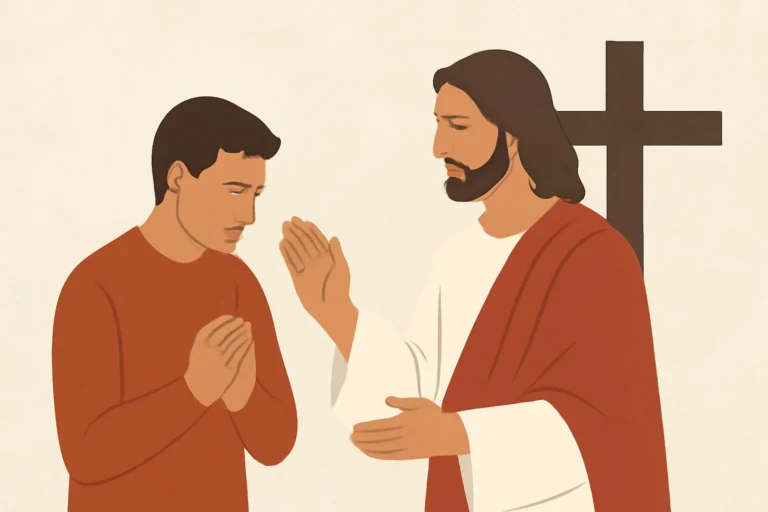
Pastoral care: Catholic teaching stresses the need for ongoing pastoral support, psychological care when appropriate, and the dignity of the possessed person, with prayers that honor the person’s humanity and dignity.
Contemporary developments: In modern times, the Church has issued guidelines to prevent abuse and to distinguish legitimate demonic oppression from mental illness or external distress. Some cases require long-term exorcism or refer to medical and psychiatric expertise in combination with spiritual care.
For Catholics, exorcism is not a ritual of control but a proclamation of Christ’s victory over evil and a sign of God’s healing promise for the whole person.
Eastern Orthodox and Oriental Orthodox practices
In the Eastern Orthodox Church, exorcisms are also serious rites conducted by priests, sometimes with presbyteral involvement, and often with a liturgical beauty that emphasizes the Church’s shared faith in Christ as the one who conquers demonic power. Orthodox exorcism emphasizes:
Liturgical specificity: The rites include dippings, readings, and chants that call upon the name of Jesus and invoke the Holy Spirit.
Pastoral caution: Like Catholic practice, there is a strong emphasis on discernment, safeguarding the person’s dignity, and ensuring that medical and mental health assessments are considered when appropriate.
In many Orthodox jurisdictions, exorcism is viewed as a safeguard against doctrinal error and a demonstration of the Church’s ongoing mission to bring grace into situations of spiritual distress.
Protestant and Pentecostal approaches: prayer, deliverance, and spiritual warfare
In Protestant traditions, there is a spectrum from cautious skepticism toward sensational exorcism to robust ministry of deliverance. The main lines of thought include:
Deliverance ministry: In several Protestant churches, especially within Baptist and evangelical circles, believers may engage in prayer, confession, and renunciation of demonic influence. Deliverance sessions may involve a team praying for freedom, naming the powers behind oppression, and encouraging Scripture-based confession and repentance.
Spiritual warfare: The rhetoric of spiritual warfare—“standing firm,” wearing spiritual armor, and invoking the power of Christ—often frames the struggle against demonic influence as ongoing and contextual to modern life.
Dispensational and Reformed cautions: Some theologians warn against sensationalism, insisting that not every personal or societal problem is caused by a demon. They emphasize the sufficiency of Christ, the authority of Scripture, and the importance of medical or psychological care when appropriate.
In Pentecostal and Charismatic circles, exorcism can be more public and dynamic, with dramatic prayer, commands in Jesus’ name, and testimony of deliverance. These communities often stress the direct experience of God’s power against manifest demonic influence and view such acts as signs of the Spirit’s ongoing work in the church and in society.
Ritual, theology, and the significance of exorcism in church history
Exorcism is not merely a set of rites; it is embedded in a broader theological framework about who God is, how evil operates, and how salvation unfolds in time. Several enduring themes shape the way exorcism is understood and practiced through church history:
Christocentric authority: Across traditions, the exorcism rite centers on the authority of Jesus Christ and the truth of the Gospel. The phrase often recited is that Jesus has defeated the power of darkness, and believers participate in that victory through faith and prayer.
Discernment and care: Historically, Christian communities developed criteria to distinguish genuine demonic influence from psychological distress, moral failure, or social trauma. This discernment remains central to pastoral practice today.
Pastoral witness: Exorcisms have often served as public witnesses to the power of God and to the reality of spiritual conflict, especially in times of social upheaval or religious revival.
Ethical and pastoral challenges: Questions about agency, consent, and the dignity of the person receiving care continue to shape how exorcism is approached in modern contexts.
Throughout the centuries, notable practitioners and theologians contributed to the development of demonology and deliverance rituals. For example, medieval and early modern Christians wrote extensively about exorcists, the anatomy of demonic influence, and the ethical guidelines for handling possession narratives. While the details differ by era and tradition, the underlying claim remains: the Church bears witness to Christ’s victory over evil and seeks God’s mercy for those who experience spiritual distress.
Historical development: key milestones and figures
Understanding Christianity’s approach to demons requires looking at how ideas evolved across time. Here are some milestones and influential voices that shaped the conversation about demons and exorcism:
Early Christian exorcism: In the Patristic era, church leaders like the apostles and early fathers began to distinguish between healing, exorcism, and exorcistic prayer, establishing a pattern for later practice.
Patristic synthesis: The early theologians synthesized biblical material with Greco-Roman and Jewish demonology, often reframing demons as subordinate to the sovereignty of God and the authority of Christ.
Medieval exorcism manuals: In medieval Europe, exorcism manuals and ritual texts proliferated, providing detailed instructions and a taxonomy of demonic activities, including possession and obsession. These works shaped lay and clerical expectations about spiritual warfare.
Reformation-era shifts: The Reformation sparked renewed emphasis on Scripture, personal faith, and the sovereignty of Christ, while debates about exorcism reflected broader questions about authority, tradition, and the role of the church in spiritual life.
Modern Catholic revisions: In the late 20th and early 21st centuries, the Catholic Church revised guidelines for exorcism to emphasize discernment, pastoral care, and the integration of medical and psychological understanding.
Global Pentecostal and charismatic growth: The 20th and 21st centuries witnessed a surge of deliverance-focused ministries around the globe, bringing a renewed public profile to exorcism and spiritual warfare within diverse cultural contexts.
Today’s Christian landscape includes a broad range of views on demons and exorcism. Debates tend to revolve around questions such as how to discern real demonic influence, when to refer to professionals, and how to avoid sensationalism. Some common discussions include:
Psychology and possession: Scholars and pastors debate the extent to which symptoms commonly labeled as possession or oppression could reflect mental health issues, neurological conditions, or social stress. The integration of psychology with spiritual care remains an important area of dialogue.
Authority and jurisdiction: Different churches debate who has the institutional authority to perform exorcisms, what training is required, and how to handle cases that cross denominational boundaries or national borders.
Ecumenical common ground: Many Christians seek shared language about spiritual warfare, focusing on the essential Christian claims about sin, grace, and salvation, rather than on sensational details about demonic hierarchies.
Ethics and safety: There is heightened attention to safeguarding vulnerable individuals, preventing manipulation, and ensuring that exorcism-related practices are respectful, ethical, and supportive of healing.
Demons in contemporary Christian culture: media, music, and literature
Outside of worship and official teaching, contemporary Christian culture often interacts with the theme of demonic power through stories, sermons, and media. The rhetorical use of demonic imagery can serve as metaphor for internal struggles (such as addiction or fear), social evils (such as corruption or oppression), or the broader drama of cosmic conflict between good and evil. Authors, theologians, and pastors frequently employ language of spiritual warfare to encourage perseverance, prayer, and moral integrity. Outside the church, popular culture may reflect, challenge, or sensationalize demonic ideas—sometimes aligning with popular horror tropes, sometimes offering critique and caution about fear-based spirituality.
Practical guidance: discerning demonic influence and seeking help
For readers seeking guidance in real life situations, it is important to approach the subject with discernment, humility, and care. The following practical guidance emphasizes safety, respect for personal dignity, and the integration of spiritual and psychological care when needed.
Discernment: If you or someone you know feels overwhelmed by thoughts, fears, or experiences that seem beyond ordinary life, seek guidance from a trusted spiritual mentor or pastor, and consider professional counseling as part of a holistic approach.
Prayer and Scripture: Many Christians turn to regular prayer, Scripture study, and corporate worship as avenues for spiritual clarity and healing. These practices can foster peace and resilience in the face of distress.
Pastoral care: Engage with a pastor or spiritual director who respects your dignity, listens carefully, and can coordinate care that includes mental health professionals if appropriate.
Reasonable caution: Be wary of sensational claims, coercive tactics, or fear-based manipulation. Exorcism-like practices should be grounded in ecclesial authority, ethical standards, and evidence-based care when possible.
Emergency support: If there is any risk of harm to self or others, or if the situation involves coercion or abuse, contact appropriate authorities or mental health professionals without delay.
Variations across Christian traditions: a quick comparison
To summarize how different streams approach demons and exorcism, here is a compact comparison:
Catholic: Formal rites, episcopal authorization, and a strong emphasis on discernment, with integrated care. Exorcism is a recognized sacramental act in specific circumstances.
Orthodox: Liturgical, sacramental framing; emphasis on Christ as victor; exorcism is integrated into the broader sacramental life of the Church, often with a strong sense of continuity with early Christianity.
Protestant: Broad spectrum from cautious to highly public deliverance ministries; emphasis on scriptural authority, personal faith, and the sufficiency of Christ, with varied attitudes toward ritualism.
Pentecostal/Charismatic: Public, energy-filled ministry of deliverance; emphasis on spiritual gifts, authority in Jesus’ name, and immediate testimonies of freedom from demonic influence.
Key terms and phrases to know
Here is a concise glossary of terms you may encounter when reading about demons and exorcism in Christianity. The bolded terms are the ones you are most likely to see in sermons, books, and church documents.
Demons — malevolent spiritual beings that oppose God and sometimes influence humans.
Exorcism — ritual act to cast out or remove demonic presence or influence.
Possession — a state in which a demonic power is believed to inhabit or control a person to some degree.
Deliverance — liberation from demonic influence through prayer and spiritual care.
Deliverance ministry — organized efforts within some Protestant and Pentecostal communities to address spiritual oppression.
Spiritual warfare — the Christian practice of resisting demonic influence through prayer, faith, and the name of Jesus.
Discernment — the process of distinguishing true spiritual influence from other causes of distress or disorder.
Christus victor — a biblical and theological motif emphasizing Christ’s victory over the powers of sin and evil.
Pastoral care — the compassionate support offered by church leaders to people experiencing distress, including spiritual and psychological dimensions.
Across centuries, theologians, pastors, and scholars have contributed to the understanding of demonology in Christianity. Some figures left a lasting imprint on how communities think about evil, healing, and spiritual authority. A few representative names and currents include:
The early church fathers who grappled with questions about the reality of spiritual warfare and the place of exorcism in pastoral care.
Medieval and Renaissance exorcists who wrote manuals and performed rites that shaped popular beliefs about demonic activity and possession.
Thomas Aquinas and scholastic thought, which offered systematic accounts of angels, demons, and human freedom within a broader metaphysical framework.
Reformation-era theologians who reinterpreted demonic power against the backdrop of sola scriptura, grace, and salvation by faith alone.
Contemporary Catholic and Orthodox theologians who advocate careful discernment, liturgical depth, and dialog with modern science and medicine.
Pentecostal and Charismatic leaders who have popularized deliverance ministry and spiritual warfare language in many parts of the world.
What this means for readers today
For modern readers, the question often becomes not only what is said about demons in ancient texts, but how those teachings relate to everyday life. The Christian tradition ultimately invites believers to trust in God’s protective grace, to pursue truth through Scripture and prayer, and to walk in humility with neighbors who may be experiencing distress of many kinds. Whether one views demonic influence as a literal cosmic reality or a symbolic framework for understanding moral and social evils, the underlying message in most Christian communities is the same: God’s love, mercy, and power are offered to heal and restore human life, communities, and the world.
If you want to explore the topic more deeply, here are some categories of resources you can consult. Each category offers a range of perspectives and approaches, from academic study to pastoral practice.
Biblical studies focusing on demonology in both Old and New Testament texts, as well as the linguistic and historical context of terms used for demonic beings.
Church histories that examine how beliefs about demons and exorcism developed in different eras and cultures.
Theology and systematic theology works that explore the problem of evil, the sovereignty of God, and Christ’s victory over the powers of darkness.
Liturgical guides and manuals from Catholic and Orthodox traditions that explain the formal rites, prayers, and rituals involved in exorcism and related practices.
Pastoral resources addressing deliverance ministry, spiritual discernment, and the integration of mental health care with spiritual care.
When engaging with the subject of demons in Christianity, it is important to keep a balanced approach: honor the seriousness with which communities historically treated spiritual warfare, while also acknowledging the diverse ways people understand illness, distress, and the power of grace in healing. For many readers, the most important takeaway is the enduring claim that God’s love and Christ’s redemption are offered to all people, and that the Church is called to be a place of safety, healing, and hope in the presence of spiritual struggle.
Glossary and quick-reference notes
To aid quick understanding, here are some frequently encountered terms with brief explanations. Bolded terms appear throughout this article to emphasize their significance.
Demons: malevolent spiritual beings opposed to God, often described as agents of temptation or oppression.
Exorcism: a formal ritual to confront and command demonic forces to depart in the name of Christ.
Possession: a state in which a demonic power is believed to inhabit or control a person’s will or actions.
Deliverance: the process of freeing someone from demonic influence through prayer and spiritual care.
Spiritual warfare: the practice of resisting demonic influence through prayer, Scripture, and faith in God’s power.
Discernment: the process of distinguishing between spiritual influence, mental health concerns, and other causes of distress.
Christus Victor: a theological motif emphasizing Christ’s victory over all powers of evil.
As you explore the topic of Christianity demons and exorcisms, you will encounter a rich tapestry of beliefs, practices, and debates. The core of the subject remains consistent in many communities: the belief that God’s power in Christ stands against the forces of darkness, and that the church serves as a space for healing, discernment, and restoration for people and communities facing spiritual distress.