What Does the Torah Mean? Origins, Meaning, and Significance
What does the Torah mean? This question opens a broad conversation about language, history, belief, and practice. For many readers, the word Torah is a single name for a book; for others, it denotes a living tradition that guides worship, ethics, education, and community life. In Jewish tradition, the term carries layered meanings that evolve across time: it can refer to a specific text, a body of divine instruction, a set of laws, or a framework for understanding how human beings relate to the divine and to one another. Below, you will find an extensive exploration of origins, meanings, and significance, organized to illuminate the many facets of what the Torah means in historical and contemporary contexts.
Origins and Etymology: What does the Torah mean at its root?
Etymology: how the word is built
– The word Torah comes from a Hebrew root that scholars often render as yarah. This root conveys ideas of teaching, directing, guiding, or instructing. In this sense, the Torah is fundamentally about direction—how to live a life that is oriented toward relationship with the divine and toward moral and communal responsibility.
– A common translation is “instruction,” though many scholars and commentators also render it as “teaching,” or “law,” acknowledging that the text governs behavior as well as belief. Because of the breadth of its contents, the word Torah is not exhausted by any single gloss; it carries ethical, ritual, narrative, and pedagogical dimensions.
– In Jewish liturgy and study, you will often encounter phrases like “Torah emet” (the Torah of truth) or “Torat Moshe” (the Torah of Moses), which signal trust in its revealed, guiding authority.
Origins in the ancient Near East: a broader context
– The Torah belongs to a world in which stories, laws, rituals, and covenants circulated within communities that shared religious and cultural concerns. While it has a distinctive path in Jewish history, many elements—laws, divine demands, and the rhetoric of covenant—sit alongside other ancient Near Eastern texts.
– Some scholars note resonances with ancient legal and treaty traditions, including the idea of a formal agreement between a sovereign and a people. The language of blessings and curses, the enumeration of obligations, and the recounting of founding events are features that appear in other ancient systems as well. Yet the Torah’s particular claims about God, creation, and national identity set it apart in important ways.
– This broader milieu helps readers appreciate that the Torah is not created in a vacuum. It emerges out of long-standing conversations about how a community should conduct itself in relation to God, to neighbors, and to history.
Written Torah versus Oral Torah: two interconnected bodies
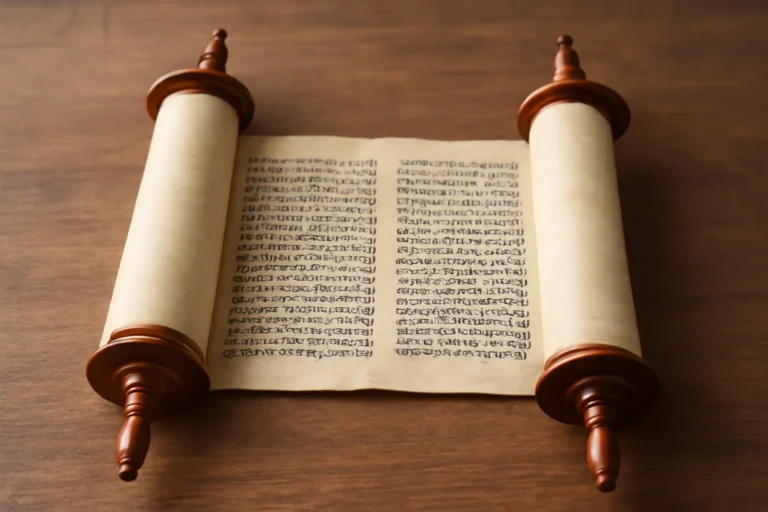
– A central distinction in Jewish tradition is between the Written Torah and the Oral Torah. The Written Torah comprises the five books of Moses—Genesis, Exodus, Leviticus, Numbers, and Deuteronomy—often called the Chumash (or Pentateuch in Greek). These books are seen as the primary revelation to Israel.
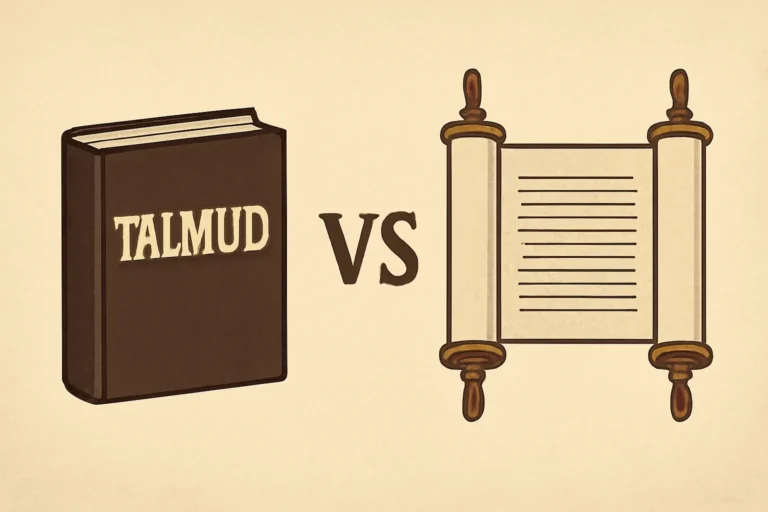
– The Oral Torah, by contrast, is understood as the interpretations, explanations, and expansions of the Written Torah that were transmitted orally from generation to generation. It includes discussions, debates, and decisions that help apply the Biblical text to changing circumstances. In rabbinic Judaism, this Oral Torah was eventually compiled in written form in texts such as the Mishnah and the Talmud.
– In contemporary usage, terms like “the Torah” may refer to the Written Torah specifically, or to the broader continuum of law, interpretation, and narrative that the Oral Torah sustains. The pairing of Written and Oral strands reflects a dynamic view of revelation as both text and ongoing interpretation.
What Does the Torah Mean? Meanings and implications across interpretations
Variants of meaning in Jewish and non-Jewish contexts
– For many Jews, the question “What does the Torah mean?” is answered with emphasis on relationship: the text is a guide to covenantal living and to recognizing the divine presence in everyday life.
– Christians often discuss the Torah as part of the Old Testament, sometimes focusing on prophetic anticipation or typology that points toward Christian understandings of law and gospel. In this frame, the Torah’s meaning can extend to its ethical teachings and historical influence, while its interpretive lens differs from rabbinic readings.
– In secular or academic settings, scholars may examine the Torah as a product of historical processes, literary genres, and community editors. They might explore how authorship, redaction, and compilation shaped the text, and how its meanings have changed as communities have engaged with it over centuries.
– Ethical and legal meaning: Many passages lay out commandments, ethical norms, and ritual regulations. These portions function as moral guidance and as a framework for communal life.
– Narrative meaning: The stories—from creation and early humanity to the patriarchs, exodus, desert wanderings, and entry into the Promised Land—offer models, warnings, and insights into human nature, leadership, and faith.
– Theological meaning: The Torah introduces and develops concepts of God, revelation, divine justice, mercy, and covenant love. It frames how humans relate to a holy, responsive deity.
– Educational meaning: The text also serves as a pedagogical instrument—one that invites readers to interpret, question, and discuss, thereby cultivating critical thinking within a sacred tradition.
The Structure and Scope: what is inside the Torah?
The Five Books of Moses: the Chumash
– Genesis (Bereishit) opens with the creation of the world, the early human story, the patriarchs, and the beginnings of the covenant with Abraham, Isaac, and Jacob.
– Exodus (Shemot) follows the liberation of the Israelites from Egypt, the revelation at Mount Sinai, the giving of the Law, and the design of the tabernacle.
– Leviticus (Vayikra) emphasizes ritual purity, the priesthood, and a system of sacrifices and codes for holy living.
– Numbers (Bamidbar) recounts a long journey through the wilderness, census data, and a series of leadership challenges and reforms.
– Deuteronomy (Devarim) presents a restatement and expansion of the Law as Moses addresses a new generation about to enter the land, with a scholarly emphasis on obedience, memory, and covenantal fidelity.
Core themes woven through the five books
– Covenant and relationship with God: The Torah frames a reciprocal relationship with God, grounded in promises, commandments, and ethical living.
– Law and order: Detailed laws cover family life, property, ritual, justice, and communal responsibility, shaping civil and religious order.
– Identity and memory: Rituals, narratives, and genealogies bind a people to their history and to each other.
– Ethics and holiness: The text repeatedly asks how to live in a world infused with divine presence, and how to distinguish the holy from the common in daily life.
Historical context and composition: how did the Torah come to be?
Composition and sources: a scholarly view
– Many scholars view the Torah as the product of a long period of composition, redaction, and revision in which multiple sources and voices were woven together. One well-known scholarly theory emphasizes the possibility of multiple strands that scholars label J, E, P, and D—the Yahwist, Elohist, Priestly, and Deuteronomic sources—though this is a framework debated and refined in contemporary scholarship.
– This perspective does not diminish the Torah’s significance; rather, it helps explain stylistic differences, variations in Israelite memory, and shifts in emphasis from one section to another. It also illuminates how communities across different eras grappled with questions of law, ritual, and identity.
– The process of compilation is often described as redaction: editors harmonized diverse voices to present a coherent narrative arc and a comprehensive set of divine expectations for the people of Israel.
Tradition and authority: how readers engage with the text across time
– In Jewish tradition, the authority of the Torah is twofold: divine revelation and human interpretation. The belief is that God revealed the core content to the people, but humans are entrusted with interpreting and applying that content in changing circumstances.
– Throughout history, sages and rabbis have offered interpretive frameworks, culminating in legal codes, commentaries, and philosophical works. This robust interpretive culture is part of what gives the Torah its enduring vitality and relevance.
Significance in Jewish life: why the Torah matters so deeply
Daily life, ritual, and law
– The Torah informs a wide range of practices, from Sabbath observance and dietary laws to family purity, tithing, and ethical interactions. Its commandments shape what Jewish communities consider sacred time, space, and behavior.
– The text also provides a language for worship: its stories and laws inform prayers, liturgy, and the rhythms of the year. Holidays such as Passover, Shavuot, and Sukkot are deeply connected to the narrative and legal content of the Torah.
– In education, the Torah is studied across ages and settings, from students in synagogue schools to scholars in universities. The act of study is itself a form of covenantal participation, a way of continuing revelation through interpretation.
Identity, memory, and community life
– The Torah helps define Jewish identity by anchoring communal memory in shared episodes—the exodus from Egypt, the giving of the Law at Sinai, and the wanderings in the wilderness. These narratives create a sense of belonging to a people with a unique mission and history.
– The weekly Torah portion (parashah) is read in Jewish communities around the world, creating a shared rhythm of study and reflection. This practice reinforces a sense of unity while allowing for local custom and interpretation.
Ways the Torah is studied and lived today
Reading cycles and study formats
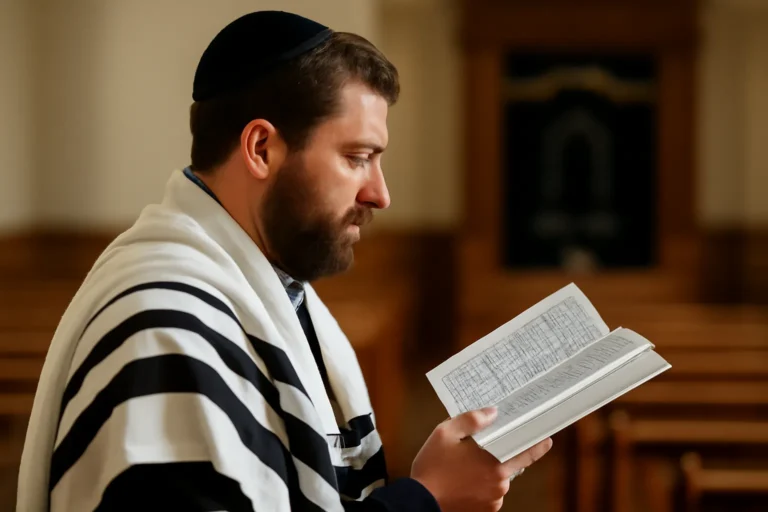
– Many communities observe a weekly cycle of Torah reading, with the parashah (plural: parashot) portion read aloud in synagogues and discussed in study sessions. This cycle provides a predictable structure for long-term study and conversation about ethical and theological issues.
– In addition to weekly readings, there are intensive study practices, such as planned courses, shiurim, and [text-focused study groups], which encourage close reading of the text and engagement with classical and contemporary commentaries.
– Printed editions called Chumash often include the Hebrew text alongside Aramaic and English translations, as well as commentaries and cross-references that illuminate interpretive choices.
– The Torah informs liturgy, particularly in prayers and blessings that reference the commandments and the revelation at Sinai.
– It is common to pair the weekly Torah reading with the haftarah, a prophetic reading that follows the Torah portion in the service. This pairing invites reflection on how the prophetic voice interprets or responds to the Torah’s themes.
– In educational settings, the Torah serves as a foundation for moral and ethical discussion, enabling learners to connect ancient texts with contemporary issues such as justice, care for the vulnerable, and stewardship of the environment.
Torah, law, and narrative: how the parts relate
Halakha and Aggadah: two complementary strands
– In rabbinic discourse, the Torah is understood to generate two broad kinds of discourse: Halakha (the practical legal code) and Aggadah (narrative, ethical, and theological storytelling). Halakha provides concrete guidelines for conduct; Aggadah enriches the text with meaning, moral imagination, and interpretive imagination.
– Together, these strands offer a holistic approach to living with the Torah. The legal framework addresses everyday behavior, while the narrative and ethical commentary deepen appreciation for why those laws exist and how they relate to human flourishing.
The twofold revelation: text and interpretation
– The relationship between the Written Torah and the Oral Torah suggests a dynamic process: revelation is not a one-time event but a living dialogue between sacred text and human interpretation.
– This perspective invites ongoing study, debate, and dialogue across generations, cultures, and communities, preserving the Torah’s relevance while allowing fresh insights to emerge.
Influence beyond Judaism: the Torah in other faiths and traditions
In Christian traditions
– Christians regard parts of the Torah as sacred scripture within the broader context of the Bible. Some Christian interpretations view the Torah as anticipating or foreshadowing Christian beliefs about salvation and divine law. The ethical core of the Torah, including themes of justice, mercy, and fidelity, often informs Christian moral reflection.
– The distinction between law and gospel in Christian theology has historically shaped how the Torah is read and applied, with different traditions emphasizing different interpretive approaches.
– The stories of figures such as Abraham, Moses, and others appear in Islamic tradition, and some Muslims honor the Torah as part of the broader revelation tradition. In Islam, the Qur’an acknowledges earlier scriptures and prophets, and Muslims may regard the Torah as a foundational text in the history of revelation, while maintaining that the Qur’an is the final and complete revelation.
– Across interfaith conversations, the Torah’s narratives often serve as a point of contact for ethical reflection, shared values, and historical understanding, even as doctrinal differences remain.
Common questions and clarifications: addressing misunderstandings
What is meant by “the Law” in reference to the Torah?
– A common misconception is that the Torah is solely a legal code. While it contains many legal provisions, it also includes stories, covenants, rituals, and ethical prescriptions. The term “Law” captures part of its function in guiding conduct, but it does not capture the full scope of its meaning.
– While the text contains ancient narratives and laws, its themes—justice, mercy, responsibility, faith, community—are often treated as living concerns. Readers frequently find that the Torah speaks to contemporary questions about governance, care for the vulnerable, human dignity, and ethical decision-making.
Do we read the Torah literally or metaphorically?
– Jewish and other interpretive traditions offer a spectrum of approaches. Some passages are read as historical and literal accounts; others are understood metaphorically, symbolically, or as parables designed to provoke reflection and moral action. Many readers hold that both literal and metaphorical readings can illuminate different dimensions of the text.
Continuing relevance: why the Torah remains a vital text
Why study the Torah today?
– The Torah’s enduring relevance comes from its focus on core human concerns: the dignity of life, the importance of community, the responsibilities we bear to others, and the question of how to live with integrity in a complex world.
– Its ritual guidance connects people to time, as the life of a community is marked by cycles of creation, liberation, pilgrimage, and renewal. The Torah helps anchor those cycles in memory and meaning.
– Through study, debate, and practice, communities keep the Torah alive. The process of engagement—questioning, translating, teaching, and applying—ensures that the text remains not a museum piece but a living source of wisdom.
Key takeaways about the meaning of the Torah
– Foundational documentation: It lays out foundational narratives and laws that define a people and their relationship with God.
– Layered interpretation: Its meaning emerges through layers of interpretation—written text, oral explanation, later rabbinic commentary, and contemporary study.
– Ethical orientation: Central questions concern how to live justly, care for strangers and the vulnerable, and pursue holiness in daily life.
– Community and identity: The Torah helps form and sustain communal identity, memory, and responsibility across generations.
Putting it all together: a concise map of what the Torah means
– The Torah is both a text and a living tradition. It is understood as divine instruction given to the people of Israel, conveyed through the Written Torah (the Five Books of Moses) and interpreted through an enduring Oral Torah.
– Its meanings span narrative, law, ritual, ethics, and theology, offering a framework for personal conduct and communal life.
– Its structure—five books that move from creation and founding events to covenantal obedience and the call to Remember—frames a long arc of history and obligation.
– Its study and practice are communal acts that bind generations, languages, and cultures to a shared project of meaning-making.
– Its influence extends beyond Judaism, shaping moral discourse, religious thought, and interfaith conversations across civilizations.
As you consider the question “What does the Torah mean?” in any of its many forms, it helps to recognize the dual nature of the text: a sacred, revealed document to be treasured and a dynamic, interpretive tradition that invites questions, dialogue, and growth. The Torah, in its fullness, is not a single answer but a living conversation that has carried, and continues to carry, people through centuries of change while remaining anchored in a sense of divine instruction, covenantal relationship, and communal responsibility.